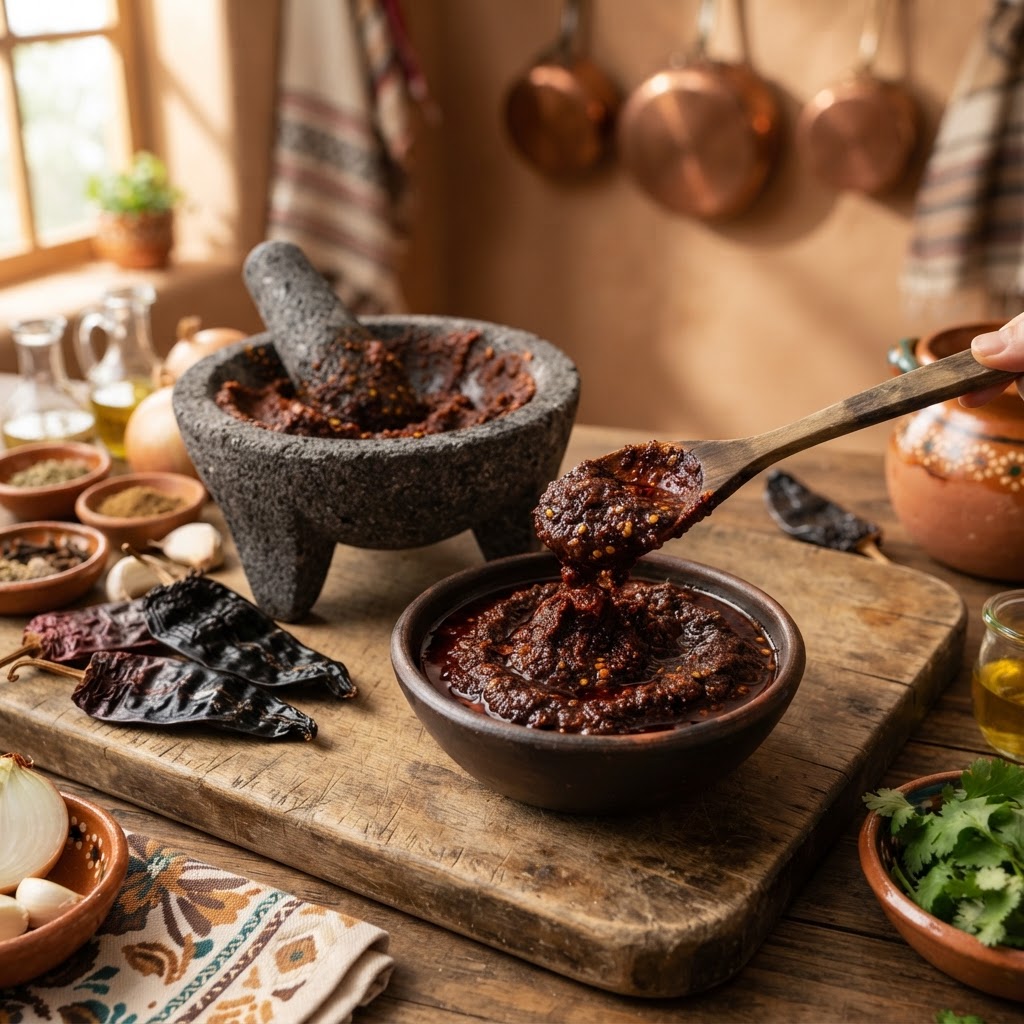
The Home Cook’s Guide to Mexican Adobos: Mastering Dried Chili Pastes for Deep, Complex Flavor Foundations
There is a profound alchemy that occurs in a Mexican kitchen when the scent of toasted dried chilis begins to fill the air. It is not merely the smell of dinner, but the olfactory equivalent of a history lesson, a sensory deep-dive into the very heart of Mesoamerican culinary tradition. For the home cook, understanding the adobo is the single greatest leap you can make from being someone who follows recipes to someone who intuitively understands flavor architecture. An adobo is more than just a marinade or a sauce; it is a concentrated foundation of umami, spice, and earthiness that serves as the backbone for everything from slow-cooked pork shoulder to braised mushrooms. By mastering this technique, you are learning to wield the primary tool used by chefs to transform humble ingredients into complex, layered masterpieces that linger on the palate long after the meal has concluded.
Many home cooks find themselves intimidated by the vast array of dried chilis available in specialty markets, often seeing them as exotic ingredients that require a culinary degree to manipulate properly. In reality, the process of rehydrating and blending these chilis is incredibly forgiving and deeply rewarding once you understand the basic mechanics of heat and texture. The journey from a brittle, dried pepper to a velvety, mahogany-colored paste is one of the most satisfying transformations you can perform in your kitchen. We are not just making a sauce; we are extracting the essential oils and the tannins from the dried skins to create a medium that can carry flavor deep into any protein or vegetable. It requires patience, a bit of trial and error, and a willingness to respect the distinct profiles of the chilis you choose to work with.
As we dive into the science and art of the adobo, I want you to discard the notion that these dishes have to be overwhelmingly spicy. The beauty of a well-balanced adobo lies in its depth of flavor, not its heat index, and the best recipes often feature a symphony of fruity, nutty, and chocolatey notes that dance around the palate. By utilizing different types of dried peppers, such as the sweet and raisin-like Ancho or the sharp and bright Guajillo, you can modulate the intensity to suit your preferences. This guide is designed to empower you to stop relying on store-bought jars of premade paste and instead create your own vibrant, potent foundations from scratch. Prepare your kitchen, sharpen your senses, and let us begin the process of unlocking the dark, mysterious, and deeply delicious world of Mexican adobos.
The Anatomy of the Chili: Selecting Your Foundation
To build a legendary adobo, you must first treat the dried chili as a primary ingredient, much like you would a high-quality cut of meat or a fresh produce item. The quality of your dried chilis determines the soul of your sauce. Always look for chilis that still have a bit of pliability; if they are completely brittle and snap like dry autumn leaves, they are likely quite old and have lost their essential flavor compounds. A good dried chili should have a slight sheen and a uniform color, free of white mold or excessive dust. When you store them, keep them in a cool, dark place, ideally in an airtight container to prevent them from becoming completely desiccated or absorbing odors from the pantry.
Understanding the Flavor Profiles
The most common chilis used in adobos offer a spectrum of flavors. The Ancho is the dried version of the Poblano; it is the workhorse of the kitchen, providing a rich, dark sweetness reminiscent of dried cherries or cocoa. Then you have the Guajillo, which is perhaps the most versatile; it provides a bright, tea-like acidity and a beautiful, translucent red hue that acts as the perfect canvas for your other spices. For those who want a touch of heat, the Morita offers a smoky, chipotle-adjacent kick that adds a wonderful layer of complexity, while the Pasilla brings an earthy, almost licorice-like depth that rounds out the sharper notes of the other chilis.
Preparing the Chilis for the Toast
Before the chilis even touch water, they must be toasted. This is non-negotiable. Toasting releases the oils trapped within the skin, which significantly amplifies the flavor. You want to place your cleaned and stemmed chilis—do not forget to remove the majority of the seeds, as they contain the bitter components—into a hot, dry skillet for about 30 to 45 seconds per side. You are looking for a slight color change and a noticeable aromatic release. Do not let them burn; burnt chili skins are incredibly acrid and will ruin your entire base. Once they are toasted, they are ready to be rehydrated, which softens the flesh and prepares them for the blender.
"The true magic of an adobo does not live in the heat of the chili, but in the patience of the cook who understands that every dried pepper is a vessel of concentrated memory and earth."
The Rehydration Process: Balancing Texture and Intensity
Once your chilis are toasted, the rehydration phase is where the magic really begins. You are not just soaking them; you are effectively steeping them, much like making a very concentrated tea. The water temperature is crucial here; you want your water to be just below a boil. If the water is boiling, it can break down the starches too quickly and lead to a gummy or bitter texture. Aim for about 180°F to 190°F. If you submerge the chilis in water that is too hot, you will lose the delicate fruity notes that you worked so hard to preserve during the toasting process.
The Soaking Technique
Place your toasted chilis in a heat-proof bowl and cover them with the hot water. Place a small plate or lid on top to keep them submerged. They will float, and if they aren't fully submerged, the tops will stay tough. Let them soak for anywhere from 15 to 30 minutes, depending on the thickness of the skins. Ancho chilis, which are quite fleshy, may need the full 30 minutes, while thinner Guajillos might be ready in 15. You will know they are finished when they feel supple and look fully reconstituted, having regained a significant amount of their volume and weight.
Saving the Liquid Gold
Never pour out all of your soaking liquid! This water is now infused with the essence of your chilis. It contains the tannins and the deep, rich pigments that give adobos their signature intensity. Use this liquid as your blending medium. Start by adding a small amount to your blender to get things moving, and then add more until you reach your desired consistency. Be aware, however, that the liquid can become bitter if the seeds were left in, so always taste the water before adding it to your blender. If it tastes excessively bitter, discard it and use a high-quality chicken or vegetable stock instead.
The Aromatics and Spices: Building the Complexity
Now that we have our rehydrated chili paste, we need to introduce the aromatic foundation. This is where the "chef" side of the home cook truly emerges. A classic adobo is rarely just chilis; it is a calibrated blend of garlic, onions, warm spices, and often a touch of something acidic or sweet to balance the bitterness of the skins. Garlic is essential—it provides the pungency that cuts through the richness of the chilis. I highly recommend roasting your garlic cloves in their skins until soft before adding them to the blend; this produces a mellow, nutty sweetness that pairs perfectly with the dried peppers.
The Spice Cabinet Essentials
When choosing your spices, think in terms of warmth and depth. Cumin seeds should always be toasted and ground fresh for the most vibrant flavor. Cloves, cinnamon (specifically Ceylon or Mexican cinnamon), and allspice are the classic aromatics that define the "adobo flavor." A tiny pinch of ground clove goes a long way, and too much can make your sauce taste like perfume, so use a light hand. For sweetness, a small amount of dark brown sugar, piloncillo, or even a splash of orange juice can do wonders to brighten the overall flavor profile.
The Acid Element
Acid is the unsung hero of the adobo. Without a sharp contrast, the paste can feel heavy and one-dimensional on the tongue. Traditional adobos often rely on cider vinegar or white vinegar for this purpose. The vinegar not only provides a necessary brightness but also helps to tenderize the proteins if you are using the adobo as a marinade. Some regional variations also incorporate the juice of bitter oranges or a splash of lime. Experiment with your acid: start with a tablespoon, blend, taste, and add more as needed. You want a bright finish, not a sauce that tastes like straight vinegar.
Blending and Refining: Achieving the Perfect Texture
The texture of your adobo is just as important as its flavor. A gritty or chunky adobo can be unpleasant to eat, especially if it is being used as a glaze or a sauce. You want a consistency that is velvety, smooth, and clinging. To achieve this, you need a high-powered blender. If you are using a standard blender, you may need to strain your paste through a fine-mesh sieve after blending, which is a common practice in professional kitchens to ensure a silky-smooth finish.
The Straining Method
Do not be afraid to strain your adobo. It takes a little extra effort, but the resulting texture is undeniably superior. Press the solids against the sieve with the back of a ladle to extract every bit of that concentrated paste. What remains in the sieve are the fibrous skins and any stubborn seeds you missed. Discard these solids, as they will only create an unpleasant mouthfeel. You will be left with a glossy, deep-red or dark-brown liquid that is ready to be incorporated into your dishes. This refined paste can be stored in the refrigerator for up to a week or frozen for several months.
Emulsification Techniques
If you want an even richer, more luxurious adobo, you can finish it by emulsifying it with a fat. In many Mexican households, lard (manteca) is used for this purpose, as it provides a silky mouthfeel and a depth of flavor that vegetable oils cannot replicate. While the blender is running on its lowest speed, slowly drizzle in a few tablespoons of warm, melted fat. This will transform the sauce, making it glossy and rich. It will also help the sauce cling to proteins more effectively during the cooking process, ensuring that every bite is saturated with flavor.
"A great adobo is a dialogue between the earthiness of the dried pepper and the sharp, bright clarity of the acid. If you can hear that conversation on your palate, you have achieved balance."
Versatility: Putting Your Adobo to Work
The most beautiful thing about mastering the adobo is its endless utility. Once you have a base of this concentrated flavor, you can use it in countless ways. The most traditional use, of course, is as a marinade for proteins like pork, chicken, or beef. Let the protein soak in the adobo for at least 4 hours, though 12 to 24 hours is ideal for deeper penetration. The enzymes in the acid will begin to break down the fibers, making the meat incredibly tender, while the chili paste forms a fragrant, smoky crust when seared or roasted.
Beyond Marinating
Adobos are not just for meat. Try incorporating a tablespoon of your adobo into a vegetable stew, a pot of beans, or even a hearty tomato sauce for pasta. The depth it adds is staggering—it turns a simple pot of black beans into a rich, complex side dish that can stand alone as a meal. You can also use it as a finishing sauce for grilled vegetables; simply brush the adobo onto corn, zucchini, or bell peppers just before they come off the grill. The high heat will caramelize the sugars in the adobo, creating a sweet and smoky glaze that is truly addictive.
Storage and Scaling
When making adobo, it is always wise to make a larger batch than you think you need. Because the process takes time and effort, having extra in the freezer is a gift to your future self. Use ice cube trays to freeze the paste into individual portions. Once frozen, pop them into a heavy-duty freezer bag. When you decide to cook a quick dinner on a Tuesday night, you can simply toss a couple of cubes into a skillet with a bit of stock or water to create a fresh, vibrant sauce in minutes.
Troubleshooting Common Adobo Pitfalls
Even for experienced cooks, things can sometimes go wrong. If your adobo tastes too bitter, it is usually because the seeds weren't removed properly or the chilis were toasted until they turned black. To fix this, you can try adding a bit more sweetener (like honey or piloncillo) and a splash of citrus juice to mask the bitterness. If the sauce is too thick, simply thin it out with warm stock or water. If it is too thin, you can reduce it in a skillet over low heat until it reaches the desired consistency, just be careful not to let it scorch.
Balancing the Heat
If you find your adobo is too spicy, do not panic. The best way to mitigate heat is by balancing it with fat and sugar. A dollop of full-fat yogurt, sour cream, or a bit of heavy cream stirred into the final dish can neutralize the capsaicin significantly. Additionally, increasing the ratio of mild chilis (like Ancho or Guajillo) to hot ones (like Arbol or Morita) in your next batch will provide a more tempered base. Remember, the heat should be a background note that provides warmth, not a primary objective that obscures the other complex flavors.
Consistency Control
Consistency is often a point of frustration for the home cook. If your sauce feels "sandy," it means your blender wasn't strong enough to pulverize the tough fibers of the chili skins. As mentioned earlier, the solution here is always the fine-mesh sieve. Straining is a sign of a disciplined cook, not a lack of skill. By taking this extra step, you elevate your home cooking to the level of a professional restaurant. Do not view straining as a chore; view it as the final refinement step that ensures your dish is worthy of the time you put into it.
Final Thoughts
The art of the adobo is a foundational skill that shifts your approach to the kitchen from merely assembling ingredients to orchestrating layers of flavor. By learning to handle dried chilis, you are connecting with a culinary heritage that spans centuries, honoring the techniques that have defined the Mexican table. It is a process that demands presence—the smell of the toast, the look of the rehydration, the sound of the blender, and the subtle adjustment of acid and spice. Each of these moments is an opportunity to learn, to grow, and to refine your palate.
Do not fear the process. If your first batch is not perfect, that is part of the journey. Take notes on the ratios you used, the specific types of chilis that worked best for your family's preferences, and how the flavors evolved over time. Over time, you will find that you no longer need a recipe at all. You will be able to walk into your pantry, grab a handful of dried chilis, and intuitively know exactly what aromatics and spices will yield the perfect sauce for whatever protein or vegetable is on the menu.
Ultimately, "Blame The Chef" is about taking ownership of your kitchen. Mastering the adobo is the ultimate assertion of that philosophy. You are no longer beholden to the convenience of the grocery store aisle; you are a creator. You are building complex, deep, and soul-satisfying food from the ground up, and that is a craft worth cultivating. So, clear your counter, grab your dried chilis, and start building your own version of this magnificent foundation. The world of Mexican cuisine is vast and beautiful, and you now have the keys to unlock its most savory, profound secrets. Happy cooking, and may your kitchen always be filled with the intoxicating, rich aroma of a perfectly balanced adobo.

Get the Next Recipe
Weekly recipes, techniques, and gear picks — straight to your inbox.
