The Home Cook's Guide to Mexican Cochinita Pibil: Mastering Achiote Paste and Banana Leaf Wrapping
The culinary landscape of the Yucatan Peninsula is a world unto itself, standing apart from the broader Mexican traditions with a unique blend of Mayan heritage and colonial influence. At the heart of this gastronomic identity lies Cochinita Pibil, a dish that transcends mere sustenance to become a ritual of patience, aromatic complexity, and deep, ancestral history. For the home cook, the prospect of tackling this dish can feel daunting, particularly when faced with the exotic requirements of achiote paste and the architectural challenge of banana leaf wrapping. Yet, this dish is surprisingly forgiving if you understand the core mechanics of the marinade and the transformative power of slow, low-temperature cooking. It is a dish that rewards the deliberate chef, turning humble cuts of pork into something ethereal, smoky, and vividly orange.
To master this recipe is to master the concept of the pib—the traditional underground earthen oven used by the Maya to slow-cook meats over hot stones. While your modern kitchen lacks the dirt and embers of a jungle pit, we can mimic the essential elements of that environment with precision and care. The beauty of this recipe lies in the interplay between the earthy, musky notes of the annatto seeds and the sharp, bright acidity of bitter orange juice. By learning to balance these components, you elevate your home cooking from simple preparation to a profound appreciation of one of the world's most sophisticated flavor profiles. This guide is designed to strip away the intimidation factor, providing you with the technical foundation to recreate a masterpiece in your own oven.
Prepare yourself for a journey that requires not just a trip to a specialty market, but a shift in your culinary mindset. We are moving away from quick sear-and-sauté methods toward a method that celebrates the virtue of time. As you read through the instructions, keep in mind that the banana leaves are not merely for show; they provide a structural integrity and a subtle, grassy perfume that is impossible to replicate with foil alone. Whether you are hosting an intimate dinner party or seeking to expand your repertoire of global slow-cooked braises, this journey will leave you with a newfound respect for the patience required in the Mexican kitchen. Let us peel back the layers of this culinary icon, beginning with the bedrock of the dish: the marinade itself.
The Foundation: Deciphering Achiote and Citrus
The heart of any Cochinita Pibil is the marinade, a vibrant, deep-crimson liquid that anchors the pork in its Yucatecan roots. At the center of this profile is achiote, derived from the seeds of the annatto tree. These seeds provide the signature rust-colored hue and a flavor that is difficult to describe—earthy, slightly peppery, and incredibly nuanced. In the modern kitchen, you are most likely to use achiote paste, a pre-blended block that typically combines annatto with spices like oregano, cumin, cloves, and allspice. When selecting your paste, quality matters; look for brands that prioritize natural ingredients rather than excessive salt or synthetic preservatives, as this paste will define the entirety of your flavor palette.
The Science of Bitter Orange
Perhaps the most frequently debated ingredient is the liquid element—the bitter orange juice. In the Yucatan, cooks use the naranja agria, a fruit that possesses a acidity level closer to lime or grapefruit than the common sweet orange. If you live in a region where fresh bitter oranges are unavailable, you must create a substitute that replicates that specific acid-sugar balance. The golden ratio for this DIY blend is two parts orange juice to one part lime juice, with a splash of white vinegar to provide that necessary sharp edge. This combination ensures that the pork doesn't end up cloying or overly sweet, allowing the savory notes of the achiote to shine through as the primary driver of the dish.
Blending and Tempering
When preparing your marinade, treat it as you would a fine spice rub or an infusion. You are essentially creating a liquid spice paste that needs to penetrate deep into the fibers of the pork shoulder. Use a high-powered blender to emulsify the achiote paste with the citrus juices, garlic, and your chosen aromatics. The goal is a velvety, consistent liquid. Once blended, consider letting the mixture sit for at least thirty minutes before pouring it over the meat. This allows the spices to fully rehydrate and bloom, ensuring that the flavor profile is fully integrated and ready to begin the long process of tenderizing the pork during the roast.
The essence of Yucatecan cooking is found in the balance of the sharp and the earthy; if the marinade doesn't bite back just a little, the pork will lack the structural soul it needs to hold its own against the richness of the fat.
Selecting the Cut: The Importance of Fat and Connective Tissue
Choosing the right cut of pork is the difference between a dry, stringy mess and the succulent, melt-in-your-mouth texture that defines authentic Cochinita Pibil. The traditional choice is pork shoulder, specifically the butt or picnic roast. These cuts are laden with connective tissue, fat caps, and intramuscular marbling, all of which are essential for long-duration cooking. As the internal temperature climbs to the 190°F to 205°F range, the collagen breaks down into succulent gelatin, coating each strand of meat in its own rendered fat. Avoid leaner cuts like loin or tenderloin at all costs, as they will dry out long before the flavor of the marinade has had a chance to work its magic.
Preparing the Meat
Before you coat your meat, you must take the time to trim it properly. While fat is your friend, large, impenetrable slabs of hard fat can prevent the marinade from reaching the center of the meat. Aim for a consistent cut, chopping the pork into large chunks of roughly 2 to 3 inches. This increased surface area allows for maximum absorption of the marinade. If you choose to roast the shoulder whole, ensure you score the fat cap in a crosshatch pattern, but remember that the chunks will yield a more consistent texture throughout the final product.
The Marination Window
Patience is your greatest tool in the kitchen. Once your pork is cut and tossed in the marinade, do not succumb to the urge to roast it immediately. For the absolute best results, the meat needs to marinate in a non-reactive container—such as glass or ceramic—for a minimum of 12 hours, though 24 hours is ideal. This duration allows the acids in the bitter orange to denature the surface proteins and draw the savory spice notes into the core of the meat. Keep the container refrigerated throughout this process to ensure food safety and to allow the fats to firm up slightly before they hit the heat.
The Art of the Banana Leaf Wrap
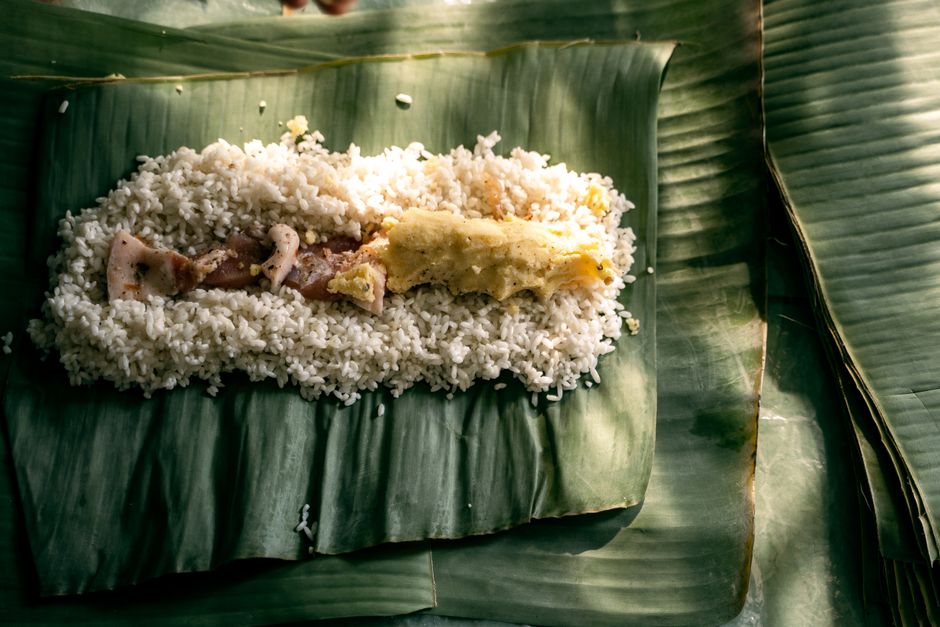
The banana leaf is perhaps the most misunderstood element of this dish by the average home cook, but it is entirely non-negotiable if you want to achieve the professional standard. Beyond the aesthetic appeal, the leaves act as a natural steaming vessel. They are semi-permeable, allowing the pork to braise in its own juices while sealing in the precious aromatics that would otherwise evaporate in a standard roasting pan. When handled correctly, the leaves impart a subtle, vegetal flavor—a hint of scorched hay and deep forest air—that is synonymous with the pib cooking method.
Sourcing and Prep
When shopping for banana leaves, head to a local Latin or Asian grocery store. They are typically sold frozen in the freezer section. Once home, do not simply wrap the cold, brittle leaves around your meat. You must "temper" the leaves over an open flame on your stovetop. Pass the leaf quickly over the burner flame for just a few seconds; you will see the leaf change color from a dull matte green to a deep, vibrant, shiny emerald. This process makes the leaf pliable and releases the aromatic oils, preventing it from cracking when you fold it around your pork.
The Architecture of the Wrap
Layering is crucial here. You are effectively building a secondary skin for your pork. Start by lining your deep roasting pan with a double layer of tempered banana leaves, ensuring they hang over the edges by several inches. Place your marinated pork chunks in the center, pour the remaining marinade over the meat, and then fold the overhanging leaves inward to create an airtight package. If the leaves don't fully cover the top, use an additional leaf to patch the hole. This seal is your insurance policy; it creates a pressurized environment that keeps the meat hydrated throughout the long, slow roast.
Mastering the Oven: Low and Slow Technique
Now that your meat is wrapped and secured, the cooking phase begins. Cochinita Pibil is not a dish to be rushed. We are looking for a slow, gentle transition of the pork’s collagen into gelatin. Set your oven to 300°F (150°C). This temperature is low enough to prevent the edges of the meat from drying out while ensuring that the internal temperature climbs steadily to the target of 200°F (93°C). A consistent, low-heat environment is the secret to achieving that "pull-apart" texture that makes this dish legendary.
Timing and Monitoring
While you might be tempted to check on the progress, resist the urge to unwrap the package. Every time you open the oven or peak inside the bundle, you lose heat and moisture, disrupting the braising cycle. Estimate a cooking time of approximately 3.5 to 4 hours for a 4-pound pork shoulder. If you are cooking a larger batch, you will need to adjust accordingly. The hallmark of a perfectly cooked Cochinita Pibil is when the meat provides absolutely no resistance when prodded with a fork. It should slide apart effortlessly, strands of meat glistening with the rendered fat and deep-red spice oils.
Resting the Meat
Professional chefs understand that the work isn't done when the timer dings. After removing the pan from the oven, let the meat rest inside its banana leaf cocoon for at least 30 minutes. This resting period allows the juices to redistribute throughout the meat fibers. If you pull the pork immediately, you risk losing all that flavorful liquid into the bottom of the pan rather than keeping it inside the meat. Once rested, carefully open the leaves—be cautious of the hot steam escaping—and shred the pork directly in the pan, tossing it with the accumulated juices and fats.
The secret to the perfect shred is not the knife, but the fork. By manually pulling the pork apart while it’s still warm and soaking in the juices, you ensure that every strand is coated in the essence of the marinade.
The Essential Accoutrements: Pickled Red Onions
No serving of Cochinita Pibil is complete without its traditional counterpart: xnipec, or at the very least, a sharp, acidic pickled red onion garnish. The richness of the slow-roasted pork requires a bright, crunchy, and acidic foil to cut through the fat. Without this, the meal becomes one-dimensional, hitting only the savory and earthy notes without the lift that a high-acid pickle provides. Preparing these onions is a task you can easily complete while the pork is in the oven, ensuring they are perfectly macerated by the time the main event is ready.
Crafting the Perfect Pickle
For the best results, slice your red onions as thinly as possible—a mandoline is a great tool for this. Submerge the onion slices in a mixture of lime juice, a splash of white vinegar, a pinch of salt, and a dash of oregano. If you want to lean into the traditional Yucatecan profile, add a few slices of habanero pepper. The heat of the habanero is intense, but when tempered by the acidity of the lime, it provides a floral, fruity heat that perfectly complements the musky, smoky flavor of the achiote.
Serving Strategy
When you are ready to serve, think of the presentation as a balancing act. Provide warm corn tortillas, a bowl of the shredded Cochinita Pibil, the pickled onions, and perhaps a side of black beans. Encourage your guests to build their own tacos, starting with the tortilla, adding the pork, and crowning it with a generous heap of the onions and a touch of the lime-chili liquid. This interactive component of the meal honors the communal nature of Mexican dining, where the chef provides the elements and the guest curates the final bite to their personal taste preference.
Troubleshooting the Common Pitfalls
Even with the best of intentions, sometimes things go wrong in the kitchen. If your pork feels tough or stringy, it is almost certainly a case of under-cooking. Do not be afraid to return the pan to the oven for an extra hour if it isn't ready. Unlike a steak, which has a very narrow window of perfection, pork shoulder is a robust cut that thrives on extended heat. If you find your dish is too dry, it means the banana leaf seal was likely compromised. In future attempts, ensure you overlap the leaves more generously and perhaps add a splash of water or orange juice to the pan before sealing to ensure a humid cooking environment.
Adjusting the Spice Level
If the flavor of the achiote feels too overwhelming or one-dimensional, you may have used too much paste relative to the size of the pork. A common professional tip is to temper the intensity by adding a small amount of honey or brown sugar to the marinade. This small dose of sweetness balances the bitterness of the annatto seeds and enhances the savory notes of the spices. Conversely, if the dish lacks "punch," increase the amount of fresh lime juice in your serving garnish to provide a brighter acidity that cuts through the heavier fats.
Maintaining Temperature Control
If your oven runs hot, you may find that the edges of your meat are overcooking. A simple hack is to place your roasting pan inside a larger pan filled with a half-inch of water—essentially a water bath or bain-marie. This will stabilize the temperature of the roasting pan, ensuring that the pork cooks at an even, gentle rate, regardless of any hot spots in your oven. This level of control is what separates the casual home cook from the master, and it is a technique worth mastering for any long-duration, low-temperature roasting projects you take on in the future.
Conclusion
Mastering Cochinita Pibil is not merely about following a recipe; it is about embracing the process of transformation. By utilizing traditional techniques like the banana leaf wrap and respecting the delicate balance between the earthy achiote and the acidic bitter orange, you have successfully channeled the spirit of the Yucatan in your own home kitchen. This dish stands as a testament to the fact that great cooking often requires very little active work, provided the preparatory steps are executed with care, patience, and a deep respect for the ingredients involved.
As you serve this meal to your friends and family, share with them the history of the dish. Tell them about the pib, the labor of the harvest, and the centuries-old techniques that led to this moment on their plates. Cooking is, after all, a form of storytelling, and with this recipe, you are adding a vibrant, flavorful chapter to your own culinary repertoire. Never shy away from the complexity of ingredients like annatto or the extra steps involved in tempering leaves; these are the very elements that turn a standard Tuesday night dinner into a memorable, culturally rich experience.
Keep refining your technique with each iteration. Perhaps next time you will experiment with different wood chips in a smoker before the oven, or perhaps you will craft your own house-made achiote paste from dried seeds and toasted aromatics. The culinary arts are a lifelong pursuit, and there is always more to learn and discover. For now, take pride in the aroma filling your kitchen and the joy of the first bite. You have taken the raw, simple components of the earth and refined them into something truly extraordinary. That is the mark of a great cook—the ability to blame the chef for nothing more than an absolutely incredible meal. Happy cooking, and may your future kitchen adventures be just as rich and rewarding as this one.


Get the Next Recipe
Weekly recipes, techniques, and gear picks — straight to your inbox.
