The Home Cook’s Guide to Middle Eastern Mezze: Mastering Flavor Balancing and Plating for Authentic, Shareable Spreads
There is something undeniably magnetic about the ritual of a Middle Eastern mezze spread. Unlike the rigid structure of a Western three-course meal, a mezze table is an invitation to linger, to graze, and to engage in the beautiful, messy art of communal dining. It is less about following a prescriptive culinary path and more about curating a landscape of textures, temperatures, and vibrant, punchy flavors that bounce off one another in perfect harmony. When you lay out a variety of small plates—some creamy, some crunchy, some charred, and others bright with acidity—you are doing more than serving food; you are creating an environment where the conversation flows as freely as the olive oil.
For the home cook, the beauty of mezze lies in its inherent forgiveness and flexibility. You do not need to be a master of complex French techniques or possess a professional-grade kitchen to pull off a stunning spread. Instead, success in the kitchen here relies on your ability to balance the flavor profile of each dish while ensuring there is enough variety to keep the palate interested. Whether you are whipping up a classic hummus, charring eggplants for baba ganoush, or finely chopping herbs for a crisp tabbouleh, the focus remains on the quality of your ingredients and the patience you bring to the preparation process.
As we dive into this guide, I want you to shift your mindset from "cooking a meal" to "composing a tapestry." Every ingredient, from the bitterness of a perfectly cured black olive to the floral notes of a premium sumac, plays a vital role in the overall symphony. We will explore how to source correctly, how to utilize time-honored techniques like the tahini emulsion, and how to plate your creations to turn a humble Tuesday dinner into a celebratory feast. Welcome to the world of mezze—where your kitchen is the canvas, and every bowl is an opportunity to tell a story of heritage, warmth, and flavor.
The Foundation: Mastering the Art of Dips and Spreads
The backbone of any legendary mezze spread is its dips. These are not merely sides; they are the anchors of the table. A truly exceptional hummus relies on the quality of your chickpeas and, more importantly, the texture of your tahini. To achieve that silk-like consistency that professional chefs strive for, you must be willing to invest time in the preparation. I recommend soaking dried chickpeas overnight with a teaspoon of baking soda to soften their skins. When boiling, skim the foam continuously to remove the bitterness, and cook them until they are falling apart at the slightest touch.
The Science of the Emulsion
The secret to a world-class dip is the emulsion. When combining your base (chickpeas, roasted eggplant, or yogurt) with tahini and lemon juice, you are essentially building a sauce. Use ice-cold water—just a tablespoon at a time—while pulsing your food processor. This process lightens the color of the tahini and creates a fluffy, aerated texture that coats the tongue. It is a technique used in professional kitchens to ensure the dip is never heavy or cloying.
"A mezze spread is not about the individual dish; it is about the dialogue between the cold, the hot, the acidic, and the earthy. If you balance the table, you balance the mood."
Always taste as you go. The acidity from the lemon should cut through the richness of the sesame paste, but it should never overwhelm it. Aim for a profile where the nuttiness of the tahini lingers longest on the finish. If you find the flavor too one-dimensional, a pinch of ground cumin or a touch of smoked paprika can add the necessary depth to elevate your dip from standard to sensational.
The Charred Garden: Working with Vegetables
Vegetables are the heart and soul of Middle Eastern cuisine. While meats are often present, they rarely take center stage in a traditional mezze spread. Instead, you are looking to coax out the natural sugars and smoky depths of seasonal produce. Roasting vegetables at high temperatures—often directly over an open flame—is the preferred method for achieving that deep, smoky char that defines dishes like baba ganoush or roasted cauliflower with harissa.
Charring Techniques for Home Cooks
If you don't have a gas grill, your home oven’s broiler is your best friend. To achieve the charred skin on eggplants, set your broiler to "High" and place the whole eggplant on a rack as close to the heat as possible. Turn it every five minutes until the skin is blackened and the flesh has collapsed. This creates a natural "smoke" flavor that cannot be replicated by liquid smoke or spices. Let the vegetable sweat in a covered bowl for 10 minutes; this allows the steam to loosen the skin, making it effortless to peel away.
Eggplant*: Must be charred until completely soft.
Cauliflower*: Florets should be roasted at 425°F (220°C) with enough oil to crisp the edges.
Zucchini*: Should be sliced into ribbons and quickly seared to maintain a "snap" of freshness.
The interplay of temperature is vital. Serve your charred vegetables at room temperature or slightly warm, never straight from the fridge. When vegetables are chilled, their inherent sweetness is muted; bringing them to room temperature allows the aromatics—garlic, mint, parsley, and lemon zest—to bloom fully in the mouth.
Freshness and Crunch: The Role of Salads and Herbs
If the dips are the anchor, the salads are the breeze. A mezze spread feels heavy if it lacks vibrancy and crunch. This is where the tabbouleh and fattoush come in. The cardinal rule of any Middle Eastern herb salad is that the herbs should be the star, not the filler. If you are making tabouleh, the ratio should be heavily in favor of finely chopped flat-leaf parsley and mint, with only a small portion of bulgur wheat to provide a delicate, chewy texture.
Precision in Chopping
Avoid the food processor for your salads. The blade will bruise the delicate leaves of the parsley, causing them to oxidize and turn mushy. Use a very sharp chef's knife and a "rocking" motion to gently chop your herbs. You want tiny pieces, not a green paste. This attention to detail ensures that the salad stays crisp for the duration of your gathering, rather than wilting into a pool of acidic liquid within thirty minutes of assembly.
"Fresh herbs are the currency of the Middle Eastern kitchen; spend them generously and keep them bright."
Use double the herbs* you think you need.
Salt the vegetables* just before serving to prevent the salad from becoming soggy.
Sumac* is non-negotiable; its tart, berry-like acidity is what defines the flavor profile of a true fattoush.
For fattoush, the key is the crunch of the pita. Don't simply buy chips. Take stale pita, brush it with olive oil and a heavy dusting of sumac, and bake it at 375°F (190°C) until it is golden brown and shatteringly crisp. Add these to the salad at the very last second. The contrast between the cold, crisp radishes and cucumbers and the warm, crunchy pita is exactly what makes the dish irresistible.
The Protein Element: From Skewers to Kibbeh
While meat is not mandatory, it is often a welcome addition for a heartier spread. When selecting proteins, think about hand-held convenience. Mezze is meant to be eaten with your fingers or with a piece of warm flatbread. Think of small, bite-sized portions like lamb kofta, which are essentially spiced, ground meat kebabs, or kibbeh, a mixture of bulgur and ground meat that can be shaped into croquettes.
Spicing the Meat
The spicing of Middle Eastern meat relies heavily on allspice, cinnamon, and coriander. Unlike the heavy, dried-rub approach used in American barbecue, Middle Eastern meat preparation focuses on integrating the spices directly into the grind. If you are making kofta, add finely grated onion (squeezed of its liquid) and a generous handful of chopped parsley directly into the meat. This keeps the interior juicy while the high heat creates a caramelized exterior crust.
Whether you choose chicken souvlaki or slow-roasted lamb shoulder, keep the portion sizes small. A mezze table is about variety. You want your guests to be able to taste a little bit of everything without feeling overwhelmed by a massive, single protein serving. This is the logic of the small plate—a culinary philosophy that encourages sampling and prevents palate fatigue.
Plating: Crafting a Visual Feast
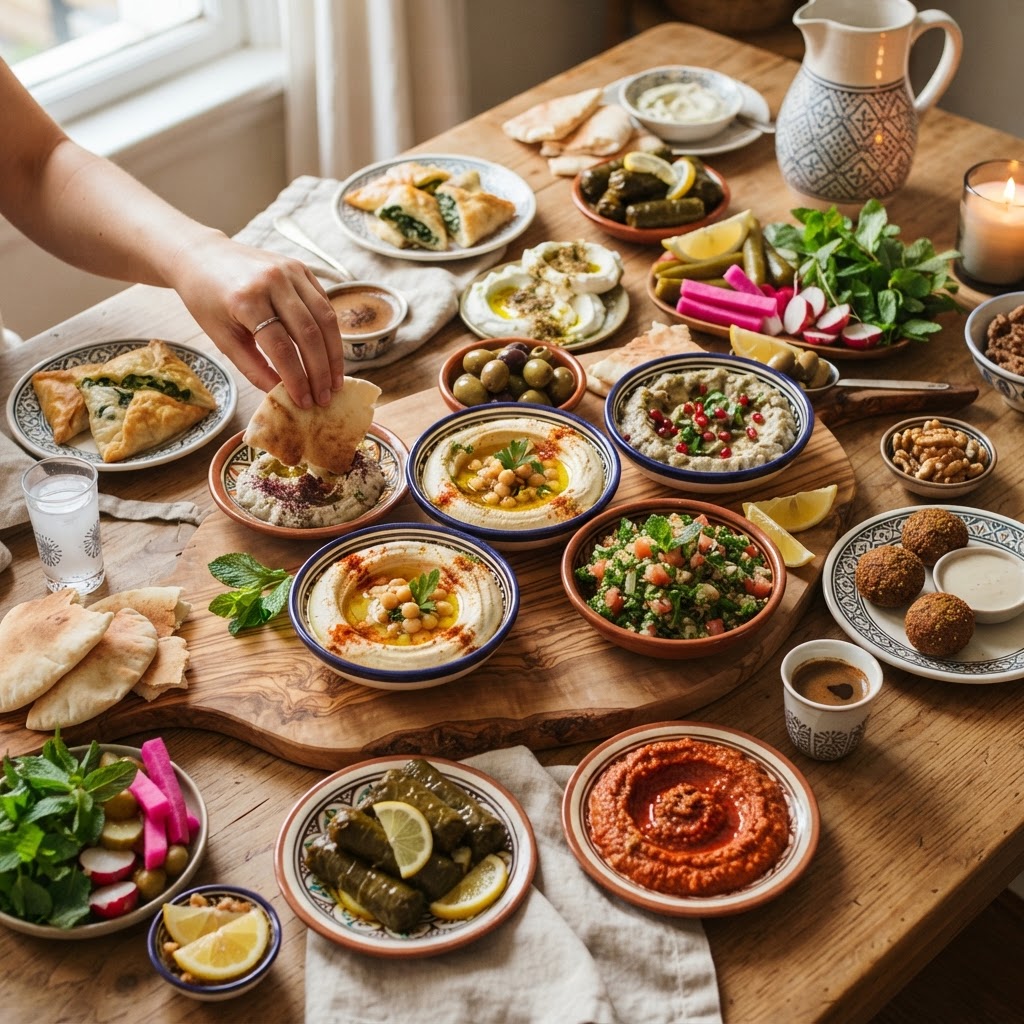
Plating for mezze is perhaps the most overlooked part of the process, yet it is what separates a "buffet" from a "spread." Because the dishes themselves are often earthy in color—browns, beiges, and deep greens—you need to use garnish and negative space to make the food pop. Use a variety of bowl sizes and heights to create visual interest. A flat platter of pita should sit next to a deep bowl of bright red muhammara (a roasted red pepper and walnut dip).
The Power of Garnish
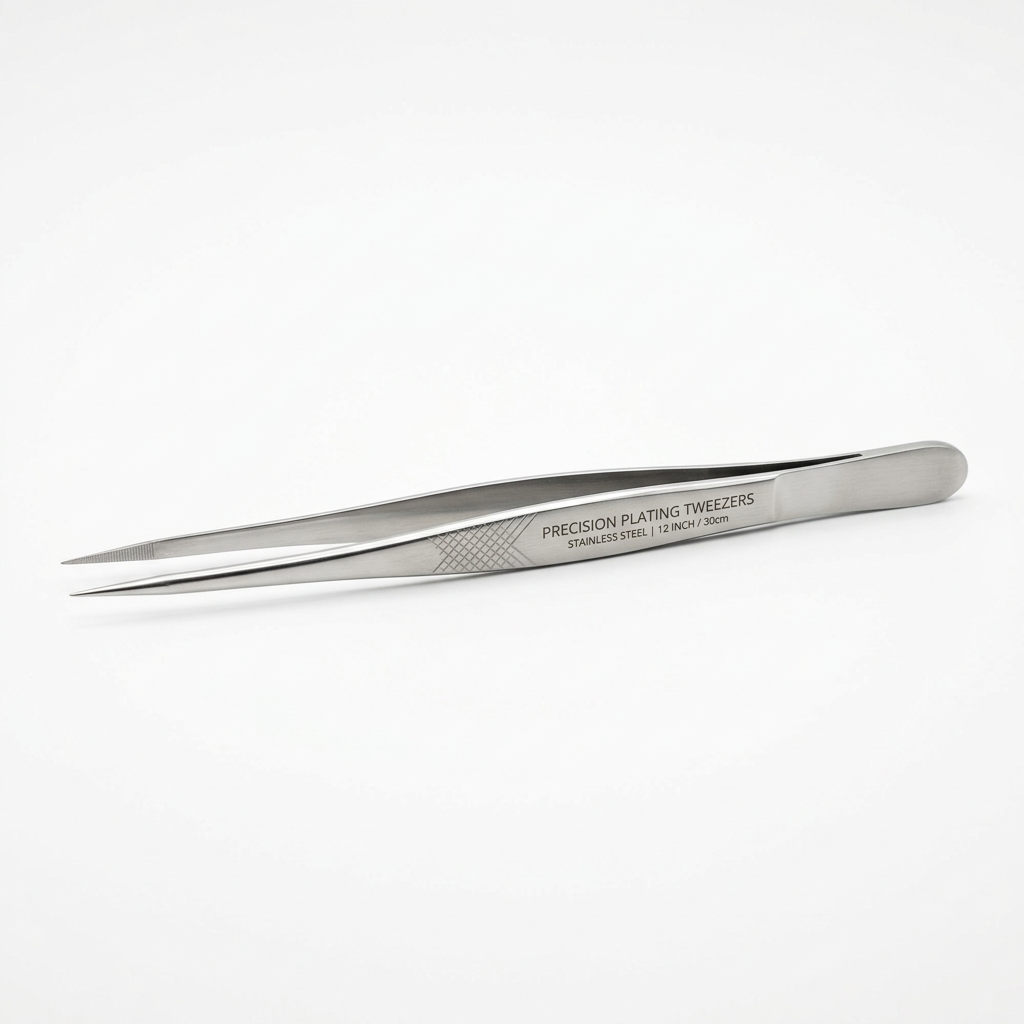
Every bowl should have a "finish." For dips, use the back of a spoon to create a circular well in the center of the mixture. Fill this well with high-quality extra virgin olive oil, then sprinkle with a secondary texture: toasted pine nuts, a dusting of paprika, a few pomegranate seeds, or a scattering of fresh parsley. These small touches signal to your guests that the dish was crafted with intent and care.
Color contrast*: If the dish is light (like hummus), use dark toppings (like sumac or olives).
Height*: Use small wooden boards or inverted bowls under certain dishes to create varying elevations on the table.
Uniformity*: Ensure your pita bread is cut into clean, manageable triangles and kept warm in a cloth-lined basket.
Your table should look bountiful, but not cluttered. Leave room for plates and glasses. The goal is an atmosphere of abundance. When guests see a table filled with bowls of varying shapes and colors, they instinctively relax. They understand that there is no "correct" way to start; they are free to mix and match as they please. That is the true essence of hospitality in this culinary tradition.
The Role of Bread: The Vehicle of Flavor
In a Middle Eastern spread, bread is not just a side dish; it is an eating utensil. If your bread is mediocre, the entire meal suffers. Whether you are using pita, lavash, or a crusty taboon bread, it must be fresh. If you are buying pita from the store, I highly recommend throwing it in a toaster or brushing it with a little oil and warming it in a 350°F (175°C) oven for three minutes. This restores the fluffiness of the interior and gives the crust a slight chew.
The Bread Basket Ritual
Do not simply toss the bread on the table. Wrap it in a clean linen cloth to keep it warm. Cold, hard bread is the enemy of a good dip. You should also consider offering a variety of textures—perhaps a soft, pillowy pita alongside a thinner, crispy flatbread. This allows your guests to choose the right "vehicle" for each dish. A thick, soft pita is perfect for scooping up dense hummus, while a crisp piece of lavash works better for a lighter vegetable salad.
"Bread is the bridge between the hand and the plate; respect it, warm it, and serve it with love."
Pita Pockets*: Ensure they are soft and pliable.
Toasted Bread*: Can be seasoned with Za'atar and olive oil for an extra layer of flavor.
The Bread to Dip Ratio*: Always provide more bread than you think you will need. People will naturally consume more when they have a fresh piece of bread ready to dip into the next bowl.
If you are feeling ambitious, making your own pita is an incredibly rewarding experience. The process is simple: flour, yeast, water, salt, and a very hot oven. When the steam inside the dough hits the intense heat, it puffs into that iconic pocket. Seeing your own homemade bread rise in the oven is one of the most satisfying moments for a home cook. It elevates the meal from a grocery-store assembly to a true culinary achievement.
Final Thoughts: The Joy of the Mezze Table
Mastering the art of Middle Eastern mezze is a journey that begins with a single bowl of hummus and expands into a lifetime of culinary exploration. You have learned that the foundation lies in the quality of your ingredients, the precision of your techniques—like the perfect tahini emulsion and the art of the open-flame char—and the importance of balancing flavors to create a dynamic, inviting spread. Remember that the ultimate goal is not perfection, but rather the creation of a space where food acts as a catalyst for connection.
When you look at your table at the end of a long evening, don't look for the "leftovers." Instead, look for the empty bowls. That is the sign of a successful mezze spread. It means the dips were scooped clean, the salads were devoured, and the bread was put to good use. You have successfully navigated the complexities of flavor balancing, plating, and hosting, and you have done it in a way that feels authentic and deeply personal.
As you continue to refine your skills, don't be afraid to experiment with seasonal variations or to introduce your own twists on these classic foundations. Mezze is an evolving tradition, one that thrives on the creativity of those who prepare it. Keep your herbs fresh, your olive oil high-quality, and your table open to friends and family. The beauty of this cuisine is that it is designed to be shared, and with every spread you host, you are keeping that spirit of communal joy alive. Now, go forth, sharpen your knives, and start building your first masterpiece. Your kitchen is ready, your ingredients are waiting, and your guests are undoubtedly in for a treat. Happy cooking, and remember—if the hummus is smooth and the bread is warm, you are already halfway to greatness. Take your time, enjoy the process, and let the flavors speak for themselves. You have everything you need to become the master of your own mezze table, and I cannot wait to see what you create next in the "Blame The Chef" spirit of culinary adventure and experimentation. Keep seasoning, keep tasting, and above all, keep gathering around the table. The most important ingredient in any mezze spread will always be the company you keep.
Get the Next Recipe
Weekly recipes, techniques, and gear picks — straight to your inbox.
