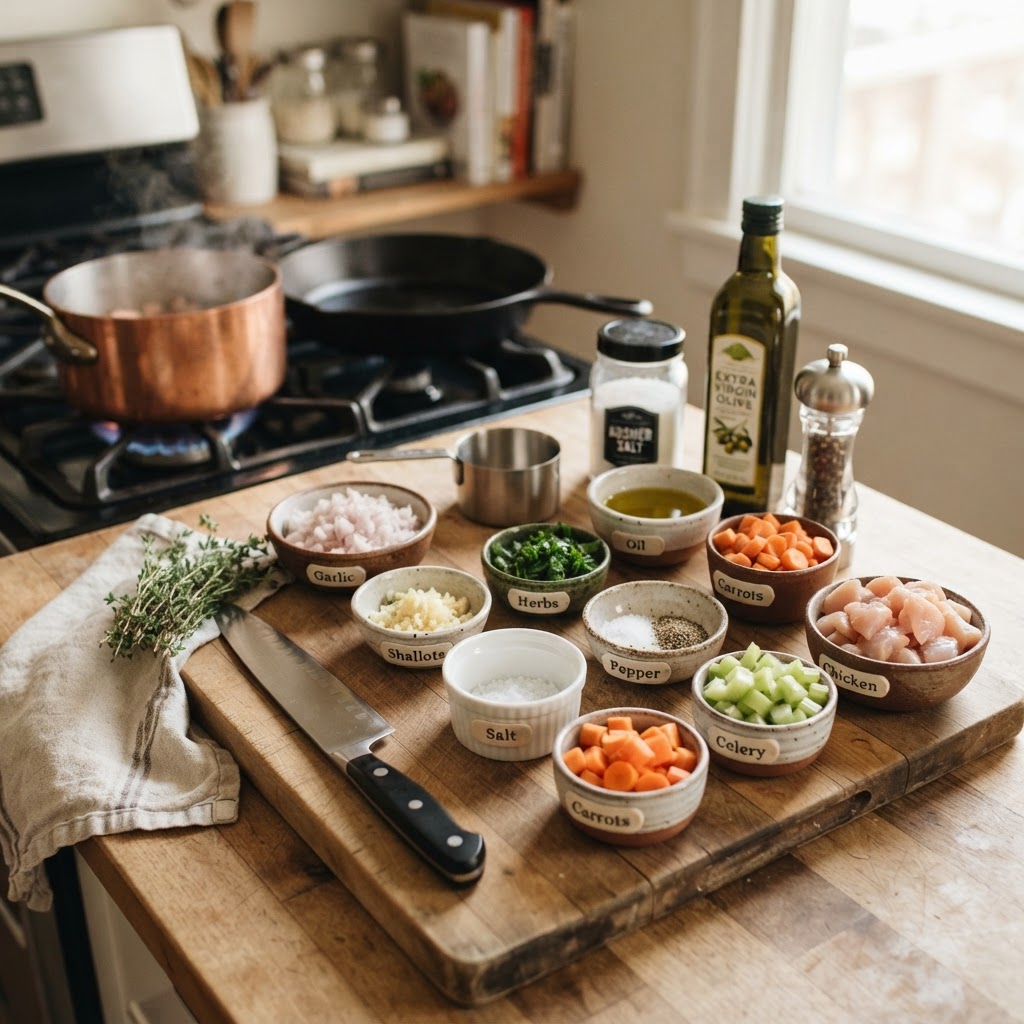
The Home Cook’s Guide to Mise en Place: How Proactive Prep Eliminates Kitchen Chaos
Have you ever stood in the center of your kitchen while a pan smoked on the stove, frantically searching for a half-chopped onion, only to realize the oil is burning and your garlic is still unpeeled? We have all been there, trapped in a cycle of reactive cooking that turns a potential masterpiece into a stressful, scorched reality. The difference between the panicked home cook and the composed executive chef in a high-pressure service isn't necessarily a higher IQ or better knives; it is a systematic, almost meditative approach to preparation known as mise en place. This French culinary term, which literally translates to "everything in its place," is the foundational philosophy of every professional kitchen across the globe. By embracing this mindset, you transform the act of cooking from a chaotic, time-sensitive chore into a rhythmic, enjoyable creative process.
When you fail to prepare, you are essentially asking your brain to multitask in a way that the human mind is not naturally optimized for under heat and pressure. Most home cooks mistakenly believe that prep happens while the stove is already on, scrambling to dice vegetables while the butter is already browning in the pan. This approach creates a high-stakes environment where one small distraction leads to a culinary catastrophe. By shifting your labor to the front end, you grant yourself the luxury of focus, allowing you to monitor flavor development and texture without the looming threat of an overcooked component. Once you master the art of the setup, you will find that the cooking portion of your evening becomes almost entirely passive, as you have already done the heavy lifting.
Beyond the practical efficiency, there is a profound psychological benefit to organizing your workspace before you ignite a single burner. Cooking is a sensory-rich activity, but it can quickly become overwhelming if you are buried in piles of plastic bags and unwashed produce. A clean, ordered cutting board and a series of organized prep bowls act as a buffer against anxiety, allowing you to connect with the ingredients you are handling. This post is your roadmap to reclaiming your kitchen, shedding the stress of the dinner rush, and finally cooking with the precision and grace of a professional. Put down the spatula, take a deep breath, and let’s dive into the essential mechanics of professional-grade organization.
The Philosophy of the Prep
At its core, mise en place is not just about having your ingredients ready; it is about cultivating a mindset of total preparedness. In a professional kitchen, the chef is only as good as their setup. If you walk into a Michelin-starred establishment, you will notice that every station is pristine, with every component accounted for before the first ticket prints. This isn't just about hygiene or aesthetics—it is about flow. When your ingredients are prepped, portioned, and placed exactly where your hand naturally reaches, you remove the physical and mental friction that causes mistakes.
Building Your Culinary Workflow
To implement this effectively, you must adopt a linear workflow. This begins with the read-through of your entire recipe from start to finish. Most home cooks read the first line and start cooking, only to discover at the final step that the sauce requires an hour of reduction. By reading the full recipe, you can identify hidden time-sinks and plan your sequence of events. Are there ingredients that need to be toasted? Does the protein require a sear and then a rest? By visualizing the steps before you begin, you identify potential conflicts before they occur.
The Mental Architecture of a Dish
Consider your counter space as your battlefield. You are the general, and your ingredients are your troops. If your troops are scattered, you lose. Group your ingredients by their function: aromatics together, proteins in one area, liquids in labeled containers. This spatial organization ensures that you aren't wandering around your kitchen in a daze. When you have a clear plan, your hands move with purpose, and your cooking becomes instinctive rather than reactive.
"Mise en place is the secret language of the kitchen; it is the silent agreement between the cook and the chaos that the outcome will be ordered, delicious, and achieved with grace."
Equipment: Your Tools of Order
You cannot be organized if your tools are working against you. The most important tool in any kitchen is a sharp, reliable chef’s knife. A dull knife is not just dangerous; it is a time-sink that mangles your vegetables rather than slicing them cleanly. Pair this with a high-quality, stable cutting board—ideally wood or thick high-density polyethylene—that doesn't slip while you work. If your board slides, place a damp paper towel underneath it to lock it in place. These small adjustments are the hallmarks of a pro.
The Power of Prep Bowls
If you look at a professional line, you will see dozens of stainless steel or glass prep bowls (also known as ramakins or bain-maries). These are your best friends. There is a common misconception that using many bowls creates "too many dishes," but this is a false economy. The time you spend washing a few small bowls is negligible compared to the time you lose hunting for ingredients or scrubbing a charred pot because you were too busy chopping onions to stir. Use these bowls to measure out spices, herbs, and liquids before you even consider turning on the stove.
Managing Waste with a 'Trash Bowl'
One of the most effective techniques in any professional kitchen is the use of a scrap bowl. Keep a large bowl on your work surface strictly for vegetable peels, garlic skins, herb stems, and other prep waste. Instead of walking back and forth to your trash bin throughout the cooking process, you consolidate all waste in one place. When you are finished, you empty it once. This simple habit keeps your workspace clear of clutter and significantly speeds up your workflow.
The Art of the Knife: Efficiency Through Technique
Precision in chopping is the foundation of even cooking. If your onion pieces are wildly irregular, some will turn into mush while others remain crunchy, leading to an inconsistent texture in your finished dish. Professional chefs master the uniform cut—the brunoise, dice, and julienne—not just for aesthetics, but to ensure that everything in the pan cooks at the exact same rate. Consistency is the primary goal, not speed. Speed is a byproduct of efficient, repetitive motion.
Master the Foundation Cuts
Dice:* The standard for most sautés. Aim for a consistent quarter-inch cube for ingredients like onions, carrots, and celery.
Julienne:* Long, thin strips used for stir-fries or garnishes.
Mince:* A fine chop used for garlic, ginger, or fresh herbs. Remember, for garlic, a finer mince releases more aromatics into your oil.
Chiffonade:* The proper technique for leafy greens like basil or spinach, involving stacking the leaves, rolling them like a cigar, and slicing into thin ribbons.
The Safety Protocol
Always remember the claw grip. Tuck your fingertips inward, using your knuckles to guide the blade of your knife. This keeps your fingertips safely away from the edge, allowing you to move faster with confidence. Never rush the process; muscle memory takes time to build. Focus on the rhythmic sound of your blade hitting the board—it should be a steady, hypnotic cadence. When you are comfortable, speed will naturally follow, but never at the expense of your fingers.
Timing and Temperature Control
Once your mise en place is complete, the cooking phase becomes a simple matter of temperature management. Most home cooks struggle because they try to juggle prep and heat simultaneously. With your ingredients prepared in bowls, your only responsibility is to watch the pan. Heat control is the difference between a golden-brown sear and a grey, steamed protein. Always let your pan preheat for at least two to three minutes over medium-high heat before adding fat.
Understanding Carry-Over Cooking
One of the biggest professional secrets is understanding carry-over cooking. Your food doesn't stop cooking the moment you take it off the heat. Residual heat within the protein or vegetable continues to work for several minutes after it leaves the pan. For a perfect medium-rare steak, pull it off the heat at 125°F (52°C) and let it rest; it will finish at approximately 130°F (54°C). If you wait until it hits 130°F in the pan, you will end up with a medium-well steak by the time it reaches the table.
The Importance of Ingredient Temperature
Take your proteins out of the refrigerator 20 to 30 minutes before cooking. A cold steak hitting a hot pan will cause the pan's temperature to plummet, resulting in steam rather than a crusty, caramelized sear. Similarly, ensure your butter is softened for baking and your aromatics are at room temperature. This allows for a more even cook and prevents the "thermal shock" that can ruin delicate ingredients like seafood or eggs.
"A kitchen without a plan is a kitchen of panic; take the time to set your stage, and the performance will take care of itself."
The Science of the Sauté and Simmer
When you begin the actual cooking process, you should follow the order of operations you established during your mise en place. Start with the components that require the most time—hard vegetables like carrots or potatoes—before moving to aromatics like garlic, which can burn in seconds. By the time your onions are translucent, you should be ready to introduce your proteins. This systematic addition of ingredients ensures that everything in the pan finishes at the exact same moment.
Deglazing: The Pro’s Secret
Never throw away the brown, caramelized bits stuck to the bottom of your pan—those are known as the fond. This is where the concentrated flavor lives. Once you have finished searing your meat or vegetables, add a splash of wine, stock, or even water to the hot pan to lift those bits. This technique, called deglazing, creates an instant pan sauce that elevates your dish from home-cooked to restaurant-quality. It is the final, essential step in the mise en place workflow.
Seasoning at Every Stage
Seasoning is not a singular act performed right before serving. You should be layering your seasoning throughout the cooking process. A pinch of salt when you start your onions draws out their moisture. Another pinch when you add the protein helps develop that crust. A final adjustment at the end balances the acidity and heat. This "season-as-you-go" mentality prevents the flat, one-dimensional flavor profiles that often plague home-cooked meals.
Scaling for the Home Kitchen
A common critique of mise en place is that it feels "too professional" or "excessive" for a simple weeknight dinner. However, the smaller the kitchen, the more important your organization becomes. In a tiny apartment kitchen, counter space is your most precious currency. By portioning your ingredients into bowls and clearing your board of scraps, you create the workspace you need, regardless of the size of your kitchen.
Adapting to Small Spaces
Verticality:* Use stackable prep bowls to save surface area.
Clean as you go:* If you have a downtime moment while something is simmering, wash your cutting board and knife immediately.
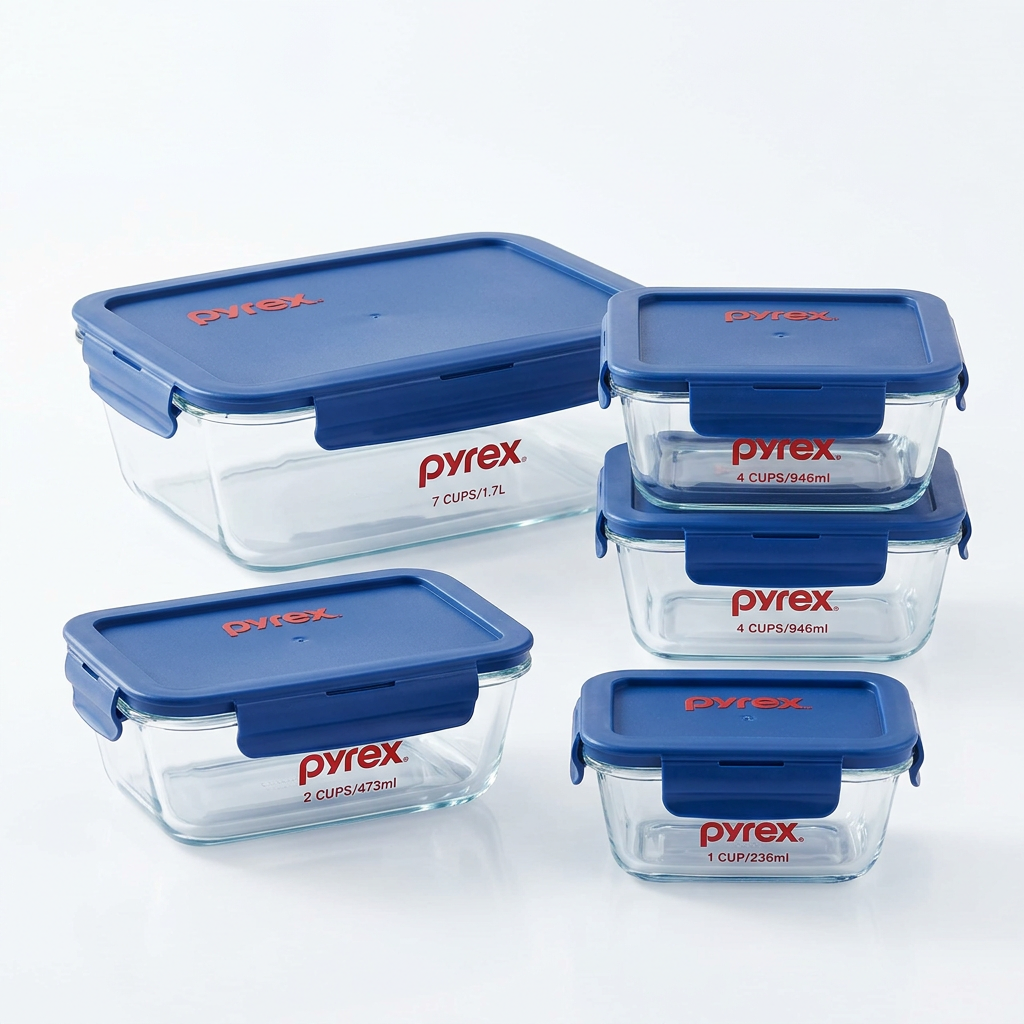
Pre-prep in batches:* If you know you are making a meal with many steps, do your prep in the morning or the night before. Storing pre-chopped vegetables in airtight containers for 24 hours is a perfectly acceptable professional strategy.
The Psychological Reset
After you finish your prep and before you turn the heat up to high, take ten seconds to reset your station. Wipe down the counter, organize your bowls, and ensure your tools are within reach. This "reset" is the professional's secret to staying calm during the dinner rush. Even if you aren't running a restaurant, treating your kitchen with this level of respect changes how you view cooking. It becomes a ritual of care rather than a battle against time.
Final Thoughts
The path to becoming a better cook is not paved with expensive gadgets or secret, hard-to-find ingredients. It is paved with habits. Mise en place is the ultimate habit, acting as the foundation upon which all other culinary skills are built. When you commit to being proactive rather than reactive, you remove the chaos from the kitchen. You stop being a slave to the stove and start becoming the master of your own culinary narrative.
As you continue your journey, remember that failure is a part of the learning process. You might over-salt a dish or lose track of your timing, but by using the structured approach of prep-first cooking, you will be able to diagnose exactly where the process broke down and fix it for next time. Professionalism is not a destination; it is a way of working. Embrace the prep, value the organization, and watch how your confidence—and the quality of your food—soars to new heights.
Stay consistent, keep your knives sharp, and never underestimate the power of a perfectly organized cutting board. The kitchen is a place of creativity and joy, and when you have your house in order, you are free to explore, experiment, and create the food you have always dreamed of making. Thank you for trusting "Blame The Chef" to guide you through these basics. Now, go forth, organize your station, and enjoy the process of creating something truly spectacular. Happy cooking!
Get the Next Recipe
Weekly recipes, techniques, and gear picks — straight to your inbox.
