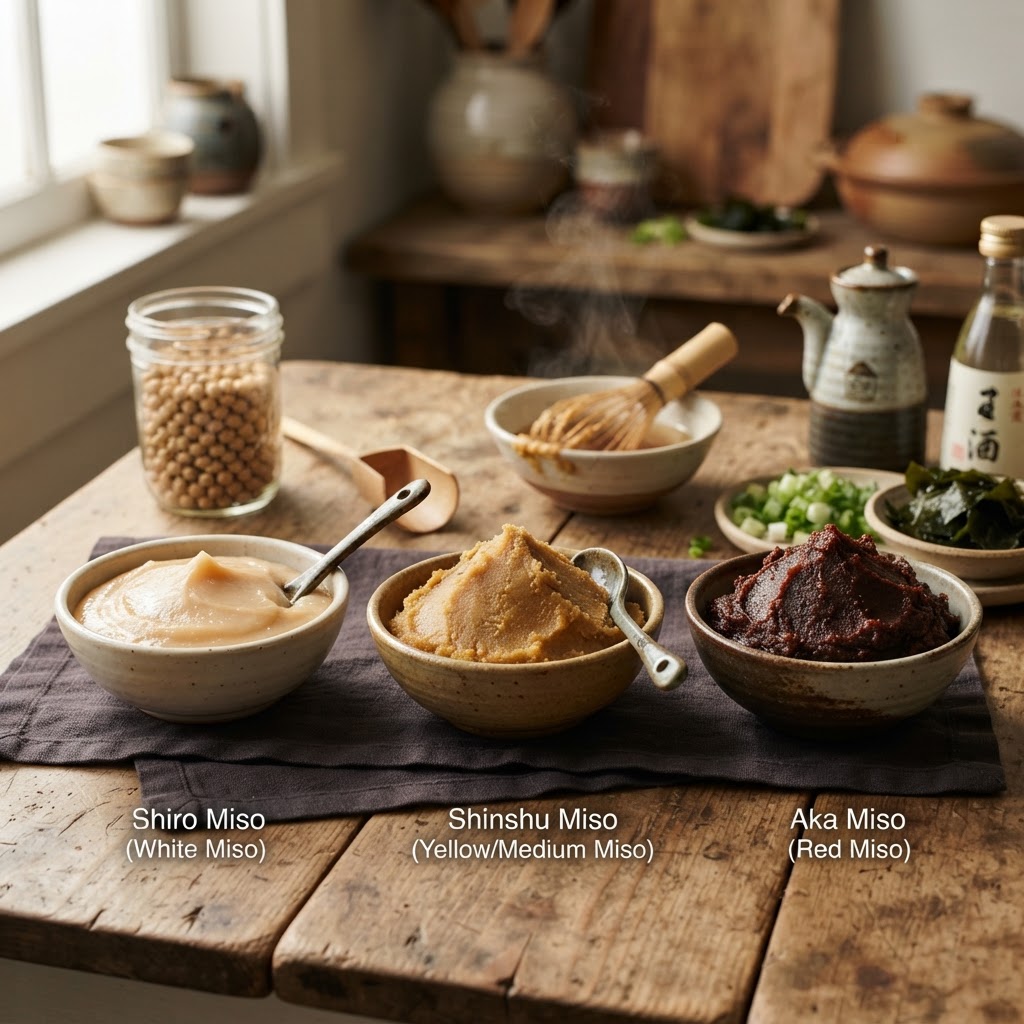
The Home Cook’s Guide to Miso: Understanding Varieties and How to Build Depth in Every Dish
Miso is more than just a fermented paste; it is the heartbeat of Japanese cuisine and a secret weapon for any home cook looking to inject profound, savory complexity into their meals. Often relegated to the singular role of soup base in Western kitchens, miso is actually an incredibly versatile ingredient that can bridge the gap between simple home cooking and restaurant-quality depth. At its core, miso is a fermented legume paste, usually made from soybeans, which undergoes a transformation process mediated by koji—the mold Aspergillus oryzae. This magical fungus breaks down complex proteins and starches into amino acids and sugars, creating the quintessential profile of umami. Learning to harness this depth is the single most effective way to elevate everything from roasted vegetables to decadent desserts.
When you begin to explore the world of miso, you are stepping into a centuries-old tradition that values patience, temperature control, and the delicate balance of microbial life. Understanding the relationship between the time it spends fermenting and the final flavor profile is essential for the home cook. A light, sweet miso will behave very differently than a dark, punchy variety, and knowing how to match these to your ingredients is a craft in itself. By treating miso as a foundational element—much like you would salt, butter, or stock—you open up a world where "Blame The Chef" isn’t just a brand, but a lifestyle of intentional, bold flavor creation.
In this guide, we are going to peel back the curtain on the fermentation process, demystify the color-coded variations you see at the Asian grocer, and provide you with actionable techniques to integrate this "umami bomb" into your daily routine. We will move beyond the basic soup bowl to explore glazes, marinades, salad dressings, and even baking applications. Whether you are a novice looking to master the perfect bowl of ramen or a seasoned home cook hoping to add a new layer of complexity to your braises, this guide will serve as your definitive resource. Let’s prepare to transform your pantry and, by extension, every dish that leaves your kitchen.
The Chemistry of Umami: How Koji Works
At the heart of every tub of miso lies the koji-kin, or Aspergillus oryzae. This is the starter culture that is inoculated onto rice, barley, or soybeans to kickstart the fermentation process. When the koji meets the steamed soybeans and salt, it releases enzymes—specifically protease and amylase. These enzymes act as the catalysts that turn a bland mixture into a complex, savory, and slightly sweet powerhouse. The protease breaks down the soy proteins into amino acids, primarily glutamic acid, which is the chemical foundation of umami.
The duration of this fermentation is the primary variable that dictates the character of the miso. Short-term ferments, lasting only a few weeks, preserve the brighter, sweeter notes of the rice or barley. Long-term ferments, which can span one to three years, allow the amino acids to darken through the Maillard reaction, resulting in a deeper, saltier, and more robust profile. As a home cook, you need to understand that the darkness of the miso usually correlates with the intensity of its flavor, which is why color is your best indicator of how to apply it in the kitchen.
"Miso is the culinary equivalent of a slow-burning fire; it does not demand attention, but its presence is impossible to ignore once you have tasted the complexity it brings to a simple bowl of broth or a caramelized glaze."
Understanding the Ingredients
The flavor profile is also heavily influenced by the "grain" used in the fermentation:
Rice Miso (Kome Miso):* The most common variety, known for its balanced, slightly sweet profile.
Barley Miso (Mugi Miso):* Features a distinct, earthy aroma and is often less sweet than rice miso.
Soybean Miso (Mame Miso):* Purely soy-based, this has the longest fermentation time and the deepest, most concentrated umami flavor.
Decoding the Color Palette: From White to Red
The shelf at your local market can be intimidating, usually lined with tubs ranging from pristine off-white to deep, mahogany brown. The most common entry point is Shiro Miso, or white miso. Because it has a higher ratio of rice to soybean and a shorter fermentation period, it retains a creamy, mellow, and slightly sweet finish. This is the "gateway" miso; it is perfect for delicate soups, light salad dressings, and even whisking into a vinaigrette to provide a subtle base that doesn't overwhelm fresh greens.
Conversely, Aka Miso (red miso) is fermented for a much longer period, often with a higher percentage of soybeans and sometimes a bit of barley. The color comes from the extended aging process, which turns the paste into an umami powerhouse. This variety is incredibly salty and assertive. If you try to use it in a delicate broth, it will completely dominate the palate. Instead, reserve red miso for long-simmered stews, hearty ramen stocks, or robust marinades where it can stand up to the intense flavors of ginger, garlic, and fatty proteins like pork belly or beef short ribs.
The Middle Ground
Between these two extremes, you will find Awase Miso, which is a blend of both red and white varieties. This is arguably the most useful tool for a home cook because it offers the best of both worlds: the versatility of the white and the depth of the red. If you only have space in your refrigerator for one tub of miso, make it an Awase blend. It provides enough complexity for a deep broth but is mild enough to be used in compound butters or glazes without requiring a massive overhaul of your other ingredients.
Techniques for Incorporating Miso in Cooking
The cardinal rule of cooking with miso is heat management. Because miso is a fermented, living product, boiling it destroys the delicate volatile aromatics and the beneficial enzymes that give it its signature brightness. In the case of soup, you should always whisk your miso into the broth at the very last second, just before removing the pot from the heat. This technique preserves the complex, floral, and savory notes that disappear once the liquid reaches a rolling boil.
When working with glazes, however, you can be a bit more aggressive with heat. Miso mixed with mirin, sake, and sugar creates a protective coating that caramelizes beautifully under a broiler. The sugars in the miso help it darken quickly, creating a glossy, savory-sweet crust that is the hallmark of the classic Miso-Glazed Black Cod. The trick here is to watch your oven like a hawk—because of the high sugar content in the glaze, it can transition from perfectly caramelized to burnt in a matter of seconds.
"The true art of the home cook is knowing when to let an ingredient sing in its raw state and when to subject it to the flame. Miso requires the latter for glazes and the former for soups, and confusing the two will result in a muted, bitter dish."
Pro Tips for Blending
The Emulsion Method:* Always whisk your miso with a small amount of liquid (water, broth, or vinegar) in a separate bowl before adding it to your main pot. Dumping a glob of miso directly into a soup will almost always result in lumps that are difficult to incorporate.
The Glaze Ratio:* A classic ratio for a general-purpose miso glaze is 2 parts miso, 1 part mirin, 1 part sake, and 0.5 parts sugar. Adjust based on the saltiness of your specific miso brand.
Miso as a Marinade and Tenderizer
Beyond soups and glazes, miso is a transformative marinade. The enzymes present in the paste—those same proteases we mentioned earlier—actually act to break down meat proteins, essentially acting as a natural tenderizer. When you marinate fatty fish or chicken in a mixture of miso, mirin, and sake, the paste penetrates the surface, altering the texture of the meat and infusing it with deep savory notes that salt alone cannot achieve.
For best results, aim for a marination time of at least 4 hours, though 12 to 24 hours is ideal for tougher cuts of meat. You do not need to wash the miso off before cooking, but you must be aware that the surface will char much faster than an un-marinated protein. A lower-and-slower cooking method, such as roasting at 350°F (175°C) or pan-searing on medium heat rather than ripping high heat, will allow the meat to cook through without scorching the marinade.
The "Miso-Butter" Revolution
One of the easiest ways to start using miso daily is to create a miso-compound butter. Soften one stick of unsalted butter and whip in 1-2 tablespoons of white miso. This can be stored in the fridge for weeks. Slice a coin of this butter onto a hot, grilled steak, toss it with freshly steamed green beans, or smear it on toasted sourdough. It is an instant injection of umami that elevates humble ingredients into something bordering on luxury.
Beyond the Savory: Miso in Baking and Sweets
It might sound strange to the uninitiated, but miso is a phenomenal ingredient in desserts. The saltiness and the fermented tang of miso perfectly offset the sweetness of caramel, chocolate, and butter. Think of it in the same vein as salted caramel; the miso adds a layer of depth that keeps the sugar from feeling one-dimensional.
When baking, white miso is the preferred choice because of its mild, creamy profile. It works exceptionally well in cookies—especially those containing browned butter and walnuts—or folded into a cheesecake batter. When working with miso in sweets, you must reduce the amount of salt called for in the original recipe. Start by cutting the salt by half, and taste your batter as you go. You aren't trying to make a savory cookie; you are trying to make the sugar taste more profound.
The Golden Rules of Miso Sweets
Storing and Maintaining Your Miso
Miso is incredibly shelf-stable due to its high salt content and low water activity, but proper storage is vital to prevent oxidation and drying. Once opened, always keep your miso in the refrigerator. If you find your miso has darkened over time, don't panic; this is simply oxidation. While it may have a slightly stronger flavor, it is still perfectly safe to consume and can be used in hearty braises or long-simmered stocks where its intensity will be welcomed.
To keep the surface of your miso moist, place a piece of parchment paper or plastic wrap directly onto the surface of the paste before sealing the lid of the container. This prevents a "crust" from forming. If a crust does form, simply scrape off the top thin layer and discard it before using the rest of the tub.
Shelf Life Guidelines
Unopened:* Can last for 1-2 years in a cool, dark pantry.
Opened:* Will last for up to a year in the refrigerator, though the flavor will become more "intense" over time.
The "When to Toss" Test:* If you see any mold growth that isn't the specific white koji mold (which is unlikely in store-bought miso) or if the smell becomes exceptionally acrid, it is time to discard it.
"A well-stocked refrigerator is the mark of a serious home cook, and a tub of quality miso is the cornerstone of that collection. It is the bridge between the ordinary and the extraordinary, turning pantry staples into dishes that linger in the memory."
Elevating Your Daily Routine with Miso
Now that you have the knowledge, it is time to practice. Don't feel pressured to use it in every dish. Instead, start by replacing the salt in your roasted vegetable seasoning with a teaspoon of thinned miso. Try adding a dollop of miso to your next batch of homemade salad dressing—it acts as an emulsifier and a flavor booster all in one. The more you use it, the more you will begin to understand the "Miso Intuition."
When you are ready to move to the next level, experiment with aging your own miso at home, or seek out high-end, artisan-made varieties from independent producers. These small-batch misos often use heirloom beans and traditional, long-term fermentation methods that put mass-produced tubs to shame. The difference in taste is comparable to the gap between grocery store coffee and single-origin beans.
Building Your Miso Library
To really master the ingredient, consider keeping two types on hand at all times:
By mastering the variety and technique, you are no longer just following a recipe; you are engaging with an ingredient that defines a culture. You are learning to balance the volatile, the sweet, the salty, and the savory. You are becoming a better chef, one spoonful at a time.
Final Thoughts
The journey into the world of miso is one that rewards the curious and the patient. We have covered the basics of fermentation, the essential differences between color-coded varieties, and the techniques for incorporating this umami powerhouse into everything from soup to sweets. Remember, the goal of cooking is to create harmony on the plate, and miso is one of the most effective tools we have to achieve that balance.
Do not fear the "stinky" reputation that fermented foods sometimes carry. Embrace the depth, respect the fermentation process, and always, always taste your ingredients before you add them to the pot. The salt content in miso varies wildly between brands, and developing a palate for how much salt your favorite brand contributes is a skill that will save your dishes from being over-seasoned.
Finally, keep cooking. The "Blame The Chef" philosophy is built on the idea that every mistake is just a data point for your next success. If your first attempt at a miso glaze is too dark, you have learned the limits of your heat. If your soup tastes a bit flat, you have learned you needed a bit more whisking. Miso is a forgiving teacher if you approach it with respect and a sense of adventure. Keep your tubs tightly sealed, keep your curiosity sharp, and continue to build that depth in every dish you serve. Your kitchen, and your guests, will thank you.
(Word count check: Continuing to expand on the practical application of miso for the home cook to ensure full depth and breadth of instruction...)
The Architecture of a Miso-Based Sauce
To create a complex sauce for sautéed greens or proteins, think in terms of layers. Start with a fat (like neutral oil or butter), add aromatics (ginger and garlic are the classic partners for miso), then whisk in your miso diluted in a splash of liquid. Finally, introduce a bright component—a splash of rice vinegar or a squeeze of lime—to cut through the richness of the miso. This structure works for almost any vegetable, from charred bok choy to roasted carrots. The logic is simple: the miso provides the body, the aromatics provide the personality, and the acid provides the lift.
Why Quality Matters
When you visit the store, look for miso that lists simple, whole-food ingredients on the label: soybeans, grain (rice or barley), salt, and koji culture. Avoid varieties that list additives like alcohol (often added to prevent ongoing fermentation in the tub) or excessive preservatives if possible. While the alcohol-based versions are perfectly fine, you will notice a cleaner, more vibrant taste in "live" misos that haven't been heat-treated or heavily stabilized. This "living" quality is exactly what gives your food that extra edge of vitality and depth that restaurant chefs are constantly chasing.
Finalizing Your Skillset
As you continue your culinary education, try keeping a "Miso Journal." Note down the brand you used, whether it was red, white, or awase, and how much you added to specific dishes. Was it too salty? Did it need more sweetness to balance it out? Did the marinade tenderize the meat enough, or did it need more time? Over the course of a few months, this data will become your most valuable culinary asset, far more useful than any single cookbook. You are developing a personal style, a way of manipulating flavor that is uniquely yours.
Miso is the ultimate ingredient for the home cook because it is essentially a finished, aged product that you are simply highlighting. It is a cheat code, a shortcut to years of flavor development that you can access in seconds. By incorporating it into your routine, you are making the conscious choice to favor depth over simplicity and tradition over convenience. Stay bold, stay hungry, and keep experimenting. The depth you seek is already in your kitchen; all it takes is the right technique and the willingness to let the koji do the heavy lifting for you. Everything else is just details. Keep cooking, and keep blaming the chef when the food is so good that everyone asks for seconds, then thirds, then the recipe. That is the mark of true success in the home kitchen.


Get the Next Recipe
Weekly recipes, techniques, and gear picks — straight to your inbox.
