
The Home Cook's Guide to Moroccan Tagine: Mastering Slow-Cooked Stews with Exotic Spices
There is something undeniably transformative about the slow, rhythmic bubbling of a clay vessel atop a stove, filling a home with the heady, intoxicating scent of ginger, saffron, and preserved lemons. For the uninitiated, the Moroccan tagine often feels like an intimidating culinary mountain to climb, wrapped in the mystery of North African traditions and specialized cookware. However, at its heart, the tagine is perhaps one of the most forgiving and soul-satisfying cooking methods ever devised by humanity. By harnessing the power of steam and low, consistent heat, you aren't just cooking dinner; you are engaging in a centuries-old ritual that prioritizes patience over frantic preparation. Whether you are a seasoned home chef or someone who only recently traded a microwave for a skillet, mastering this dish will fundamentally shift your approach to braising and flavor layering forever.
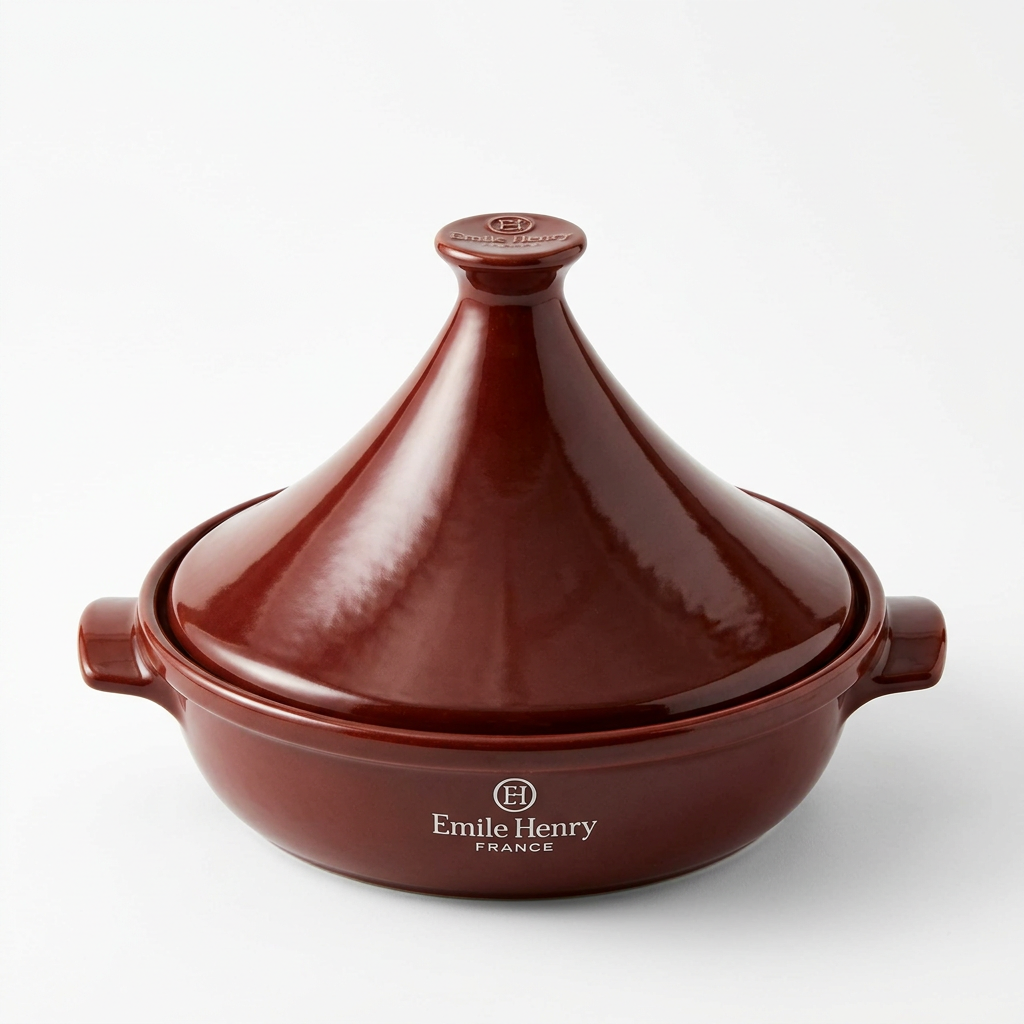
The beauty of the tagine lies in its unique architecture, specifically the conical lid designed to circulate moisture back into the food as it gently simmers. As the steam rises into the cooler reaches of the funnel-shaped lid, it condenses and trickles back down the sides, ensuring that even the toughest cuts of meat become fork-tender while the vegetables retain their structure and sweetness. This is the ultimate slow-cooked stew technique, relying on the gentle degradation of collagen and the harmonious marriage of spices to create a depth of flavor that is impossible to replicate in high-heat cooking. We are talking about building a foundation of taste that evolves as the dish sits, making the tagine a rare meal that arguably tastes even better the next day. By learning to balance the "Ras el Hanout" profiles—the complex spice blends that serve as the backbone of Moroccan cuisine—you gain the confidence to create your own signature variations.
In this guide, we will strip away the mystery and focus on the technical nuances that elevate a simple stew into a masterpiece of texture and aroma. We will explore the vital role of the Maillard reaction during the initial searing phase, the precision needed to balance sweet and savory elements, and the essential etiquette of serving this dish at the table. You will learn how to select the best cuts of meat, why the ratio of aromatics is non-negotiable, and how to troubleshoot the consistency of your sauce. It is time to stop viewing the tagine as an exotic outlier and start seeing it as the most reliable, impressive, and comforting tool in your kitchen arsenal. Prepare to slow down, embrace the process, and let the stove do the heavy lifting while you reap the rewards of a perfectly executed, authentic North African feast.
The Anatomy of the Perfect Tagine
To master the tagine, one must first respect the vessel itself, whether you are using the traditional unglazed clay pot or a modern enameled cast-iron substitute. The authentic clay tagine acts as a natural heat regulator, providing an earthy undertone to the ingredients that metallic pots simply cannot mimic. If you are using a new clay vessel, remember that seasoning is mandatory; you must soak it in water and rub it with olive oil before its first use to prevent cracking and to seal the pores of the ceramic. This preparation ensures that the vessel can withstand the temperatures required for long, slow braising without compromising its structural integrity.
Understanding Heat Management
Heat control is the most critical aspect of the tagine process. Unlike a Dutch oven that is designed to be placed in an oven, the traditional tagine is intended for use over a gentle flame. If your stove's flame is too high, you risk scorching the base and cracking the pot. Always use a heat diffuser—a flat metal disc that sits between the burner and the tagine—to distribute the heat evenly. This prevents hot spots and allows for the low-and-slow simmering that defines the dish. Keep your temperature dial on low or medium-low throughout the entire process, as the goal is to maintain a steady, barely perceptible simmer rather than a rolling boil.
Ingredient Ratios and Layering
The success of a tagine depends on the layering technique. You aren't just dumping ingredients into a pot; you are building a profile. Start by creating a bed of sliced onions, which act as a trivet to prevent the meat from touching the direct heat of the base. Once the meat is nestled on top, sprinkle your spices, aromatics, and liquids. The vegetables are then layered in descending order of their required cooking time: root vegetables go near the bottom, while softer vegetables like zucchini or peppers should be placed near the top. This vertical layering ensures that everything finishes cooking at the exact same moment.
The tagine is not just a cooking vessel; it is a philosophy of patience. By allowing the steam to work its magic, you are honoring the ingredients, letting them release their essence into a sauce that becomes a liquid gold of flavor.
Mastering the Spice Palette
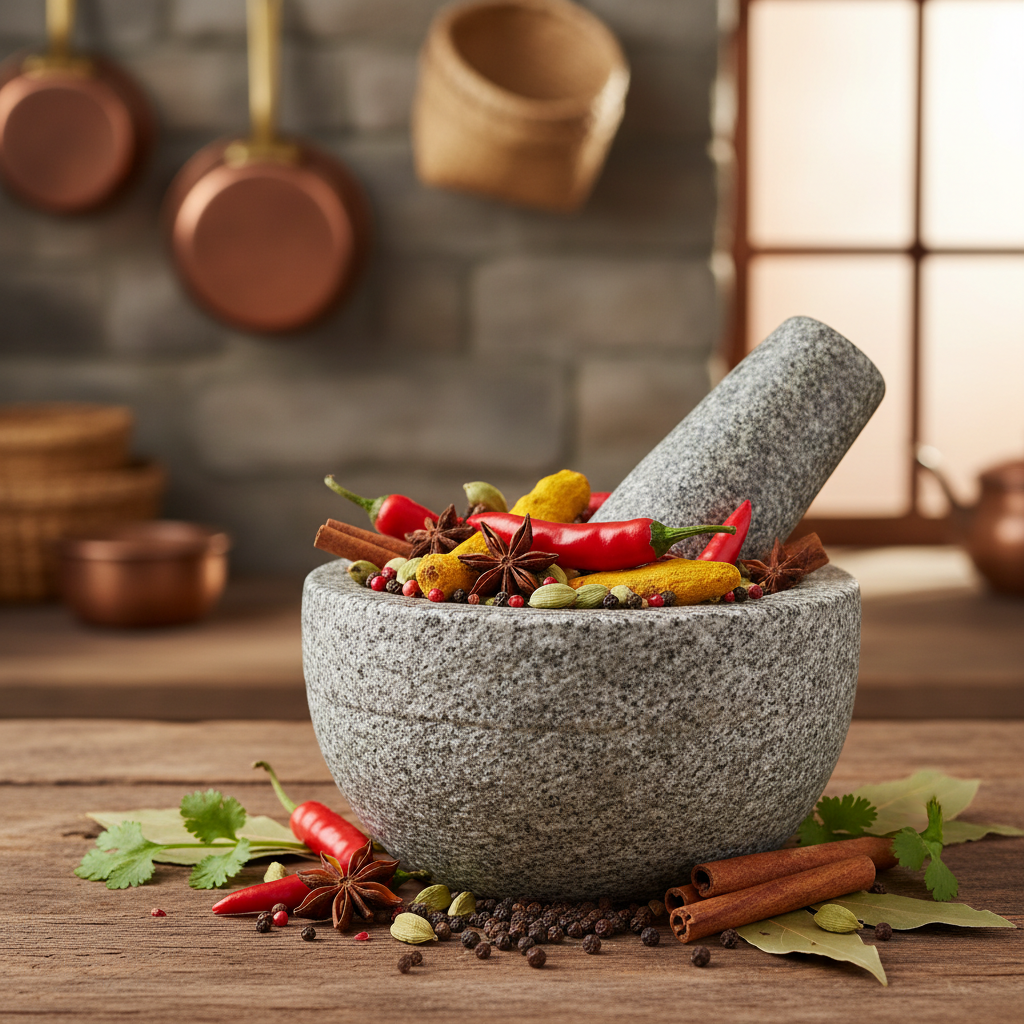
Moroccan cuisine is synonymous with complexity, yet it is rarely "spicy" in the sense of heat. Instead, it is aromatically vibrant, utilizing a balance of warming spices that stimulate the palate without overwhelming it. The cornerstone of this flavor profile is Ras el Hanout, a "head of the shop" blend that can contain dozens of individual spices. While you can purchase a pre-mixed version, there is immense satisfaction in blending your own, ensuring the freshest, most vibrant notes of cinnamon, coriander, cumin, turmeric, and ginger are present.
The Power of Saffron and Ginger
Saffron is the crown jewel of the Moroccan spice cabinet, providing a floral, metallic, and earthy note that ties the sweet and savory components together. To maximize its impact, blooming is essential. Before adding your saffron to the tagine, soak the threads in a tablespoon of warm water or broth for ten minutes. This releases the crocin—the pigment responsible for the vibrant yellow hue—and ensures the flavor is distributed evenly through the liquid. Paired with fresh, grated ginger, it creates a warming foundation that balances the richness of lamb or chicken.
Balancing Sweet and Savory
A hallmark of Moroccan cooking is the juxtaposition of sweet elements with savory proteins. Dried fruits such as apricots, prunes, and dates are often simmered alongside the meat, softening and releasing their sugars into the sauce. When paired with the acidity of preserved lemons or the bitterness of olives, this creates a flavor profile that covers all the bases of the human palate. The key here is timing; add your dried fruits during the last 30 to 45 minutes of cooking to ensure they become plump and tender without turning into a mushy puree.
Selecting and Preparing Proteins
Whether you are opting for traditional lamb shank, chicken legs, or a hearty vegetarian version with chickpeas and squash, your choice of protein determines the texture of the finished tagine. For meat-based tagines, always opt for cuts that have a high amount of connective tissue. This collagen will break down over the long, slow braise, transforming into gelatin that provides a luxurious, silky mouthfeel to the sauce. Avoid lean cuts like chicken breast or pork tenderloin, as they will dry out long before the aromatic base has reached its potential.
The Searing Process
While some traditionalists argue that tagines do not require searing, modern chefs understand that the Maillard reaction—the chemical browning of meat—is the primary source of umami. Before assembling your tagine, brown your protein in a separate heavy-bottomed skillet in olive oil or clarified butter (smen). You want a deep, mahogany crust on all sides. This step locks in moisture and adds a depth of flavor that is essential for a restaurant-quality finish. Deglaze your skillet with a splash of water or stock to capture all those flavorful brown bits, and incorporate that liquid into your tagine base.
Preparing Lamb vs. Poultry
Lamb is the quintessential Moroccan protein. When preparing lamb tagine, use bone-in shoulder or shank. The bone adds a depth of flavor that is vital for the sauce. Cook lamb for at least 2.5 to 3 hours. For chicken, stick to thighs or drumsticks; remove the skin if you prefer a lighter sauce, but keep it on if you want a richer, more unctuous result. Chicken tagines cook much faster, generally requiring about 60 to 75 minutes. Remember that the poultry will absorb the flavors of the spices and fruits more readily than the denser red meats, so be mindful of your salt levels.
The Secret of Preserved Lemons
If there is one ingredient that separates a generic stew from an authentic Moroccan tagine, it is the preserved lemon. Unlike fresh lemon juice, which offers a bright, volatile acidity, preserved lemons offer a mellow, fermented, and deeply savory citric depth. The curing process removes the harsh bitterness of the rind, leaving behind a salty, concentrated essence that cuts through the fat of the meat and balances the sweetness of the fruit.
How to Use Them Effectively
When using preserved lemons, you must be judicious. The rind is where the magic lives; the pulp can often be quite acidic and should be used sparingly. Use a sharp knife to scrape away the interior pulp and slice the rind into thin, translucent strips. These strips should be added toward the very end of the cooking process to maintain their aromatic integrity. If you are adventurous, you can make your own: simply pack lemons in a jar with sea salt and their own juices, and let them sit in a cool, dark place for at least a month. The result is a kitchen staple that will elevate not just your tagines, but your roasted vegetables, salads, and dressings.
True culinary excellence is found in the alchemy of simple ingredients. When you combine the salt of a preserved lemon with the warmth of cinnamon and the sweetness of a date, you aren't just making a meal—you are telling a story of geography and tradition.
Aromatics, Herbs, and Finishing Touches
A tagine is a living dish, and its final presentation is just as important as the slow braise. Fresh herbs, specifically cilantro and flat-leaf parsley, are not just garnishes; they are essential finishing agents that provide a bright, herbal contrast to the earthy spices. These herbs should be finely chopped and added immediately before serving. Adding them too early will cause them to lose their color and distinct flavor, turning them into a dull, brownish element that detracts from the vibrancy of the dish.
The Role of Smen
Smen is a traditional Moroccan fermented, clarified butter with a sharp, cheesy, and potent aroma. It is the secret weapon in the pantheon of Moroccan aromatics. A small knob of smen added to the tagine in the final minutes of cooking provides a richness and a complex savory note that is impossible to emulate with standard butter or oil. If you cannot source traditional smen, a very high-quality cultured butter can serve as a suitable, albeit slightly less complex, substitute.
Toasted Nuts for Texture
Texture is often overlooked in stews, but it is the final element that makes a tagine truly exceptional. A generous scattering of toasted, blanched almonds or toasted pine nuts adds a necessary crunch to contrast with the tender meat and soft vegetables. Toast your nuts in a dry pan over medium heat until they are golden brown and fragrant, then sprinkle them over the finished tagine just before you bring the vessel to the table. This simple step adds a professional polish that signals you understand the importance of contrast in a well-balanced plate.
Troubleshooting Common Issues
Even the most meticulous home cooks run into trouble occasionally. The most common mistake is having a tagine that is too thin or watery. Because the tagine lid traps steam effectively, you may end up with more liquid than intended. If you find your sauce is too thin, carefully remove the lid during the last 20 minutes of cooking and increase the heat slightly (still using your diffuser) to allow the sauce to reduce and thicken into a syrupy, concentrated glaze. Do not rush this; it is the final reduction that binds all the flavors together.
Dealing with Saltiness
Because ingredients like olives and preserved lemons are high in sodium, it is incredibly easy to over-salt a tagine. Always taste your sauce before adding the preserved lemons or olives. If you find the dish has become too salty, do not panic. Adding a touch more sweetness—perhaps a teaspoon of honey or a few more dried apricots—can help neutralize the salt. Alternatively, adding a small amount of starchy potato can absorb some of the excess salinity. Most importantly, learn to season incrementally throughout the process rather than dumping all your salt in at the beginning.
Ensuring Even Cooking
If you are cooking a large tagine and notice some vegetables are soft while others are hard, your layering was likely compromised. Always ensure your root vegetables (carrots, potatoes, parsnips) are cut into uniform pieces. If you are worried about uneven cooking, you can blanch the harder root vegetables for a few minutes before adding them to the tagine. This gives them a head start and ensures that the timing for the entire pot is synchronized. Remember, patience is your best kitchen tool; if the meat isn't falling off the bone, it simply needs more time.
Serving and Etiquette
The serving of a tagine is a communal, tactile experience. Traditionally, a tagine is placed directly in the center of the table, and everyone eats from the pot using pieces of warm khobz (Moroccan bread). There is a specific technique for this: use your thumb and two fingers to scoop up a portion of meat, vegetables, and sauce with the bread, effectively using the bread as both a utensil and a vessel. It is an intimate, welcoming way to share a meal, emphasizing the connection between the cook, the food, and the guests.
Choosing the Right Side
While the tagine is a complete meal, it is almost always served alongside a fluffy mound of couscous. Do not simply boil your couscous; steam it. Using a double-decker couscoussier allows the fragrant steam from the tagine or a separate broth to perfume the grains. Once steamed, rub the couscous with a bit of butter or olive oil and fluff it with a fork. It should be light, airy, and distinct—never clumped. Serve it on the side so guests can decide how much sauce they want to soak into their grains.
Setting the Atmosphere
The sensory experience of a tagine doesn't end with the taste. The visual appeal of the vibrant, ochre-colored sauce, the glistening dried fruits, and the pops of green herbs is undeniable. Serve your tagine in the clay vessel if possible, as it retains heat for an impressively long time, keeping the stew at the perfect temperature throughout the meal. Ensure your dining environment is relaxed and unhurried; this dish was designed for long, slow conversation. The tagine is not a "quick dinner" solution; it is an invitation to slow down, disconnect from the frantic pace of the modern world, and reconnect with the simple, ancient pleasure of a shared table.
Conclusion
Mastering the Moroccan tagine is a journey that rewards the patient and the curious. By understanding the science of the conical lid, respecting the art of spice layering, and embracing the slow-cooked rhythm of the braise, you have unlocked a new dimension of your culinary capabilities. This is not a dish that demands perfection on the first try; it is a dish that evolves with you. Each time you return to the pot—perhaps swapping out lamb for a seasonal vegetable blend, or experimenting with a new combination of dried fruits and nuts—you are participating in a living culinary tradition. You now possess the foundational knowledge to transform humble cuts of meat and pantry staples into something truly extraordinary.
As you move forward, I encourage you to stop viewing recipes as strict, unchangeable laws. Instead, treat them as guides, and allow your own intuition to dictate the final balance of your stew. Taste your sauce, adjust your heat, and always prioritize the quality of your base ingredients. A tagine is, at its core, an expression of the person who prepared it. When you bring that steaming vessel to your table, you aren't just serving food; you are sharing a labor of love that has bridged cultures and generations. May your tagine always be flavorful, your meat always tender, and your kitchen always filled with the intoxicating aromas of the spice trade. Keep experimenting, keep tasting, and most importantly, remember that when it comes to the art of the tagine, the best secret ingredient is always a little bit of time. Happy cooking, and may your future stews be the talk of every dinner party you host. You have the tools, the technique, and now, the confidence. Go forth and let the tagine simmer.
Get the Next Recipe
Weekly recipes, techniques, and gear picks — straight to your inbox.
