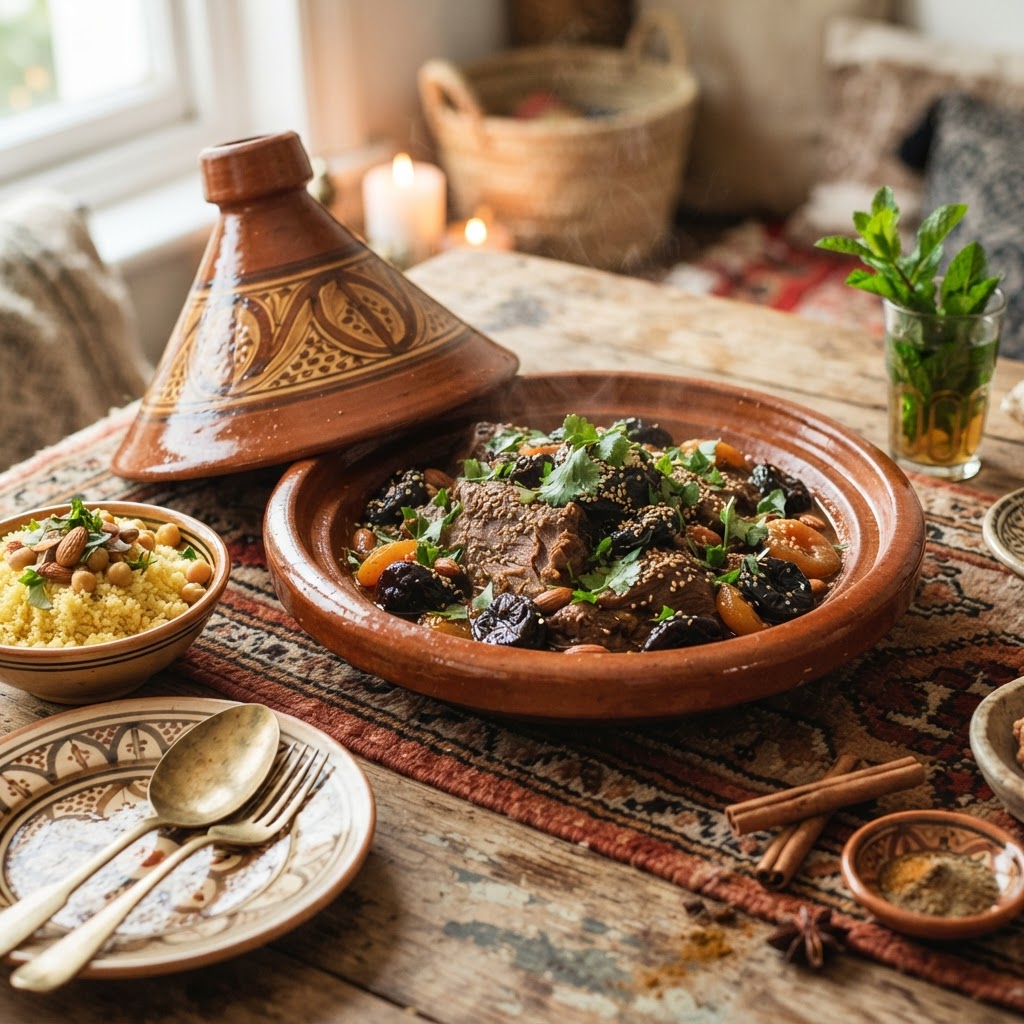
The Home Cook’s Guide to Moroccan Tagines: Mastering Slow-Cooked Aromatics and Fruit-Meat Pairings for Tender, North African Stews
The allure of the Moroccan kitchen lies in its ability to transform humble ingredients into symphonies of spice, texture, and fragrance. When we speak of a tagine, we are referencing not only the iconic, conical-lidded earthenware vessel but the soul of North African home cooking itself. Unlike Western braises that often rely on heavy stocks or thickeners, the tagine captures steam, condensing it back into the pot to ensure every morsel of meat becomes impossibly tender. This slow, gentle evaporation process allows spices like cumin, coriander, ginger, and saffron to penetrate deep into the fibers of the protein. It is a dish that demands patience, rewarding the cook with a depth of flavor that simply cannot be rushed.
For many home cooks, the leap from the traditional slow-cooker or Dutch oven to the authentic terra cotta tagine can feel daunting, yet it is one of the most rewarding transitions you can make. The magic happens in the aromatic baseline—a fragrant marriage of onions, garlic, and preserved lemons that provides the structural integrity for the dish. As the heat radiates through the porous clay, the fats from the meat render slowly, creating a luxurious, glossy sauce that requires no added flour or starch. Mastering this technique is less about following a rigid recipe and more about understanding the alchemy of balancing heat, moisture, and time. Whether you are using a lamb shank or a humble chicken thigh, the tagine offers a masterclass in culinary patience.
In this guide, we will dismantle the mystery surrounding fruit-meat pairings and explore the precise heat management required to prevent cracking your vessel. We will look beyond the standard recipes and investigate the specific spice profiles that define regional Moroccan cuisine. By the end of this journey, you will feel confident navigating the spice markets and the kitchen, armed with the knowledge to craft stews that would make a Marrakech street vendor nod in approval. Let us pull up a chair, prepare our mise-en-place, and demystify the ancient art of the slow-cooked tagine.
Understanding the Tagine: Vessel and Philosophy
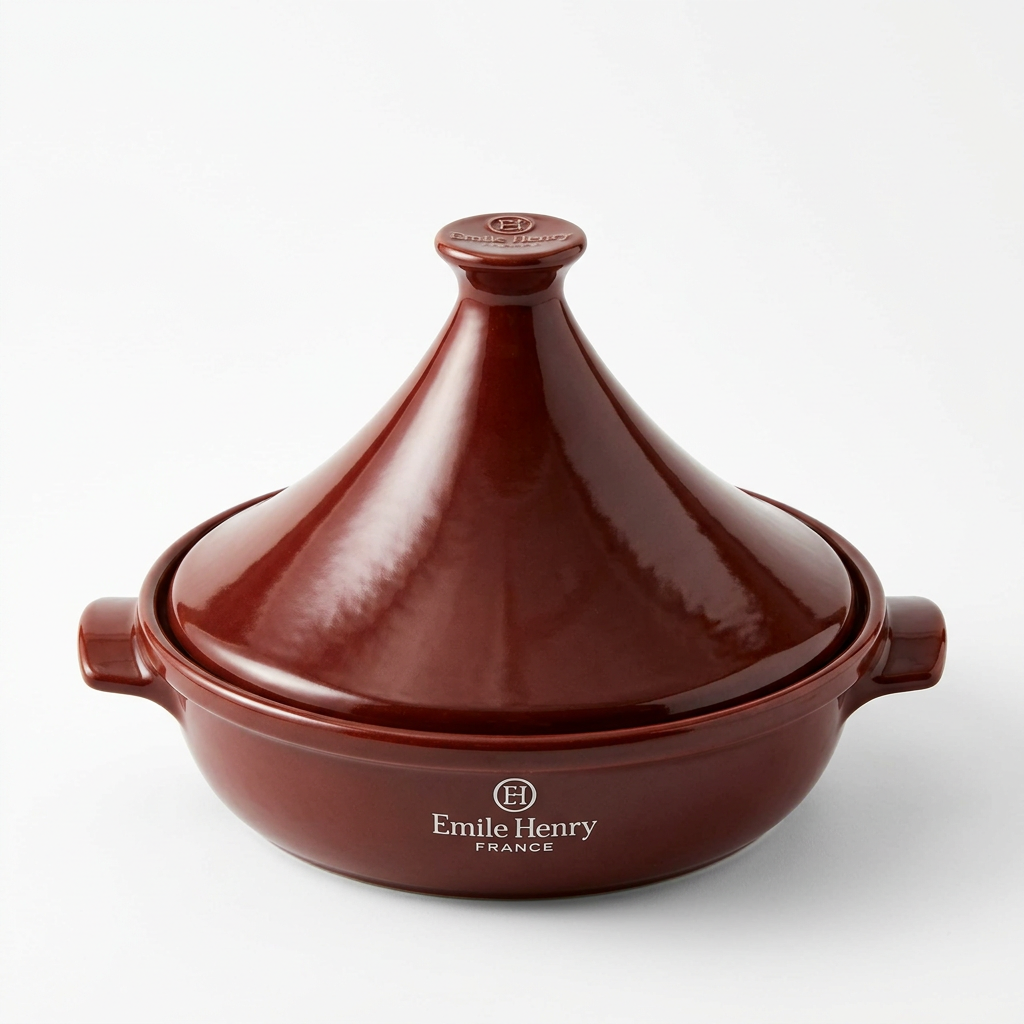
The tagine is both a functional tool and a symbolic centerpiece of Moroccan hospitality. Its unique conical shape serves a specific scientific purpose: as steam rises into the lid, it cools and condenses, dripping back down onto the ingredients. This creates a self-basting environment that keeps meats moist even through hours of simmering. Because these vessels are made of unglazed or partially glazed clay, they are sensitive to temperature changes. It is vital to never place a cold tagine into a hot oven or onto a high flame, as the thermal shock can cause the clay to crack instantly.
Seasoning and Preparation
Before your first cook, new tagines must be cured. This involves soaking the vessel in water for several hours, rubbing it generously with high-quality olive oil, and placing it in a low oven to bake the oil into the pores of the clay. This process seals the surface, ensuring that your future stews do not take on a raw clay taste. For those who do not wish to use a traditional pot, a heavy-bottomed cast iron Dutch oven will serve as a respectable substitute, though you will need to pay closer attention to your liquid ratios.
"A tagine is not just a pot; it is an atmosphere. When you cook in clay, you are cooking with the history of the earth itself, allowing the slow release of heat to transform the tough into the tender."
Heat Management 101
The cardinal rule of tagine cooking is low and slow. If you are cooking over a gas flame, you must use a heat diffuser—a small metal plate that sits between the burner and the base of the pot. This distributes the heat evenly, preventing scorching at the center of the pot where the meat rests. In an oven environment, keep your temperature at 300°F (150°C). This allows the connective tissues in lamb or chicken to break down into gelatin without drying out the surface of the meat.
The Spice Matrix: Balancing the Ras el Hanout
Moroccan cuisine relies heavily on the spice blend known as Ras el Hanout, which translates to "top of the shop." It is a complex, heady mixture that can contain anywhere from a dozen to thirty distinct spices, including cinnamon, cardamom, nutmeg, mace, and allspice. While you can purchase pre-mixed versions, creating your own blend allows you to adjust the intensity of the floral or earthy notes to suit your personal palate. Always toast your whole spices in a dry pan before grinding to release their essential oils.
The Foundation of Aromatics
Every great tagine begins with the base aromatics. This is usually a combination of finely diced white onions, minced garlic, fresh cilantro, and flat-leaf parsley. Do not rush the sweating process; the onions should be translucent and soft before any liquid or meat is added. Adding a pinch of salt early in this stage helps draw out the moisture from the onions, creating a sweet, jammy foundation that acts as a canvas for your spices.
The Role of Saffron and Ginger
If the base is the canvas, saffron and ginger are the paint. Saffron threads should be bloomed in a small amount of warm water for ten minutes before being added to the stew; this intensifies their color and floral aroma. Freshly grated ginger—not the dried powder—is the secret to the bright, spicy kick found in traditional Moroccan chicken tagines. It cuts through the richness of the fat and provides a sophisticated counterpoint to the sweetness of added fruits.
Mastering the Meat-Fruit Pairing
One of the most defining characteristics of Moroccan cuisine is the use of dried fruits in savory stews. This is not about making a dessert; it is about creating a savory-sweet balance that enhances the natural umami of the protein. Common pairings include lamb with prunes and toasted almonds, or chicken with preserved lemons and green olives. The acidity of the fruit balances the intensity of the meat, while the fruit's sugar caramelizes during the long simmer.
Handling Dried Fruits
To achieve the best results, rehydrate your dried fruits such as apricots, prunes, or figs in warm water or tea before adding them to the tagine. If added dry, they may soak up too much of your precious cooking liquid. You can also poach them separately in a little honey and cinnamon syrup to glaze them just before serving. This ensures that the texture remains plump and soft rather than becoming waterlogged and mushy.
The Art of the Finish
The final ten minutes of cooking are critical. This is when you should add your crunch element—usually toasted slivered almonds, pine nuts, or sesame seeds. These add a necessary textural contrast to the soft, melting meat and fruit. If your sauce is too thin, remove the lid for the final stretch to allow the liquid to reduce into a glossy, concentrated syrup that coats the back of a spoon.
Preserved Lemons: The Moroccan Gold
You cannot truly master the Moroccan kitchen without understanding the power of preserved lemons. Unlike fresh lemon juice, which provides a sharp, fleeting acidity, preserved lemons offer a deep, fermented, and salty tang that permeates the entire dish. The rind becomes soft and mellow, losing its bitterness and gaining a complex depth that acts as a flavor anchor for chicken and seafood tagines.
How to Prepare Them
Making your own is a simple, if slow, process. Pack quartered lemons in a jar with copious amounts of sea salt, juice of extra lemons, and a few aromatics like bay leaves, peppercorns, or cinnamon sticks. Let them sit in a dark cupboard for at least four weeks. Once ready, discard the bitter pulp and rinse the rind before slicing it into thin strips. A little goes a long way, so use them as a seasoning rather than a primary vegetable.
Why They Work
The salt content in preserved lemons helps tenderize meat by drawing moisture into the muscle fibers, while the citrus oils provide a bright, sunshine-like quality that prevents the tagine from feeling too heavy. When combined with green olives, the preserved lemon creates a quintessential Moroccan flavor profile that is both savory and intensely refreshing.
"To cook without preserved lemons is to ignore the primary key to the Moroccan pantry. They provide the necessary acidity to balance the richness of slow-cooked meats, effectively 'cleaning' the palate with every bite."
Technique Spotlight: The Smen and the Sear
Smen is a fermented, salted, clarified butter that serves as a cornerstone ingredient in Moroccan cooking. It has an intense, pungent, and funky aroma that dissipates during cooking, leaving behind a rich, nutty flavor that is impossible to replicate with regular butter. If you cannot source traditional smen from an international grocer, you can make a "quick" version by heating clarified butter with a touch of blue cheese or simply using high-quality ghee mixed with a small amount of sea salt.
The Sear
While traditionalists argue that you shouldn't sear meat for a tagine, modern chefs often find that a quick browning in a hot pan before assembly adds an extra layer of complexity. The Maillard reaction creates a depth of flavor that carries throughout the long, slow braise. If you do choose to sear, keep the fat minimal and deglaze the pan with a splash of broth to ensure you capture every bit of those browned bits.
Balancing the Liquid
Liquid management is the most common point of failure for beginners. Remember that the tagine is designed to retain liquid; you do not need to drown the meat. Use just enough broth or water to reach about one-third of the way up the sides of the protein. The vegetables—especially onions and tomatoes—will release their own water as they cook. If you open the lid and see too much liquid, simply remove the meat and boil down the sauce until it reaches a coating consistency.
Troubleshooting Common Issues
Even the most seasoned chefs encounter challenges when working with the unique physics of a tagine. If your dish is coming out too salty, it is likely the result of the preserved lemons or an over-reliance on a spice blend that already contains added salt. Always season your dish at the very end of the cooking process rather than at the start. If you find the tagine is burning, you are likely using too high a heat or failing to use a diffuser.
What if the Meat is Tough?
If the meat is still tough after the recommended cooking time, do not panic. Simply add a quarter-cup of hot water, cover tightly, and continue to cook for another 30 to 45 minutes. The collagen in the meat needs time to break down, and some cuts—like beef shank or shoulder—require more patience than others. Patience is the secret ingredient in every Moroccan kitchen.
Storing and Reheating
Tagines taste better the next day, as the spices continue to permeate the meat. To reheat, avoid the microwave, which can dry out the protein. Instead, return the tagine to a low heat on the stove, adding a teaspoon or two of water to create steam. Reheating slowly allows the fats and oils to emulsify once more, restoring that velvety mouthfeel of a fresh stew.
Serving Traditions and Etiquette
The presentation of a tagine is an act of love. Serve it in the center of the table directly in the clay pot to keep it warm and aromatic. Traditional service involves large, shallow plates and plenty of crusty bread (like khobz) for scooping up the sauce. You should always use your right hand, as is custom, to dip the bread into the sauce and pull pieces of meat away from the bone.
Accompaniments
Couscous:* The classic side, served steamed and fluffy.
Shalad:* Simple Moroccan salads made of diced cucumbers, tomatoes, and bell peppers with a vinaigrette.
Mint Tea:* Always end the meal with a glass of hot, sweetened mint tea poured from a height to create a frothy crown.
Pickles:* Fresh olives and spicy carrot pickles provide a sharp contrast.
Final Thoughts
Mastering the tagine is a journey that moves you away from the frantic pace of modern cooking and back into a space of intentionality. It is about the smell of cinnamon mingling with lamb, the sight of a bubbling, golden sauce, and the sound of conversation as you share a pot with friends. Don’t be afraid to experiment with your fruit-meat pairings; perhaps a chicken tagine with dried cherries or a beef tagine with prunes and toasted walnuts. As you continue to cook, you will find that your instinct for spice balancing sharpens, and your ability to control the gentle heat of the vessel becomes second nature.
Blame the chef for the long wait times, but thank the technique for the unforgettable results. A well-crafted tagine is more than just a meal; it is a testament to the idea that time, when managed properly, is the most effective ingredient in the kitchen. Embrace the slow process, respect your vessel, and above all, enjoy the process of bringing a piece of Moroccan culture into your home. Happy cooking, and may your tagines always be tender, aromatic, and perfectly balanced.
In the world of professional cooking, we often focus on speed, precision, and high-heat techniques, but the tagine reminds us that there is a quiet, profound power in slow-cooking. When you strip away the gadgets and the modern shortcuts, you are left with the fundamental elements of heat, moisture, and time. These are the building blocks of human civilization, and mastering them in your home kitchen is an act of culinary preservation. As you grow more comfortable with these recipes, challenge yourself to explore the regional variations of Morocco, from the seaside tagines heavy with preserved lemon and saffron to the inland mountainside recipes that utilize hardy root vegetables and intense, earthy spice profiles.
Remember to source your spices from reputable vendors who turnover their stock frequently. The potency of cumin, coriander, and cinnamon degrades rapidly once ground, so if you have had a spice jar sitting in the back of your pantry for two years, discard it and start fresh. You will be shocked by the difference in aroma and vibrancy that fresh spices bring to your finished stew. When you treat your ingredients with the respect they deserve—starting with the quality of your olive oil and ending with the garnish of fresh herbs—the results will speak for themselves.
Finally, do not be intimidated by the potential for failure. If your first tagine is a little too wet or a little too dry, you have learned a lesson about heat management and liquid ratios that no textbook could teach you. Cooking is an iterative process, and every stew you make brings you one step closer to that elusive, perfect bowl of North African comfort. Keep your pots clean, keep your heat low, and keep exploring the depths of the tagine. You are now well-equipped to master the aromatics, the textures, and the delicate balance that defines this ancient, beloved tradition.
The path to a great tagine is paved with a few simple, non-negotiable rules. First, prioritize the quality of your protein. Because you are cooking for a long time, the meat must be able to withstand the heat without disintegrating into fibrous nothingness. Lamb shoulder, chicken thighs, and beef short ribs are your best friends in this department. Second, do not be afraid of fat. While we are often told to trim away all the fat, the rendered fat in a tagine is the primary medium for transporting flavor. It emulsifies with the liquid to create that signature, luscious texture that makes the sauce so addictive.
Third, maintain the integrity of your vessel. If you are cooking in a traditional clay pot, clean it with warm water and a soft brush; avoid harsh detergents that can be absorbed by the porous clay. If you are cooking in a metal pot, you have more flexibility, but you must still monitor the moisture levels religiously. The goal is to reach a state where the meat is so tender it yields to the pressure of a piece of bread, and the sauce is so rich you could eat it with a spoon. This is the hallmark of a master cook, and it is a skill that will serve you well for the rest of your life.
As we conclude this deep dive into the Moroccan tagine, consider hosting a dinner party. There is something inherently communal about serving a tagine. Unlike plated meals that feel rigid and formal, a tagine encourages guests to dig in, share, and linger over their food. It turns a Tuesday night dinner into an event, and that is perhaps the greatest gift that Moroccan cuisine can offer us: the ability to turn the act of feeding ourselves into an act of celebrating life. Keep the fires low, keep the flavors high, and keep your tagine at the center of your table. The journey you have started today is one that will continue to evolve as you refine your technique and deepen your understanding of these timeless, aromatic, and deeply satisfying flavors.
If you ever feel lost, return to the basics: the aromatic base, the high-quality protein, the toasted spices, and the slow, consistent heat. These are the constants that will never steer you wrong. The world of Moroccan cooking is vast, stretching from the Mediterranean coast to the Sahara, and there is always a new combination of fruits, spices, and proteins to discover. Whether you follow the recipes provided here or branch out into your own creative interpretations, always maintain the spirit of the tagine: patience, curiosity, and a healthy dose of culinary daring. Your kitchen is the laboratory, and the tagine is your most reliable tool for unlocking the profound potential of slow-cooked, authentic food.
Enjoy the process, take your time with the prep work, and above all, enjoy the company of those with whom you share the meal. After all, what is a great tagine if not the ultimate excuse to slow down and savor the moment? You now have the foundational knowledge to create something truly special, something that connects you to an ancient tradition and elevates your home cooking to new heights. Go forth and cook with confidence, knowing that the perfect tagine is well within your reach. Your journey toward culinary mastery is only just beginning, and there is no better way to learn than by doing, tasting, and tweaking until you get it exactly right.
Final word of advice: always have extra bread on hand. There is nothing worse than finishing a perfect tagine and realizing there is no more bread to soak up the glorious, spiced juices left at the bottom of the pot. It is the tragedy of any great Moroccan meal, and one that is easily prevented with a little foresight. Keep your pantry stocked with olives, your spice rack filled with fresh aromatics, and your heart open to the beautiful, slow-paced art of the tagine. You have the tools, you have the knowledge, and now you have the recipe for success. Happy cooking, and may your kitchen always be filled with the intoxicating scents of the Maghreb.

Get the Next Recipe
Weekly recipes, techniques, and gear picks — straight to your inbox.
