The Home Cook’s Guide to Nutrient-Dense Bowls: Mastering Ratios for Sustainable, Energy-Boosting Lunches
The modern kitchen is often a battlefield of conflicting advice, but the philosophy at Blame The Chef is simple: consistency beats intensity every single time. When we talk about nutrient-dense bowls, we aren't talking about fad diets or restrictive eating patterns that leave you staring at the clock until dinner time. We are talking about building a foundational meal structure that provides sustained energy, cognitive clarity, and a genuine sense of satiety. By mastering the art of the bowl, you essentially create a repeatable system that eliminates the daily "what should I eat for lunch" decision fatigue that leads to expensive, less-than-ideal takeout choices.
Developing a high-performance lunch strategy starts with understanding the geometry of flavor and the biology of nutrition. Many home cooks make the mistake of filling a bowl with greens and hoping for the best, only to find themselves ravenous by 3:00 PM. The secret is in the layering; you must provide a balance of fiber, high-quality proteins, healthy fats, and complex carbohydrates to stabilize your blood sugar levels throughout the afternoon. When these components are balanced according to specific ratios, you avoid the post-lunch slump and instead cultivate a steady burn of fuel that keeps you sharp and focused until your next meal.
This guide is designed to move you away from guesswork and into the realm of intentional assembly. We will explore the specific ratios that make a bowl not just edible, but actually enjoyable, ensuring that every bite feels like a reward rather than a chore. Whether you are prepping for a busy work week or looking to simplify your home culinary life, this framework offers the flexibility to use whatever seasonal produce you have on hand. It is time to reclaim your lunch hour and treat your body to the nutrient-dense fuel it deserves through the simple, transformative power of the perfect bowl.
The Foundation: Mastering the Golden Ratio of Bowls
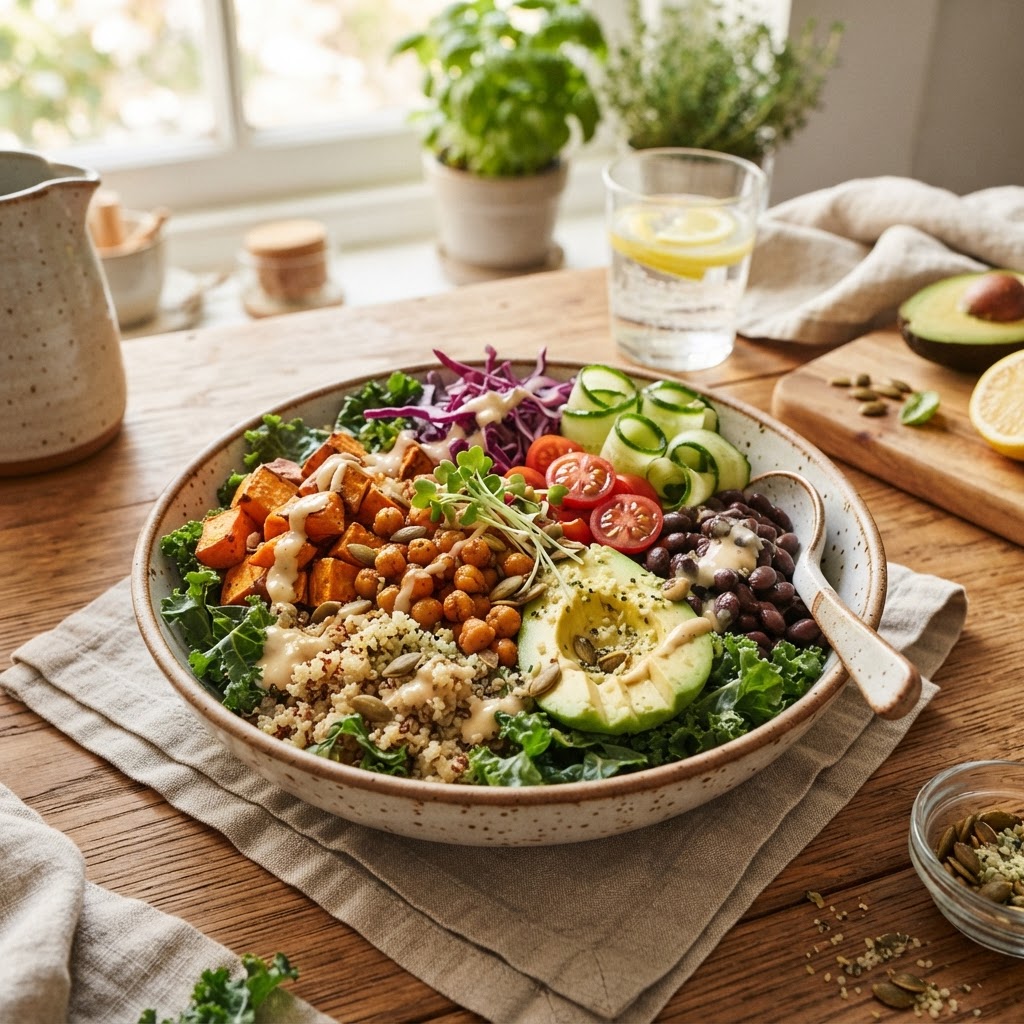
The architecture of a perfect bowl is not accidental; it is a carefully calculated nutrient-dense strategy. A professional kitchen uses a specific formula to ensure that every bowl has texture, acidity, richness, and depth. For a standard, energy-boosting lunch, you should aim for a ratio of 50% fibrous vegetables, 25% high-quality protein, 15% complex carbohydrates, and 10% healthy fats or flavor boosters. This distribution ensures that you are getting maximum volume without sacrificing the dense nutrients your body needs to function optimally.
The Math of Satiety
When you are prepping your components, think of them as the building blocks of a sustainable engine. Start with your base, which should always be a mixture of leafy greens—think massaged kale, arugula, or baby spinach—which provide the bulk. From there, calculate your protein weight to be approximately four to six ounces of cooked weight for a standard adult serving. If your protein is too lean, you will feel empty; if it is too fatty, you may feel sluggish. The key is to find the Goldilocks Zone of protein, which is often found in chicken breast, firm tofu, chickpeas, or wild-caught salmon.
Building Volume Without Heaviness
To ensure you don’t feel weighed down after eating, prioritize raw and lightly steamed vegetables to make up that 50% fiber requirement. By adding a variety of textures—crunchy radishes, snappy sugar snap peas, or shaved carrots—you create a sensory experience that signals to your brain that you are eating a substantial meal. Use the thermal contrast technique, where you mix warm roasted vegetables with cool, crisp raw ones. This contrast is a hallmark of professional plating and significantly increases the pleasure of the dining experience.
"A great bowl is not just a collection of leftovers; it is a curated experience of texture, temperature, and taste that fuels the mind just as much as the body."
Selecting Your Proteins: The Core of Your Energy
Protein is the structural backbone of your bowl, and how you prepare it determines both the flavor and the digestion rate of your meal. For the home cook, the goal is to have three distinct types of protein ready in the refrigerator: a cold animal-based protein, a plant-based legume, and a textural "crunch" factor like toasted nuts or seeds. When you have these ready, you can assemble a nutrient-dense lunch in under five minutes, effectively removing any barrier to healthy eating.
Techniques for Perfect Prep
For poultry, always aim for low-and-slow roasting or poaching to keep the meat moist. If you are roasting chicken, set your oven to 375°F (190°C) and cook until the internal temperature reaches 165°F (74°C). For plant-based proteins like chickpeas or lentils, flavor them heavily with spices like cumin, smoked paprika, or turmeric before roasting them at 400°F (200°C) for 20 minutes until they achieve a crispy exterior. This adds a necessary crunch that makes plant-based proteins feel much more substantial.
Balancing Amino Acids
While we often focus on the quantity of protein, the diversity of the source is equally important for sustained energy. Incorporating a mix of plant and animal proteins, or simply varying the types of animals and legumes you use, ensures you are getting a complete profile of amino acids. Professional chefs often use the "Marinate and Sear" method for protein prep. By marinating your tofu or chicken in an acidic base—such as lemon juice, balsamic vinegar, or soy sauce—for at least 30 minutes before cooking, you break down fibers and create a superior flavor profile that doesn't need heavy sauces.
The Power of Complex Carbohydrates
There is a persistent myth in the diet culture world that carbohydrates are the enemy of productivity, but the truth is that your brain runs on glucose derived from complex carbohydrates. The key is in the word "complex." You want carbohydrates that take longer to break down, providing a slow, steady release of energy rather than a rapid spike and crash. Sweet potatoes, quinoa, farro, and black rice are your best friends here. They add a chewy, grounding element to the bowl that makes it feel like a true meal.
Cooking for the Right Texture
The secret to a perfect grain base is to avoid the dreaded "mushy" outcome. For quinoa, always follow the 2:1 ratio of liquid to grain, but reduce the heat to the absolute lowest setting once the water comes to a boil. Cover it tightly and let it steam off-heat for 15 minutes. This creates a fluffy, distinct grain rather than a paste. For root vegetables like sweet potatoes or beets, roast them at 425°F (218°C) until the edges are caramelized. The Maillard reaction—the browning process that occurs at high heat—is what unlocks the depth of flavor you are looking for.
The Role of Fiber in Absorption
Complex carbohydrates aren't just energy; they are the primary vehicles for dietary fiber, which slows down the absorption of sugar into the bloodstream. When you combine your grains with the fibrous vegetables you’ve chosen, you are creating a stabilization matrix. This is why you don’t feel tired after a well-constructed bowl; the energy is being parceled out slowly over several hours. This is the ultimate goal of sustainable nutrition—to provide a level playing field for your metabolism so that you aren't fighting cravings by mid-afternoon.
Healthy Fats: The Culinary "Glue"
Fats often get a bad rap, but in the context of a nutrient-dense bowl, they are essential for nutrient absorption. Vitamins A, D, E, and K are fat-soluble, meaning your body cannot properly utilize them unless they are consumed with a fat source. Including avocado, extra virgin olive oil, toasted sesame oil, or tahini isn't just about flavor—it's about making sure your body can actually extract the benefits from the vegetables you've included. Aim for about one to two tablespoons of high-quality fat per bowl.
Emulsifying the Perfect Dressing
The dressing is the "glue" that brings your bowl together, and it is here that many home cooks fall into the trap of using processed, sugar-laden bottled varieties. A professional-grade dressing is simply an emulsion of fat and acid. Use a 3:1 ratio of oil to acid. Whisk in a teaspoon of Dijon mustard or honey to act as a stabilizing agent that prevents the mixture from separating. You can then add herbs, aromatics like ginger or garlic, and a pinch of salt to customize the flavor profile to match your chosen protein.
"Fat is the silent partner of flavor; without it, your palate never feels fully satisfied, no matter how many vegetables you consume."
Choosing Your Fats Wisely
It is worth noting that not all fats are created equal. Focus on monounsaturated fats—found in olive oil, nuts, and avocados—which are heart-healthy and provide a clean, slow-burning fuel. Avoid processed seed oils that can lead to systemic inflammation. A classic tahini-lemon dressing is a staple in my kitchen because the tahini offers a creamy texture without the need for dairy, while the lemon provides a bright, acidic counterpoint to the richer elements in the bowl.
The Final Flourish: Aromatics and Toppings
If the base is the canvas, the toppings are the brushstrokes. This is where you elevate your lunch from a functional meal to a culinary delight. Fresh herbs are the most overlooked ingredient in the home kitchen. A handful of cilantro, parsley, mint, or scallions adds a layer of freshness that "wakes up" the palate. Never underestimate the power of pickled onions or fermented foods like sauerkraut or kimchi; they add acidity and beneficial probiotics that support digestive health.
Texture and Crunch
To make your bowl satisfying, you must include a "crunch" element. Toasted pumpkin seeds (pepitas), sunflower seeds, sliced almonds, or even crispy fried shallots add a textural variance that keeps you engaged with the meal. Professional chefs know that texture keeps the brain interested. When every bite is the same mushy consistency, your satiety signals can be delayed. By adding something crunchy, you are forced to chew more thoroughly, which gives your stomach time to signal to your brain that it is full.
The Magic of Pickling
Keep a jar of quick-pickled red onions in your fridge at all times. They take ten minutes to prepare and keep for weeks. Just slice a red onion thinly, toss it in a jar with apple cider vinegar, a pinch of sugar, and a pinch of salt. The acidity cuts through the heaviness of the grains and fats, providing a palate cleanser that makes the entire bowl feel lighter and more refined. It is this level of detail that separates a homemade lunch from a mass-produced one.
Troubleshooting Your Daily Prep
Even with the best intentions, the reality of a busy life often leads to the degradation of our meal prep habits. If you find your bowl prep becoming a burden, you are doing too much. The trick to sustainability is batch cooking, not full-meal assembly. Prepare three components in bulk: one grain, one roasted vegetable, and one protein. Keep your greens washed and spun dry in a container with a paper towel to absorb excess moisture, which keeps them fresh for up to five days.
When Convenience Triggers Failure
If you are struggling to keep up with fresh produce, lean on high-quality frozen vegetables. Frozen spinach, peas, and cauliflower are often more nutrient-dense than their "fresh" counterparts because they are flash-frozen at the peak of ripeness. Steam them lightly and toss them into your bowl; they provide the same fiber and nutrient profile without the risk of rotting in your crisper drawer. Efficiency is an ingredient in itself, and using high-quality frozen staples is a professional secret for long-term consistency.
The Five-Minute Morning Protocol
If you don’t have time to assemble in the morning, prep your bowls in individual glass containers the night before, but keep the dressing separate. If you add the dressing ahead of time, the greens will wilt and the crunch will disappear. Invest in small, leak-proof containers for your sauces, or simply keep a bottle of your "house dressing" in the office fridge. By lowering the barrier to entry—making the process of eating your meal as easy as possible—you ensure that you never have to fall back on poor-quality alternatives.
Expanding Your Culinary Horizons
Once you have mastered the ratio, start playing with global flavor profiles. By simply changing your spices and dressing, the same base ingredients can taste completely different. One week, go for a Mediterranean theme with lemon, oregano, feta, and olive oil. The next week, transition to a Japanese-inspired bowl with ginger, soy sauce, sesame oil, and nori flakes. The core structure remains the same, but the sensory experience is entirely new, which prevents the monotony that often causes people to quit their healthy eating habits.
Seasonal Adaptation
As the seasons change, so should your bowl. In the winter, focus on hearty root vegetables and warm, comforting grains like farro or wild rice. In the summer, lean into cucumbers, tomatoes, peppers, and lighter grains like quinoa or even cauliflower rice. Working with the seasons isn't just about sustainability; it’s about nutritional variety. Nature provides the specific nutrients we need during certain times of the year, and by following the market, you naturally diversify the micronutrients you are consuming.
The Professional Chef’s Mindset
Remember that cooking is a skill, not a chore. Approach your bowl preparation with the same attention you would give to preparing a dinner for guests. Taste your components before they go into the bowl. Are they seasoned correctly? Does the dressing need more salt or acid? By engaging with your food while you build it, you develop your palate and become more intuitive as a home cook. This mindfulness turns the act of prepping lunch into a meditative practice rather than a task to be crossed off a list.
"The true measure of a culinary skill is not how well you cook for others, but how much care and intention you bring to the meals you eat in solitude."
Final Thoughts
Mastering the nutrient-dense bowl is about more than just filling a dish with food; it is about creating a system that honors your body's need for energy and your palate's need for pleasure. When you stop viewing lunch as a hurdle to be jumped and start viewing it as an opportunity to fuel your performance, you change the entire trajectory of your day. The ratios we’ve discussed—50% fiber, 25% protein, 15% complex carbs, 10% healthy fats—serve as your baseline, your anchor, and your guide.
Do not fear the process of trial and error. Your first bowl might not be perfect, and that is perfectly acceptable. The goal is to iterate, to adjust your seasonings, to find the grains you prefer, and to keep your fridge stocked with the building blocks of success. When you have the components ready, the inspiration will follow. By removing the friction, you empower yourself to make the healthy choice, which, as we know, is the only choice that leads to long-term vitality.
At Blame The Chef, we believe that the kitchen should be the most empowering room in your house. You are the architect of your own energy, and this bowl system is your blueprint. Take these principles, apply them to your busy schedule, and watch how your daily productivity, mood, and physical stamina begin to shift. Cooking for yourself is an act of self-respect that compounds over time. Start small, stay consistent, and remember that every ingredient matters when you are building a life of sustained, vibrant health. Enjoy the process, trust your palate, and keep building those bowls. You have the tools, the knowledge, and the agency to make every lunch a masterpiece of nutrition and flavor. Happy cooking!
Get the Next Recipe
Weekly recipes, techniques, and gear picks — straight to your inbox.
