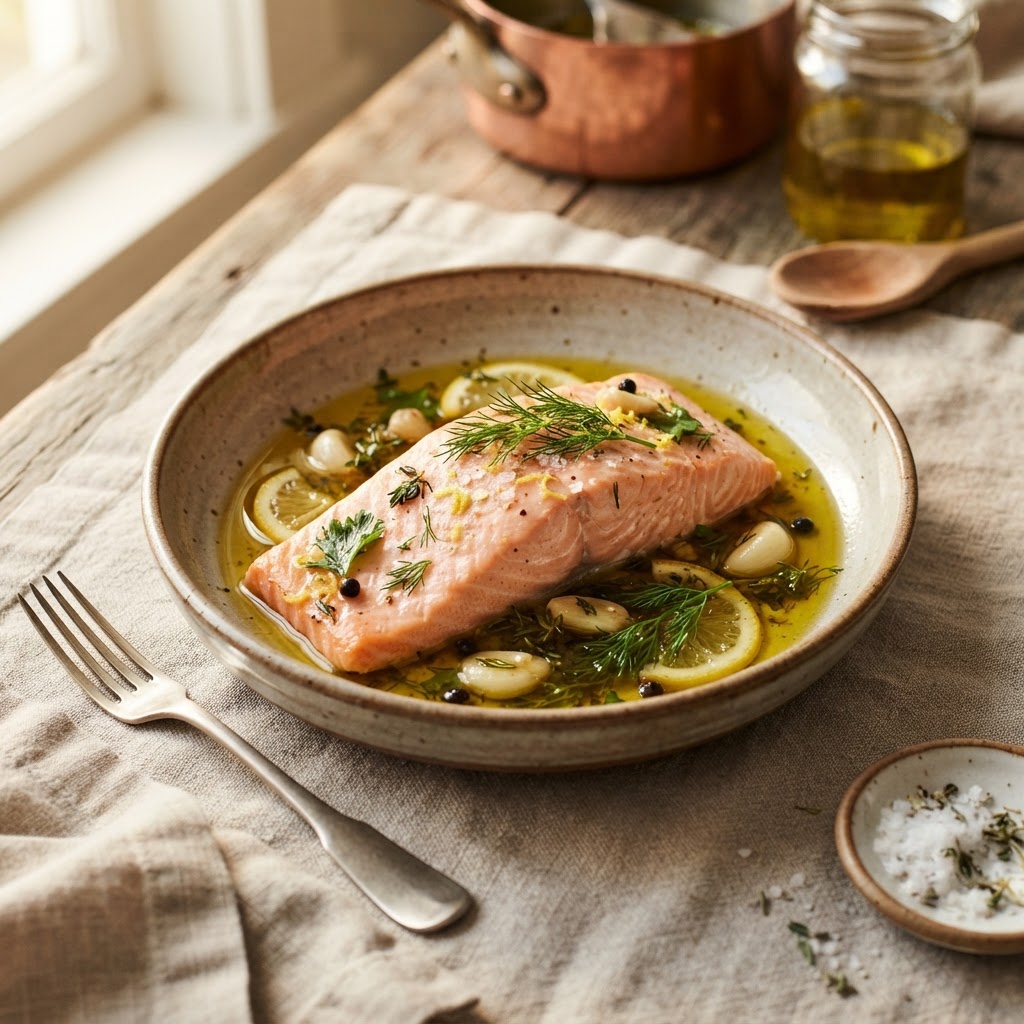
The Home Cook’s Guide to Oil-Poaching: Mastering Low-Temperature Confit for Ultra-Tender Fish and Poultry
There is a pervasive myth in the world of home cooking that says to achieve restaurant-quality texture, one must battle high-heat flames, volatile searing, or the frantic chaos of a busy stovetop. Most beginners view cooking as an exercise in aggression, assuming that the secret to a perfectly cooked piece of salmon or a chicken breast lies in how fast they can develop a crust. However, the most sophisticated kitchens in the world often rely on the opposite philosophy: gentle, methodical patience. This is where the ancient technique of oil-poaching, or confit, enters the chat. It is a transformative process that turns even the most modest proteins into succulent, buttery masterpieces that seem to melt upon contact with the tongue.
When we talk about oil-poaching, we are essentially moving away from the harsh, dehydrating environment of direct heat and into a cocoon of warm, flavor-infused lipid. By submerging fish or poultry in a bath of fat—be it high-quality olive oil, duck fat, or a neutral grapeseed blend—we create a thermal environment that distributes heat with absolute uniformity. This means you will never again encounter the tragedy of an overcooked outer layer and a raw, cold center. It is the culinary equivalent of a slow, luxurious spa day for your ingredients, and once you master the mechanics, your standard of "good" home cooking will shift permanently.
In the upcoming guide, we will dismantle the fear surrounding temperature control and fat management. We will explore how to infuse oils with aromatics, how to choose the right cuts for this technique, and why this method is arguably the most forgiving way to ensure consistency in a home kitchen. You do not need to be a professional with a decade of line experience to execute a perfect confit; you simply need to respect the temperature and trust the process. Prepare to change the way you view your pantry staples, as we dive deep into the art of low-temperature mastery.
The Science of Submersion: Understanding Low-Temperature Fat Cooking
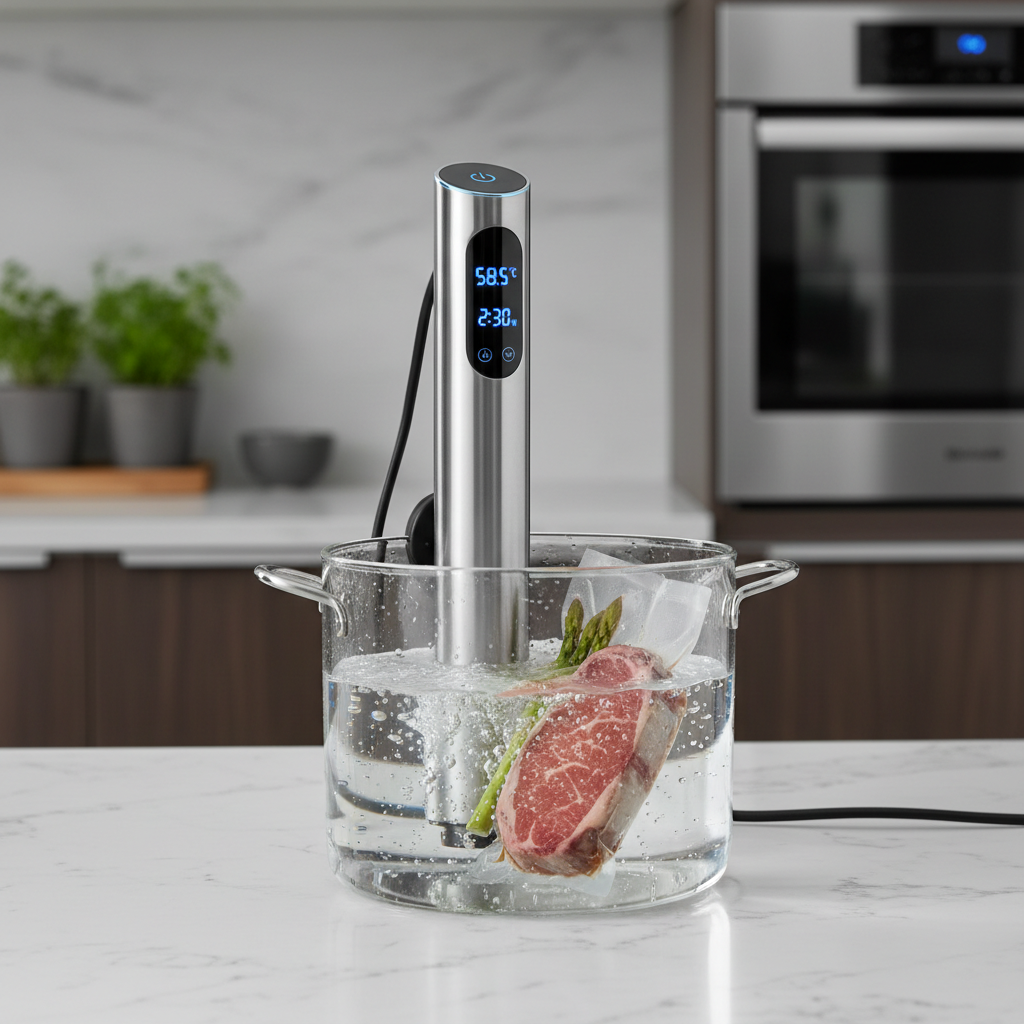
At its core, oil-poaching is a form of gentle sous-vide cooking, but without the plastic bags and the high-tech immersion circulators. When a protein is submerged in a liquid fat, the fat acts as a superior heat conductor compared to air, yet it does so far more delicately than boiling water. Because water boils at 212°F (100°C), it is incredibly easy to overcook delicate proteins like flaky white fish. Fat, however, allows us to dial in temperatures as low as 120°F (49°C), which is the sweet spot for preserving the integrity of myosin and actin proteins, ensuring the meat stays moist and tender.
The beauty of this method lies in the fact that oil does not interact with the protein the way water does; there is no leaching of juices out into the liquid. Instead, the fat acts as a barrier, trapping all the internal moisture inside the protein cells. When you cook a chicken breast in a pan, the water content evaporates into the air, often leaving you with a dry, fibrous result. When you poach that same chicken in olive oil, it is essentially basting itself from all sides throughout the entire cooking duration, resulting in a silkiness that is physically impossible to achieve with standard sautéing.
"The difference between a dry, stringy piece of chicken and one that feels like velvet isn't just about the cut; it’s about the environment in which you cook it. Oil poaching provides the most stable, forgiving environment a home cook can manipulate."
Temperature Control is Everything
To be successful, you must invest in a reliable digital probe thermometer. Unlike standard oven thermometers, a probe thermometer allows you to monitor the temperature of the oil in real-time. For delicate fish like cod or halibut, you are looking for an oil temperature between 110°F and 125°F. For poultry, you want a slightly higher range, usually hovering around 140°F to 160°F. If your oil temperature spikes too high, you are essentially deep-frying, which defeats the purpose of the gentle confit.
Selecting Your Fat Medium
Your choice of fat is not just about heat conduction; it is a flavor delivery vehicle. If you are poaching a mild white fish, a high-quality extra virgin olive oil provides a grassy, bright backdrop. If you are preparing chicken thighs, using rendered duck fat or schmaltz adds a layer of depth that is undeniably decadent. Even a high-quality, neutral-flavored grapeseed or avocado oil works if you intend to infuse the poaching liquid with heavy aromatics like garlic, thyme, lemon peel, or crushed black peppercorns.
Preparing Your Ingredients for the Poach
Before a single drop of fat touches your pan, you must ensure your ingredients are prepared correctly. This technique requires consistency in size. Because you are cooking at low temperatures, the heat penetration rate is slow. If you throw a massive, thick piece of salmon in with a thin tail-end piece, the thickest part will remain undercooked while the thin end becomes a mushy, over-confit mess. Always trim your fish or poultry into uniform, even blocks or medallions before you begin.
Another critical factor is the moisture content of the exterior of your protein. While you want to poach in oil, you don’t want the meat to be soggy or icy when it hits the liquid. Patting the protein dry with a clean paper towel is non-negotiable. This prevents the moisture from the surface of the meat from causing the hot oil to sputter and pop, which is not only dangerous but can also negatively affect the texture of the outer layer of the protein as it begins to cook.
Room Temperature vs. Chilled
Never place cold protein directly into your poaching oil. By taking your fish or chicken out of the refrigerator 20 to 30 minutes before cooking, you allow the internal temperature to rise slightly. This small step prevents the temperature of your oil from dropping drastically the moment you drop the protein in. If the oil temperature drops too far, you have to increase the heat to bring it back up, which risks an uneven cook or, worse, an accidental increase in temperature that exceeds your target threshold later on.
Brining for Success
For poultry, a brief dry brine (salting the meat and letting it sit for 30 to 60 minutes) is a professional chef’s secret for deep flavor penetration. For fish, a quick salt-and-sugar rub can firm up the flesh and prevent it from falling apart too easily in the poaching vessel. Do not skip the seasoning phase, as the poaching oil will only impart flavor to the surface; the interior needs that pre-cook seasoning to ensure every bite is perfectly balanced.
The Equipment and Setup: A Minimalist Approach
One of the great myths of modern cooking is that you need an entire warehouse of high-end appliances to produce gourmet food. For oil-poaching, the equipment list is incredibly short. You need a heavy-bottomed, high-sided pan—a stainless steel or enameled cast iron saucepan works best—and that aforementioned thermometer. Because you are using a relatively small amount of oil compared to deep-frying, you don't need a deep fryer or a massive vat of liquid. A small, narrow pot is actually preferred because it allows you to submerge the protein completely with less oil.
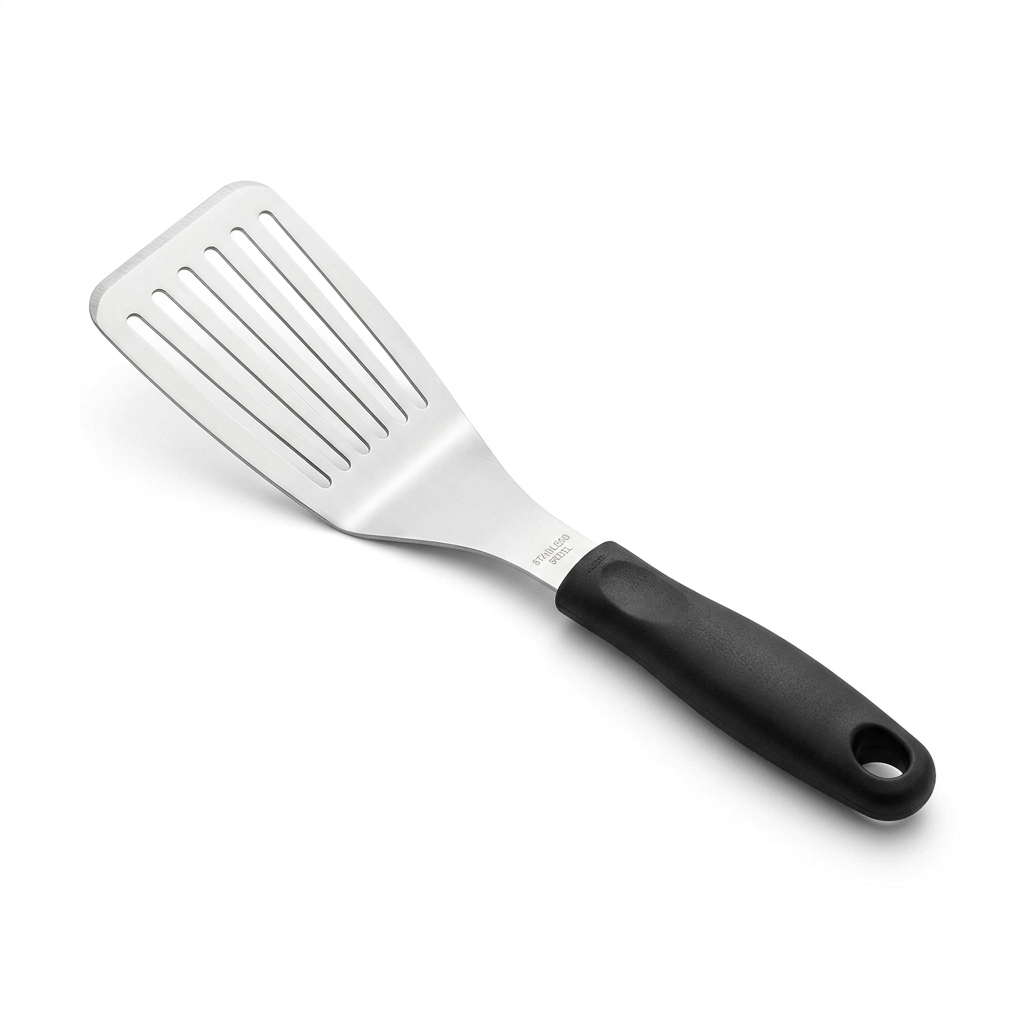
It is helpful to have a spider strainer or a slotted spoon on hand. When the poaching is finished, you do not want to flip the fish or chicken with tongs; the meat will be so delicate that it may break under its own weight. Instead, use a wide spatula or a spider strainer to gently lift the item out of the fat. Place it onto a wire rack set over a tray for a minute to allow the excess oil to drain away before plating. This ensures the end result is elegant and not greasy.
"A home cook’s kitchen should be a laboratory of precision, not a storage space for gadgets you use once a year. A steady hand, a good thermometer, and a simple pot are all the tools needed to master the confit."
Managing the Fat Bath
After you are done poaching, you should never throw that oil away. Because the oil has been heated gently and infused with aromatics, it is essentially a flavor-infused oil that you can use for your next salad dressing, to sauté vegetables, or even to start your next poaching session. Strain the oil through a fine-mesh sieve or a coffee filter once it cools to room temperature, store it in a clean glass jar in the refrigerator, and it will remain usable for several weeks.
The Importance of Aromatics
Do not be afraid to customize your oil bath. If you are poaching cod, throw in a couple of cloves of crushed garlic, a sprig of fresh dill, and some strips of lemon zest. If you are working with chicken, consider star anise, ginger, and scallions for an Asian-inspired profile. The key is to add these aromatics to the oil about 5-10 minutes before the protein, allowing them to gently infuse the fat without burning them, as burnt garlic or herbs will impart a bitter, acrid flavor to your protein.
Mastering the Salmon Confit: A Step-by-Step Guide
Salmon is the perfect protein to start with because its fat content is naturally forgiving. When oil-poached, salmon loses that chalky, dry texture that often happens when it is baked. Instead, the flakes remain intact, buttery, and incredibly vibrant. To begin, gather four 6-ounce salmon fillets, skin removed and pin bones taken out. Ensure they are uniform in thickness to guarantee they finish cooking at the same time.
Finishing the Dish
Once the salmon is removed, you can serve it warm or at room temperature. A piece of poached salmon is magnificent when paired with a bright, acidic accompaniment, such as a quick gremolata or a fresh cucumber and dill salad. The richness of the oil-poached fish requires that sharp, acidic contrast to cleanse the palate. By playing with these temperatures, you can serve the salmon "medium-rare," which is a texture most home cooks have never experienced.
Avoiding the "Boiled" Look
If you poach at too low a temperature for too long, the surface of the fish might look a bit pale. If you prefer a bit of texture on the outside, you can quickly finish the skin-side (if you left the skin on) or just the surface of the fillet in a screaming hot pan for 30 seconds after it has been poached. This provides the best of both worlds: the perfectly cooked, velvety interior of the confit and the crisp, savory sear of the pan-sear.
The Poultry Confit: Transforming Tougher Cuts
While we often think of chicken breasts, the real magic of oil-poaching really shows when you use chicken thighs or legs. Because these cuts contain more connective tissue, they benefit immensely from the long, slow, low-heat environment. You are effectively breaking down the collagen while preventing the muscle fibers from tightening up. To prepare chicken thigh confit, you should aim for a higher temperature—roughly 150°F—for a longer period, usually 45 to 60 minutes.
The process for poultry is largely the same as for fish, but you should lean into the richness of the fat. Using rendered duck fat is the gold standard here, but if that is unavailable, a high-quality lard or even a blend of butter and neutral oil works wonderfully. Adding whole peppercorns, bay leaves, and even a dried chili pepper to the oil creates a complex base that makes the final dish taste like it has been cooking for hours in a professional kitchen.
Avoiding Common Pitfalls
One common mistake is overcrowding the pot. If you cram four chicken thighs into a tiny saucepan, the temperature will fluctuate wildly, and the meat will not cook evenly. Ensure there is plenty of room for the oil to circulate around each piece of protein. If your pot is too small, work in batches. Remember, the goal of confit is uniformity and steady heat distribution, and density is the enemy of consistency.
Monitoring for Doneness
Because you are working with poultry, you must be careful about safety. Always use your probe thermometer to ensure the internal temperature of the chicken has reached at least 160°F before serving. While the "confit" style is incredibly tender, you want to ensure the juices are running clear and the meat near the bone is fully cooked. If you are nervous, do not hesitate to let it poach for an extra five minutes—the beauty of this technique is that it is almost impossible to "overcook" the meat in the traditional sense, as the oil keeps it shielded from the drying effects of direct heat.
The Aesthetic and Culinary Presentation
Presentation is the final step in the home cook's journey. Oil-poached proteins often have a pale, unassuming appearance because they lack the browning that comes with high-heat searing. To make them look professional, you need to rely on vibrant accompaniments. A piece of oil-poached cod looks stunning when served atop a bed of bright green pea purée or with a vibrant, herb-heavy salsa verde. The color contrast highlights the pearlescent, silky nature of the fish.
When plating your poultry, consider using a garnish of fresh, crispy fried herbs. You can take the herbs you used for the infusion, quickly fry them in the remaining hot poaching oil for 5 seconds until they are brittle and vibrant, and use them as a crisp topping for the tender, poached meat. This adds a necessary textural element to the plate, breaking up the softness of the confit and creating a dynamic eating experience.
Pairing with Sides
Think about the fat content of your protein. An oil-poached piece of fish is already rich, so pair it with sides that have a bit of "bite." A salad of bitter greens like radicchio or arugula dressed with a sharp balsamic vinaigrette is ideal. For chicken confit, earthy root vegetables that have been roasted until crisp provide a perfect counterpoint to the velvet-like texture of the meat. Balance is the guiding principle of the culinary arts, and your sides should always reflect that.
"A dish is not just a collection of ingredients; it is a conversation between textures and flavors. By poaching, you’ve mastered the art of the soft, so you must contrast it with the crisp, the sharp, and the bright."
Storing and Reheating
If you have leftovers—which, let’s be honest, you might not—the best way to store them is directly in a small amount of the poaching oil. This creates a protective seal that prevents the protein from drying out in the refrigerator. When you are ready to eat again, do not put it back in the microwave. Instead, gently warm it in a low-heat oven (around 250°F) or by placing it back into a warm bath of oil on the stove for a few minutes. This preserves the texture you worked so hard to create.
Final Thoughts
Mastering oil-poaching is a rite of passage for any home cook who wants to graduate from "following a recipe" to "understanding the chemistry of food." By stepping away from the chaos of high-heat cooking and embracing the gentle, deliberate pace of the confit technique, you are opening up a world of possibilities for your kitchen. You will find that ingredients you once struggled to cook perfectly—like thick-cut salmon or lean chicken breast—become the easiest items on your menu.
Remember that this technique is fundamentally about patience. Do not rush the heating process, do not ignore the importance of accurate temperature monitoring, and do not be afraid to experiment with your aromatics. The more you practice, the more intuitive the process will become. Eventually, you won't even need to look at a thermometer; you will recognize the "shimmer" of the oil and the way the protein behaves in the pan, and you will be able to produce restaurant-quality results every single time you cook.
We have explored the physics of heat conduction, the selection of fats, the importance of ingredient prep, and the nuances of flavor infusion. You now have the knowledge required to take a simple, humble piece of fish or poultry and turn it into a decadent experience. The next time you find yourself staring at a grocery store shelf, don't reach for the most expensive cut of meat. Grab something simple, go home, get your oil ready, and let the gentle heat do the heavy lifting for you. You are no longer just cooking; you are mastering the craft. Enjoy the process, respect the fat, and most importantly, enjoy the incredible, melt-in-your-mouth results. Happy poaching!
Get the Next Recipe
Weekly recipes, techniques, and gear picks — straight to your inbox.
