The Home Cook’s Guide to Par-Boiling: Mastering Pre-Cook Techniques for Perfectly Textured Potatoes and Root Vegetables
The secret to restaurant-quality side dishes often lies not in the final heat of the oven or the sizzle of a pan, but in a quiet, unassuming preliminary step performed long before the dinner guests arrive. Many home cooks approach vegetables with a single-minded focus on the final cooking method, whether it is roasting, frying, or sautéing, often resulting in textures that are either mushy on the outside or raw at the core. Par-boiling—or partial boiling—is the fundamental bridge between a raw, fibrous vegetable and a finished dish that possesses that elusive, perfect contrast of textures. By mastering this technique, you move beyond mere recipe-following and begin to understand the structural integrity of your ingredients. It is the culinary equivalent of setting a solid foundation for a house, ensuring that every subsequent step adds value rather than fighting against an undercooked or uneven interior.
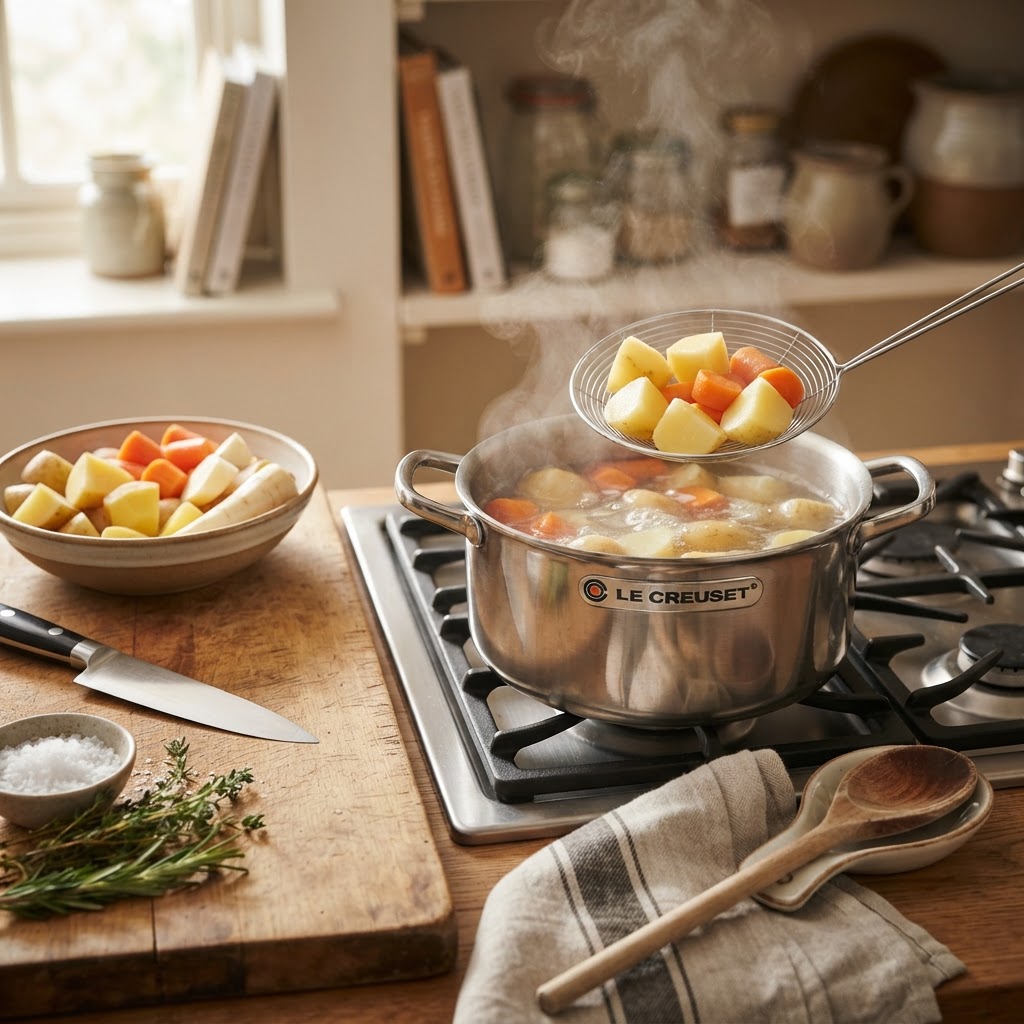
When we discuss par-boiling, we are essentially talking about a controlled thermal softening of starches and fibers. This process allows the heat to penetrate the densest parts of the vegetable, ensuring a uniform texture that would be impossible to achieve through surface-level heat alone. Think of your potatoes for a roast: if you put them straight into a scorching hot oven, the exterior sugars will caramelize and burn long before the starchy heart of the tuber has softened. Par-boiling provides a "head start" that mitigates this risk, allowing you to achieve a Maillard reaction on the outside while maintaining a creamy, fluffy center. It is not about cooking the vegetable to completion; it is about bringing it to the threshold of tenderness so that the final sear, roast, or fry becomes a purely aesthetic and flavorful flourish.
In the professional kitchen, we often refer to this as a form of "mise en place" for the ingredient itself. It is a technical necessity that eliminates the guesswork of whether your root vegetables will actually be tender by the time your protein is finished resting. By treating par-boiling as a mandatory step in your vegetable preparation, you gain immense flexibility in your kitchen workflow. You can perform this step hours or even a day in advance, storing your par-cooked vegetables in the refrigerator, ready to be finished with a quick flash in a pan or a brief spell in the oven. Once you internalize the principles of starch gelatinization and fiber breakdown, you will find that your vegetable sides transcend the ordinary, becoming the most anticipated part of the meal.
The Science and Strategy of Par-Boiling
Why We Par-Boil Root Vegetables
At the molecular level, vegetables like potatoes, carrots, parsnips, and beets are held together by complex carbohydrates and cellular structures that require time and moisture to break down. When you par-boil, you are using the conductive heat of boiling water to soften the pectin—the "glue" that keeps plant cell walls rigid. By partially cooking these vegetables, you are effectively pre-softening that structure. This ensures that the time spent in the oven or the fryer is focused entirely on texture modification—creating that golden, crispy exterior—rather than internal cooking. Without this step, you are forced to choose between a burnt exterior and a raw center, or a soft, soggy mess that lacks the structural integrity required for a satisfying bite.
Understanding Starch Gelatinization
For starchy vegetables like potatoes, par-boiling triggers a process called gelatinization. As the starch granules within the potato absorb water and heat, they swell and burst, releasing surface starch that becomes essential for later crisping. When you par-boil a potato and then lightly rough up the surface with a fork or a colander, you are creating a "starch paste" that will dehydrate and turn into a glorious, crunchy crust when hit with hot fat. This is the secret behind the famous "super-crispy roast potato" that eludes so many home cooks. If you skip the par-boil, you simply do not have enough surface starch to create that thick, golden shell.
The Role of Salt and Acid
The water in which you par-boil is just as important as the vegetable itself. Always treat your par-boiling water like pasta water: it should be aggressively salted. This ensures that the flavor penetrates the vegetable from the inside out, rather than relying on seasoning only at the very end. Additionally, consider the pH of your water. In some cases, adding a tiny splash of vinegar to the water can help hold the structure of the vegetable together, preventing it from breaking down too quickly. This is particularly useful when par-boiling potatoes that have a tendency to fall apart or "slough" during the process.
"The difference between a mediocre potato and a transcendent one is almost always a well-executed par-boil. It is the quiet, preparatory work that defines the character of the final dish."
Essential Equipment and Setup
Choosing the Right Vessel
When preparing to par-boil, the size of your pot matters significantly. You want a vessel that is large enough to accommodate your vegetables without crowding them. If you pack a pot too tightly, the temperature of the water will plummet when you add the cold vegetables, and it will take too long for the water to return to a boil. This prolonged cooling period can lead to uneven cooking. Aim for a pot that allows the vegetables to move freely and ensures that the water can maintain a rolling boil throughout the entire process. A wide, shallow pot is often superior to a tall, narrow one for even heat distribution.
The Importance of Uniformity
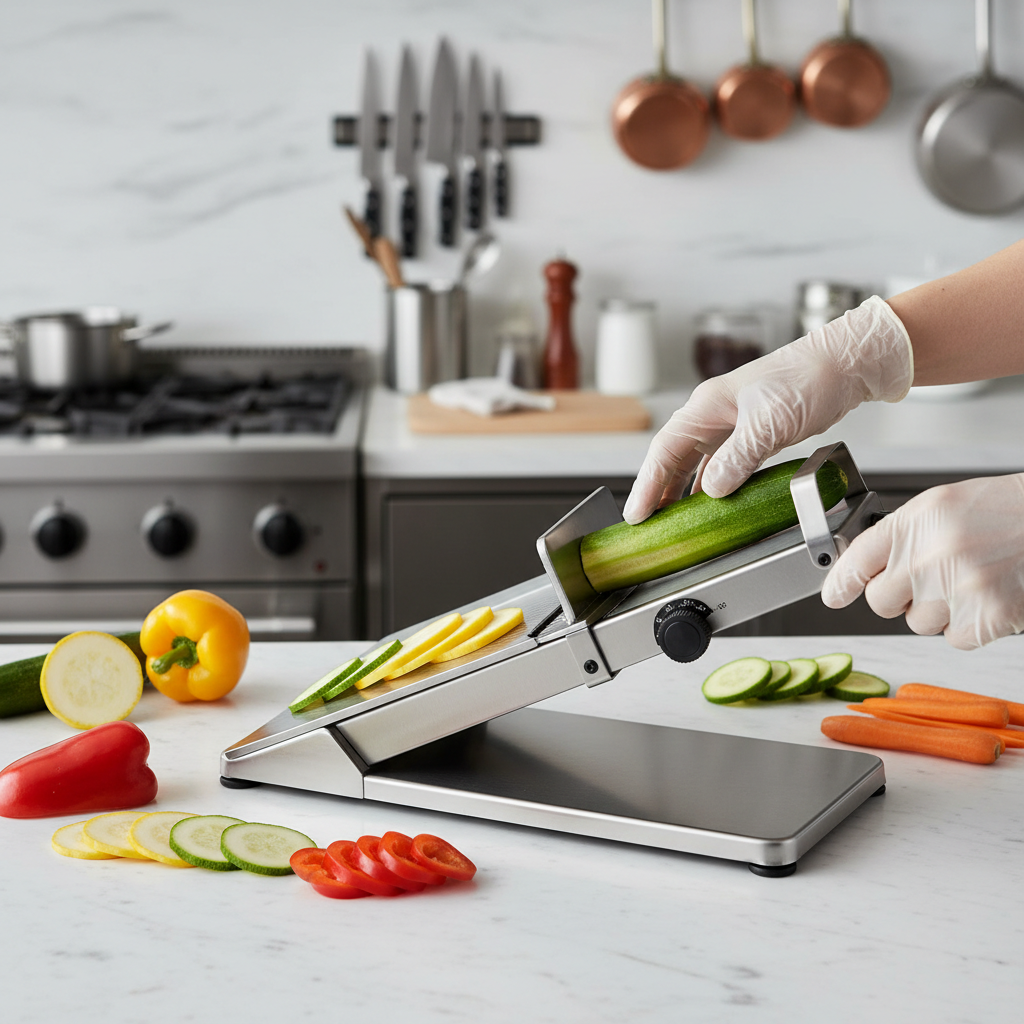
Before you even turn on the burner, you must ensure that your vegetables are cut into pieces of uniform size and shape. If you have some pieces that are tiny and others that are large, the smaller pieces will turn to mush while the larger ones remain hard in the center. Use a sharp chef’s knife to ensure clean, consistent cuts. If you are preparing root vegetables like carrots or parsnips, aim for a "baton" or "chunk" shape that allows for even heat penetration. Precision in the knife work is not just for visual appeal; it is the most critical factor in achieving a consistent par-boil.
Cold Start vs. Boiling Start
There is a long-standing debate in the culinary world regarding whether to start your vegetables in cold water or drop them into already boiling water. For starchy vegetables like potatoes, a cold-water start is generally preferred. This allows the temperature to rise slowly, ensuring that the outside of the potato doesn't overcook before the center has had a chance to heat up. Conversely, for firmer, non-starchy root vegetables like carrots or beets, starting in boiling water is often better to maintain a vibrant color and prevent the vegetable from absorbing too much water and becoming waterlogged.
Mastering Timing and Temperatures
The "Fork Test" Technique
Timing is an art, but it relies on a very simple metric: the fork test. You are looking for a state of "al dente" tenderness. The vegetable should offer very little resistance when pierced with a paring knife or a fork, but it should not be falling apart at the touch. If you can push a fork through the center with only light pressure, you are right at that critical threshold of doneness. If the edges are already fraying, you have gone too far. Remember, the vegetable will continue to cook slightly due to residual heat, and it will undergo further cooking in your final preparation step, so pulling it out of the water a minute or two early is usually the safer bet.
Monitoring Water Activity
Pay close attention to the state of the water throughout the process. A simmer is often insufficient for par-boiling; you need a gentle but consistent bubble. If the water stops bubbling, your cooking time will need to be adjusted significantly upward. Conversely, a violent, high-boil can cause delicate vegetables to break apart before they are cooked through. Monitor the heat level and adjust your flame accordingly. If you are par-boiling large batches, stir the vegetables occasionally to ensure that the ones on the bottom don't become significantly softer than the ones on the top.
The Cooling and Drying Process
Once your timer goes off and your vegetables pass the fork test, you must act quickly. Drain the water immediately in a colander. Do not leave the vegetables in the hot water, as they will continue to soften, leading to overcooked vegetables. Many professional chefs recommend spreading the vegetables out on a wire rack or a baking sheet lined with a paper towel. This allows steam to escape from all sides. Excess moisture is the enemy of a crispy finish; if you try to roast or fry vegetables that are still steaming and wet, they will steam instead of brown.
Techniques for Specific Root Vegetables
Potatoes: The King of Par-Boiling
When par-boiling potatoes, the variety matters. A starchy potato like a Russet will benefit immensely from the surface-starched technique mentioned earlier. The exterior will soften, allowing it to become fluffy and airy when roasted. For waxy potatoes like Yukon Golds, the goal is slightly different; you want to maintain their structural integrity while ensuring they are creamy inside. For potatoes, I recommend adding a pinch of baking soda to the water. This slightly increases the alkalinity of the water, which breaks down the pectin on the surface of the potato even more effectively, leading to the ultimate crunch.
Carrots and Parsnips
Unlike potatoes, carrots and parsnips don't have the same starch content, so the goal here is to soften the dense, fibrous texture. I prefer to par-boil these in a mixture of water and a small amount of fat, like butter or olive oil, added directly to the pot. This is a technique sometimes called glazing-pre-boil. As the water evaporates, the fat coats the vegetables, seasoning them and preparing them for a beautiful sear in a pan later. This method also helps to intensify the natural sugars in these vegetables, providing a head start on the caramelization process that will occur in the oven.
Beets and Turnips
Beets and turnips are notoriously dense and can take an eternity to roast if not properly prepared. Par-boiling is essential here. Because beets have a deep, earthy flavor and intense color, be careful not to crowd them with other vegetables, or they will dye everything pink. Par-boiling them whole (or in large chunks) with the skin on is often a great strategy; once they are partially cooked, the skin will slide off easily under cold running water. This makes the subsequent roasting process incredibly efficient, as you are essentially dealing with a vegetable that is already peeled and partially tender.
"Technique is not about following instructions; it is about understanding how heat affects the composition of your food. When you master the par-boil, you aren't just cooking; you are engineering textures."
The Professional Chef’s Secret Tips
The Steam-Dry Method
One of the most overlooked steps in the entire process is the drying phase. Many home cooks pull their potatoes out of the boiling water and immediately toss them into a roasting pan with oil. This is a mistake. The surface of the potato is covered in a layer of moisture that must be removed. By letting the vegetables sit on a wire rack for 5 to 10 minutes, you allow the surface moisture to evaporate. When that dry surface hits the hot fat in your oven or skillet, the result is an immediate, aggressive browning that creates a depth of flavor and texture that is truly professional grade.
Using Aromatic Waters
Why boil in plain water? You can infuse incredible flavor into your vegetables by adding aromatics to the par-boil water. Throw in a few smashed cloves of garlic, a couple of bay leaves, a sprig of thyme, or even the woody ends of parsley stems. While the vegetables won't absorb a massive amount of flavor, they will take on a subtle, perfumed quality that elevates the final dish. If you are par-boiling potatoes for a roast, consider adding a tablespoon of chicken fat or duck fat to the water, which will impart a rich, savory base layer that permeates the vegetable.
The "Carry-Over" Reality
Always remember the principle of carry-over cooking. Even after you drain the water, the interior of the vegetable will continue to hold onto a significant amount of heat. If you move your par-boiled vegetables directly into a boiling hot oven, the carry-over will be minimal. However, if you are letting them sit at room temperature for any amount of time, they are still "cooking." If you notice your vegetables are becoming too soft, you can shock them in an ice-water bath to stop the cooking process entirely. This is a common practice in restaurants to keep large volumes of vegetables consistent throughout a busy service.
Addressing Common Pitfalls
Why Do My Vegetables Fall Apart?
If your vegetables are disintegrating in the pot, you have likely left them in too long, or your boiling water was too aggressive. The structural integrity of a potato or a carrot is a delicate thing. Once the cell walls collapse, there is no way to reverse it. Always start testing your vegetables earlier than you think you need to. It is much easier to put an under-par-boiled vegetable back into the water than it is to save a mushy, over-boiled one. Remember that your final cooking method (roasting or frying) will provide the remaining 20-30% of the cooking process.
The Problem of Waterlogged Flavor
Some home cooks fear that par-boiling makes vegetables "watery" or "bland." This is usually a result of not using enough salt in the water or not drying the vegetables properly after boiling. Waterlogging occurs when vegetables are left in the water long after they are done, or when the water is not properly seasoned. If you treat the par-boiling liquid like a flavored broth, you eliminate the blandness. If you focus on the drying phase, you eliminate the sogginess. Do not be afraid of the water; just be mindful of how you manipulate it.
Scaling Up for Parties
Par-boiling is the ultimate tool for hosting. When you are cooking for a crowd, you cannot be frantically chopping and boiling while your guests are waiting for drinks. You can par-boil your vegetables a day in advance, shock them in cold water, and store them in the refrigerator. When it comes time to serve, you simply toss them in oil, seasonings, and herbs, and pop them into the oven. This allows you to achieve the exact same quality of food as if you had cooked it from scratch, but with zero stress during the actual event. This is how professional kitchens maintain high standards while serving hundreds of people.
Final Thoughts
Mastering the technique of par-boiling is a rite of passage for any home cook who is serious about elevating their vegetable game. It is a humble, patient process that requires attention to detail and an understanding of the vegetable’s physical needs. While it might seem like an extra step that adds time to your preparation, the dividends it pays in texture, consistency, and flavor are immeasurable. Once you see the look on your dinner guests' faces when they bite into a potato that is shattered-crisp on the outside and impossibly light and fluffy on the inside, you will never go back to "raw-to-oven" cooking again.
Treat your vegetables with the respect they deserve by giving them the foundation they need. Whether you are prepping a simple Tuesday night dinner or a elaborate holiday feast, the principles of uniform cutting, proper seasoning of the water, and thorough drying remain constant. As you refine your par-boiling technique, you will find that your confidence in the kitchen grows, allowing you to experiment with different root vegetables, varied aromatics, and new finishing techniques with the ease of a veteran chef. Remember, in the kitchen, the most successful dishes are often the ones that were meticulously prepared long before the heat was ever turned up.
Go forth and experiment with your next bag of potatoes or bunch of carrots. Observe how the water behaves, notice the change in the vegetable's color and texture, and lean into the fork test as your ultimate guide. You are moving beyond following a set of instructions; you are beginning to manipulate the chemistry of your food to create specific, intentional results. This is the heart of what it means to be a confident cook—understanding the "why" behind the "how," and using that knowledge to ensure that every plate you serve is a testament to your growing expertise. Blame the chef? Not when the potatoes are this perfect.
Get the Next Recipe
Weekly recipes, techniques, and gear picks — straight to your inbox.
