
The Home Cook's Guide to Pomegranate Molasses: Mastering the Sweet-Tart Syrup of Persian Cooking
There is a quiet alchemy that occurs when the juice of the pomegranate is reduced down to its most potent, syrupy essence. For those who spend their time in the kitchen seeking out ingredients that bridge the gap between simple home cooking and the complex profiles found in professional pantries, pomegranate molasses is a revelation. It is the backbone of Persian cuisine, a thick, dark elixir that offers an intense, concentrated hit of fruit acidity balanced by a deep, wine-like sweetness. Unlike fresh juice, which can be fleeting and delicate, this syrup acts as a powerful seasoning agent, capable of cutting through the richness of slow-cooked meats or providing a bright, lifting acidity to otherwise earthy vegetable dishes. When you invite this ingredient into your rotation, you are not just adding a sauce; you are adding a masterclass in balance to your repertoire.
To understand the character of this syrup, one must first appreciate the nature of the pomegranate itself. When the fruit is harvested at the peak of the season, it carries a acidity that is bracing and clean, accompanied by tannins that provide a sophisticated structure. By slowly simmering this juice until the water content evaporates, we aren’t just thickening it; we are caramelizing the natural sugars and concentrating those polyphenols until the flavor profile shifts from mere fruitiness to something far more savory and complex. It is a condiment that demands respect in terms of its potency. A mere tablespoon can shift the trajectory of an entire stew, acting as a secret weapon that guests will struggle to identify but will undoubtedly crave. Learning to use it properly is the hallmark of a cook who understands the fundamental culinary principle of balancing sweet, tart, and umami.
In this guide, we will peel back the layers of this ancient ingredient, looking at how to source it, how to make it from scratch in your own kitchen, and most importantly, how to deploy it in your daily cooking. We will move beyond the basic glazes and into the territory of complex braises, vibrant dressings, and unexpected desserts. You will learn the difference between mass-produced versions found in the international aisle and the artisan products that define the authentic experience. As we dive into the science of reduction and the art of flavor pairing, keep in mind that the goal is not to mask the food you cook, but to highlight its natural characteristics. Whether you are a seasoned home chef or a beginner looking to broaden your horizons, mastering this syrup is an essential step toward developing a palate that can balance high-impact flavors with professional precision.
The Essence of Pomegranate: Understanding the Syrup
The process of creating pomegranate molasses is one of the oldest preservation techniques in the Middle East. At its core, it is essentially a juice reduction, though the simplicity of the ingredient list belies the complexity of the finished product. In commercial production, you will often find two distinct varieties: the sweet-tart variety and the purely tart variety. Authentic Persian rob-e anar is almost always made from sour pomegranates, which provide a sharper, more acidic punch that stands up better to the heavy fats used in traditional stews and roasted poultry.
When shopping for this item, look closely at the label. You are looking for a product that contains nothing but pomegranate juice. Many cheaper, mass-market brands will include corn syrup, added sugar, or citric acid to simulate the tartness of the original fruit. Avoid these at all costs. The beauty of a high-quality molasses lies in the natural interaction between the fruit’s acidity and its own glucose levels. If you find a brand that lists "pomegranate concentrate" as the primary ingredient, it is likely acceptable, but a juice-only reduction is far superior in depth and complexity.
"Pomegranate molasses is the secret weapon of the Middle Eastern pantry, acting as the bridge between the bright acidity of citrus and the deep, dark notes of a balsamic reduction."
Understanding the flavor profile is vital for successful implementation. When you taste a high-quality molasses, you should experience an initial hit of brightness followed by a long, lingering finish that is slightly metallic and earthy. This earthiness is what allows it to pair so well with lamb, beef, and walnuts. If your molasses is overly sugary, you will find it difficult to use in savory dishes without cloying sweetness interfering with your spices. If it is too sour, you may need to temper it with a touch of honey or maple syrup to reach that perfect culinary equilibrium.
The Role of Tannins and Acidity
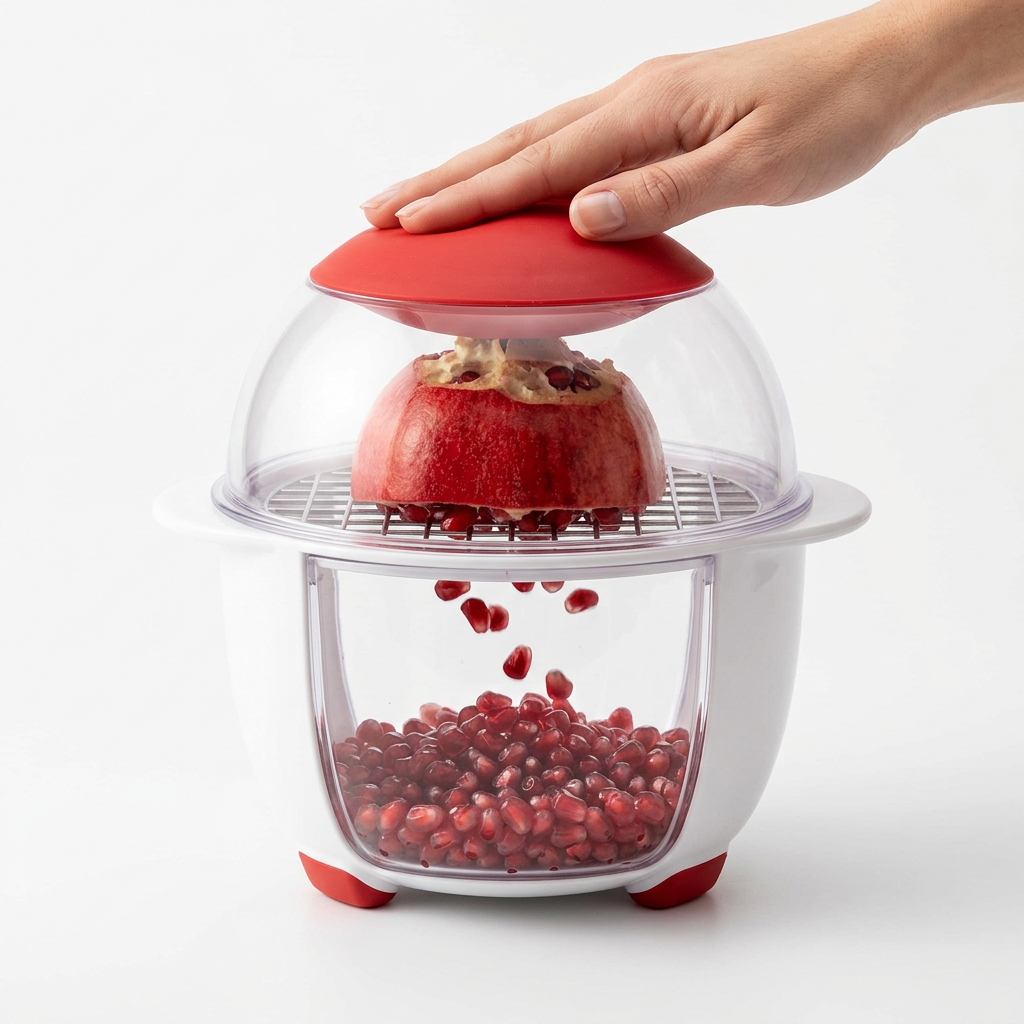
The complexity of this syrup comes from the tannins found in the skin and the membrane of the pomegranate seeds. When you produce this in your own kitchen, it is imperative to ensure that your juice extraction process does not crush the bitter white pith of the fruit. Excessive contact with the pith introduces astringency that can ruin a batch. Professional chefs utilize specific extraction methods to ensure the juice is clean, vibrant, and devoid of the "woody" flavor that can occur from over-processing.
Crafting Your Own: The Home Cook’s Reduction
While you can purchase excellent versions, there is a profound sense of satisfaction in reducing your own fruit juice at home. It allows you to control the exact degree of viscosity and the intensity of the flavor. To begin, you will need roughly four to six large pomegranates to yield about two cups of juice. The process is a test of patience, as the reduction must be done over low, steady heat to prevent the sugars from scorching.
Step-by-Step Reduction Method
Why Heavy-Bottomed Pans Matter
Using a heavy-bottomed pan is not just a suggestion; it is a necessity. Thin pans create hot spots, which lead to uneven caramelization. Since pomegranate juice is high in natural fructose, it is remarkably prone to burning. A heavy-bottomed stainless steel saucepan provides the thermal mass required to maintain a consistent, low temperature, ensuring that the reduction is smooth, glossy, and free from the acrid, burnt notes that characterize poor execution.
Fesenjan: The Crown Jewel of Persian Stews
Perhaps no dish better illustrates the power of this ingredient than Fesenjan, a traditional Persian stew made with ground walnuts, pomegranate molasses, and poultry. This dish is a study in texture and flavor. The walnuts provide a creamy, fatty body, while the pomegranate molasses cuts through that richness with its sharp acidity. The result is a dark, luxurious, and deeply satisfying sauce that coats the meat perfectly.
Mastering the Balance
The secret to a great Fesenjan is the toast of the walnuts. You must roast them until they are fragrant and a deep golden brown before grinding them into a paste. Once you combine the walnut paste with the pomegranate molasses and chicken stock, the stew must be cooked low and slow. The molasses will darken the sauce into a rich, mahogany color as it melds with the natural oils released by the walnuts. If the sauce becomes too thin, the walnuts will continue to thicken it as they release their starches.
"In the hierarchy of stews, Fesenjan is an intellectual dish. It does not rely on intense heat or heavy spices, but rather on the elegant marriage of fat and acid."
Chef’s Tips for Fesenjan Success
Fat Content:* Do not skim all the fat from the top of the stew. That walnut oil is what gives the dish its characteristic sheen and luxurious mouthfeel.
Spice Integration:* Use a pinch of cinnamon or turmeric to bridge the gap between the savory walnuts and the tart pomegranate.
Texture Adjustments:* If you prefer a smoother sauce, blend the walnuts into a fine meal rather than chopping them coarsely. If you like texture, leave a handful of crushed nuts to be added toward the end of the cooking process.
Elevating Your Salads and Dressings
Beyond the slow-cooked braises, pomegranate molasses is a superior addition to salad dressings. Its thick consistency allows it to emulsify beautifully with high-quality extra virgin olive oil. Because it is much more acidic and concentrated than standard balsamic vinegar, you will need to adjust your ratios accordingly. A traditional vinaigrette usually follows a three-to-one ratio of oil to acid, but when working with this syrup, a four-to-one or even five-to-one ratio is often safer to keep the salad from becoming overly sharp.
The Perfect Vinaigrette
To create a vibrant dressing, whisk together one tablespoon of pomegranate molasses, four tablespoons of fruity olive oil, a half-teaspoon of Dijon mustard, and a pinch of sea salt. The mustard acts as a stabilizer, helping the oil and the dense syrup integrate into a unified, glossy dressing. This mixture is particularly potent when paired with bitter greens like arugula, radicchio, or kale, which can stand up to the intense flavor of the fruit.
Pairing with Roasted Vegetables
Roasted root vegetables, such as beets, carrots, and parsnips, are transformed by a light glaze of pomegranate molasses. The sweetness of the vegetables pairs perfectly with the tart syrup. Roast your vegetables until they are tender and caramelized, then whisk together a quick glaze of one part molasses to one part honey, and brush it over the vegetables during the last five minutes of roasting. The heat will cause the sugars to bubble and create a sticky, candy-like coating that is irresistible.
The Science of Glazing: Meats and Marinades
When using this ingredient as a glaze for meats, you are tapping into the principles of Maillard reaction and caramelization. Because the syrup is already highly concentrated, it will burn much faster than a standard barbecue sauce. This is why it is best applied in the final stages of cooking, or used as a part of a marinade that is cooked at a moderate temperature. When used as a marinade, it acts as a tenderizer due to its acidity, breaking down tough muscle fibers over a period of four to twelve hours.
Techniques for Grilling and Roasting
When applying a pomegranate glaze to a protein, such as a leg of lamb or chicken thighs, the timing must be precise. If you apply the glaze too early, the sugars will carbonize and turn bitter before the meat is cooked through. Instead, season the meat with dry spices like cumin, coriander, and sumac first. Roast or grill the meat until it reaches the desired internal temperature, then apply the glaze in the final five to ten minutes of cooking.
Marinade Ratios for Maximum Tenderness
If you are preparing a marinade for a tougher cut of meat, create a base using yogurt, minced garlic, pomegranate molasses, and a splash of olive oil. The lactic acid in the yogurt works alongside the tartness of the pomegranate to tenderize the meat, while the garlic and molasses provide a complex, savory crust upon searing. This is a classic technique used throughout the Levant for preparing shish tawook or lamb skewers.
Exploring Global Fusion: Beyond Persian Borders
While the roots of this ingredient are firmly planted in Persian and Middle Eastern cuisine, the modern home cook has the freedom to experiment with fusion. The distinct flavor of pomegranate works remarkably well in dishes that typically call for tamarind or balsamic reduction. In Southeast Asian-inspired cooking, you can use the syrup to add a sweet-tart note to stir-frys, pairing it with ginger, chili, and soy sauce. The interplay between the saltiness of the soy and the acidity of the pomegranate is truly spectacular.
Fusion Ideas for the Creative Chef
Pomegranate Glazed Salmon:* Use the syrup as a base for a glaze with honey, lime juice, and grated ginger.
Roasted Squash Soup:* Stir a teaspoon of the molasses into a creamy butternut squash or acorn squash soup for a bright finish that cuts through the cream.
Cheese Boards:* Drizzle the syrup over a fresh wedge of goat cheese or labneh. The creaminess of the cheese is the perfect canvas for the sharp, fruit-forward notes of the molasses.
Balancing with Herbs
When moving outside of traditional Persian recipes, don't be afraid to use fresh herbs to provide balance. Mint, parsley, and cilantro are natural companions to pomegranate. A salad of cucumbers, tomatoes, and red onions dressed with olive oil and pomegranate molasses is elevated tenfold by a generous handful of chopped fresh mint. The mint adds a cooling sensation that works in direct opposition to the sharp heat of the pomegranate, creating a balanced bite that feels light and refreshing.
Final Thoughts
The journey to mastering pomegranate molasses is essentially a journey toward understanding balance. As home cooks, we often default to salt or fat when we want to adjust the profile of a dish, forgetting that acid is the most important tool in our arsenal. This syrup provides an acidic profile that is far more nuanced than vinegar or lemon juice. It has body, it has history, and it has an intensity that forces you to be deliberate with your cooking. When you master the art of using this syrup, you aren't just following a recipe; you are engaging with an ancient tradition of flavor curation.
Remember that the best culinary outcomes are rarely the result of a single ingredient, but rather the result of knowing exactly when and how to apply it. Whether you are reduction-testing in your kitchen, crafting a traditional Fesenjan for a dinner party, or simply whisking a quick vinaigrette for a weeknight dinner, let the pomegranate be your guide. It is an ingredient that demands your attention, rewards your patience, and ultimately elevates every dish it touches. Take your time, taste frequently, and do not be afraid to lean into the sweet-tart intensity that makes this ingredient so legendary.
As you continue to explore the culinary possibilities of your pantry, keep this guide as a reference point for when you need that extra spark of acidity or a touch of depth. The beauty of this ingredient is that it is forgiving once you understand the basic ratios. If you find your dish is missing that "something," check your acid balance; nine times out of ten, a small, measured addition of pomegranate molasses will provide the missing link. From my kitchen to yours, happy cooking, and may your syrups always be perfectly reduced and your dishes always perfectly balanced. You now possess the knowledge to turn a simple bottle of fruit reduction into the most sophisticated component of your culinary repertoire.
Get the Next Recipe
Weekly recipes, techniques, and gear picks — straight to your inbox.
