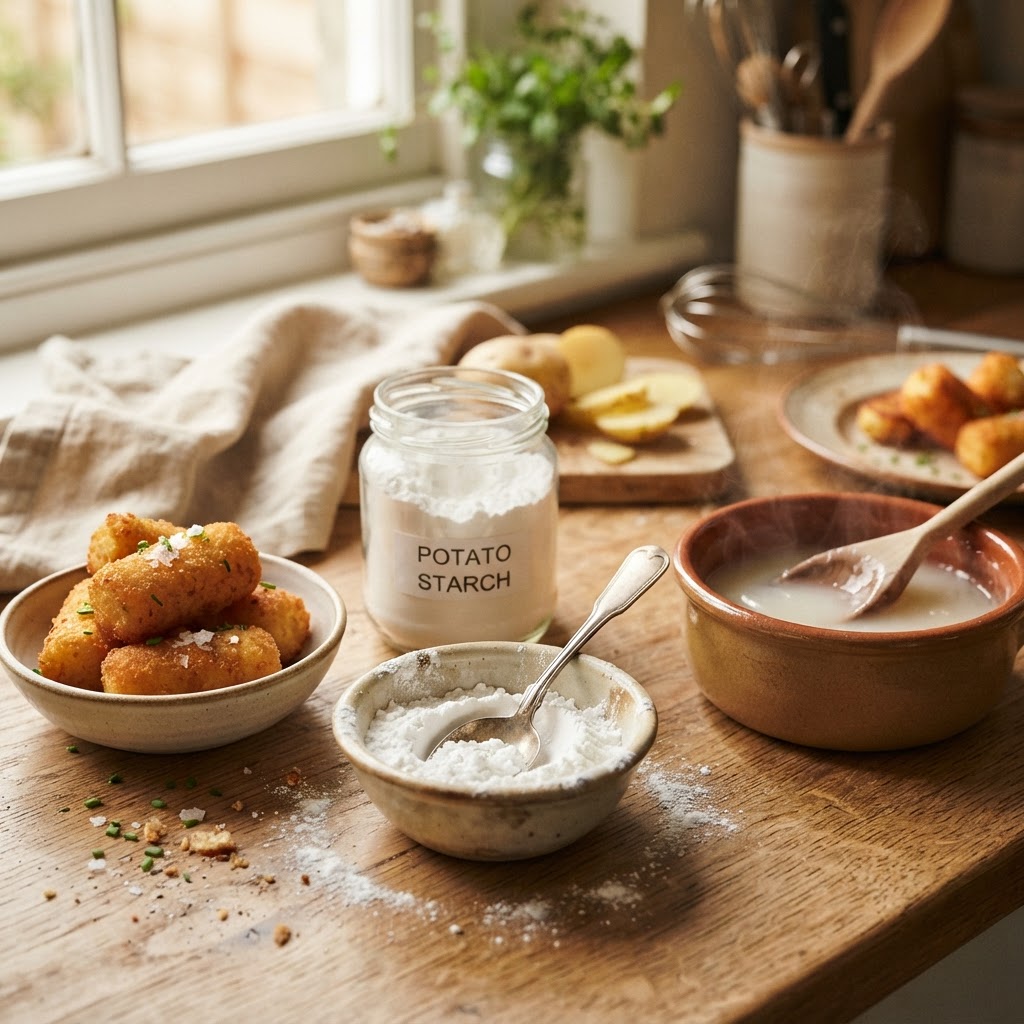
The Home Cook’s Guide to Potato Starch: Mastering Selection and Usage for Crispy Frying and Silky Sauces
Walk into any professional kitchen, and you will find a quiet workhorse sitting on the dry storage shelf that rarely gets the glory of a top-shelf spice or a fancy balsamic vinegar. Potato starch is the culinary equivalent of the reliable stagehand who makes the lead performer look brilliant under the lights without ever asking for a curtain call. For the home cook, understanding this unassuming white powder is the single greatest leap forward in achieving restaurant-quality textures at home. It is a refined flour derived from the tubers of the potato, separated from the pulp, and dried into a fine, stark-white dust that feels almost squeaky between your fingers. While many home cooks reach for all-purpose flour out of habit, those who master potato starch unlock the secrets to a glass-like crunch on fried chicken and a velvet-smooth sheen on delicate sauces that flour simply cannot replicate.
The magic of potato starch lies in its molecular structure, specifically its high amylopectin content, which gives it incredible thickening power and a neutral flavor profile that doesn't mask the ingredients it is meant to highlight. Unlike cornstarch, which can sometimes leave a chalky aftertaste or turn gummy if not cooked out sufficiently, potato starch behaves with a grace and clarity that is prized by pastry chefs and stir-fry masters alike. It is essentially pure carbohydrate, lacking the proteins that cause browning and gluten development in wheat flours. This makes it a gluten-free powerhouse, but more importantly, it makes it a precision tool for the modern kitchen. When you learn to harness its hydration properties and its ability to gel at lower temperatures, your cooking will instantly transition from heavy, muddied flavors to clean, vibrant, and perfectly textured dishes.
In the upcoming guide, we are going to pull back the curtain on why this ingredient deserves a permanent spot in your pantry. We will walk through the science of how it creates a "shattering" crust on proteins, how to build a proper slurry that avoids the dreaded clumping, and how to troubleshoot common mistakes that lead to lackluster results. Whether you are aiming to recreate that ultra-crispy Taiwanese popcorn chicken or looking to achieve the perfect gloss on a Cantonese-style gravy, the techniques shared here will serve as your blueprint. We are moving beyond the basics to help you internalize the why behind the how, ensuring that every dish you plate possesses the structural integrity and mouthfeel of a high-end bistro creation. By the end of this exploration, you will understand exactly why, when the textures are perfect, we can always just blame the chef.
The Chemistry of Crisp: Why Potato Starch Rules the Fryer
When we discuss the perfect fried exterior, we are talking about thermal conductivity and moisture management. Potato starch is superior to wheat flour for frying because it absorbs significantly less oil and undergoes a rapid gelatinization process when it hits the hot fat. Because it lacks gluten, it doesn't form a heavy, doughy barrier around your food; instead, it forms a fine, crisp crystalline structure that stays crunchy even when tossed in sauce. This is why it is the gold standard for Japanese Karaage and Korean fried chicken.
Understanding Gelatinization and Moisture
To get the best results, you must understand that potato starch granules swell and rupture at a lower temperature than those of other starches. As the surface moisture of your protein meets the starch, a temporary paste is formed, which then dehydrates almost instantly in oil heated to 350°F to 375°F (175°C to 190°C). This creates an impenetrable shield that locks the juices inside the protein while the exterior reaches a state of glassy perfection.
"Potato starch isn't just an ingredient; it is a structural engineer for the plate. It transforms the way heat interacts with your food, turning a soggy disappointment into a masterpiece of texture."
The Dual-Dredge Technique
To achieve professional results, do not simply toss your chicken or tofu in a bowl of starch. Use the two-stage dredge method:
The Art of the Slurry: Thickening with Precision
One of the most frequent points of failure for home cooks is the "lumpy slurry." We have all experienced the tragedy of a beautiful pan sauce that suddenly contains gelatinous balls of raw starch. This happens because the starch is added incorrectly to the hot liquid, causing the exterior of the starch granules to hydrate and seal up before the center can cook through. To avoid this, your slurry must be a perfectly homogenous mixture of starch and cold liquid—either water, broth, or wine.
The Golden Ratio
The ratio of starch to liquid is critical. For a standard stir-fry sauce or a delicate glaze, a ratio of 1:2 (one part starch to two parts cold liquid) is the industry standard. If you are aiming for a thicker, gravy-like consistency, you might push it to 1:1.5. Always whisk the slurry immediately before adding it to the wok or pan, as the starch will settle to the bottom of the container within seconds due to its density.
Tempering and Cooking Out
Never dump the slurry directly into a boiling pot. Instead, pour it in a thin, steady stream while whisking the liquid constantly. Once the slurry is incorporated, stop stirring immediately and let the sauce reach a gentle simmer. You must cook the sauce for at least 60 to 90 seconds to ensure the starch is fully hydrated and the "raw" flavor is completely cooked out. If you pull it off the heat too early, the sauce will eventually lose its viscosity and "break."
Potato Starch vs. Cornstarch: Knowing the Difference
Many recipes use these terms interchangeably, but a seasoned chef knows they perform differently. Cornstarch is derived from the endosperm of the corn kernel and contains a small amount of protein and fat, which makes it more stable for long-simmering applications. Potato starch, however, is significantly more powerful as a thickener and offers a much clearer, more transparent finish.
Clarity and Sheen
If you are making a delicate fruit filling or a crystal-clear consommé, potato starch is your only choice. Cornstarch produces an opaque, slightly milky appearance. Because potato starch granules are larger and have a higher swelling power, you actually need to use less of it than you would cornstarch to achieve the same thickening result. A general rule of thumb is that one tablespoon of potato starch is equivalent to roughly two tablespoons of cornstarch in terms of thickening power.
"The difference between a home-cooked meal and a professional dish often comes down to the clarity of the sauce. Potato starch provides that mirror-like sheen that signals a dish has been crafted with intention and technique."
Heat Sensitivity
Be aware that potato starch is less tolerant of long, vigorous boiling. If you are making a stew that needs to simmer for hours, add your potato starch slurry toward the very end of the cooking process. Over-boiling will cause the long-chain polymers in the starch to break down, resulting in a thin, watery sauce that has lost all its body. Cornstarch is more forgiving in this regard, but it lacks the elegant mouthfeel that potato starch provides.
The Secret Ingredient in Baking
While we often associate potato starch with savory cooking, it is a secret weapon in the pastry kitchen. When baking cakes, cookies, or muffins, substituting a portion of the flour with potato starch can fundamentally change the tender crumb. By reducing the overall gluten content of the recipe, potato starch prevents the formation of long, tough strands of protein, resulting in a softer, lighter, and more delicate crumb.
The Flour Substitution Ratio
For most cake recipes, you can replace up to 20% of your all-purpose flour with potato starch to achieve a lighter texture. If you are looking to create a gluten-free blend, a combination of potato starch, white rice flour, and xanthan gum is the gold standard for mimicking the performance of wheat flour. Always sift the starch multiple times when dry-mixing to ensure there are no clumps, as potato starch is prone to compacting in the bag.
Moistness and Shelf Life
Beyond texture, potato starch has an incredible ability to hold onto moisture. Because of its hygroscopic nature, cakes made with a percentage of potato starch tend to stay moist for longer periods compared to those made with 100% wheat flour. This is particularly useful in gluten-free baking, where the lack of structure usually leads to rapid staling. Incorporating potato starch creates a crumb that retains its "bounce" even a day or two after baking.
Mastering the "Velveting" Technique
If you have ever wondered why Chinese restaurant dishes feature such incredibly tender meat, the answer is a technique called velveting. This involves marinating protein—typically chicken or beef—in a mixture of potato starch, egg white, a touch of oil, and soy sauce. The potato starch acts as a moisture-retaining coating that protects the protein from the harsh heat of the wok, resulting in a texture that is impossibly soft and succulent.
The Marinade Process
To velvet your protein:
Why Potato Starch Excels Here
Other starches can feel slimy when used in velveting, but potato starch provides a clean, neutral mouthfeel that disappears into the sauce. It also helps the sauce adhere to the meat. When you throw your vegetables and aromatics into the wok and add the sauce, the residual starch on the meat will thicken the liquid instantly, creating a perfectly cohesive coating that clings to every piece.
Troubleshooting Common Starch Disasters
Even the best chefs have dealt with a sauce that turned into wallpaper paste or a fried crust that turned soggy within minutes. Most of these issues come down to temperature control or improper ratio management. If your sauce is too thick, do not panic; it is much easier to thin a sauce than it is to thicken one. Simply whisk in a teaspoon of hot water or broth at a time until you reach the desired consistency.
When Things Go Wrong
If your sauce is clumpy, you have likely added the slurry too fast or into liquid that wasn't hot enough. If you find yourself in this situation, do not try to stir it out. Instead, run the sauce through a fine-mesh sieve into a clean pan, bring it back to a gentle simmer, and try adding a fresh, well-whisked slurry very slowly. If your fried food is soggy, your oil temperature was likely too low or you overcrowded the pan, causing the temperature to plummet.
"Cooking is an iterative process. If your sauce breaks or your fry isn't crispy, look at the science rather than blaming your skill. Adjust your heat, tweak your ratio, and keep going."
Best Practices for Storage
Potato starch is extremely shelf-stable, but it must be kept dry. Because it is highly absorbent, it will pull moisture from the air, which can cause it to clump in the container. Always store it in an airtight glass or plastic container in a cool, dark pantry. If you live in a humid environment, consider tossing a small food-grade silica packet into the container to ensure the starch remains free-flowing and ready for your next culinary adventure.
The Professional Chef’s Workflow
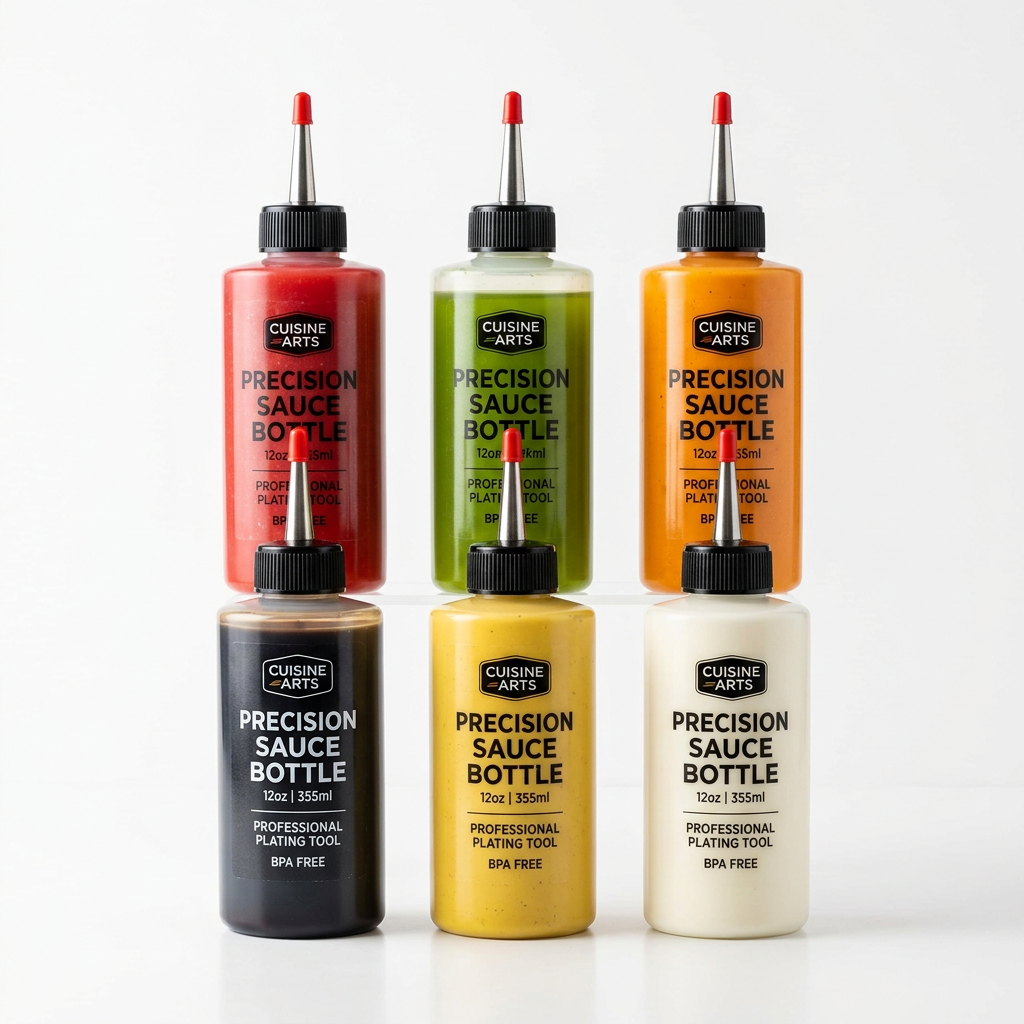
In a professional setting, we don't treat starch as an afterthought; it is part of the mise-en-place. We keep a dedicated squeeze bottle of slurry near the wok station for instant thickening and a shallow hotel pan of seasoned potato starch for quick frying. Having these components prepped and ready allows for speed, which is the primary driver of quality in a busy kitchen.
Prep Ahead for Success
For the home cook, setting up a "starch station" can change your life. Keep a small jar of a pre-mixed 1:2 slurry in your fridge—it stays good for several days—and always keep a shaker bottle filled with a mix of potato starch and a touch of salt and white pepper. When you are ready to fry, you simply shake, dredge, and drop. This reduction in friction makes it much more likely that you will use the proper techniques even on a busy weeknight.
Expanding Your Repertoire
Once you have mastered the basics of frying and thickening, start experimenting with different applications. Try using potato starch to make a "glass" crust on seared scallops, or use it to stabilize a homemade whipped cream that needs to hold up for a dinner party. The versatility of potato starch is limited only by your understanding of its structural properties. As you gain confidence, you will find that it is the secret ingredient in so many of your favorite restaurant dishes, from the glossy coating on General Tso’s chicken to the airy texture of a perfect soufflé.
Final Thoughts
Mastering potato starch is about embracing the subtleties of texture. It is a humble ingredient, yet it exerts a powerful influence over the final sensory experience of your food. By understanding how to properly hydrate, heat, and apply this starch, you are moving away from the guesswork of amateur cooking and into the realm of controlled, professional technique. You are now equipped to create that elusive, shattering crunch in your frying, the sophisticated sheen on your pan sauces, and the delicate, airy crumb in your baked goods.
As you move forward in your culinary journey, remember that the "Blame The Chef" philosophy is built on the idea that mistakes are simply opportunities to learn the science behind the art. When a dish fails, look to your ingredients—did you balance your ratios? Was your temperature consistent? Did you respect the hydration time of the starch? By asking these questions, you are evolving from someone who just follows a recipe into a true practitioner of the culinary arts.
Keep your potato starch dry, your oil hot, and your slurry well-mixed. Practice these techniques until they become second nature, and soon you will find that the textures you once thought were exclusive to high-end kitchens are easily achievable in your own home. There is no greater satisfaction than presenting a dish with a perfectly crisp exterior or a sauce that glistens with professional precision. Take these tools, apply them with care, and the next time someone compliments your cooking, you can simply smile and say, "Blame the chef."
The journey to culinary excellence is rarely about secret, expensive ingredients; it is about the mastery of the basics. Potato starch is one of those foundational elements that, when understood, acts as a force multiplier for your skills. As you continue to experiment, document your ratios and your results. You will find that even small adjustments in your starch-to-liquid ratios can lead to significant differences in the final mouthfeel of your dishes. Enjoy the process of discovery, and let the science of the kitchen elevate every meal you prepare. Your home kitchen is your laboratory, and with the right starch in your pantry, the possibilities for creating restaurant-quality textures are truly endless. Continue to push, continue to cook, and always keep your pantry stocked with the essentials. Happy cooking.
Get the Next Recipe
Weekly recipes, techniques, and gear picks — straight to your inbox.
