
The Home Cook's Guide to Roasting Whole Fish: Crispy Skin, Moist Flesh
There is something undeniably primal and celebratory about bringing a whole roasted fish to the dining table. For many home cooks, the mere prospect of staring down a fish with its eyes still intact feels like a culinary rite of passage that bridges the gap between amateur enthusiast and confident kitchen artist. We often shy away from whole fish because of the perceived complexity, fearing dry flesh, rubbery skin, or the daunting task of navigating bone structures. Yet, when executed correctly, a whole roasted fish represents one of the most efficient, flavorful, and impressive meals you can prepare. It is a technique that demands respect for the ingredient, rewarding you with a succulent, flaky masterpiece that simply cannot be replicated by individual fillets.
At its core, roasting a whole fish is about mastering the balance between ambient heat and time. Unlike individual steaks or fillets, a whole fish is protected by its skin and, if left intact, the internal bone structure, which helps to distribute heat more evenly and preserves the precious juices trapped within the cavity. When you learn to harness the oven’s potential, you stop worrying about the "fishy" smells that plague pan-searing and instead invite the delicate, oceanic aroma of rosemary, lemon, and high-quality olive oil into your home. This guide aims to demigod the process, stripping away the intimidation factor and replacing it with precise techniques that ensure crispy skin and moist, tender flesh every single time you fire up the oven.
To begin this journey, we must shift our perspective on what it means to shop for seafood. Freshness is not merely a suggestion; it is the absolute foundation of a successful roast. A whole fish should have clear, bulging eyes, bright red or pink gills, and skin that feels firm and resilient to the touch, not slimy or loose. We are going to walk through the procurement, the preparation, and the technical application of dry heat, ensuring that you feel as comfortable with a whole branzino or snapper as you do with a humble roast chicken. Prepare to set aside your fears and embrace the most rewarding method of cooking seafood, where the chef’s greatest tool is patience, and the result is a dish that speaks for itself.
The Foundation of Excellence: Selection and Prep
Choosing the right fish is the first step toward greatness. For the beginner, I always recommend starting with a white-fleshed, mild fish such as branzino, snapper, or sea bream. These varieties are incredibly forgiving, hold up well under high heat, and possess a structure that makes them easy to plate and serve once they are cooked through. When you are at the fishmonger, don't be afraid to ask questions about when the fish was landed. A fish that has spent three days on ice in a distribution center will never achieve the same structural integrity as one caught within the last twenty-four hours.
Preparation begins with a thorough cleaning and a critical eye toward moisture. Even if your fishmonger has scaled and gutted the fish, you must verify the work at home. Run your knife blade against the grain of the scales to ensure no rogue bits remain, as these turn chewy and unpleasant in the oven. The cavity must be rinsed under cold running water to remove any remaining bloodline along the spine, which can add a bitter, metallic flavor to the finished dish. Once cleaned, the most important step is to pat the fish thoroughly dry inside and out with paper towels. Moisture is the enemy of the Maillard reaction; if your skin is wet, it will steam rather than crisp.
The Importance of Aromatics
Once the fish is dry, you must season it with intention. The cavity is not just a hollow space; it is a flavor delivery system. Stuffing the fish with sliced lemons, fresh herbs like flat-leaf parsley, dill, or thyme, and a few cloves of smashed garlic creates a fragrant steam that penetrates the flesh from the inside out. Do not overstuff, as you want the air to circulate effectively, but be generous with your seasoning. Salt the cavity lightly before adding your aromatics, as this ensures the internal flesh is seasoned just as well as the exterior skin.
"The true secret to a perfectly roasted fish lies in the marriage of aggressive exterior seasoning and the subtle, infused aromatics tucked deep within the belly of the beast."
Mastering the Science of High-Heat Roasting
The physics of roasting a whole fish relies on an oven temperature that is high enough to render fat and blister the skin without drying out the delicate protein beneath. I suggest an oven temperature of 425 degrees Fahrenheit (218 degrees Celsius). This temperature is the "sweet spot" for most whole fish weighing between 1.5 and 2.5 pounds. If the oven is too cool, the fish will take too long to cook, resulting in a soft, flabby texture; if it is too hot, the skin will burn before the internal temperature reaches the ideal degree of doneness.
Creating the Ideal Micro-Climate
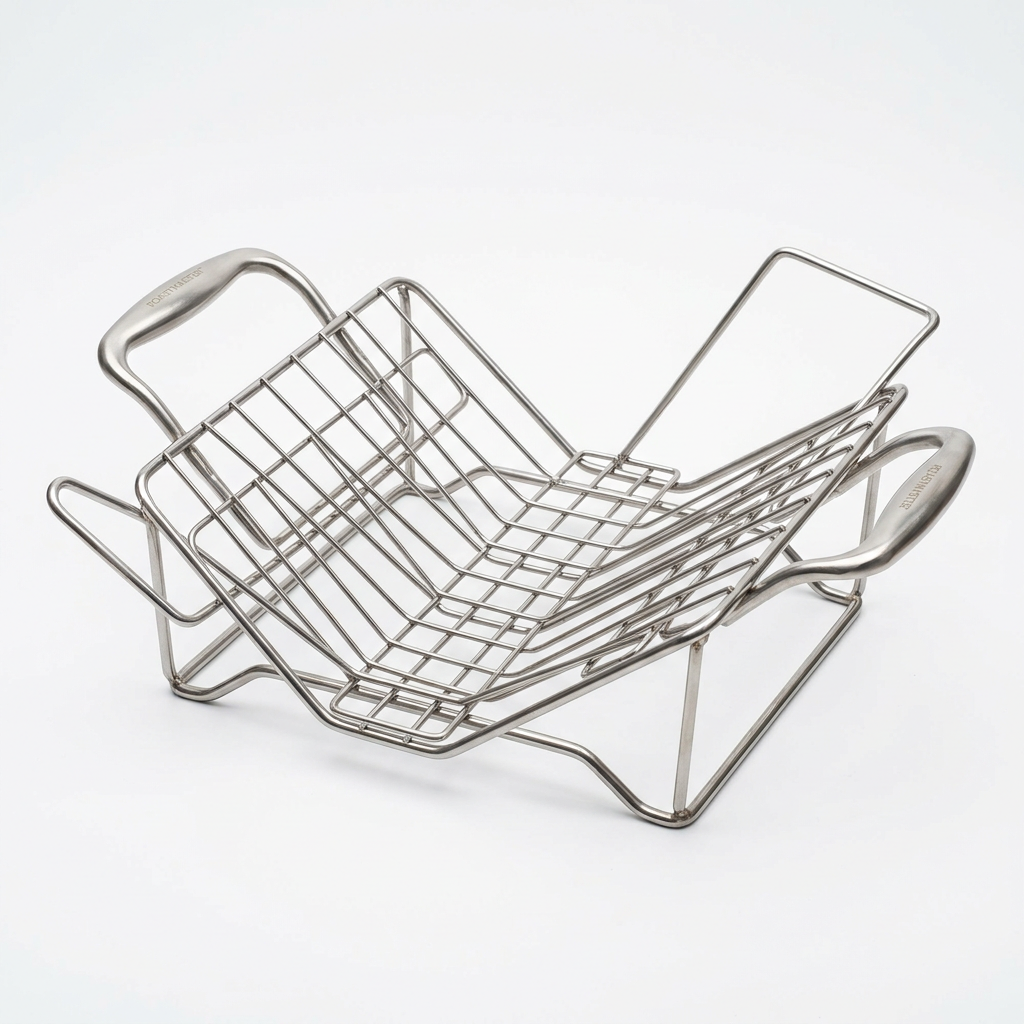
To ensure the fish doesn't stick to the baking sheet—a common tragedy for home cooks—always utilize a bed of sliced aromatics or a lightly oiled rack. If you choose to roast directly on a sheet pan, ensure the pan is preheated or use a high-quality piece of parchment paper brushed with oil. I prefer laying down a base of thinly sliced fennel, shallots, or lemon wheels. This creates a natural barrier between the fish and the metal, imparts flavor through direct contact, and prevents the skin from tearing when you try to lift the fish onto a serving platter.
When placing the fish into the oven, position it in the center to ensure even air circulation. If you are roasting more than one fish, ensure they are not touching; crowded pans create pockets of steam that will ruin your chances of achieving that coveted crispy skin. If your oven has a convection setting, you might consider dropping the temperature to 400 degrees Fahrenheit (200 degrees Celsius), as the fan will accelerate the cooking process significantly.
The Art of Scoring and Seasoning
Scoring the skin of the fish is not merely for aesthetics; it is a functional technique that aids in even cooking and prevents the skin from bubbling and breaking as the fish expands under heat. Using a sharp, thin-bladed knife, make three or four shallow diagonal cuts on each side of the fish. These cuts should go deep enough to hit the bone but should not be jagged or wide. This allows the heat to penetrate the thicker parts of the flesh, ensuring that the meat near the spine cooks at the same rate as the thinner parts near the belly.
The Science of Salting
Seasoning must be liberal. Because the skin acts as a barrier, you need to use more salt than you might think. A coarse, high-quality sea salt or kosher salt is preferred here. Rub the fish with a generous amount of high-smoke-point oil, such as avocado oil or a refined olive oil. Avoid extra virgin olive oil for the initial rub, as its smoke point is too low and the delicate flavors will be lost or turned bitter by the high oven heat. Instead, save your premium cold-pressed extra virgin olive oil for a generous drizzle after the fish has emerged from the oven.
Understanding Doneness: Beyond the Timer
One of the greatest challenges for home cooks is determining when the fish is perfectly cooked. Relying solely on a timer is a gamble, as ovens vary and the thickness of fish differs wildly even within the same species. Instead, learn to trust the visual and tactile cues that the fish provides. The flesh should transition from translucent to an opaque, milky white. When you poke the thickest part of the fish with a paring knife or a cake tester, the flesh should give way easily, and the bone should offer only slight resistance.
The Flake Test
The most reliable method is the "flake test." Using a fork, gently press into the flesh near the backbone; if the flakes separate easily and look moist rather than fibrous or dry, the fish is ready. If you are a fan of precision, use an instant-read digital thermometer. You are looking for an internal temperature of approximately 135 to 140 degrees Fahrenheit (57 to 60 degrees Celsius) at the thickest point near the spine. Carry-over cooking will bring the temperature up a few degrees once you remove it from the heat, so pulling the fish at 135 degrees is a safe bet for a succulent result.
"A well-cooked fish is never a matter of luck; it is a result of observing the subtle changes in texture and color that occur as the proteins coagulate and the moisture evaporates."
The Final Flourish: Plating and Serving
Once your fish is out of the oven, it requires a short rest of about three to five minutes. This allows the juices to redistribute throughout the flesh, ensuring that the first bite is just as moist as the last. Resist the urge to tear into it immediately. While the fish rests, you have the perfect window to prepare your finishing touches. A bright, herbaceous sauce like a salsa verde or a simple beurre blanc adds a layer of complexity that elevates the dish from a simple roast to a restaurant-quality meal.
Service Etiquette
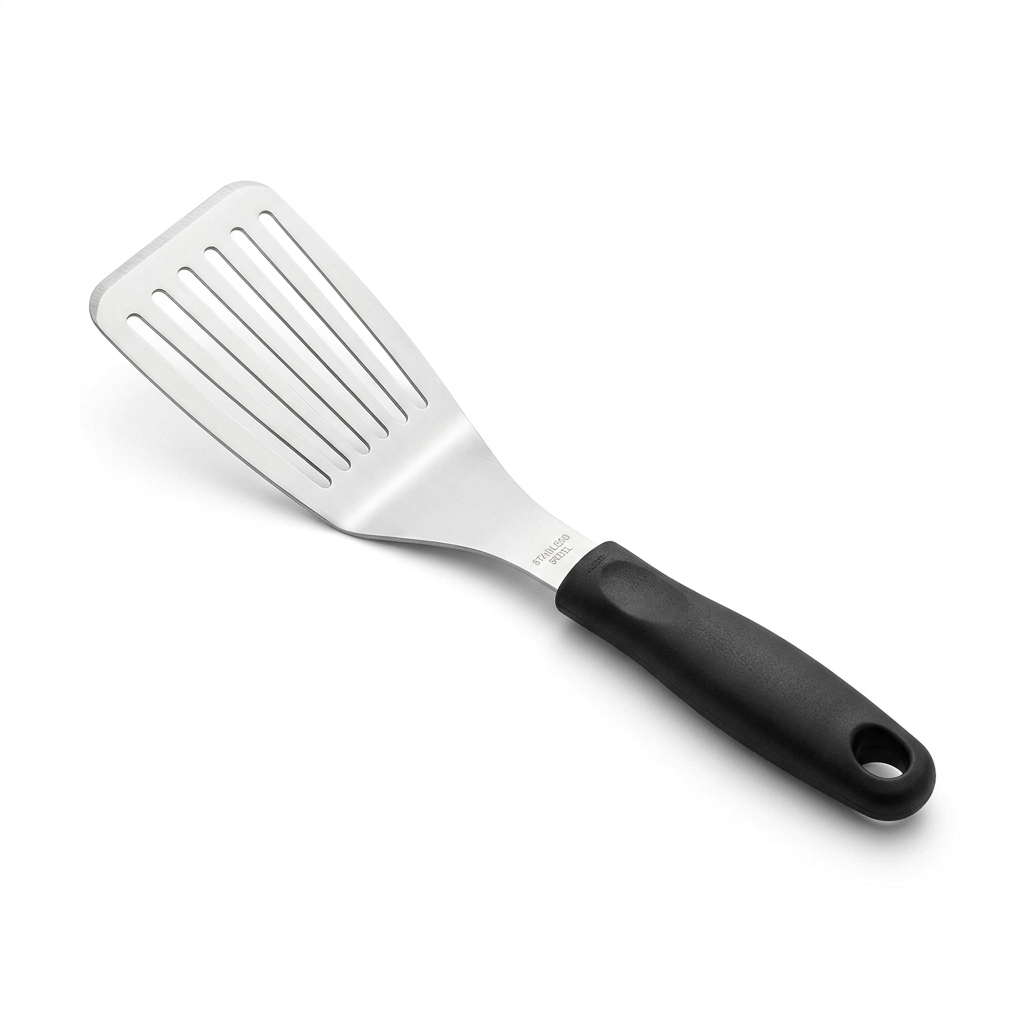
Serving a whole fish is a theatrical affair. Present the fish whole on a long, warmed platter, perhaps garnished with fresh parsley and extra lemon wedges. To serve, use a long serving spoon or fish spatula to gently lift the fillets off the bone. Start by running your knife along the backbone, then lift the top fillet away in one piece. Once the top is consumed, simply lift the central spine away (the head and tail will usually come with it) to reveal the bottom fillet. It is a clean, efficient process that showcases the cook's mastery over the ingredient and creates a wonderful communal experience at the table.
Advanced Techniques: Salt Crusting and Beyond
For those who have mastered the standard roast, the salt-crusted method is the logical next step. By encasing the fish in a mixture of salt, egg whites, and sometimes herbs, you create a natural oven-within-an-oven. This technique keeps the fish in an incredibly moist environment, as the steam is trapped inside the hardened salt shell. The resulting flavor is incredibly clean, as the salt does not penetrate the fish as much as you might fear; rather, it steams the fish in its own juices. It is a foolproof method for large, high-quality fish like sea bass or red snapper.
Experimenting with Flavors
Once you are confident with the roasting method, begin experimenting with global flavor profiles. Move beyond the classic lemon-herb Mediterranean style and explore Southeast Asian influences by stuffing the cavity with ginger, lemongrass, and kaffir lime leaves. A glaze of miso and soy sauce applied halfway through the roasting process can create a beautiful caramelized finish, though you must monitor the sugar content closely to ensure the skin doesn't char. The beauty of whole roasted fish is its versatility; it serves as a blank canvas for the flavors you love most.
Troubleshooting Common Culinary Pitfalls
Even the most seasoned chefs encounter issues from time to time. If you find your skin is tearing when you attempt to remove the fish, it is usually a sign that you didn't allow the fish to cook long enough or that your tray was not adequately oiled. Remember, the protein bonds to the metal when it is cold, but releases once it is properly seared and cooked. If you are struggling with a fish that is overcooked in some spots and raw in others, check the placement of your rack. If your oven has hot spots, rotate the tray halfway through the cooking time to ensure consistent heat application across the entire surface.
Safety and Hygiene
Working with whole fish requires a focus on food safety. Always ensure that your workstation is sanitized immediately after prep. Since you are dealing with bones, warn your guests that the fish is served whole, which is part of the charm but requires mindful eating. The bones are large and easy to spot, but it is always good practice to remind diners to navigate carefully. When you treat the fish with the respect it deserves, from the moment you select it at the market to the moment you place the final garnish on the platter, the process becomes less of a chore and more of an expression of culinary joy.
Conclusion
Mastering the roast of a whole fish is one of the most rewarding endeavors a home cook can undertake. It demands that you engage all of your senses—touch, smell, sight—to understand when the protein is at its peak. By controlling your environment, respecting the integrity of the skin, and utilizing high-quality, simple aromatics, you can transform a relatively humble ingredient into a centerpiece that commands attention. Do not let the eyes of the fish intimidate you; let them remind you that you are preparing a meal in its most natural, honest form.
As you continue to practice this technique, you will find that your confidence in the kitchen grows, not just with fish, but with the broader principles of roasting and heat management. There is no shortcut to excellence, but there is a clear, repeatable path to success. The next time you find yourself at the fish counter, bypass the pre-cut fillets and challenge yourself to pick out a beautiful, whole fish. Take it home, dry it, season it, and roast it with the confidence of a professional chef. You will soon realize that the "Blame The Chef" philosophy isn't about shifting responsibility when things go wrong, but about taking full ownership of the process to ensure that everything goes exactly right. Keep your knives sharp, your oven hot, and your focus sharp, and you will never serve a boring fish dinner again.
The transition from a nervous home cook to a confident host is often marked by the ability to handle larger, more complex dishes without breaking a sweat. Roasting a whole fish is the ultimate litmus test for this growth. It requires a calm hand and a keen eye, but the payoff—a perfectly moist, beautifully presented, and flavor-packed dish—is unparalleled. Remember the fundamental steps: keep it dry, keep it hot, and keep it simple. As you master these variables, you will find that the variations are endless. Whether you are hosting an intimate dinner for two or a raucous celebration for ten, the whole roasted fish is an anchor that ties your culinary efforts together.
Finally, remember that cooking is a cumulative skill. If your first attempt isn't quite as crispy as you hoped, or if you accidentally overcook the tail, simply adjust your timing next time. Every professional chef has a history of trial and error behind their signature dishes. The key is to keep roasting, keep experimenting, and keep sharing your results with the people who matter most. When you pull that tray out of the oven, take a moment to appreciate the transformation that has occurred. You have taken raw ingredients and heat, and you have created something truly special. That, at its heart, is what cooking is all about. Enjoy the process, trust your instincts, and happy roasting.
In our current culinary landscape, it is easy to get caught up in complex gadgets, long lists of obscure ingredients, and multi-step recipes that require hours of prep. However, the most profound meals are often those that rely on the quality of the ingredient and the purity of the technique. A whole roasted fish is the embodiment of this truth. It asks very little in terms of equipment, yet it demands everything in terms of focus and timing. By embracing this approach, you are not just making dinner; you are participating in a tradition that spans centuries and cultures. You are connecting with the source of your food and presenting it to your table with pride.
As you look toward your next kitchen project, consider how the techniques you have learned here might apply to other dishes. The concept of using aromatics in a cavity can be applied to roast chickens or stuffed vegetables. The science of high-heat roasting can be applied to seasonal root vegetables or whole heads of cauliflower. The confidence you build here will permeate every other dish you create. So, stay curious, stay diligent, and most importantly, stay in the kitchen. There is always something new to learn, a new technique to refine, and a new meal to share with the people you love. Your journey toward culinary mastery is ongoing, and every whole fish you roast is a step forward on that path.
Reflecting on the entire process, it becomes clear that the secret ingredient in any recipe is the chef's own intuition. While this guide provides the structure, the "feel" for the fish is something that comes with experience. Every time you pick up your knife, every time you adjust the oven temperature, and every time you test the fish for doneness, you are building a repository of knowledge that will serve you for the rest of your life. Do not be discouraged by failures; they are the most efficient teachers in the kitchen. Instead, lean into the process, savor the aromas, and celebrate the small victories of each perfectly crisped skin and succulent fillet.
In closing, I hope this guide serves as a permanent reference for your roasting adventures. Whether you are aiming for a classic Mediterranean preparation, an experimental Asian-inspired roast, or something entirely your own, the fundamental physics of the roast remain the same. Respect the ingredients, understand the heat, and pay attention to the details. With these pillars of technique in place, you are ready to tackle anything the market throws your way. The table is set, the oven is preheated, and the fish is waiting. It is time to step up and prove to yourself that you are more than capable of delivering excellence. You are the architect of your own culinary success, one whole fish at a time. Enjoy the journey, keep the heat high, and let the results speak for themselves.
We must acknowledge that the pleasure of dining extends beyond the food itself. It is about the environment you create, the stories you share, and the effort you put into making a meal memorable. A whole roasted fish is inherently dramatic and provides a fantastic conversation piece. It forces a pause, a moment to acknowledge the meal before the service begins. It encourages engagement among guests, as they watch the process of deboning and serving. This is the essence of a truly successful dinner—a meal that nourishes the body while simultaneously creating a space for connection and enjoyment. By choosing to roast a whole fish, you are choosing to lean into that experience. You are choosing to make the meal an event, rather than just a routine necessity.
Finally, I want to offer a word of encouragement to those who still feel the lingering apprehension that comes with "trying something new." It is normal to feel nervous when preparing a new dish for guests or family. But remember that the act of cooking is an act of generosity. Your friends and family are not coming to your house to judge the crispness of your skin or the precise temperature of your fish; they are coming to share time with you. If the dish is delicious, that is a bonus. If the dish is a success, that is a victory to share. If you make a mistake, it’s a story to tell over the next glass of wine. With that mindset, you are free to explore, to fail, to succeed, and to grow. The kitchen is your domain, and the whole roasted fish is your new hallmark dish. Go forth and roast with confidence.
As we reach the conclusion of this exhaustive guide, I invite you to take a moment and re-read the core tenets. Dry the skin, preheat the oven, use aromatic stuffings, and trust your tactile cues. These are the variables you can control, and by controlling them, you control the outcome. Do not look for complexity where there is none; appreciate the elegant simplicity of a single, well-prepared ingredient. May your future roasting endeavors be marked by crackling skin, tender flesh, and the immense satisfaction of knowing you did it all yourself. You are now equipped with the knowledge, the technique, and the perspective needed to bring the finest whole roasted fish to your table.
The journey of the home cook is rarely linear. It is a spiral, moving ever upward, building on past experiences and finding new layers of understanding. This guide is a part of your foundation. Use it, modify it, and eventually, move past it as you develop your own signature style. There is no right or wrong way to cook, provided that the result is safe, flavorful, and brings joy to the table. You have the tools, you have the motivation, and now, you have the technique. Go forth and continue to challenge yourself, knowing that each time you approach the oven, you are bringing more than just heat—you are bringing your unique vision and your developing skill.
Remember the "Blame The Chef" philosophy: take responsibility, own your results, and always strive for the next level of culinary precision. The kitchen is a place of infinite potential. Every time you roast, you are exploring that potential. Keep the heat, keep the focus, and keep the passion alive. Your culinary adventure is just beginning, and with each whole roasted fish, you are laying the bricks for a lifetime of exceptional dining. Whether you serve it with a crisp white wine, a seasonal salad, or simply on its own, your effort will be recognized, appreciated, and remembered. Enjoy the fruits of your labor, and never stop learning. Your table is ready.
Lastly, as you clean your station and prepare for the next meal, remember that the true mark of a chef is not just in the cooking, but in the environment they foster. Keep your tools sharp, keep your workspace clean, and always be open to the next challenge. The whole roasted fish is a test, yes, but it is also a reward. It is a celebration of the ingredient, the technique, and the time you have spent in the kitchen. By now, you should be eager to start, to refine, and to share. Everything you need is in your hands. May your kitchen be a place of endless exploration and may your table always be full of joy. Keep roasting, keep sharing, and keep building your skills one fish at a time. You are now a master of the roasted fish, and the culinary world is yours to explore.
Get the Next Recipe
Weekly recipes, techniques, and gear picks — straight to your inbox.
