The Home Cook’s Guide to Scandinavian Fermented Fish: Mastering Traditional Preservation Techniques and Modern Flavor Pairings
The world of culinary preservation is a vast, often intimidating landscape, but few territories are as misunderstood or as profoundly rewarding as the Scandinavian tradition of fermented fish. When most people think of Nordic cuisine, their minds drift toward pristine salmon gravlax or pickled herring, yet there is a deeper, more pungent lineage that traces back centuries to the harsh winters of the North. Mastering the art of fermentation is not merely about preventing spoilage; it is about harnessing the invisible work of beneficial bacteria to transform humble ingredients into complex, umami-rich delicacies. As a home cook, stepping into this realm requires patience, respect for chemistry, and a willingness to embrace flavors that exist far outside the comfort zone of modern, mass-produced convenience foods.
To embark on this journey is to connect with the ancestors of the Scandinavian coast, who developed these techniques out of sheer necessity. Before the advent of modern refrigeration, preserving the seasonal bounty of the sea was a matter of survival, leading to the creation of iconic dishes like surströmming and rakfisk. These preparations rely on a process called lactic acid fermentation, where the controlled breakdown of proteins and fats creates a pungent, deeply flavorful result that balances salinity with a funky, addictive complexity. While the aroma of fermented fish can be startling to the uninitiated, the flavor profile is remarkably sophisticated, offering notes of aged cheese, earth, and brine that provide a perfect canvas for modern culinary interpretation.
In this guide, we will peel back the mystery surrounding these ancient methods, providing you with the technical foundation to experiment safely in your own kitchen. We will discuss the specific environmental conditions necessary for success, the vital role of salinity ratios, and the delicate balance between fermentation and decay. It is essential to remember that while this practice is deeply traditional, it is governed by rigorous biological principles that demand attention to detail. By the time you reach the end of this exploration, you will understand that "blaming the chef" is often a lighthearted way of admitting that the complexity of the plate was simply beyond the expectations of the diner—and that, in the world of fermentation, is the ultimate compliment.
The Science of Nordic Fermentation
Understanding the Microbial Environment
The foundation of any successful fermentation project lies in understanding the microbiome you are cultivating. Unlike the pickling processes that rely on vinegar to introduce acidity externally, fermentation is an endogenous process. We are encouraging specific strains of salt-tolerant bacteria to thrive while suppressing the growth of pathogens. For Scandinavian fermented fish, the primary players are lactic acid bacteria (LAB). These organisms consume the sugars present in the fish tissue and produce lactic acid, which lowers the pH of the environment, making it hostile to harmful bacteria.
Achieving the right environment requires absolute precision. Temperature is the most critical variable; these processes typically occur in a "sweet spot" between 4°C and 10°C (39°F to 50°F). If the environment is too warm, the rate of spoilage outpaces the rate of fermentation, leading to a product that is dangerous to consume. If it is too cold, the bacteria remain dormant, and the transformation never occurs. Controlling this environment at home usually involves a dedicated cellar, a cool basement, or a temperature-controlled fermentation chamber.
The Role of Salt and Osmotic Pressure
Salt acts as the gatekeeper of fermentation. It serves two distinct functions: it draws moisture out of the fish tissue—a process known as osmotic pressure—and it selectively inhibits undesirable microbial activity. For traditional Nordic methods, we generally look for a salt concentration between 5% and 8% by weight of the fish. Too little salt, and the fish will putrefy; too much, and you will inhibit the fermentation process entirely, resulting in little more than a piece of salty, raw fish.
Professional chefs often utilize dry-curing methods before introducing the fish to the fermentation vessel. By massaging the salt into the flesh, you draw out excess moisture and jumpstart the osmotic process. This pre-cure is essential for texture, as it firms the muscle fibers and ensures that the fish does not turn into a mushy slurry during the weeks of fermentation. Always use high-quality, non-iodized sea salt; the additives in table salt can sometimes interfere with the delicate bacterial balance you are working so hard to maintain.
The art of fermentation is essentially a conversation with time. You are setting the stage, providing the necessary nutrients, and then stepping back to let nature perform its alchemy. Patience is not just a virtue in this kitchen; it is the primary ingredient.
Traditional Preparations: Rakfisk and Beyond
The Craft of Rakfisk
Rakfisk is perhaps the most approachable of the fermented fish traditions for the home cook. Traditionally made from trout or char, it involves a multi-stage process of salting and "ripening" in a sealed container for two to three months. The fish is gutted and cleaned thoroughly, ensuring that all bloodlines—the main source of potential spoilage—are meticulously removed. This attention to detail during the cleaning process is what separates a gourmet result from a disastrous one.
Once cleaned, the fish is layered in a barrel with a specific amount of salt, sometimes supplemented with a small amount of sugar to encourage the initial bacterial activity. The container must be pressurized with a weight, ensuring that the fish remains submerged in its own juices, or brine. This anaerobic environment is the key to preventing the growth of mold and aerobic bacteria. Throughout the process, the vessel must be kept in a consistently cool environment, as fluctuating temperatures are the fastest way to ruin a batch.
Mastering the Anaerobic Seal
An anaerobic seal is non-negotiable. Oxygen is the enemy of the specific fermentation we are aiming for, as it encourages the growth of yeasts and molds that can introduce off-flavors. In a professional setting, we use food-grade barrels with airtight seals or weighted crocks that force the liquid to the top, completely submerging the solid material. For home cooks, high-quality glass fermentation jars with airlocks are an excellent substitute.
Essential Equipment and Safety Protocols
Sanitary Standards for the Home Kitchen
When working with raw fish that is meant to be fermented, sanitation is paramount. You are not just cooking; you are acting as a lab technician. All equipment, including knives, boards, and vessels, should be sterilized using boiling water or a professional-grade food sanitizer. A single trace of cross-contamination from non-fermented surfaces can ruin weeks of work and introduce dangerous bacteria like Clostridium botulinum.
Never take shortcuts when it comes to the quality of your fish. It must be as fresh as possible from the moment it leaves the water. If you are not catching the fish yourself, build a relationship with a local fishmonger who can guarantee the sourcing and handling timeline. The goal is to minimize the time between the fish being alive and it being securely packed in its fermentation vessel.
Identifying Success vs. Failure
A successful fermentation will yield a product that is fragrant—often described as having notes of blue cheese or aged yogurt—but it should never be repulsive. If your jar smells like rotting garbage, sulfur, or acrid ammonia, it is time to discard the entire batch. Do not be tempted to "fix" it or taste it to be sure. Trust your olfactory senses; they are your best defense against foodborne illness.
A beautiful batch of fermented fish will have a firm, buttery texture and a translucent appearance. The liquid in the jar should be slightly cloudy but not murky or bubbling aggressively. The brine itself should taste clean and saline, acting as a testament to the safety of the preservation process. If you are ever in doubt, the golden rule of fermentation applies: when in doubt, throw it out.
Fermentation is not just about preservation; it is about the elevation of flavor. By allowing the proteins to break down, you are unlocking a depth of umami that simply does not exist in fresh fish. It is a transformational experience for the palate.
Modern Flavor Pairings and Culinary Application
Balancing the Funk
Once you have achieved a successful fermentation, the real fun begins in the kitchen. Because the flavor profile of fermented fish is so intense, it acts much like an aged cheese or a high-end anchovy. You don't need a large quantity to transform a dish; a little goes a long way. The key to successful service is balancing the "funk" with bright, acidic, or creamy components that cleanse the palate.
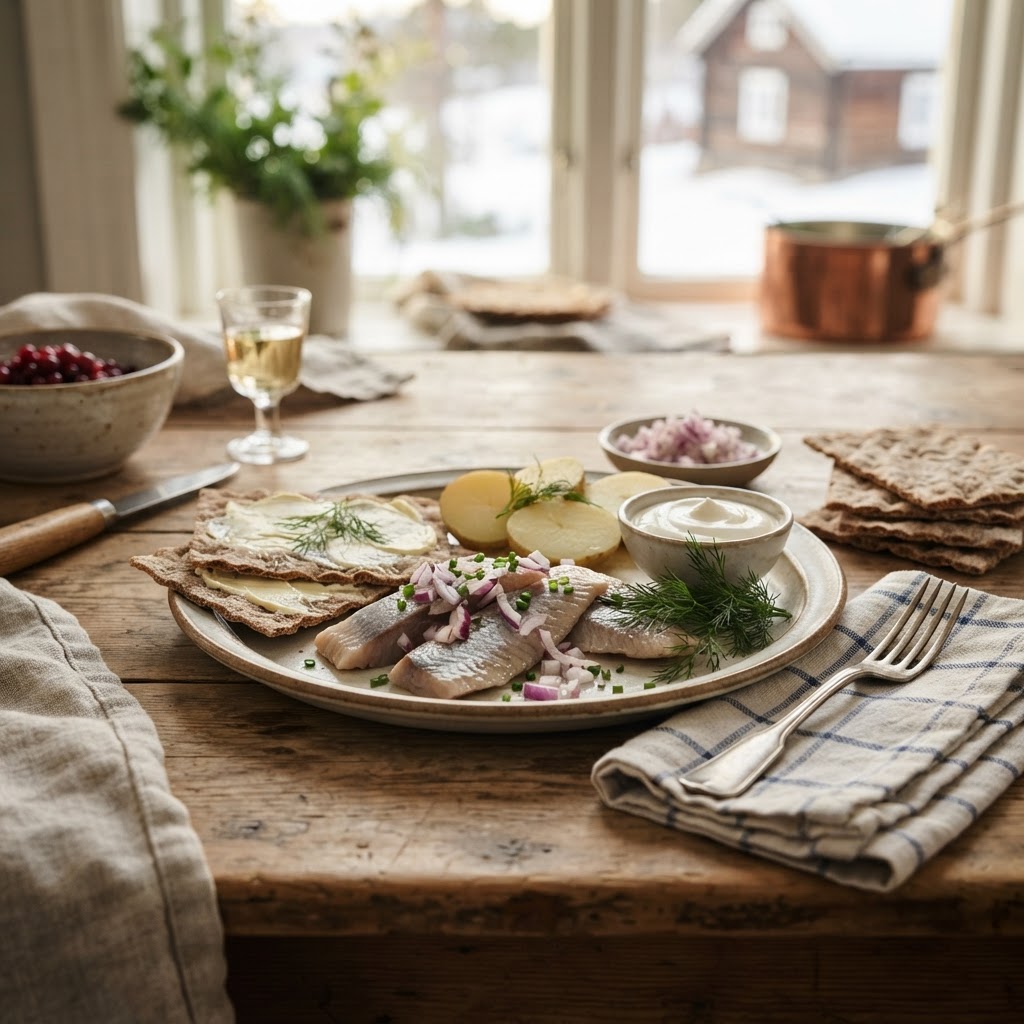
Traditional pairings involve flatbreads (lefse), sour cream, raw red onions, and perhaps a dollop of mustard. The fat in the sour cream coats the tongue, muting the sharpness of the fermentation, while the acidity of the onion cuts through the saltiness. When playing with modern pairings, consider charred leeks, a bright dill-infused oil, or even a crisp, cold aquavit. These elements ground the wild flavors of the fish and make them accessible to a wider audience.
The Role of Texture
Texture is often the hurdle for newcomers. The transformation from a firm fillet to a soft, almost spreadable consistency is intentional. We want to leverage this texture by creating emulsified sauces or incorporating the fish into compound butters. Imagine a piece of sourdough toast slathered with a compound butter made from finely minced fermented fish and fresh chives. It is a revelation, turning a "difficult" ingredient into an elegant appetizer that will have your guests asking for the secret recipe.
Try incorporating the fish into these preparations:
Fermented Fish Butter*: Finely mince the fish and whip it into room-temperature unsalted butter.
Nordic Vinaigrette*: Whisk a small amount of the liquid brine into a high-quality olive oil and lemon juice base.
Potent Topping*: Dice the fish and mix with crème fraîche and fresh dill, served on a rye cracker.
The Chemistry of Aging: Time and Complexity
The Maturation Curve
The length of time you age your fish will dictate its final complexity. A shorter ferment (perhaps 4-6 weeks) results in a milder flavor profile, ideal for those just beginning to explore the cuisine. A longer ferment (up to 3 months or more) allows for deeper proteolysis—the breakdown of proteins into amino acids. This is where you find the incredible, long-lasting umami finish that defines elite, long-aged fermented products.
Keep a detailed logbook of your projects. Record the date, the ambient temperature of your storage area, the weight of the fish, the specific salt ratio used, and any observations you make during the weekly inspections. Over time, you will start to see patterns. You will learn which fish species perform best in your specific environment and how minor adjustments in salt percentage affect the final texture. This record-keeping is what separates a hobbyist from a master.
Managing Seasonal Variables
Temperature, even if you are using a controlled environment, can be influenced by the external seasons. During the summer, the ambient humidity in your house may rise, which can impact the evaporation rates if your seal isn't perfectly airtight. During the winter, the drier air can draw more moisture from your brine. Being aware of these external factors allows you to make subtle, proactive adjustments to your process.
Professional chefs often use fermentation chambers—essentially repurposed refrigerators fitted with temperature controllers (like an Inkbird or similar device). These allow you to set the exact temperature for your fermentation, removing the variables of an unheated basement or a drafty pantry. If you are serious about this craft, investing in a stable environment is the single biggest upgrade you can make to your process.
Advanced Techniques: Beyond the Barrel
The Use of Starters and Enzymes
While wild fermentation is the traditional path, some modern Nordic chefs are experimenting with controlled "starters." By using a small amount of liquid from a previously successful batch, you can introduce a known, healthy population of bacteria into a new project. This can help speed up the process and provide a more consistent result, though some purists argue that it robs the fish of its "terroir"—the unique flavor profile dictated by the specific wild bacteria of a given location and season.
Another advanced technique involves the addition of proteolytic enzymes. These are naturally occurring enzymes found in certain fruits or through specifically sourced culinary powders that help break down muscle fibers more rapidly. While this can result in a tender, melt-in-your-mouth final product, it must be used with extreme caution, as it can accelerate the fermentation process beyond the point of control if not carefully monitored.
Cold Smoking Post-Fermentation
Once the fermentation process is complete, some artisans take an extra step: cold smoking. A brief, light smoke using alder or birch wood can add a layer of earthy aroma that complements the natural funk of the fermented fish. This process must be done after the fermentation is complete and the fish has been stabilized in a cooler, as the smoke can impart flavors that would be overwhelmed or altered by the active bacterial phase.
The nuance of smoke added to a fermented base creates a sensory experience that is truly unparalleled. It bridges the gap between the ancient salt-cured traditions of the sea and the forest-driven heritage of the North.
Final Thoughts
The path to mastering Scandinavian fermented fish is one of dedication, respect, and a healthy dose of culinary curiosity. It requires you to set aside modern expectations of immediate results and instead participate in a slow, rhythmic process that has sustained communities for generations. Whether you are creating a classic rakfisk or experimenting with modern, small-batch fermentations, remember that you are the architect of the final flavor. The science is your guide, the salt is your tool, and time is your silent partner.
Do not be discouraged if your first batch is not perfect. Even the most seasoned professional chefs have had to discard a barrel that didn't meet the standards of safety or flavor. Learn from the process, observe the changes, and keep refining your technique. When you finally present a dish that you have preserved and prepared yourself—when the guests take that first bite and realize they are tasting something that feels both ancient and entirely new—you will understand exactly why this craft is worth the effort.
Finally, remember that the "blame" in our craft is always a positive one. It is the acknowledgement that you have created something with such complex, distinct, and bold flavors that it forces the diner to pause, consider, and truly engage with their meal. That is the essence of great cooking. By mastering the traditional techniques of Scandinavian fermentation, you are doing more than just preserving fish; you are preserving a culture, a history, and a way of life that celebrates the deep, hidden beauty of the natural world. Keep experimenting, keep tasting, and most importantly, keep sharing these flavors with others.
As we conclude this exploration, it is worth reiterating that the safety of your fermentation rests entirely on your shoulders. Monitor your temperatures, ensure your vessels are airtight, and never compromise on the quality of your ingredients. If you follow these guidelines, you will find that the world of fermented fish is not as intimidating as it first appears. Instead, it becomes a rewarding and profound addition to your culinary repertoire. Whether you are serving it as an adventurous appetizer or using it as a secret weapon in your sauces, you are now equipped with the knowledge to handle this tradition with the care it deserves.
The landscape of Nordic cuisine is rich and varied, and fermentation is but one chapter in a much larger book. By taking the time to understand the role of lactic acid bacteria, the critical nature of salinity, and the importance of environmental control, you have built a solid foundation. Go forth and prepare with confidence, knowing that you are carrying on a tradition that is as resilient and enduring as the Scandinavian coast itself. Your kitchen is now a laboratory, your ingredients are the variables, and the final product is a testament to your patience and your passion for the art of food.
If you decide to document your journey on social media or in a blog of your own, remember to credit the traditions that came before you. Use the hashtags that celebrate artisanal techniques and encourage others to try their hand at these historical methods. The more we share, the more we learn, and the more we can keep these vital skills alive for the next generation of home cooks. So, grab your glass jars, procure your sea salt, and start your first batch today. The reward is a deep, umami-rich journey that will change the way you look at fish forever. Happy fermenting, and may your barrels always stay perfectly cool.
One final piece of advice for the aspiring fermenter: do not underestimate the power of your community. Join forums or local groups dedicated to fermentation and preservation. The exchange of information between home enthusiasts can be just as valuable as any textbook. Share your successes, be open about your failures, and enjoy the communal aspect of learning a craft that is as old as civilization itself. There is something profoundly grounding about understanding the food that we eat and the microscopic processes that bring it to life.
As you look toward your next project, perhaps you will experiment with different species of fish or explore regional variations of the fermentation process. Every fish has a different fat content, a different density of muscle, and a different response to the aging process. This variety is what makes the journey so fascinating. You are not just following a static recipe; you are engaging in a dynamic, ongoing experiment. May your experiments be bold, your safety protocols be strict, and your final plates be nothing short of spectacular.
In the world of "Blame The Chef," we believe that every dish tells a story. The story of fermented fish is one of survival, ingenuity, and the relentless pursuit of flavor. It is a story that you are now part of. So, take the leap, embrace the funk, and let the magic of the fermentation vessel work its wonders. Your culinary journey is just beginning, and there is no telling where the depths of the ocean and the height of your ambition will take you next.
Remember that excellence in the kitchen is never an accident. It is the result of intention, practice, and the willingness to learn from every single step of the process. Whether you are dealing with the pungent aroma of a traditional ferment or the delicate balance of a cold-smoked fillet, always maintain your focus and your passion. That is the true mark of a chef, whether they are working in a professional kitchen or in the comfort of their own home. Keep pushing the boundaries, keep questioning the status quo, and never stop seeking the next great flavor.
We have covered the basics, the science, the traditional methods, and the modern applications. You have all the tools you need to succeed. The rest is up to your curiosity and your dedication. We look forward to hearing about your successes in the kitchen. Until next time, keep cooking, keep fermenting, and most importantly, keep enjoying the process. There is no greater satisfaction than serving a meal that is a direct reflection of your own skill, patience, and love for the craft. The table is set, the barrel is packed, and the flavor is waiting. Are you ready to start your next culinary adventure? We certainly hope so.
Final word: respect the process. It is a living, breathing transformation that demands your best. When you provide that, the results will be truly extraordinary. Thank you for joining us in this deep dive into the world of Scandinavian fermented fish. We are honored to be a part of your culinary journey and we are excited to see how you adapt these techniques to fit your own unique style. Happy fermenting, everyone!
Get the Next Recipe
Weekly recipes, techniques, and gear picks — straight to your inbox.
