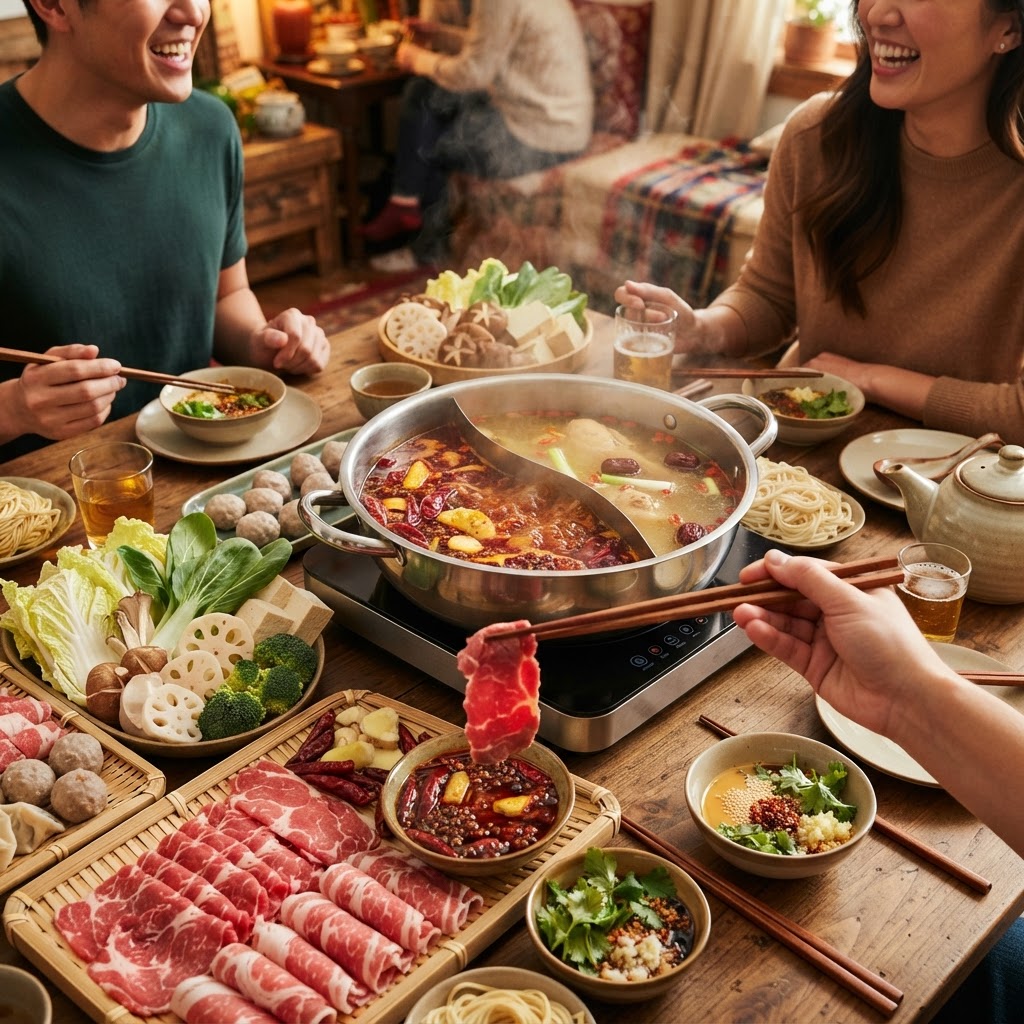
The Home Cook’s Guide to Sichuan Hot Pot: Mastering Broth Bases and Dipping Sauce Ratios for Authentic Communal Dining
The ritual of Sichuan hot pot is far more than a simple method of cooking; it is an immersive, sensory-driven performance that turns the humble act of eating into a high-stakes social gathering. At its core, the experience centers on a bubbling, numbing, and fiercely aromatic mala broth that acts as a crucible for a variety of thinly sliced meats, crisp vegetables, and chewy starch noodles. Unlike Western fondue, which often relies on cheese or chocolate, the Sichuan variant demands a precise balance of heavy aromatics, intense spices, and a specific "mouth-numbing" sensation derived from the legendary Sichuan peppercorn. Mastering this at home requires you to move past the intimidation factor and embrace the raw, bold flavors that define this cornerstone of Southwestern Chinese gastronomy.
When you invite friends over for a hot pot night, you are effectively shifting the burden of the kitchen into the center of your dining table, allowing your guests to become the architects of their own culinary experience. The beauty of this communal dining style lies in its flexibility, though achieving an authentic result requires a deep respect for the broth base, or dihuo, which must be robust enough to cook ingredients without losing its aromatic intensity. Many home cooks make the mistake of using an overly diluted stock, failing to understand that the "pot" is meant to be a concentrated infusion of fat, chili, and spice. By curating the right ingredients and paying attention to the layering of flavors, you can recreate the bustling energy of a Chengdu night market within the comfort of your own kitchen.
In this guide, we will peel back the layers of complexity that often shroud Sichuan hot pot, moving from the foundational science of the spice paste to the intricate art of dipping sauce ratios. We will explore the vital role of beef tallow in achieving that iconic, lip-coating texture, and I will share the professional techniques necessary to balance heat with cooling aromatics. Whether you are a novice looking to host your first hot pot or a seasoned enthusiast attempting to perfect your homemade chili oil, this deep dive will provide the blueprint you need. Let us set the table, crank up the burner, and dive into the fiery, numbing, and deeply comforting world of authentic Sichuan hot pot.
The Foundation: Understanding the Mala Profile
The true soul of any Sichuan hot pot is the mala flavor profile, a compound word derived from ma (numbing) and la (spicy). The numbing sensation is the result of the Sichuan peppercorn (hua jiao), which contains hydroxy-alpha-sanshool, a compound that interacts with the touch receptors in the mouth to create a vibrating, buzzing feeling. This is not meant to be a painful heat, but rather a complex, citrusy, and floral numbing effect that prepares the palate for the sharp, lingering heat of dried chilies. Without the peppercorn, the chili heat would be one-dimensional; with it, the dish becomes a multi-sensory experience that balances the aggressive capsaicin.
Selecting Your Aromatics
To achieve an authentic base, you must prioritize the "holy trinity" of the Sichuan pantry: dried red chilies, Sichuan peppercorns, and doubanjiang (fermented broad bean paste). Not all chilies are created equal, and for a hot pot, you should seek out facing heaven chilies (chaotian jiao) for their vibrant color and intense heat. The doubanjiang, ideally aged for at least a year, acts as the salty, umami-rich backbone that binds the liquid ingredients together. When these components meet high-quality fat, they bloom into an aromatic oil that forms the top layer of your hot pot, sealing in heat and fragrance.
The Importance of Fat
Many home cooks mistakenly attempt to create a "healthy" hot pot by using water or thin vegetable stocks, but this is a fundamental error. Authentic Sichuan hot pot requires a significant amount of beef tallow (rendered beef fat). The tallow is not just for richness; it acts as an insulation layer that keeps the broth at a steady temperature and prevents the delicate ingredients—like thinly sliced beef or leafy greens—from losing their structural integrity too quickly. It also serves as a carrier for the fat-soluble compounds found in the dried spices, ensuring every bite of food is coated in the complex, spicy emulsion of the broth.
"The magic of Sichuan hot pot isn't found in the broth alone, but in the fat that carries the fire. If your pot doesn't have a thick, shimmering layer of seasoned tallow, you are merely poaching your dinner rather than braising it in the spirit of Chengdu."
Mastering the Broth Base: A Step-by-Step Technique
Creating your own broth base at home is a process of patience and layering. You are essentially building a condensed flavor paste that will later be diluted with a light bone broth. Start by heating your beef tallow or a high-quality peanut oil in a heavy-bottomed pot. Sauté your aromatics—ginger, garlic, and green onions—until they are deeply fragrant but not scorched. Then, introduce your doubanjiang, stirring constantly until the oil takes on a deep, mahogany red hue. This step, known as chao liao, is critical; if you don't fry the bean paste properly, your broth will taste raw and metallic.
The Spice Infusion Process
Once the base is colored, add your dried chilies and peppercorns. It is vital to watch these closely, as they can transition from aromatic to burnt in a matter of seconds. I recommend soaking the chilies in hot water for ten minutes before adding them to the pot to ensure they soften and release their oils without carbonizing. Once the spices are toasted, add a splash of Shaoxing rice wine to deglaze the pot and introduce a subtle depth of sweetness. Finally, pour in your high-quality chicken or beef bone broth—cold liquid added to a hot base helps emulsify the fat, resulting in a creamy, luxurious mouthfeel.
Temperature Management
During the meal, managing the temperature of your broth is just as important as the recipe itself. Your portable induction burner or gas stove should be set to a constant, gentle simmer. If the pot boils too vigorously, the fat will emulsify too much with the water, creating a muddy look and diluting the intense spice profile. If the temperature is too low, the ingredients will not cook effectively, and the fat will congeal, leaving a greasy film on your tongue. Aim for a "shimmering simmer" where small bubbles break the surface continuously, ensuring the aromatics stay suspended in the fat layer.
The Dipping Sauce: The Second Half of the Story
If the broth is the "fire," the dipping sauce is the "coolant." In Sichuan, it is common to serve a variety of dipping sauces, but the most traditional is a simple, elegant combination of sesame oil, minced garlic, chopped cilantro, and scallions. The sesame oil serves a functional purpose: it coats the food, protecting the palate from the extreme heat of the broth while adding a nutty, toasted finish. Many people also add a pinch of MSG or a splash of oyster sauce for added umami, but keep it simple to ensure the flavor of the broth shines through.
Customizing Your Ratio
The "standard" Sichuan dip ratio is roughly 80% high-quality toasted sesame oil to 20% aromatics. Start by filling your small bowl with the oil, then add a heaping tablespoon of finely minced garlic. The garlic acts as a powerful antiseptic and flavor enhancer. If you prefer a more complex sauce, you can experiment with additions like black Chinkiang vinegar to cut through the fat, or a dash of fermented tofu paste (furu) if you want a creamy, funky, and salty punch. Always place the dry aromatics—cilantro and scallions—on top of the liquid ingredients so they remain crisp as you dip your cooked proteins.
The "Sichuan Dip" Variations
The Classic:* Sesame oil, garlic, scallions, cilantro, and a dash of soy sauce.
The Tangy:* Sesame oil, Chinkiang vinegar, minced garlic, and a hint of sugar.
The Umami Bomb:* Sesame oil, fermented bean curd paste, garlic, and oyster sauce.
The Dry Dip:* A mixture of ground chili powder, toasted cumin, salt, and crushed peppercorns (ideal for grilled meats).
"Your dipping sauce is your last line of defense against the relentless heat of the pot. A well-constructed dip should be a moment of respite—a cool, flavorful bridge between the intense boil and the next bite."
Curating Your Ingredient Platter: Texture is Key
When hosting a hot pot, variety is essential, but variety should not mean randomness. You want to offer a spectrum of textures: the snap of lotus root, the chewiness of glass noodles, the softness of tofu skin, and the tenderness of thinly sliced ribeye or lamb. Every ingredient should be prepared with the intention of cooking it for a specific duration. For example, thinly sliced beef should be swirled for no more than 30 seconds—a technique often called shuan—while starchy vegetables like potatoes can withstand a longer, deeper boil.
The Meat Selection
For the most authentic experience, seek out high-quality cuts of meat and slice them paper-thin using a meat slicer or by partially freezing the meat and using a very sharp chef's knife. The fat content is key here; a well-marbled piece of beef will absorb the spicy broth far better than a lean cut. Lamb shoulder is also a staple in Sichuan, as its distinct gaminess pairs beautifully with the bold, numbing spices of the peppercorns. If you are serving seafood, ensure it is extremely fresh and cook it only until opaque to prevent a rubbery texture.
Vegetables and Starch
Do not overlook the vegetables, as they are the "sponges" of the hot pot world. Napa cabbage and tong ho (chrysanthemum greens) are classic choices because they wilt beautifully and hold onto the spicy fat. Wood ear mushrooms provide an essential crunch that breaks up the softness of the other ingredients, while daikon radish slices add a refreshing sweetness. When it comes to starch, sweet potato vermicelli is non-negotiable. It has a high resistance to the boiling broth and maintains a signature "bouncy" chew that is the hallmark of a great hot pot experience.
Equipment and Setup: Creating the Communal Environment
To host a professional-grade hot pot at home, you need the right hardware. A split-pot or yuan-yang pot is highly recommended, as it allows you to serve both a spicy broth and a mild, mushroom-based or herbal chicken broth. This is particularly helpful if you are hosting guests with varying heat tolerances. Your heating source should be reliable; a portable butane stove or an electric induction burner works best. Ensure you have plenty of table space for the various platters, and always provide long-handled chopsticks or spider-strainers so guests can retrieve their food safely without burning their fingers.
Mise en Place Strategy
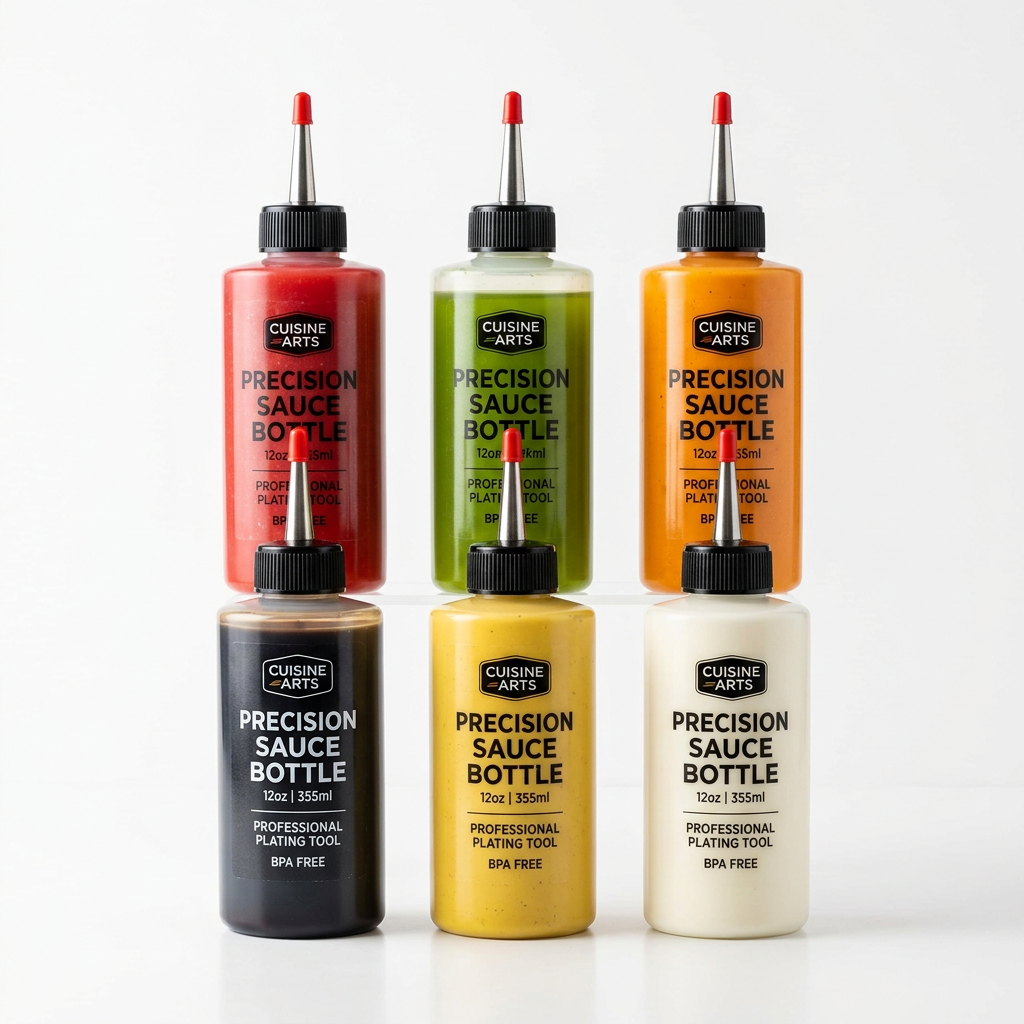
Preparation is ninety percent of the work. You should have all your vegetables washed and cut into bite-sized pieces, your meats sliced and organized by type, and your dipping sauce station pre-prepped in small ramekins. Mise en place is not just for restaurants; it is essential for an organized dinner party where the cooking happens live. Arrange your platters in a visually appealing way, keeping the items that require longer cooking times closer to the pot and the items that cook instantly (like thin beef) within easy reach.
Safety First
Because hot pot involves boiling oil and liquid, safety must be your priority. Make sure your portable stove is on a heat-resistant surface and is stable. Remind guests to use the provided strainers to lift food out of the broth, as it is easy to lose track of small items in the bubbling pot. Keep a pitcher of extra broth or water nearby to top off the pot as the liquid evaporates; as the meal progresses, the broth will become saltier and more concentrated, so adding a bit of neutral stock halfway through the meal is a pro-chef secret to maintaining the balance of flavors.
Pro Tips for the Advanced Home Cook
Once you have mastered the basics, you can start elevating your hot pot with more advanced techniques. One such technique is clarifying your stock. While the spicy broth is inherently opaque, your secondary broth (the mild one) should be crystal clear. Use a fine-mesh sieve or cheesecloth to strain your bone broth before serving. Another professional touch is the inclusion of "hidden aromatics" in the broth, such as star anise, black cardamom, and fennel seeds. These spices, when toasted along with the chilies, provide a background complexity that prevents the broth from tasting one-dimensional.
Managing the Mala Intensity
If you find that the numbing sensation is becoming too aggressive for your guests, you can adjust the balance of the broth mid-meal by adding more rock sugar. A small chunk of rock sugar will not make the broth sweet, but it will round out the sharp edges of the Sichuan peppercorns and the fermented bean paste, creating a more harmonious finish. Conversely, if you feel the broth is losing its "punch," add a small handful of freshly toasted peppercorns to the oil layer. This "re-charging" of the broth is a common practice in bustling Chengdu hot pot restaurants.
Storing and Reusing the Base
Authentic hot pot broth base is expensive to make due to the volume of spices and quality fat. The good news is that it can be stored! After your meal, let the broth cool completely, strain out the solids (the chilies and peppercorns can be discarded), and store the infused fat and liquid in the refrigerator. The fat will solidify on top, sealing the flavors. The next time you want a quick Sichuan-style dinner, you can scoop a tablespoon of this seasoned fat into a pan and use it to stir-fry vegetables or flavor a simple noodle dish. It is effectively a "master stock" that gets better with every use.
"A great hot pot isn't just about the recipe you follow; it's about the evolution of the pot. As the dinner continues, the flavors marry, the fat renders further, and the broth transforms into a liquid gold of spice and history."
Final Thoughts
Mastering the art of Sichuan hot pot is a journey that rewards the curious and the bold. By understanding the foundational role of the mala flavor profile, the necessity of high-quality beef tallow, and the careful art of the dipping sauce, you have transitioned from a simple home cook to a curator of a complex dining tradition. Remember that the goal is not perfection, but rather the creation of a communal experience that centers on shared effort and vibrant, bold flavors. Do not be afraid to adjust your spice levels or experiment with seasonal vegetables—the spirit of hot pot is inherently adaptive.
As you conclude your first, fifth, or fiftieth hot pot dinner, take a moment to observe the table. You will likely see the remnants of a great feast: empty platters, a bubbling pot that has been replenished multiple times, and guests who are lingering long after the meal has ended. That lingering energy is the true indicator of success. Sichuan hot pot is an act of hospitality that demands time and presence, and there is no better way to demonstrate your love for food than by gathering those you care about around a simmering, spicy pot and breaking bread—or rather, dipping noodles—together.
Finally, keep your pantry stocked with those essential aromatics: the best peppercorns you can find, a reliable brand of doubanjiang, and plenty of high-quality chilies. Your journey into the heart of Sichuan cuisine doesn't end with this post; it continues every time you pull out the portable stove and invite friends to "blame the chef" for the spice, the heat, and the unforgettable memory of a perfectly executed hot pot. Keep exploring, keep cooking, and above all, keep the fire burning.
***
Summary of Essential Ratios for Success
The Mala Ratio:* 1 part Sichuan peppercorn to 3 parts dried facing heaven chili.
The Fat Ratio:* 40% beef tallow to 60% high-quality peanut or vegetable oil.
The Dipping Ratio:* 80% sesame oil to 20% aromatics (garlic, scallion, cilantro).
The Broth Ratio:* 1 part concentrated spice paste to 3 parts bone stock (adjust based on the size of your vessel).
Troubleshooting Common Issues
Broth too salty:* Add an equal amount of boiling water or unsalted bone broth, and perhaps an extra chunk of rock sugar.
Broth not numbing enough:* Add a teaspoon of toasted, crushed peppercorns to the oil during the cooking process.
Meat is tough:* You are likely boiling the meat too long. Use a strainer to keep the meat in the broth for only 15–30 seconds.
Broth is too greasy: This is often a sign that the fat was not properly emulsified during the chao liao* process. Next time, ensure the liquid and fat are combined vigorously over medium heat before serving.
With this guide in your kitchen toolkit, you are ready to host the ultimate Sichuan hot pot experience. Whether you are seeking the thrill of the numbing spice or the comfort of a communal meal, remember to pace yourself, enjoy the process, and let the bold flavors of Sichuan define your next culinary masterpiece. Happy cooking, and may your pot always be perfectly seasoned.

Get the Next Recipe
Weekly recipes, techniques, and gear picks — straight to your inbox.
