The Home Cook’s Guide to Spanish Sofrito: Mastering the Aromatic Base of Authentic Mediterranean Cooking
If you have ever found yourself standing in front of a stove, wondering why your home-cooked stews, rice dishes, or sauces lack that deep, complex "oomph" that defines professional Mediterranean cooking, the answer is likely hiding in the bottom of your pan. We often get caught up in the protein—the searing of the steak or the roasting of the chicken—but the true soul of Spanish cuisine resides in the humble, aromatic foundation known as sofrito. It is not merely an ingredient or a quick sauté of vegetables; it is a transformative process that draws out the sweetness of onions, the earthiness of garlic, and the bright acidity of tomatoes into a concentrated paste of pure flavor. Once you master this fundamental technique, you stop following recipes blindly and start building layers of flavor that can elevate even the simplest pantry staples into a restaurant-quality feast.
The beauty of sofrito lies in its paradoxical simplicity, requiring only a handful of Mediterranean staples, yet demanding an unwavering commitment to time and temperature. Many home cooks make the mistake of rushing the process, turning the heat up too high in an attempt to save a few minutes, which inevitably leads to burnt aromatics rather than the slow, golden-brown caramelization that creates true depth. This is a culinary exercise in patience, where the rhythmic sizzle of the pan acts as your guide and the darkening color of the vegetables signals the stages of flavor development. Whether you are prepping for a Sunday paella, a rustic estofado, or a vibrant fideuà, your commitment to the sofrito will dictate the final character of your dish. In this guide, we are going to peel back the layers of this essential preparation, ensuring you never settle for a flat, one-dimensional base again.
Welcome to "Blame The Chef," where we believe that every great meal starts with an education, not just a list of instructions. We are going to dive deep into the science of aromatics, the specific ratios that balance sweetness and acidity, and the chef-tested techniques that prevent your vegetables from steaming when they should be frying. By the time you reach the end of this journey, you will look at a yellow onion and a ripe tomato not as mere vegetables, but as the building blocks of an culinary masterpiece. Put on your apron, sharpen your knife, and prepare to slow down, because we are about to make the most important component in your kitchen.
The Foundation of Flavor: Understanding the Chemistry of Sofrito
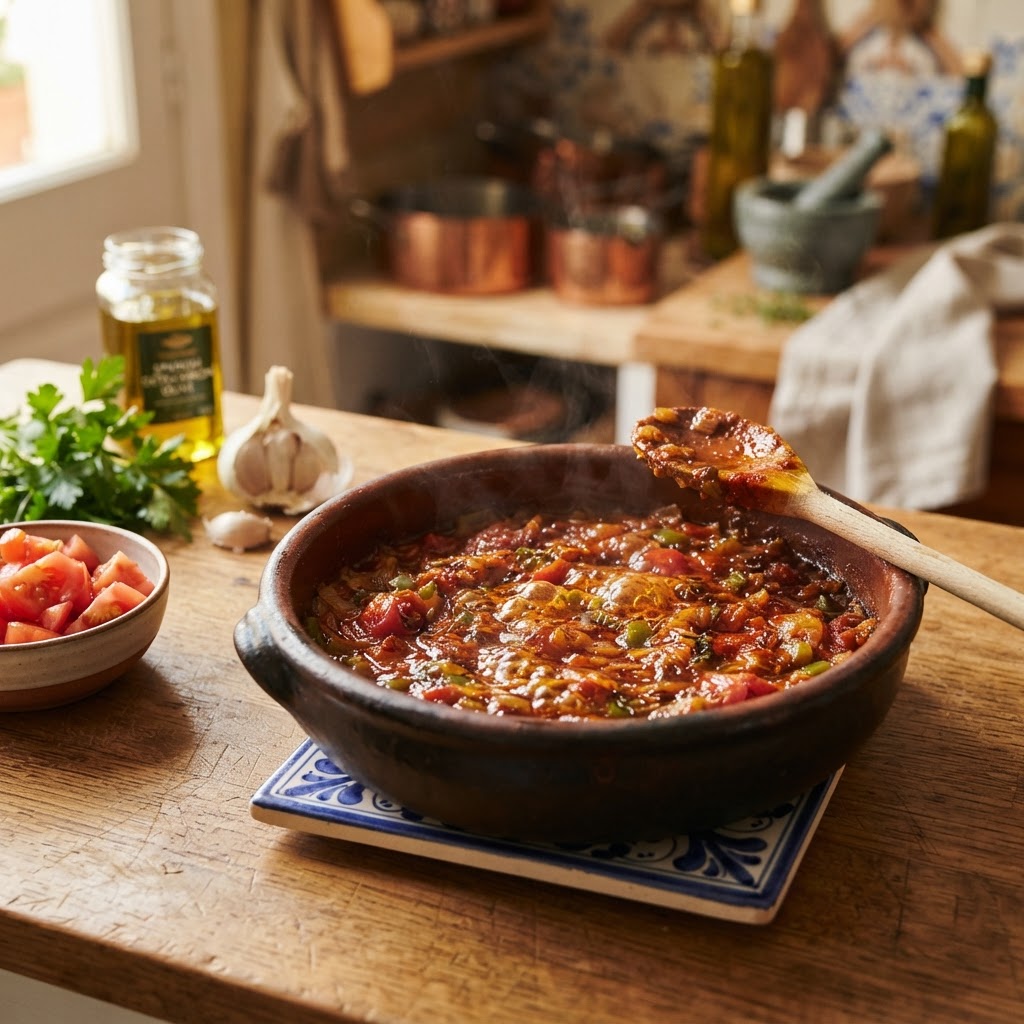
At its most elemental level, a sofrito is the marriage of aromatics—typically onions, garlic, peppers, and tomatoes—cooked slowly in high-quality olive oil until they lose their individual identities and fuse into a rich, mahogany-colored jam. The chemistry at play here is primarily the Maillard reaction combined with the breakdown of sugars and pectin within the vegetables. As you heat the finely diced aromatics, the cell walls break down and the water content evaporates, allowing the natural sugars to caramelize and turn golden. This process, known as pochar in Spanish, is the secret weapon of every chef worth their salt.
Why Quality Fat Matters
The choice of fat is non-negotiable when it comes to authentic Spanish cooking. You must use a robust, extra-virgin olive oil with a high polyphenol content to provide the necessary body and peppery finish that anchors the dish. The oil acts as a carrier for the fat-soluble flavor compounds found in your aromatics, coating every vegetable particle and ensuring that the final sofrito is silky and cohesive. Using a neutral oil like canola simply will not yield the same aromatic profile, as you lose the fruitiness that is essential to the Mediterranean palate.
The Art of the Dice
Consistency is the silent killer of many home-cooked dishes, especially when it comes to aromatics. You must aim for a brunoise or a very fine chop—about 1/8th of an inch—to ensure that all pieces cook at the same rate. If you have large chunks of onion alongside tiny bits of garlic, the garlic will turn bitter long before the onions have reached their sweet, jammy potential. Take the time to practice your knife skills; a uniform cut ensures a uniform flavor profile across every bite of your final dish.
"A sofrito is not a step you complete; it is a state of mind. If you are in a rush, do not start, because the patience you put into the pan is the exact amount of flavor you will get out of it."
Choosing the Right Aromatics: The Holy Trinity of Spain
While regional variations exist—some use leeks, others use ñora peppers—the classic Spanish sofrito relies on a specific sequence of ingredients. We start with the onion (the base), move to the pepper (the body), and finish with the tomato (the acid). This order is critical because each ingredient has a different water content and sugar structure. By introducing them to the pan sequentially, you prevent the vegetables from boiling in their own juices, which is the most common reason for a failed base.
The Role of Onion and Garlic
Sweet onions, like Vidalia or standard yellow onions, are the workhorses of the dish. They provide the foundational sweetness that balances the intensity of the garlic. Garlic should be added when the onions are about halfway through their cooking time. If you add the garlic too early, it will burn and turn acrid; if you add it too late, it will remain raw and harsh. Aim to add your minced garlic just as the onions begin to show their first translucent edges turning into a pale gold.
The Pepper Profile
For a truly authentic flavor, seek out Italian frying peppers (like Cubanelles) or red bell peppers. These provide a subtle, earthy sweetness that works in harmony with the onions. In some parts of Spain, the use of pimentón (smoked Spanish paprika) is introduced here, but keep in mind that dried spices should be toasted at the very end of the process to avoid burning them. The peppers provide the necessary texture to the final sofrito, helping to thicken the base and provide a structural density that elevates a thin broth into a hearty, clinging sauce.
The Critical Stages of Cooking: From Translucence to Caramelization
The cooking process for a proper sofrito usually takes between 30 to 45 minutes of active, low-heat attention. You are looking for several distinct visual and olfactory markers. The first stage is sweating, where the vegetables release their water and become transparent. You should see no browning during this phase; your goal is to soften the cell walls. If you hear a loud, aggressive sizzle, your heat is too high—turn it down to low or medium-low immediately.
Understanding the Browning Point
Once the moisture has evaporated, you enter the caramelization phase. This is where the magic happens. The edges of the onions will start to darken to a light brown. You should stir frequently, scraping the bottom of the pan to incorporate the fond (the brown bits that stick to the bottom) back into the mixture. This is not just flavor; it is the essence of the dish. If the pan looks dry, add a small splash of olive oil, but do not be tempted to add liquid like water or stock, as this will stop the caramelization process dead in its tracks.
The Tomato Transition
The final addition is the tomato. You have two options: freshly grated vine-ripened tomatoes or high-quality canned crushed tomatoes (San Marzano). Grating your own tomatoes is preferred by chefs because it removes the skin and creates a rustic, pulpy texture that integrates beautifully. When you add the tomatoes to the browned onion and pepper base, the temperature will drop. You must continue to cook this mixture until the oil begins to "separate" from the solids, floating to the surface. This is the professional indicator that your sofrito is complete.
Regional Variations and The Secret "Extra" Ingredients
While the base of onion, pepper, garlic, and tomato is standard, many regions in Spain add unique elements to give their sofrito a signature character. In Catalonia, it is common to add a touch of dark chocolate or toasted nuts (like almonds or hazelnuts) to add richness and depth to stews. In coastal regions, you might find a bit of calamar ink added to the base for a briny, intense flavor that works perfectly with seafood arroz dishes.
Using Spices and Herbs
If you are using pimentón, add it in the final two minutes of the sofrito process. Because it is a ground spice, it burns incredibly fast. I recommend taking the pan off the heat, stirring in the paprika, and then immediately moving to your next step or adding your liquid. Similarly, fresh herbs like thyme, bay leaf, or parsley should be added towards the end to maintain their aromatic oils. Dried herbs, however, can be added earlier to allow them to rehydrate in the olive oil.
Scaling and Storage
One of the most efficient things you can do for your home kitchen is to make a large batch of sofrito on the weekend. It stores beautifully in the refrigerator for up to five days or in the freezer for up to three months. When you have a container of pre-made sofrito ready, dinner becomes a fifteen-minute affair. Simply add it to a pan, heat it through, and you have the perfect base for poaching fish, braising chicken, or creating a world-class lentil soup.
"A chef who does not respect the sofrito is a chef who does not respect their ingredients. Treat the pan like a sacred space, and it will reward you with flavors that linger long after the meal has ended."
Troubleshooting Your Sofrito: Common Pitfalls
Even with the best intentions, things can go wrong. The most common issue is the "bitter base." This usually happens when the garlic or the paprika is cooked at too high a temperature. If you taste your sofrito and it is harsh or burnt, there is no way to "fix" it by adding more sugar or salt. You must start over. The bitterness is a chemical change caused by the charring of the essential oils in the garlic, and it is impossible to mask.
The "Too Wet" Problem
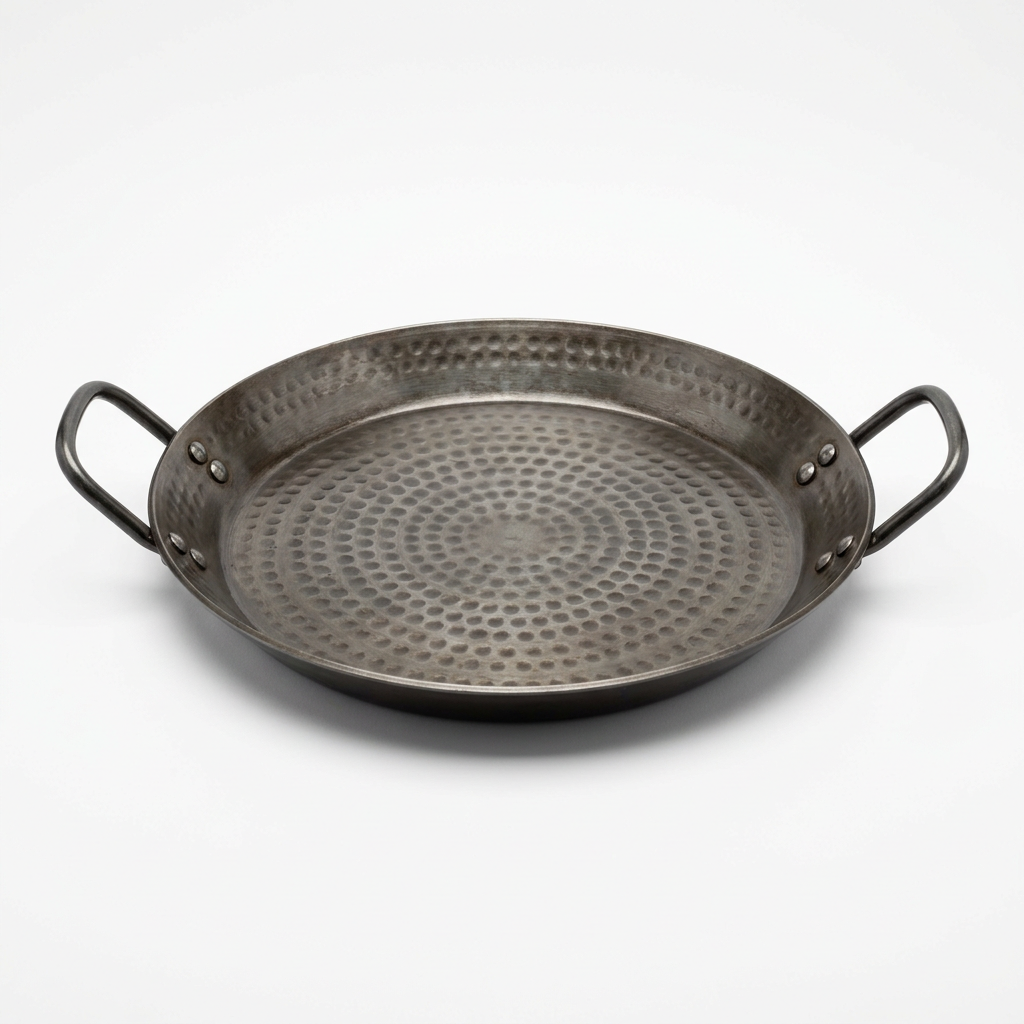
If your sofrito remains watery and will not thicken, you have not allowed enough evaporation time. Do not try to rush this by cranking the heat, as you will just burn the outside while the inside remains watery. Simply increase the surface area of your pan—use a wider sauté pan or a paella pan—to facilitate faster evaporation. The ratio of liquid to solids is key; if your tomatoes are very watery, consider seeding them before grating.
Maintaining Texture
A good sofrito should have texture. If you choose to blend your vegetables into a smooth paste, you lose the character that makes rustic Mediterranean cooking so appealing. Keep the chop consistent, and allow the vegetables to break down naturally through cooking rather than force-blending. The goal is a rustic, jammy spread that coats the back of a spoon with glistening, flavor-packed oil.
The Professional Chef’s Workflow: A Step-by-Step Guide
To ensure success, I always recommend following a standardized workflow. Mise-en-place (everything in its place) is not just a suggestion; it is a necessity. Chop all your ingredients before you even turn on the burner. Once the cooking starts, you should not be reaching for a knife or searching for a spice jar.
The Final Seasoning
Only season your sofrito at the very end. Because the mixture reduces significantly, the salt levels will concentrate. If you salt too early, you risk ending up with an over-salted base that ruins the entire dish. Taste as you go, and remember that you can always add more salt, but you can never take it out.
Integrating Sofrito into Your Daily Cooking
Now that you have mastered the technique, how do you use it? Start with the basics. A simple spoonful stirred into a pot of simmering chickpeas makes a meal. Use it as a base for a Spanish-style bacalao (salted cod) dish or stir it into your morning scrambled eggs for a Mediterranean-inspired breakfast. The versatility of this base is limited only by your imagination.
Elevating Simple Grains
If you are tired of plain white rice, toast your rice grains in the sofrito before adding your liquid. This coats every grain with the aromatic oil, infusing the rice with flavor from the inside out. This technique, known as nacarado, is the foundation of authentic rice dishes and ensures that your rice has a depth of flavor that usually only comes from hours of stewing.
Beyond the Stove
Don’t be afraid to experiment with your sofrito. Add a splash of dry white wine or dry sherry (fino or manzanilla) after the tomatoes have thickened, and let it reduce completely. The acidity of the wine cuts through the richness of the oil and adds a new, vibrant layer of flavor that brightens the entire base. This is the mark of a sophisticated cook who understands how to play with acid and fat to create balance.
Final Thoughts
The journey to a perfect sofrito is one of the most rewarding paths a home cook can take. It is a lesson in the power of patience, the importance of technique, and the magic that happens when simple, quality ingredients are treated with respect. When you blame the chef, you are usually blaming a lack of fundamental skill, but once you master the sofrito, you are the one in control. You are the architect of your own flavor profile, building dishes that carry the warmth and soul of the Mediterranean right into your own home.
Remember that there is no shortcut to flavor. The time you spend watching those onions soften and the tomatoes turn into a rich, aromatic jam is time that you are investing in the quality of your future meals. Whether you are cooking for a large family gathering or just preparing a quiet dinner for yourself, the act of creating a base from scratch is a meditative practice. It forces you to slow down, to engage your senses, and to prioritize the process over the product.
As you move forward, I encourage you to keep a jar of your favorite sofrito recipe in your fridge at all times. Experiment with different peppers, adjust the garlic levels to suit your palate, and find the specific combination that feels like home to you. Culinary mastery is not about following every recipe to the letter, but about understanding the why behind the what. You now hold the key to the foundation of Spanish cooking. Go forth, experiment, and enjoy the transformative power of a properly made, patient, and perfect sofrito. The stove is waiting, and with your newfound knowledge, the results will speak for themselves. Happy cooking, and may your pan always be filled with the delicious, golden, aromatic goodness of a perfectly crafted sofrito. Keep pushing your boundaries, keep tasting, and above all, keep cooking with heart.
Get the Next Recipe
Weekly recipes, techniques, and gear picks — straight to your inbox.
