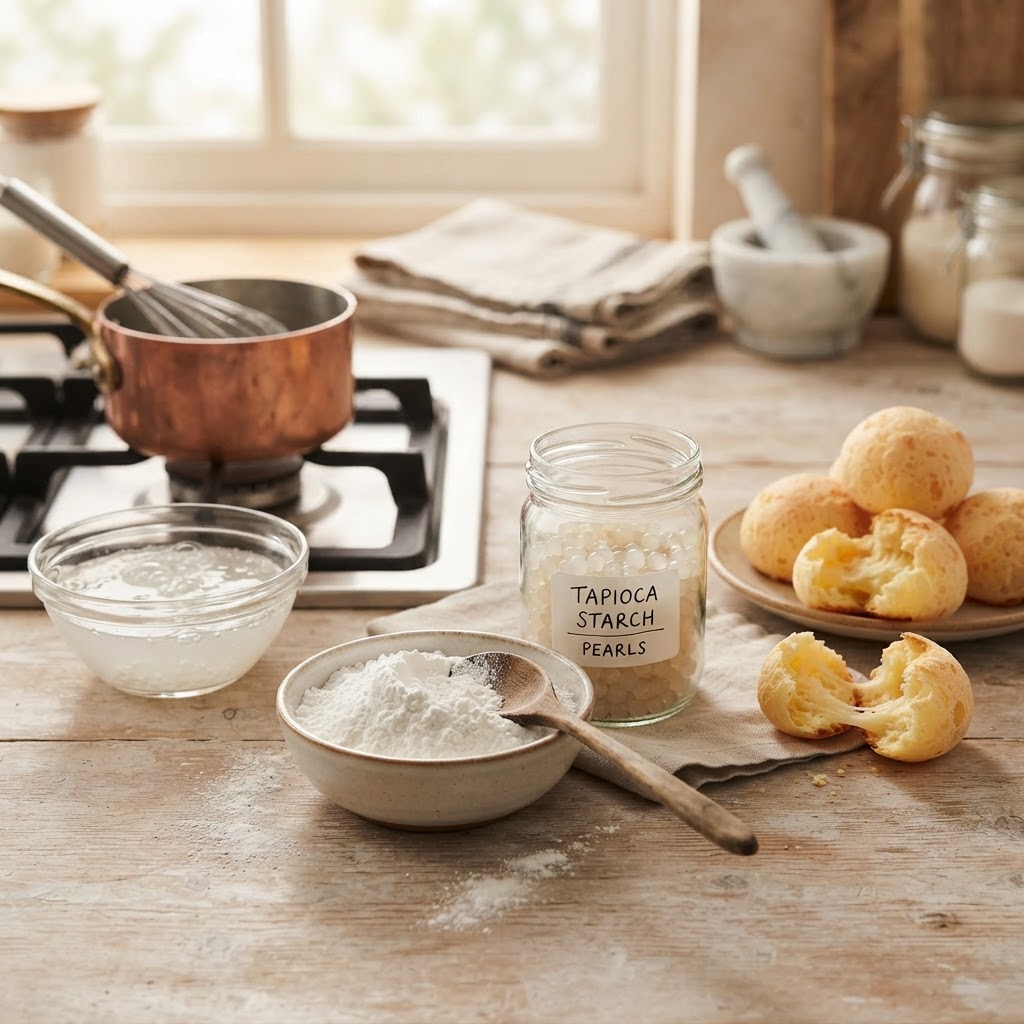
The Home Cook’s Guide to Tapioca Starch: Mastering Selection and Usage for Chewy Textures and Glossy Thickeners
The world of thickeners and binders in the home kitchen is often dominated by cornstarch or flour, but there is a secret weapon that professional chefs have been hoarding for decades: tapioca starch. Derived from the starchy storage roots of the cassava plant, Manihot esculenta, this fine, powdery ingredient is the key to achieving that elusive, restaurant-quality chewy texture in gluten-free baking and the breathtaking glossy sheen found in premium dessert sauces. If you have ever wondered why your stir-fry sauce looks opaque and dull compared to the translucent perfection at your local neighborhood bistro, the answer likely lies in the starch you are reaching for in your pantry. By understanding the unique molecular properties of tapioca, you can elevate your culinary game from "standard home cook" to "home kitchen maestro" with nothing more than a simple white powder.
At "Blame The Chef," we believe that mastering your ingredients is the first step toward true creative freedom at the stove. Tapioca starch—often labeled as tapioca flour—is not just a thickening agent; it is a transformative culinary catalyst that behaves differently than any other starch in your arsenal. Unlike grain-based starches that can turn chalky or cloudy when overcooked, tapioca remains stable, providing a viscous, elastic quality that is absolutely essential for creating everything from bubble tea pearls to the perfectly airy crumb of a gluten-free loaf. It is a forgiving ingredient, but it does require a bit of finesse to avoid the "gummy" trap that many beginners fall into when they treat it like its more common, corn-derived counterparts.
In this deep dive, we are going to strip away the mystery surrounding this versatile tuber derivative. We will explore the science behind its gelatinization temperature, learn how to create the perfect slurry for pan sauces, and unlock the secrets to achieving that signature "bounce" in your favorite snacks. Whether you are aiming to recreate the crispy crust of a Brazilian pão de queijo or simply trying to improve the mouthfeel of your seasonal fruit pie fillings, this guide will serve as your definitive roadmap. So, clear off your counter, grab your whisk, and prepare to rethink everything you know about the humble starch that is destined to become the most valuable tool in your culinary kit.
The Chemistry of the Cassava: Why Tapioca Starch Wins
To understand why tapioca starch performs the way it does, we have to look at the amylopectin content. Tapioca is composed of highly branched starch molecules, which gives it a much higher level of stability compared to cornstarch or potato starch. When heated, these molecules expand and trap water, creating a cohesive, translucent gel that holds its structure under a wider variety of temperature fluctuations. This is why you will often see chefs reaching for tapioca in recipes that need to be frozen or reheated, as it resists the common "weeping" or "syneresis" that plagues other starches.
Another fascinating aspect of this ingredient is its neutral flavor profile. Unlike wheat-based thickeners, which can lend a "raw flour" taste if not cooked out for a significant amount of time, tapioca starch is virtually flavorless. This allows the integrity of your fresh ingredients—the brightness of berries in a compote or the savoriness of a reduced meat jus—to shine through completely uninterrupted. Because it begins to thicken at a lower temperature than many other starches, it is also a fantastic choice for delicate dishes that might suffer from prolonged exposure to high heat.
Understanding Gelatinization
When you stir tapioca into a liquid, you are initiating a process called gelatinization. As you apply heat, the starch granules absorb water and begin to swell, eventually rupturing and releasing the long molecular chains into the liquid. With tapioca, this happens rapidly and efficiently. You must be mindful of the heat level; if the liquid is too hot when the starch is added, you risk creating localized lumps, or "fish eyes," where the outside of the starch cluster gelatinizes instantly while the center remains dry.
"The true magic of tapioca starch is not in its ability to thicken, but in its ability to transform the texture of an entire dish into something elastic, glossy, and undeniably craveable."
Mastering the Slurry: Techniques for Smooth Sauces
The slurry method is the gold standard for home cooks who want to avoid the dreaded "clump" in their sauces. Because tapioca starch is so fine, it loves to stick to itself if dumped directly into a boiling pot. To create the perfect slurry, always mix your starch with a room-temperature or cold liquid in a separate small bowl. Aim for a ratio of one part starch to two parts liquid (water, stock, or wine) to create a smooth, milky paste. This paste ensures that the starch is evenly distributed before it hits the heat, allowing for a seamless transition from thin liquid to a luscious, silk-like sauce.
When incorporating the slurry into your pan, use a gentle whisking motion while pouring it in a thin, steady stream. You want to see the sauce begin to change appearance immediately. You will notice that as the mixture hits the pan, the opacity of the liquid shifts into a brilliant, glossy state. This is the visual indicator that your starch has properly gelatinized. If the sauce becomes too thick, you can always thin it out with a splash of additional stock or water, but be cautious—tapioca has a high thickening power, so a little bit goes a long way.
Common Pitfalls to Avoid
Many cooks over-thicken their sauces because they don't give the starch enough time to "activate." Remember that thickening is a reaction that continues for a short time after the heat source is removed. Do not judge the consistency of your sauce the moment it hits the boil. Let it simmer for at least 30 to 60 seconds to ensure the starch is fully hydrated and the gloss is at its peak. Avoid over-stirring once the sauce is thick, as constant agitation can occasionally cause a breakdown in the starch's internal structure, turning a perfectly thick sauce into a watery mess.
Tapioca in Gluten-Free Baking: The Secret to Structure
Baking without gluten is a challenge because gluten is the "glue" that provides the structure and elasticity in traditional bread and pastry. In the gluten-free world, tapioca starch acts as an essential binder and stabilizer. When combined with other gluten-free flours like rice flour or sorghum flour, tapioca provides the stretch that is usually missing. It helps mimic the chew of a wheat-based product, making it indispensable for cookies that need a slightly soft, chewy center or breads that require a soft, airy crumb.
One of the most important professional tips for baking with tapioca is the hydration requirement. Because tapioca starch is so absorbent, recipes using it often require a slightly higher liquid ratio than those made with conventional flour. If you are substituting tapioca into a recipe, you must pay close attention to the overall moisture of the batter. A common ratio for a balanced gluten-free blend is 25% to 30% tapioca starch in relation to the total flour weight. This keeps the product from becoming overly gummy or rubbery while still reaping the benefits of its binding properties.
The Brazilian Pão de Queijo Phenomenon
If you want to understand the unique texture of tapioca starch, look no further than pão de queijo. These Brazilian cheese breads are naturally gluten-free because they rely entirely on tapioca starch for their structure. The starch interacts with the cheese, eggs, and fat to create a bread that is crispy on the outside and incredibly stretchy—almost like mozzarella—on the inside. This is the hallmark of tapioca: it creates an elastic matrix that traps steam, causing the dough to puff and hold its shape while providing that signature mouthfeel.
Glossy Dessert Sauces and Fruit Fillings
There is perhaps no better application for tapioca starch than in fruit-based desserts. Whether you are making a cherry pie, a strawberry glaze, or a simple blackberry compote, tapioca starch is superior to cornstarch. While cornstarch can leave a slightly chalky finish and a dull color, tapioca leaves the fruit looking vibrant, jeweled, and incredibly glossy. It also holds up exceptionally well to the high acidity of fruits, which can sometimes interfere with the thickening power of other starches.
For a fruit pie, you should use roughly two tablespoons of tapioca starch per quart of fruit. If you are using frozen fruit, increase this slightly, as the fruit will release more water during the thawing and baking process. The brilliance of tapioca here is its freeze-thaw stability. If you bake a pie and decide to freeze half for later, you won't have to worry about the filling turning into a puddle of juice when you thaw it. The starch bonds created by tapioca are remarkably resistant to the ice crystal formation that typically destroys the integrity of fruit fillings.
"When your dessert reaches the table, it shouldn't just taste good; it should look like a professional pastry creation. The gloss provided by tapioca starch is the difference between a homemade pie and a patisserie-grade masterpiece."
Savory Applications: Elevating Soups and Stews
In savory cooking, tapioca starch is the hidden hero of the "restaurant gravy." Have you ever noticed that Asian-inspired stir-fries have that signature, glistening coating that clings to every vegetable and piece of meat? That is the power of tapioca starch. Unlike flour-based roux, which can be heavy and opaque, a tapioca-thickened sauce is light, clean, and elegant. It allows the subtle flavors of garlic, ginger, and soy to come through clearly without a "bready" undertone.
When working with soups, particularly those with a delicate base like a Thai coconut soup or a light vegetable broth, tapioca is the ideal choice. It adds body and mouthfeel without turning the soup into a dense porridge. Because it remains translucent, your soup will retain its bright, appealing color. To use it in a soup, always temper your slurry by adding a bit of the hot liquid to the bowl before pouring the whole mixture back into the main pot. This ensures that you don't shock the starch and create those unwanted lumps.
Professional Chef Tip: The "Finish"
Many professional chefs use a "tapioca finish" at the very end of cooking a stew. Once the main ingredients are cooked, they stir in a small amount of slurry to give the sauce a final boost of viscosity. This adds a beautiful sheen to the surface of the dish, making it look much more appetizing under the pass lights. This technique also works wonders for pan-seared proteins; adding a teaspoon of slurry to the pan juices after removing the meat creates an instant, glossy glaze that looks like it took hours to develop.
Troubleshooting and Pro-Tips for Success
If your sauce turns out too thin, do not panic. The most likely culprit is either insufficient heat or inadequate hydration time. Remember that tapioca requires a steady, medium-high heat to fully gelatinize. If you are working on a low simmer, the starch may not have enough energy to swell properly. Turn the heat up just a notch and give it another minute. If you find your sauce is too thick, simply whisk in a tablespoon of broth or water until you reach the desired consistency. It is always easier to thin a sauce than it is to thicken one further without creating lumps.
Another important point involves the storage of starch. Tapioca starch is highly hygroscopic, meaning it loves to absorb moisture from the air. Always store your starch in an airtight container in a cool, dry place. If you live in a particularly humid climate, consider putting a small silica packet in the container. If you notice your starch has developed a slight "musty" smell or feels clumpy, it is time to refresh your supply. A high-quality, fresh starch will result in a much cleaner, more neutral flavor profile in your finished dishes.
Summary Checklist for Perfect Results
Always sift* your tapioca starch if it has been sitting for a while.
Whisk the slurry* thoroughly before adding it to the heat source.
Monitor the temperature* to ensure the liquid reaches a proper simmer.
Rest the batter* for at least 20 minutes if you are using it in gluten-free baking.
Avoid over-agitating* a finished sauce, as it can occasionally thin out the gel.
Final Thoughts
Tapioca starch is a culinary secret that is far too valuable to be left to the professional kitchens of the world. By integrating this versatile ingredient into your home cooking, you open the door to a new world of textures—from the snap and stretch of a perfect cheese bun to the shimmering, professional-grade luster of a fruit-forward glaze. It is an ingredient that asks for very little in return for the dramatic improvements it makes to your recipes. When you take the time to understand the science of starch, you cease to be a cook who follows a recipe and become a chef who understands the why behind every step of the process.
At "Blame The Chef," we encourage you to experiment. Try substituting tapioca starch for cornstarch in your favorite stir-fry tonight. Use it to thicken your next batch of homemade berry jam. Observe how it behaves, how it thickens, and how it transforms the appearance of your final plate. Once you experience the superior mouthfeel and the visual beauty that tapioca brings to the table, you will find it difficult to reach for anything else. The journey to better cooking is paved with small, smart changes, and this switch to tapioca is one that will pay dividends in every meal you serve from here on out.
Remember that culinary skill is a muscle; it requires repetition, curiosity, and a willingness to learn. You now have the knowledge to handle tapioca starch with the confidence of someone who has mastered the craft. Whether you are whipping up a simple Tuesday night dinner or hosting an elaborate dinner party, this ingredient will be your reliable partner in achieving the perfect texture. So, go ahead and clear some space in your pantry. Your future creations—glossy, chewy, and perfectly balanced—are waiting for you to get started. Happy cooking, and remember: when the meal is this good, you have our full permission to take all the credit.


Get the Next Recipe
Weekly recipes, techniques, and gear picks — straight to your inbox.
