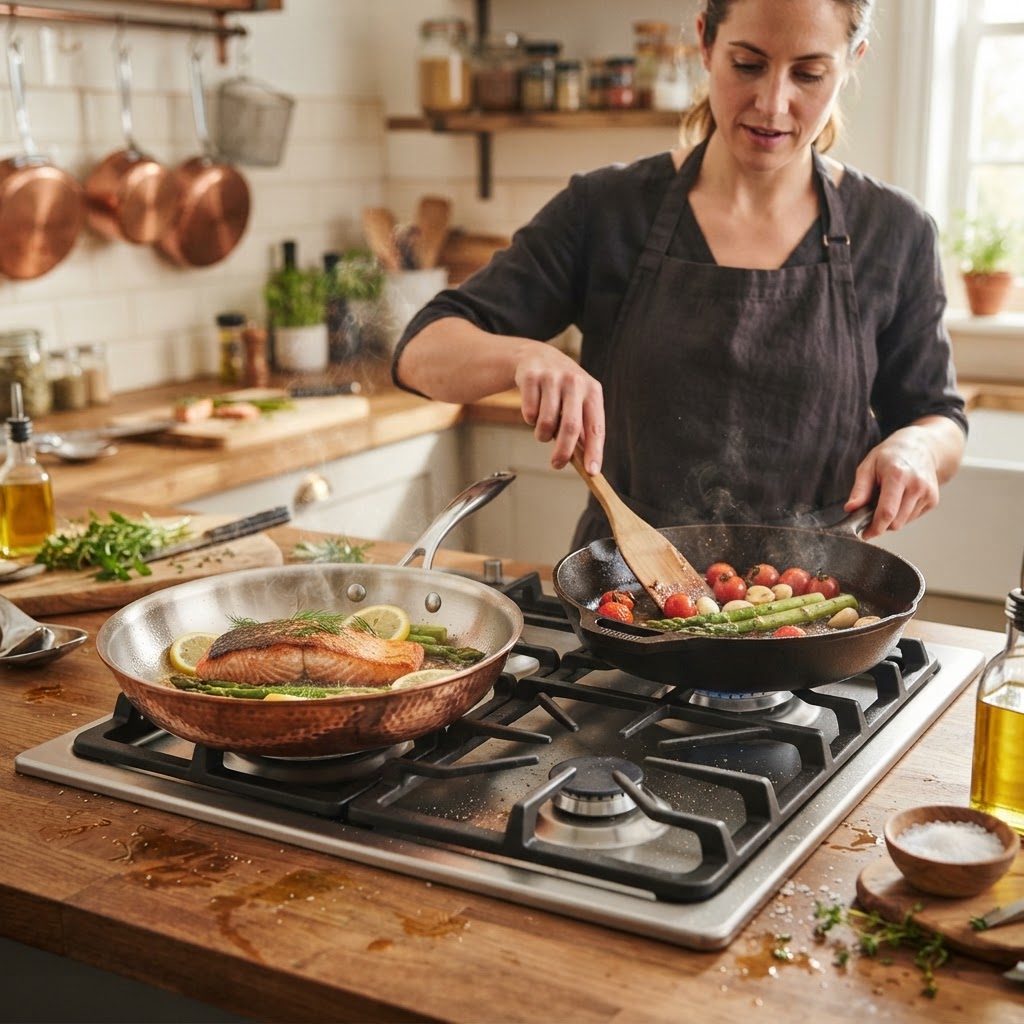
The Home Cook’s Guide to Thermal Conductivity: Choosing the Right Cookware Materials for Every Cooking Method
Welcome to the kitchen, where science meets soul, and where the most frustrating culinary failures are often just a misunderstanding of physics. Have you ever wondered why your pancakes burn in the center while remaining raw at the edges, or why your delicate fish fillets seem to adhere permanently to your stainless steel pan? The answer rarely lies in your lack of talent or a faulty recipe, but rather in the way heat moves through your equipment. Mastering the kitchen requires moving beyond just following instructions to understanding the invisible forces at play beneath your ingredients. We are going to deconstruct the mystery of thermal conductivity, giving you the knowledge to finally blame the physics of your pan rather than your own hands.
At "Blame The Chef," we believe that the home cook is a scientist in an apron, managing reactions that transform raw matter into sustenance. Every material you cook with—from heavy cast iron to reactive copper—possesses a distinct "personality" dictated by how quickly it absorbs, distributes, and retains heat. By understanding these characteristics, you can stop fighting your equipment and start manipulating it to produce the perfect sear, the gentle simmer, or the precise sauté. We will journey through the periodic table of cookware, dissecting why certain materials excel at searing proteins while others are best suited for long, slow braises. This is not just a guide to buying pots and pans; it is a curriculum for culinary independence.
Preparation in the kitchen is an exercise in resource management, and your cookware acts as the mediator between the raw power of your stove and the delicate structure of your food. Many home cooks make the mistake of investing in high-end culinary tools without understanding the specific thermodynamic properties that make those tools work. Throughout this post, we will explore the nuances of heat transfer, the importance of pan mass, and why thermal emissivity is more than just a buzzword for the pros. Whether you are a weekend warrior or a dedicated home gourmand, you are about to unlock the secrets to consistent results. It is time to turn the stove on, grab your thermometer, and start looking at your kitchen gear with a brand new perspective.
The Physics of Heat: Understanding Thermal Conductivity
Thermal conductivity is the rate at which heat energy passes through a material. In the context of your kitchen, this determines how quickly a pan reacts to changes in your burner’s temperature and how evenly heat is distributed across the cooking surface. If you use a pan with low conductivity, you will experience "hot spots," where the heat is concentrated directly over the flame, while the outer edges of the pan remain cool. This is the primary culprit behind unevenly cooked proteins and scorched sauces.
The Hierarchy of Materials
Different metals possess different levels of atomic efficiency when it comes to passing kinetic energy along. Copper is the gold standard for conductivity, reacting almost instantly to temperature adjustments. Aluminum is a close runner-up, offering excellent performance at a lower price point and lighter weight. Conversely, materials like stainless steel and cast iron are relatively poor conductors, which can actually be an advantage depending on your goals.
Why Mass Matters
It is not enough to consider the material alone; you must consider the thickness, or "gauge," of your cookware. A thin copper pan will heat up instantly but will also lose heat just as fast, leading to temperature fluctuations that can ruin a delicate emulsion. A thicker pan provides thermal mass, acting as a battery of heat that keeps the temperature stable even when you drop a cold, moisture-rich steak into the vessel. Professionals often look for a balance: high-conductivity cores sandwiched between durable, non-reactive metals.
"The ideal piece of cookware is not necessarily the most expensive one, but the one that allows you to predict exactly how your food will behave the second it touches the surface."
The Case for Copper: Precision and Responsiveness
Copper is the material of choice for professional chefs who demand absolute control over their cooking environment. Because its thermal conductivity is so incredibly high, a copper pot responds to your stovetop dial with the precision of a master surgeon. When you are making a delicate beurre blanc or a temperamental caramel, you need to be able to pull the pan off the heat and see the temperature drop immediately. Copper allows for this level of manipulation, preventing the "carry-over" heat that often ruins fragile sauces.
Maintaining Your Copper
While copper is a dream to cook with, it requires specific maintenance protocols. Most modern copper cookware is lined with a thin layer of stainless steel or tin to prevent the copper from reacting with acidic ingredients like wine or tomatoes. If you are using a tin-lined pan, you must be careful never to heat it empty, as the melting point of tin is relatively low (roughly 450 degrees Fahrenheit).
Professional Tips for Copper Use
Stainless Steel: The Reliable Workhorse
If copper is the surgical instrument, stainless steel is the heavy-duty truck of the kitchen. It is incredibly durable, non-reactive, and can handle high heat without warping. However, stainless steel is a notoriously poor conductor of heat. If you bought a pan that was solid stainless steel, you would have a nightmare of hot spots and uneven cooking. This is why you will almost never find a high-quality stainless steel pan that does not have an aluminum or copper core bonded into the base or the sidewalls.
Understanding Cladding
"Clad" cookware is the industry standard for a reason. By sandwiching a highly conductive material between two layers of stainless steel, you get the best of both worlds: the superior heat distribution of aluminum and the non-reactive, easy-to-clean nature of steel. Look for "tri-ply" or "5-ply" construction, which indicates how many layers are used. The more layers, the more uniform the heat, provided the internal core is of a significant thickness.
Technique: The Leidenfrost Effect
To master stainless steel, you need to understand how to prevent sticking without a non-stick coating. This relies on the Leidenfrost effect. When the pan is heated to the correct temperature—usually around 350 to 400 degrees Fahrenheit—a drop of water placed in the pan will not sizzle and evaporate; it will bead up and glide across the surface like a marble on glass. Once you reach this state, you can add your oil, wait a moment for it to shimmer, and add your protein. The food will create a natural sear and release easily once the crust has formed.
"A common misconception is that stainless steel is 'sticky' by nature. In reality, it is simply a test of your patience—wait for the pan to reach the proper temperature, and the pan will release the protein when the sear is perfect."
Cast Iron and Carbon Steel: The Kings of Heat Retention
Cast iron and carbon steel operate on a different thermodynamic principle than copper or clad steel. They have low thermal conductivity but high thermal mass and high thermal emissivity. They take a long time to heat up, but once they are hot, they stay hot. This makes them the ultimate tools for searing steaks, frying chicken, or baking cornbread. They don't react quickly to your stove dial, but they provide the stable, intense heat necessary for building a deep, mahogany crust.
The Art of Seasoning
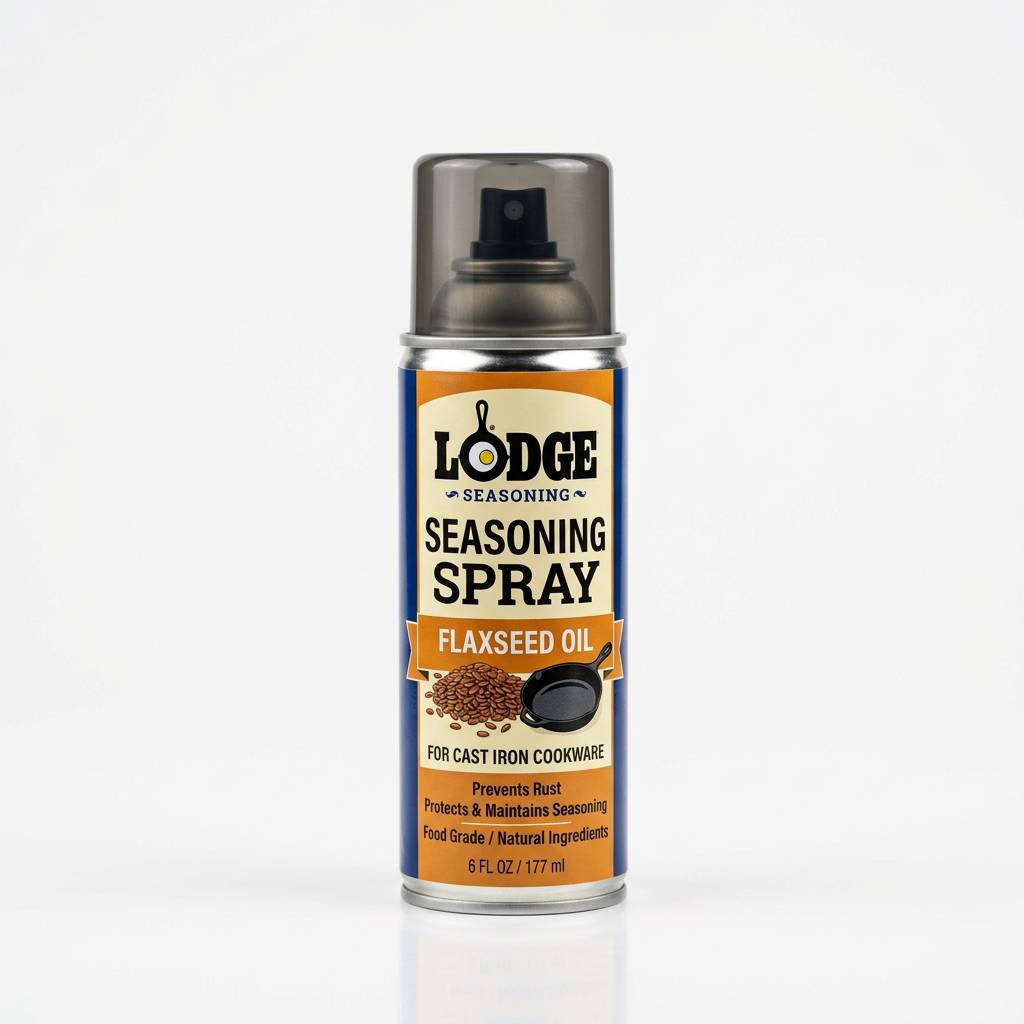
The performance of cast iron and carbon steel is tied directly to the seasoning layer. This is not just a non-stick coating; it is a layer of polymerized oil that has bonded to the metal. To build a strong seasoning, you need to apply a thin layer of high-smoke-point oil (like grapeseed or flaxseed) and heat it past its smoke point, allowing the molecules to cross-link into a solid, plastic-like surface.
Managing Carbon Steel
Carbon steel is the thinner, more agile cousin of cast iron. It is a favorite in professional kitchens because it is lighter, easier to flip with, and develops a natural non-stick patina just as well as cast iron. Because it is thinner, it reacts slightly faster to heat changes than cast iron, making it perfect for stir-frys, omelets, and quick searing of vegetables.
Cleaning:* Never soak cast iron or carbon steel in water.
Maintenance:* Always dry over a burner and apply a drop of oil after cleaning.
Avoid Acids:* Long-simmering acidic sauces can strip your seasoning and impart a metallic taste to your food.
Aluminum: The Unsung Hero of Thermal Distribution
Aluminum is perhaps the most underrated material in the home kitchen. It is cheap, lightweight, and boasts a thermal conductivity that rivals gold. While it is too reactive to use for acidic sauces (it can leach into food, leaving a metallic taste), it is the backbone of the entire industry. Most of the cookware in your home, even if it has a non-stick coating, is likely made primarily of aluminum.
Anodized Aluminum
"Hard-anodized" aluminum is a specialized process that treats the metal to make it harder than stainless steel and completely non-reactive. This creates a surface that is incredibly durable and resistant to scratches. If you enjoy the ease of non-stick cooking but want the performance of a high-quality, conductive metal, look for hard-anodized cookware. It heats evenly, cleans up in seconds, and lasts for years if handled with care.
When to Choose Aluminum
Thermal Emissivity and Pan Finish
There is a subtle aspect of physics that most home cooks overlook: thermal emissivity. This is the ability of a surface to emit or radiate heat. A shiny, polished stainless steel surface has low emissivity, meaning it doesn't lose heat through radiation as quickly as a dark, dull, or matte surface. This is why dark pans (like cast iron) tend to bake items differently than shiny aluminum baking sheets.
The Impact on Baking
When you are roasting vegetables or baking cookies, the finish of your pan will dictate the outcome. A dark, matte-finish pan will radiate more heat into the food, leading to crispier bottoms and deeper browning. If you are baking delicate cakes or soufflés, a shiny, light-colored pan is preferred because it reflects heat, ensuring a gentler, more uniform rise without the edges becoming charred.
Choosing Your Baking Gear
Shiny surfaces:* Best for cookies, delicate pastries, and anything you want to stay pale and soft.
Dark or textured surfaces:* Best for roasted potatoes, crispy pizza crusts, and breads that need a solid, crunchy bottom.
Silicone mats:* These act as a thermal barrier, slowing down heat transfer to the bottom of your food, which is useful if you struggle with burning your cookies.
"The color and texture of your pan are not just aesthetic choices; they are active variables that influence how much heat energy is being radiated directly into your food during the cooking process."
Integrating Your Tools: A Summary of Methods
Now that we have dismantled the science, let us put it into practice. Different cooking methods require different materials to achieve the desired culinary effect. Below is a breakdown of how to pair your technique with your equipment for the best possible results.
The "Blame The Chef" Strategy Guide
A Note on Non-Stick Coatings
While non-stick coatings are a staple in most homes, they are essentially a thermal "dead zone." They are designed to prevent adhesion, not to create a Maillard reaction. If you find yourself struggling to get a good crust on your proteins, blame your non-stick pan. These pans are physically incapable of reaching the high temperatures required for true searing, and the non-stick surface actually prevents the fat from bonding properly with the protein fibers. Use your non-stick pan for eggs and crepes, and leave the searing to the bare metal.
Final Thoughts
The journey toward becoming a better cook is often obscured by the noise of trendy gadgets and aesthetic cookware sets that prioritize appearance over utility. By looking past the branding and focusing on the thermal conductivity, mass, and reactivity of your tools, you move from being a follower of recipes to a master of your kitchen. You now have the vocabulary to understand why your favorite cast iron skillet is the best thing you own for a steak, and why that expensive copper pot is the only thing you’ll ever use for your hollandaise.
Cooking is ultimately a dance between the energy of the fire and the resistance of the metal. When you match the tool to the task, the "chef" (or the cook, in this case) finally stops being the one to blame. Your pans should be an extension of your intent, silently doing the heavy lifting while you focus on flavors, aromatics, and the joy of creating something extraordinary.
Remember: do not be afraid to experiment. Take your cast iron pan and see how it holds heat compared to your lightest aluminum saucepan. Feel the difference in the handle when the pan is scorching hot. Observe how long it takes for a pan to recover after you add a cold ingredient. These small, tactile observations are the foundation of professional intuition. Keep the kitchen clean, keep your tools cared for, and most importantly, keep cooking. The next time something goes wrong, don't just walk away—ask yourself if the physics of your pan might be the real culprit. With this guide in hand, you are ready to take full control of your culinary destiny, one heat-conductive molecule at a time. Happy cooking, and may your searing be always deep, your sauces always smooth, and your kitchen always a place of discovery.
As you continue to refine your craft, remember that the most seasoned chefs in the world are those who never stopped being students of the science. Whether you are deglazing a stainless steel pan to create a pan sauce, or carefully maintaining the seasoning on a piece of carbon steel that has been in your family for decades, you are engaging in a tradition of culinary excellence. Equipment is a tool, not a crutch, and understanding the "why" behind the "how" is what separates a good cook from a great one. You have the knowledge now; the rest is just practice. Keep experimenting, keep tasting, and don't be afraid to blame the chef—but only if you haven't checked the conductivity of your pan first!
Finally, never underestimate the power of a simple, consistent routine. By standardizing your equipment, you standardize your results. Build your collection slowly, investing in pieces that serve a specific scientific function in your repertoire. You don't need a thousand gadgets; you need a few reliable materials that you know inside and out. Master the physics of your pans, and you will find that the cooking itself becomes less of a chore and more of an art form. The kitchen is waiting for you, and now, you finally know exactly how to tame the fire. Go forth and cook with confidence, knowing that you have the scientific edge to make every meal a success.
Stay curious, stay hungry, and keep the pans hot. Your culinary journey is only just beginning, and with the mastery of thermal conductivity, there is truly no limit to what you can achieve at the stove. Whether it's the perfect sear on a scallop or the slow, steady braise of a shoulder roast, you are now equipped to tackle it all with the eye of a scientist and the heart of a home cook. Embrace the physics, trust your tools, and always remember to enjoy the process as much as the final plate. The "Blame The Chef" philosophy is built on the belief that anyone can reach professional-level consistency if they are willing to look at the kitchen through the lens of logic and science. You have taken that first step today, and I cannot wait to see what you create.
Get the Next Recipe
Weekly recipes, techniques, and gear picks — straight to your inbox.
