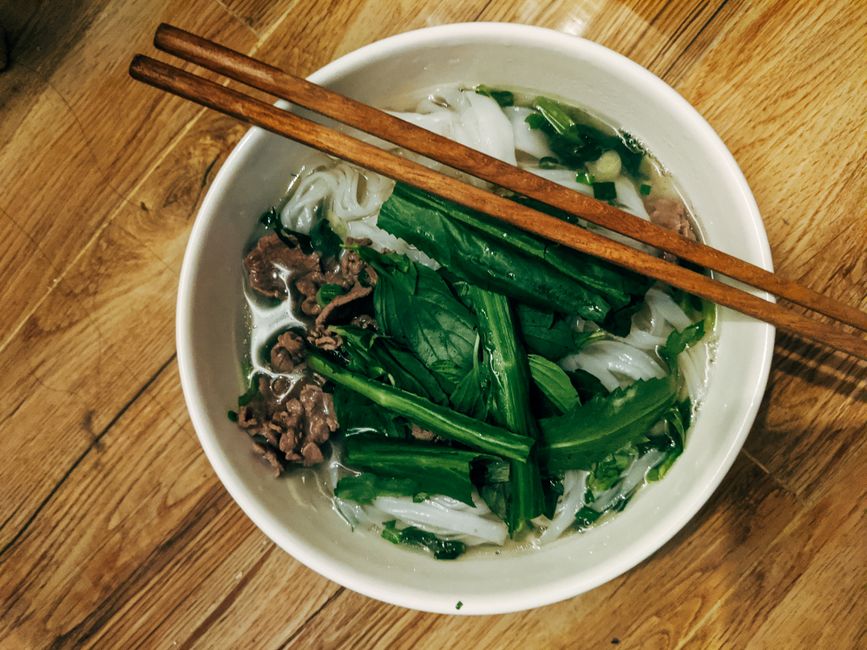
The Home Cook's Guide to Vietnamese Phở: Building a Layered Broth from Charred Aromatics and Bones
There is a singular, transformative moment when you first lift a steaming bowl of Phở to your face, the rising vapor carrying the scent of toasted spices and deeply simmered beef. For the uninitiated, it is merely a noodle soup, but for those who have stood over a simmering stockpot for hours, it is a lesson in patience, chemistry, and reverence for tradition. This iconic Vietnamese staple is not just a recipe; it is a ritual that demands your full attention, starting from the selection of the bones to the careful balancing of the finishing herbs. If you have ever felt intimidated by the lengthy process or the seemingly endless list of ingredients, take heart, for the beauty of this dish lies in its simplicity of purpose: extracting the soul from every ingredient.
When we talk about the "Home Cook's Guide," we aren't suggesting you cut corners, but rather that you understand the mechanics of the kitchen well enough to command them. The hallmark of a great Phở Bò is a broth that is crystal clear yet staggeringly complex, a contradiction that can only be achieved through rigorous cleaning techniques and controlled heat. Many home cooks make the mistake of boiling their stock too vigorously, which emulsifies the fats and ruins the clarity, turning a golden-hued treasure into a cloudy, muddy mess. By mastering the delicate balance of blanching, charring, and clarifying, you will unlock a level of depth that rivals the best street stalls in Hanoi or Ho Chi Minh City.
Preparation is where the chef’s mindset truly shines, as you must approach the pantry with a sense of architectural planning. You are building a foundation that must support the weight of star anise, cinnamon, ginger, and charred onion without any single element overpowering the others. It is a slow, rhythmic dance of sensory cues—the way the ginger caramelizes, the smell of the coriander seeds hitting the dry pan, and the slow, steady drip of a fish sauce infusion. Today, we are going to peel back the curtain on this culinary masterpiece, providing you with the exact techniques, ratios, and timing needed to elevate your home kitchen into a legitimate phở laboratory.
The Foundation: Selecting and Preparing Your Bones
The lifeblood of any legitimate bowl of phở is the marrow-rich beef bone. Without a high concentration of collagen, the broth will lack that characteristic velvety mouthfeel that coats the tongue. You should seek out a combination of knuckle bones, marrow bones, and a piece of oxtail for maximum gelatinous output. The ratio I recommend is approximately five pounds of bones for every four quarts of water to ensure a robust, concentrated base. Professional chefs know that the quality of your protein dictates the ceiling of your flavor profile, so source your bones from a butcher who understands that you need them cut specifically to expose the marrow.
The Art of the Blanch
Before you even think about simmering your broth for the long haul, you must undergo the blanching process. This is the secret to a clear broth. Place your bones in a large stockpot and cover them with cold water, bringing them to a aggressive boil for roughly ten to fifteen minutes. You will see a grey, frothy scum rise to the surface—this is the coagulation of impurities and blood. Do not be tempted to skim this away; instead, drain the entire pot into the sink and scrub every bone under cold running water until they are pristine. This "clean slate" technique is non-negotiable for achieving that signature translucent, golden-hued liquid.
The Role of Collagen and Gelatin
Once your bones are squeaky clean, return them to a scrubbed pot with fresh, cold water. The extraction process is a game of patience, requiring a low, steady simmer rather than a rolling boil. If you boil the stock too hard, the gelatin you are working so hard to extract will break down into proteins that cloud the water. Keep your heat source at the lowest setting possible, creating a "shimmering" effect on the surface. This gentle agitation allows for the slow release of collagen into the broth, which is what gives phở its body. A good stock should feel slightly tacky on your lips when it cools—that is the mark of a masterfully extracted liquid.
"A great broth is not merely a collection of flavors, but a carefully curated sequence of extractions. You are not just cooking bones; you are coaxing the very essence of the ingredient into a liquid state through time and temperature control."
Charring Aromatics for Depth and Complexity
Once your broth is simmering peacefully, it is time to address the "charred aromatics" that provide the signature smokiness of Vietnamese cooking. You need large knobs of fresh ginger and several yellow onions, cut in half with the skins left on. The skin adds a deep, mahogany color to the broth and provides an earthy undertone that cannot be replicated with peeled aromatics. Using an open flame on your gas stove or a high-heat broiler, char the onion halves and ginger until the surfaces are blackened and the insides have softened significantly. This charring process is responsible for the deep, complex notes that ground the floral spices later in the cooking process.
The Spice Toasting Technique
After your onions and ginger are charred, set them aside and turn your attention to the dry spices. You will need star anise, cloves, cinnamon sticks, black cardamom, and coriander seeds. These spices are the signature "signature notes" of the dish, and they require a quick toast in a dry skillet over medium heat. Keep the skillet moving constantly to prevent the oils from burning and turning bitter; you are looking for the moment the spices become fragrant and slightly darker. This brief heat application releases the volatile essential oils that give phở its aromatic profile.
Balancing the Spice Ratio
It is vital that you don't overdo the spices, as they can quickly turn a delicate beef broth into something that tastes more like potpourri. My golden ratio for five pounds of bones is:
* 4-5 whole star anise pods
* 1 large cinnamon stick (or two small ones)
* 3-4 whole cloves
* 1 tablespoon coriander seeds
* 1 black cardamom pod
Place these toasted spices into a cheesecloth sachet or a stainless steel spice ball. Adding them directly to the pot can make the broth gritty, so the sachet is your best friend. Submerge the sachet into the stockpot about two hours before the broth is finished simmering. This timed addition ensures that the spices impart their flavor without the harsh, tannic bitterness that occurs during prolonged boiling.
The Fine Art of Seasoning and Clarity
Seasoning a phở broth is a delicate balancing act between the salinity of fish sauce, the sweetness of yellow rock sugar, and the base saltiness of sea salt. Unlike other soups, you should never season the broth in the first hour of cooking. Wait until the broth has developed its deep, meaty flavor profile, usually around hour five or six, before introducing your seasonings. Start with the rock sugar, which provides a clean, mellow sweetness that bridges the gap between the beefy notes and the pungent fish sauce.
The Fish Sauce Dilemma
Many home cooks fear the smell of fish sauce, but it is the backbone of the entire dish. Use a high-quality, first-press fish sauce (often labeled as having a higher nitrogen content on the bottle). Add the fish sauce in small increments, tasting as you go. You are not trying to make the soup taste like fish; you are trying to enhance the savory, umami-rich notes of the beef. If you find the broth is becoming too salty, a small pinch of extra rock sugar can often bring it back into equilibrium.
Maintaining Crystal Clarity
To keep your broth clear, never stir the pot once the aromatics are in. If you have any foam rising to the surface during the simmer, use a fine-mesh skimmer to gently lift it away. Some chefs suggest keeping the lid slightly ajar during the simmer to prevent the broth from becoming too concentrated or "stewy" in flavor. If you find that the broth is reducing too much, you can top it off with a little boiling water, though it is always better to gauge your water levels correctly at the start.
"Clarity is the ultimate virtue in a bowl of broth. It represents the chef's discipline and their respect for the ingredients, proving that they have taken the time to remove every impurity that might distract from the purity of the taste."
Noodle Texture and Bowl Assembly
While the broth is the soul, the rice noodles are the body. You must select the right type of flat banh pho noodles, which are typically made from a blend of rice flour and tapioca starch. The key is in the preparation: do not overcook them. The noodles should be boiled separately in a fresh pot of water just until they are al dente, then shocked in cold water for a few seconds to stop the cooking process, and finally rinsed thoroughly to remove excess starch. This ensures that when they hit the hot broth in your serving bowl, they don't turn into a gelatinous clump.
The Prep of the Beef
The way you cut your beef is just as important as how you simmer the bones. You want a combination of thinly sliced raw beef (such as eye of round or sirloin) and potentially some brisket that has been poached in the broth. The raw beef should be sliced paper-thin against the grain. When you place these slices into the bowl and pour the boiling broth over them, they will cook instantaneously, remaining incredibly tender. If the beef is too thick, it will turn chewy and rubbery, ruining the texture of the dish.
The Workflow of Assembly
Balancing the Freshness: Herbs and Garnishes
The final stage of the phở experience is the "herb plate." This is where the diner takes control, customizing the bowl to their specific palate. You should provide a generous plate of Thai basil, culantro (a serrated, pungent herb that smells like cilantro), bean sprouts, bird’s eye chilies, and lime wedges. The freshness of these ingredients cuts through the richness of the bone marrow broth, creating a refreshing contrast that makes the soup addictive.
The Science of Aromatics
Why do we serve the herbs on the side? Because the heat of the broth will wilt the herbs instantly. If you add them to the pot while it is still on the stove, they will turn brown, lose their brightness, and muddy the flavor of the liquid. By adding them bowl-by-bowl, you maintain the "live" flavor of the aromatics. The lime juice, in particular, acts as an acid-base regulator, brightening the savory fat of the beef and making every bite feel light and clean.
Customization and Personalization
Encourage your guests to taste their broth before they add anything else. This allows them to appreciate the work you put into the foundation of the soup. Then, invite them to add the hoisin sauce and sriracha—but remind them that these should be used sparingly. A great broth shouldn't need heavy sauces to taste delicious; the sauces are merely a way to tweak the balance for those who prefer a spicier or sweeter profile.
Troubleshooting the Common Phở Pitfalls
Even the most dedicated home cook can run into issues. Perhaps your broth is a bit weak in flavor, or maybe the color isn't quite right. The most common mistake is impatience—rushing the simmer time. Beef bones need time to break down their marrow. If your broth is pale and thin after six hours, you haven't simmered it long enough, or you used too much water to start. If it is cloudy, you likely didn't blanch the bones well enough or you allowed the pot to boil instead of simmer.
Adjusting on the Fly
Too Bland? If the broth lacks depth, you can add a concentrated beef bone broth or a splash of fish sauce*, but understand that this is a fix, not a substitute for proper extraction.
Too Cloudy?* While you cannot easily "un-cloud" a finished broth, you can strain it through a coffee filter or a very fine chinois lined with cheesecloth to remove larger particles, which will improve the visual presentation.
Too Salty?* If you have over-salted, try adding a peeled, quartered potato to the pot and simmering for twenty minutes. The potato will absorb some of the excess salt; remove the potato before serving.
The Value of Time
Remember that phở is a slow-food dish. It cannot be rushed. If you are planning a dinner, start your broth the day before. The flavors actually marry better after a night in the refrigerator. In fact, many professional chefs believe that a broth served twenty-four hours after it is made is superior, as it allows the fats to solidify on top, making it easier to skim away for a clean, lean finish.
Culinary Philosophy: Why We Bother
When you invest this much time into a single meal, you are doing more than just feeding yourself. You are participating in a culinary lineage that stretches back generations. The word "phở" is thought to derive from the French dish "pot-au-feu," brought to Vietnam during the colonial period and transformed through the ingenuity of local cooks who introduced the aromatic spices and rice noodles that defined the dish we recognize today. It is a fusion of East and West, a testament to how ingredients can transcend borders.
Building Your Skills
By tackling this dish, you are learning how to manage heat, how to extract proteins, how to balance aromatics, and how to plate with intention. These are the building blocks of every great dish in the professional canon. Once you master the broth, you will find that your ability to cook soups, stews, and braises in other cuisines improves exponentially. You begin to understand the chemistry of the pot rather than just following a list of instructions.
The Home Cook as Chef
The title "Blame The Chef" implies that there is always someone to hold responsible for the final result, and in your home kitchen, that person is you. You are the architect of your own culinary success. When you place that bowl down and hear the silence of satisfaction from your family or friends, you will know that the hours spent blanching, charring, and simmering were worth every single minute. You have not just made dinner; you have crafted an experience.
Final Thoughts
Building a phở from scratch is one of the most rewarding challenges a home cook can undertake. It demands your patience, rewards your attention to detail, and ultimately provides a masterclass in the balance of flavor. By focusing on the quality of your bones, the precision of your charring, and the gentle patience of your simmer, you can move beyond the "quick-fix" recipes found on the internet and achieve a professional-grade result. The broth you create will be the standard by which you measure every other soup you ever eat.
Do not fear the process. Approach each step as a discrete task: the cleaning of the bones, the toasting of the spices, the skimming of the surface, and the careful seasoning. If something doesn't go perfectly the first time, take note of where the deviation occurred and adjust for your next batch. Perfection in phở is not a destination but a practice—a rhythmic, recurring ritual that keeps the home cook connected to the very core of what it means to be a chef. May your broth be clear, your aromatics fragrant, and your bowls always full. Happy cooking, and remember that when the meal turns out this well, the only person to blame is yourself for making it so delicious.
Continue to explore the layers of your ingredients. Taste your broth throughout the process, noting how it evolves from water and bones to a complex, savory nectar. There is a profound joy in knowing exactly what went into your food, from the charred ginger to the final sprig of Thai basil. This is the essence of "Blame The Chef"—taking ownership of the craft and finding pride in the work you do with your own two hands. Keep refining, keep tasting, and keep sharing the bowl.


Get the Next Recipe
Weekly recipes, techniques, and gear picks — straight to your inbox.
