The Home Cook's Guide to Yuzu: Mastering Japan's Citrus Treasure for Bright, Floral Dishes
There is an undeniable magic that occurs when a single ingredient shifts the entire landscape of a dish, turning something mundane into a masterpiece of brightness and complexity. In the world of high-end gastronomy, few fruits possess the transformative power of yuzu, a knobby, unassuming citrus that has been revered in Japanese cuisine for centuries. Unlike the aggressive, sharp acidity of a lemon or the one-note sweetness of an orange, yuzu offers a sophisticated, multi-dimensional flavor profile that dances between grapefruit, mandarin, and a hauntingly floral whisper that is difficult to replicate. For the home cook, integrating this ingredient into your repertoire is not just a culinary experiment; it is an invitation to explore the nuance of balance, acidity, and aromatic depth that defines world-class cooking.
Most home cooks encounter yuzu for the first time through bottled juices or high-end fusion sauces, often missing the raw, electric potential of the fresh fruit itself. While sourcing fresh yuzu can be a seasonal challenge—often limited to short windows in late autumn—the commitment to finding it pays dividends in the form of vinaigrettes, marinades, and desserts that sing with a vibrant, perfumed clarity. Mastering yuzu is about understanding that it is not merely a substitute for lime or lemon, but an entirely different tool in your flavor arsenal. It requires a gentle hand, an appreciation for subtlety, and an understanding of how its volatile essential oils behave under heat and during long-term storage.
At Blame The Chef, we believe that elevating your home cooking starts with understanding the "why" behind an ingredient, not just the "how." Throughout this guide, we will peel back the layers of this Japanese citrus treasure, exploring everything from its botanical origins to the precise techniques required to extract its essence without compromising its delicate nature. We will discuss the essential pairings that ground the fruit’s acidity, the safety of handling its aromatic oils, and how to store your supply to ensure that every drop captures that fleeting, ethereal floral quality. Whether you are a novice looking to impress guests or a seasoned home cook ready to refine your palate, yuzu is the secret weapon you have been searching for to sharpen your culinary edge.
Understanding the Yuzu: A Botanical and Culinary Overview
The yuzu (Citrus junos) is a resilient, cold-hardy citrus fruit that originated in East Asia, likely as a hybrid of the mandarin orange and the ichang papeda. Because it thrives in cooler climates, it develops a thick, pebbled rind that is absolutely packed with aromatic oils, far more potent and complex than the zest of any common Western citrus. When you handle a piece of fresh yuzu, you are not just handling a fruit; you are handling a concentrated essence of fragrance. The juice, while acidic, is significantly more rounded than that of a lime or lemon, carrying a sweetness that feels more "botanical" than sugary.
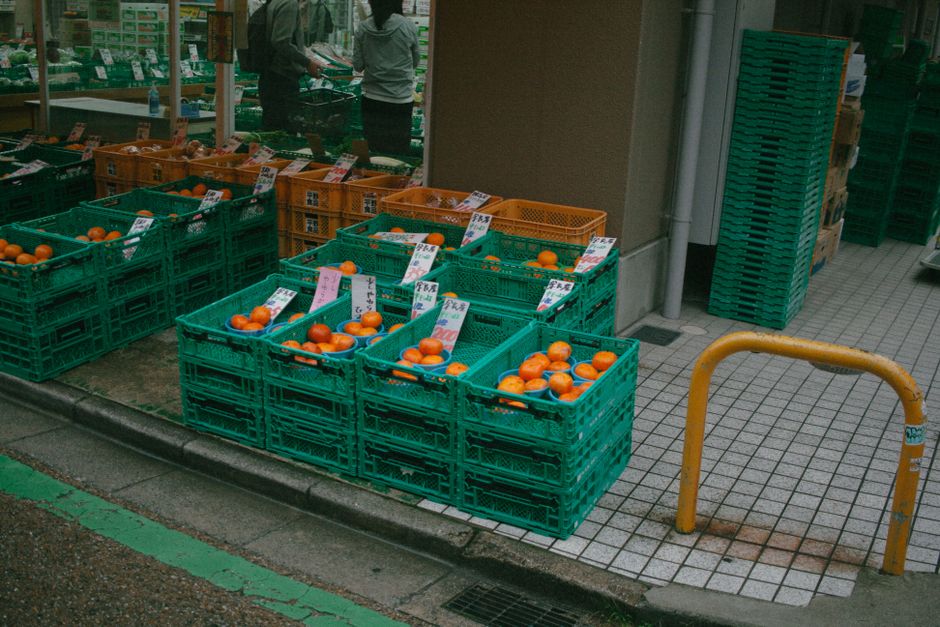
When shopping for yuzu, you will often find it in three primary states: fresh, bottled juice, and processed products like yuzu-kosho. The fresh fruit is the gold standard for aromatics, as the oils in the peel begin to oxidize and lose their potency almost immediately after picking. If you are lucky enough to source fresh fruit, check the skin for firmness and a vibrant yellow-gold hue. Avoid any fruit that feels soft or mushy, as this suggests the internal membranes have broken down. If you cannot find fresh fruit, look for high-quality, cold-pressed juices that are labeled as 100% pure, ensuring no additives or sweeteners have been added to mask the flavor.
Understanding the seasonality of the fruit is critical for the serious home cook. In its native Japan, green yuzu is harvested in late summer and is prized for its sharper, more grassy notes, while the yellow-gold, fully mature yuzu arrives on the market in late autumn and winter. The fully mature fruit is what most Western cooks identify as the "classic" yuzu profile. This seasonal variation allows you to play with different levels of acidity and fragrance throughout the year. Remember, because yuzu is highly aromatic, it is best used as a finishing element rather than a base, allowing those top notes to shine through without being buried by heavier fats or starches.
"Yuzu is the bridge between the sharp intensity of a lemon and the delicate perfume of a white flower; it is the ultimate tool for achieving high-end balance in a dish."
The Art of Zesting and Extracting: Techniques for Home Chefs
The secret to success with yuzu lies in the technique of extraction. Because the skin is thick and bumpy, using a standard fine microplane is often the best way to capture the outer zest while avoiding the bitter white pith, or albedo, which lies underneath. You want to aim for the thinnest layer possible, which contains the majority of the volatile oils. If you accidentally dig into the pith, the bitterness will immediately overwhelm the delicate, floral top notes, ruining the balance you have worked so hard to create. Hold the fruit firmly, use a light touch, and rotate frequently to ensure you are capturing only the bright, yellow surface area.
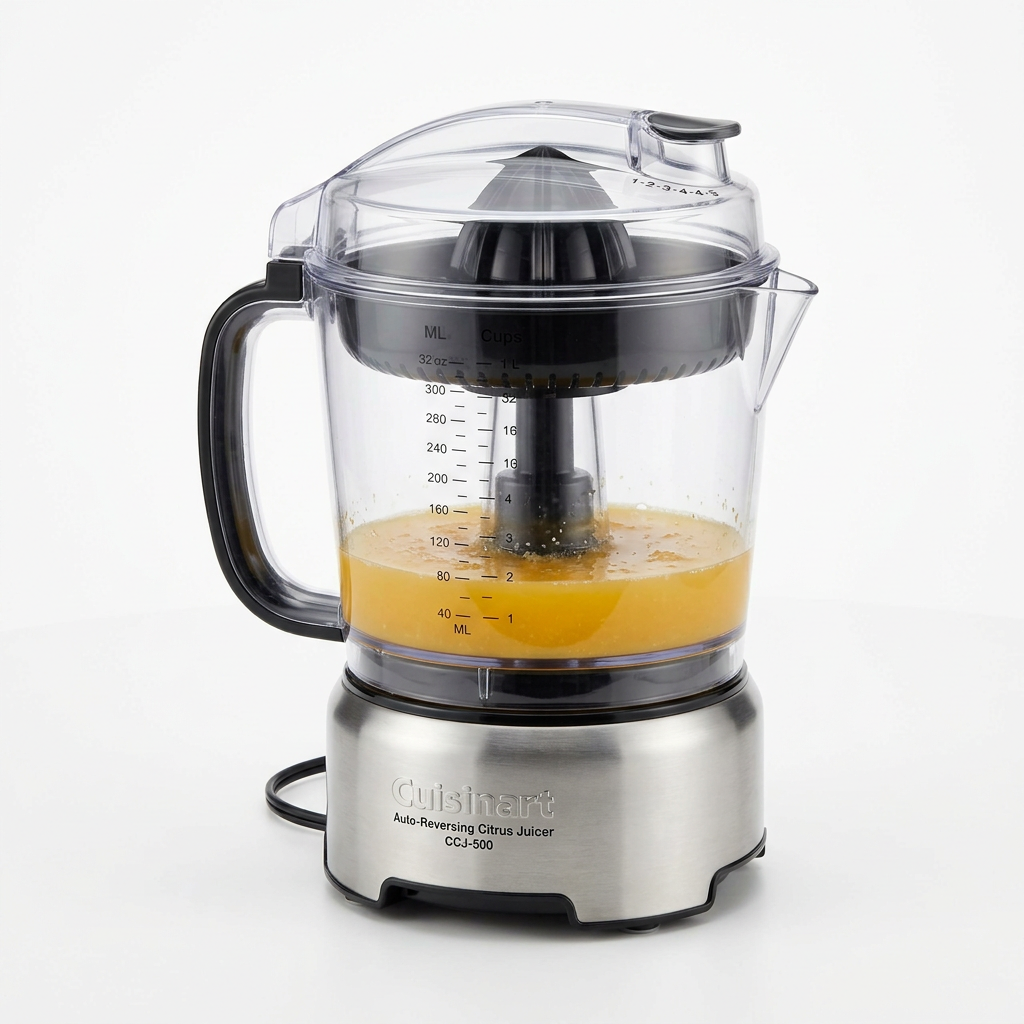
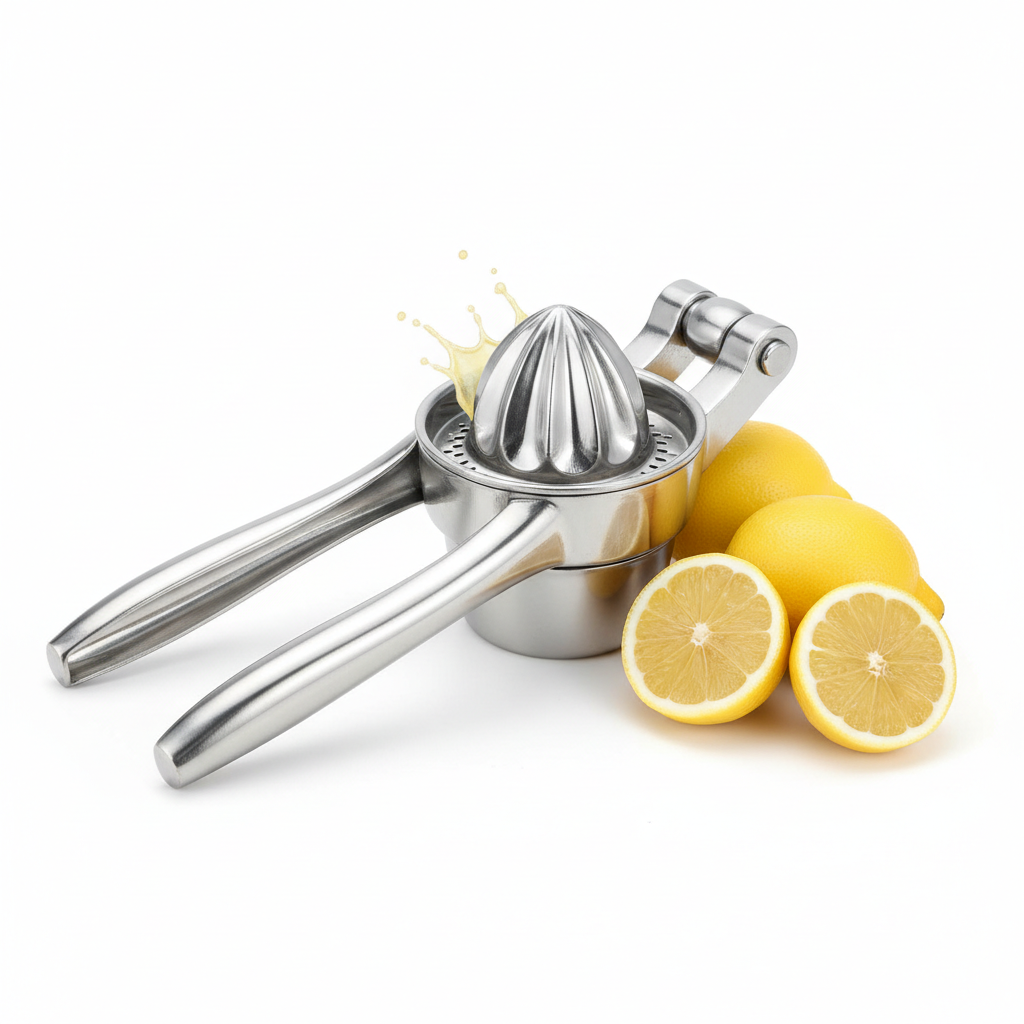
When juicing the fruit, remember that yuzu is significantly less "juicy" than a lemon. A single yuzu might yield only a tablespoon of liquid, so you need to be strategic about your extraction methods. I recommend using a citrus reamer rather than a hand-press, as the reamer allows you to control the pressure and avoid crushing the seeds, which contain high levels of bitter compounds. If you are preparing a large batch of a dressing or a marinade, consider juicing the fruit into a glass bowl rather than plastic, as the high oil content can react with certain porous plastics and change the flavor profile over time.
Once you have your zest and juice, the clock is ticking. The aromatic volatile compounds in yuzu are highly sensitive to heat and oxygen. If you are using the juice in a hot sauce or a poaching liquid, add it at the very last second—the "finish"—rather than during the cooking process. Adding yuzu to a boiling liquid will effectively steam away the best parts of the fruit, leaving you with a generic sourness. If you must incorporate it into a baked good, rely on the zest for flavor, as it holds up better under heat than the juice.
Pro-Tips for Preparation
The Freeze Method:* If you have leftover zest, mix it with a small amount of sugar or salt to help stabilize the volatile oils, then freeze it in a shallow container.
Minimalist Pressure:* Use a steady, circular motion when zesting to avoid the pith.
Seed Management:* Always strain your juice through a fine-mesh sieve; yuzu seeds are notoriously oily and bitter.
Pairing Yuzu with Proteins: From Seafood to Poultry
Yuzu is a natural partner for seafood, particularly fatty fish like sablefish, salmon, or yellowtail. The acidity of the fruit cuts through the rich, buttery mouthfeel of the fish, acting as a palate cleanser that makes the dish feel lighter and more intentional. In my professional kitchen, I frequently use a yuzu-based beurre blanc to finish seared scallops. The ratio is simple: substitute half the vinegar or lemon juice in your standard emulsion with high-quality yuzu juice, and whisk in cold, unsalted butter until you reach a silky, emulsified consistency. Keep the sauce temperature below 140°F (60°C) to prevent the citrus oils from breaking down.
For poultry, think of yuzu as a brighter alternative to lemon in a roast chicken or a duck preparation. When roasting a whole bird, place a few quarters of yuzu inside the cavity along with aromatics like ginger and garlic. As the chicken roasts, the heat will gently draw out the citrus fragrance, infusing the meat from the inside out. For a faster weeknight meal, try a yuzu-soy glaze for chicken thighs. Combine two parts mirin, one part soy sauce, and one part fresh yuzu juice. Reduce the soy and mirin over medium heat until it coats the back of a spoon, then stir in the fresh yuzu off the heat. The glaze should be glossy, savory, and punctuated by the sharp floral note of the citrus.
Vegetarian proteins also benefit immensely from the presence of yuzu. Tofu, often criticized for its neutral flavor, becomes a canvas for the fruit’s complexity. A cold tofu salad, topped with a yuzu-shoyu dressing and freshly grated ginger, is one of the most refreshing light lunches you can prepare. The goal here is to balance the umami of the soy with the acidity of the yuzu. If your dish feels one-dimensional, add a pinch of toasted sesame oil to anchor the yuzu, providing a nutty depth that complements the citrus profile perfectly.
Creating The Ultimate Yuzu-Kosho: A Fermented Masterpiece
If you truly want to master yuzu, you must learn to make yuzu-kosho. This fermented paste, typically made from yuzu peel, chili peppers, and salt, is the backbone of many Japanese dishes and is surprisingly easy to make at home. The process is a lesson in patience and ingredient chemistry. Start by peeling three to four fresh yuzu fruits, being extremely careful to avoid the bitter white pith. You want about 100 grams of pure, yellow zest. Combine this with 50 grams of fresh green or red chili peppers and 20 grams of high-quality sea salt.
"The magic of yuzu-kosho lies in the fermentation process; as the salt draws the oils out of the zest and peppers, the flavors fuse into a singular, explosive, and addictive condiment that transforms every bite."
Using a mortar and pestle, grind these ingredients into a coarse paste. The texture should be slightly rustic, not a smooth puree. Once finished, pack the paste into a sterilized glass jar and let it sit in the refrigerator for at least three days. The fermentation will mellow the sharpness of the raw chilies and allow the yuzu oils to permeate the entire mixture. This paste is an incredible addition to soups, grilled meats, or even stirred into mayonnaise for a spicy, citrusy dipping sauce. The salt content acts as a preservative, meaning this batch will last in your refrigerator for several months, provided you keep it sealed.
When serving yuzu-kosho, remember that it is a condiment of extreme intensity. A small "pea-sized" amount is often enough to brighten an entire bowl of ramen or a serving of sashimi. Because it is a raw product, it should never be cooked; add it to your dishes at the table as a finishing touch. This ensures that the delicate floral notes remain front and center, providing a sophisticated pop of flavor that elevates your cooking from "good" to "extraordinary."
Yuzu in Pastry and Confectionery: A Sweet Revolution
Many home cooks are intimidated by using yuzu in sweets, fearing that the fruit will be too sour or too "savory" for a dessert context. However, the floral notes of yuzu are perfectly suited to cream-based desserts, citrus curds, and even chocolate. Because yuzu has a lower pH level than lemon, it can sometimes cause dairy to curdle if added too quickly or at the wrong temperature. To mitigate this, always temper your citrus by adding it to a small amount of your fat (like butter or cream) before folding it into a larger custard or mousse base.
One of my favorite ways to showcase yuzu is in a classic yuzu tart. Start with a standard shortbread crust base, and fill it with a custard made from eggs, sugar, heavy cream, and fresh yuzu juice. Instead of the traditional lemon curd which can be heavy, this yuzu version feels airy and perfumed. The key is to bake it at a low temperature, around 300°F (150°C), to allow the proteins in the egg to set slowly, creating a texture that is custard-like and smooth rather than rubbery. Finish the tart with a light dusting of powdered sugar or a garnish of candied yuzu peel to add texture.
If you are just starting out with yuzu desserts, try a simple yuzu-infused whipped cream. Simply fold a teaspoon of freshly zested yuzu into a cup of high-fat heavy whipping cream as you beat it. Serve this over fresh berries or a dark chocolate torte. The brightness of the citrus cuts right through the richness of the cream, creating a sophisticated dessert that feels lighter than air. Remember that when working with chocolate, the acidity of the yuzu pairs best with dark chocolate (at least 70% cocoa) because the bitter profile of the chocolate grounds the high, floral notes of the citrus.
Mastering Balance: The Yuzu Ratios
Achieving the perfect balance in a dish is the hallmark of a great chef. With yuzu, you are essentially balancing three distinct poles: acidity, sweetness, and the floral aromatic profile. If you are creating a dressing, a standard starting ratio is 1 part yuzu juice to 3 parts neutral oil (like grapeseed or avocado oil). If you want to enhance the umami, add a half-part of soy sauce. If the result feels too aggressive, do not add more oil—instead, add a touch of honey or maple syrup to round out the sharp edges of the yuzu.
When pairing yuzu with heat, such as in a chili sauce, the ratios must shift to accommodate the capsaicin. Capsaicin can mask delicate citrus notes, so you need a higher concentration of yuzu to make the flavor detectable. I recommend a 2:1 ratio of yuzu juice to chili oil if you are looking for a balanced heat. For a marinade, consider a 1:1:1 ratio of yuzu juice, soy sauce, and mirin. This trifecta creates a base that is salty, sweet, and bright, perfect for marinating firm white fish like cod or halibut for no more than 30 minutes before grilling.
Temperature is the final, crucial component of the balance equation. If you are serving a cold dish, such as a ceviche, you can be more liberal with your yuzu usage, as cold temperatures mute the potency of the aromatic oils. If you are serving a warm dish, dial back the amount of yuzu. The heat of the dish will amplify the aromatic qualities, making even a small amount of the juice feel much stronger on the palate. Always taste your base before adding the yuzu, and again after incorporating it, to ensure that you have hit that "sweet spot" of balanced acidity.
Storing and Preserving: Keeping the Magic Alive
The biggest tragedy for a home cook is sourcing beautiful, expensive yuzu only to have it spoil in the refrigerator drawer. Yuzu is a perishable, delicate fruit, and it requires specific storage conditions to remain at its peak. If you have fresh whole fruit, do not store it in a plastic bag where moisture can accumulate and lead to mold. Instead, keep it in a cool, dark place with good airflow, or place it in the crisper drawer of your refrigerator loosely wrapped in a paper towel. This will keep the fruit fresh for about 7 to 10 days.
For longer-term storage, the best approach is to separate the components. As discussed, the zest should be removed and stored with a bit of sugar or salt in the freezer. The juice, however, is best preserved in an ice cube tray. Pour the fresh juice into the tray, freeze until solid, and then transfer the cubes to a vacuum-sealed bag or a heavy-duty freezer bag. Each cube will be a pre-measured portion, ready to be dropped into a sauce or dressing at a moment's notice. This method keeps the juice vibrant for up to six months.
Finally, consider the dried peel as a shelf-stable alternative. If you have extra zest, you can dehydrate it in a low-heat oven—around 150°F (65°C)—until it is completely brittle. Once dried, grind it into a fine powder. This "yuzu dust" is a powerful ingredient that can be sprinkled over popcorn, mixed into spice rubs for grilled salmon, or incorporated into salt blends for finishing steaks. It doesn’t have the same punch as fresh juice, but it carries that beautiful, concentrated floral fragrance that defines the fruit, allowing you to enjoy the flavor of yuzu throughout the entire year.
Conclusion
Mastering yuzu is a journey of refinement, requiring the home cook to move beyond the basic utility of citrus and into a deeper understanding of flavor harmony. By respecting the volatile nature of its oils, learning to balance its sharp acidity with umami-rich accompaniments, and utilizing proper extraction and storage techniques, you can turn this Japanese treasure into a cornerstone of your kitchen. Remember, the true magic of cooking lies in the details—the choice of when to add a splash of juice, how to handle the zest to avoid bitterness, and the patience to let a fermentation like yuzu-kosho develop its full potential.
As you begin to experiment with these techniques, you will find that yuzu changes the way you look at other ingredients. You will start to identify the floral notes in other citrus fruits, seek out the balance in other savory sauces, and approach your plating with an eye toward that final, brightening flourish. Do not be discouraged if your first attempt at a yuzu glaze or a yuzu-kosho isn't perfection; the beauty of culinary mastery is in the repetition. Keep tasting, keep adjusting your ratios, and continue to prioritize the highest quality ingredients you can source.
We hope this guide serves as a permanent fixture in your kitchen library, a reference to turn to whenever you find yourself with a few precious yuzu in your hands. Whether you are crafting a simple vinaigrette for a summer salad or a complex, multi-course meal for a special occasion, let the brightness of this fruit be your guide. At Blame The Chef, we are here to support your growth, provide the technical foundation for your creativity, and celebrate every successful dish you create. Embrace the complexity of yuzu, trust your palate, and continue to push the boundaries of what you think home cooking can be. You have the tools, you have the knowledge, and now, you have the inspiration—go forth and make something brilliant.

Get the Next Recipe
Weekly recipes, techniques, and gear picks — straight to your inbox.
