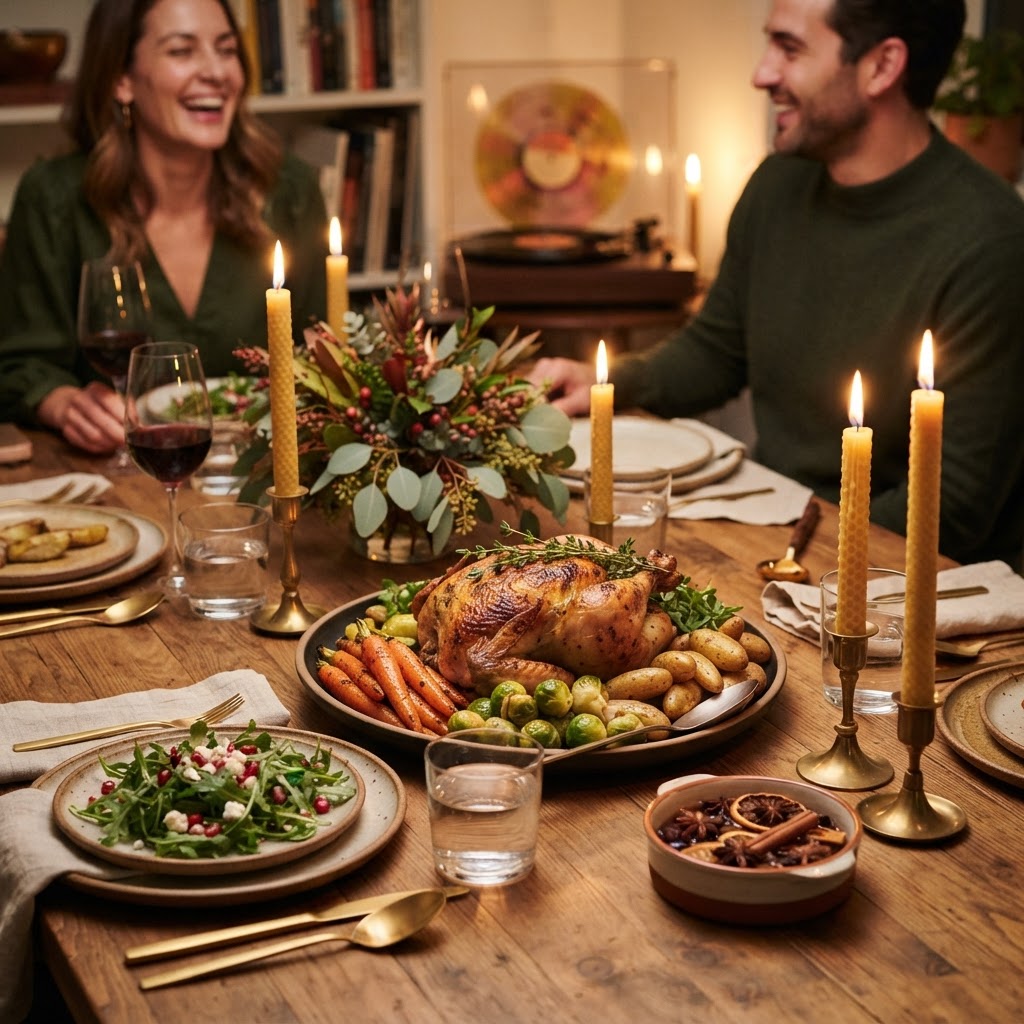
The Host’s Guide to Sensory Dining: How to Use Lighting, Music, and Aromatics to Elevate Your Home Dinner Party
The true art of hosting a dinner party extends far beyond the composition of a plate or the precision of a sauce. When you invite guests into your home, you are not merely serving a meal; you are orchestrating an immersive experience that engages every sense simultaneously. Many home cooks fall into the trap of obsessing over the culinary technicality of their roast or the perfect temper of their chocolate, forgetting that the environment acts as the silent sous-chef of the evening. By curating the atmosphere with intentionality, you transform a standard dinner into a multisensory narrative that lingers in the memories of your guests long after the final course has been cleared.
The goal of sensory dining is to foster a state of mindful consumption, where the surroundings amplify the nuances of the flavors you have worked so hard to cultivate. Think of your dining room not as a static space, but as a theater where your menu is the lead actor supported by the lighting, sound, and scent profiles of the room. When these elements are in harmony, they create a psychological bridge between the host and the guest, stripping away the formalities of social anxiety and replacing them with a shared, heightened perception of pleasure. Achieving this balance requires a disciplined approach to staging, one that values subtle enhancement over overwhelming spectacle.
As you embark on your journey as the curator of your home environment, keep in mind that consistency is your most valuable tool. Every choice you make—from the frequency of your playlist to the specific color temperature of your light bulbs—should serve the overarching theme of your menu. A rustic, wine-heavy evening calls for different sensory input than a crisp, light summer luncheon, and your home must adapt accordingly. In the sections that follow, we will dissect the scientific and aesthetic principles of sensory design, providing you with the framework to host with the confidence and sophistication of a seasoned executive chef.
The Architecture of Illumination
Lighting is perhaps the most powerful tool in your host’s arsenal, yet it is the one most frequently overlooked. Bright, overhead lighting—often referred to in the industry as "interrogation light"—inhibits the relaxation response required for a long, social dinner. To elevate your space, you must focus on layered lighting, utilizing multiple sources of dim, warm illumination to create pockets of intimacy and depth. Aim for a color temperature between 2200K and 2700K, which mimics the soft glow of sunset and promotes a more hospitable, forgiving environment for your guests.
Techniques for Layered Lighting
When designing your lighting plan, avoid relying on a single central fixture. Instead, incorporate small lamps on sideboards or console tables to draw the eye away from the ceiling and toward the human level of the room. If you are using candles, follow the three-point rule: place candles at varying heights to ensure that light is distributed evenly across the table without creating harsh shadows on your guests' faces. Using unscented candles on the dining table itself is a professional mandate to ensure you do not compete with the delicate aromatics of the meal you have spent hours preparing.
The Role of Dimmers and Shadows
Installing a simple dimmer switch is the single highest-return investment a host can make for their home. By gradually lowering the lights as the evening progresses, you create a natural, biological cue for your guests that it is time to shift from energetic conversation to deep, lingering dialogue. Do not fear the shadows; they provide the mystery that makes a dinner party feel like an exclusive event. A well-lit table should feel like a sanctuary, where the food is the brightest focal point in the room, naturally drawing the focus of everyone present.
"Lighting is the silent conductor of the dinner party symphony; it does not dictate the tempo, but it ensures that the audience feels the emotion of the music."
The Soundscape of Sophistication
A dinner party without music is a space filled with awkward silences and the distracting clatter of silverware. Your curated playlist should act as a sonic backdrop, never demanding full attention but always providing a rhythmic pulse to the evening. For a formal dinner, lean toward instrumental jazz, downtempo electronic, or acoustic strings, keeping the volume at a level where guests can hear one another clearly without needing to raise their voices. This is a concept known as ambient acoustic comfort, and it is essential for sustaining long-form conversation.
Sequencing the Sonic Experience
Structure your music to mirror the natural progression of the dinner. During the arrival and cocktail hour, opt for higher-tempo, upbeat tracks to energize the room and encourage mingling. As you transition to the table for the first course, shift the playlist to more melodic, mid-tempo pieces that signal a transition to seated focus. By the time you reach the dessert course, the music should be at its most subtle and atmospheric level, providing a warm, unobtrusive cushion of sound that allows the conversation to become more intimate and relaxed.
Managing the Volume Floor
A common mistake is letting the volume swell during the middle of the meal. Use a sound-level meter app on your phone to calibrate your speakers before the first guest arrives; aim for approximately 50 to 55 decibels in the dining area. This range is loud enough to fill the void, but quiet enough to allow the subtle nuances of human speech to carry across the table. Remember, music is a texture, not a centerpiece; if your guests have to pause their stories to listen to the song, the volume is too high.
Aromatics and the Olfactory Bridge
Scent is the most primitive of the human senses, tied directly to the limbic system, which governs memory and emotion. While your cooking will naturally fill the room with appetizing notes, you can use ambient aromatics to prime the senses for the dining experience. Avoid heavy, synthetic room sprays or overpowering floral bouquets, which can clash with the complex profile of a well-crafted wine or a delicate sauce. Instead, look for subtle, natural scents like fresh rosemary, citrus zest, or even the faint, woody aroma of cedar, which can ground the sensory experience.
The Science of Olfactory Priming
Professional chefs know that the nose tastes before the tongue. By introducing a "welcome scent" in the entryway—perhaps a bowl of warm oranges spiked with cloves—you immediately signal to guests that they have entered a space of care and preparation. Keep the dining room air crisp and neutral until the food arrives. The arrival of the meal should be a sensory "event" where the aroma of the Maillard reaction from a perfectly seared protein or the brightness of fresh herbs acts as the grand reveal.
Managing Competing Odors
Be mindful of the "sensory fatigue" that can occur if a room becomes too fragrant. If you have been cooking with heavy aromatics like garlic or onions for hours, ensure your kitchen is well-ventilated before guests arrive. A kitchen that smells like "work" is less inviting than a dining room that smells like "welcome." Use a high-quality air purifier or simply open a window ten minutes before service to clear the air, allowing the specific scents of your final courses to make a clean, impactful entrance when they hit the table.
"A well-chosen aroma is an invitation to the soul; it tells your guests that they are in a home where the unseen details are as curated as the visible ones."
The Tactile Interface of Service
We often forget that dining is a physical interaction. The weight of the silverware, the texture of the linen napkins, and even the temperature of the plates are all sensory inputs that dictate how a guest perceives the quality of the meal. A warm plate is the mark of a thoughtful host; it keeps the food at the optimal serving temperature and prevents the sauce from setting too quickly. Aim to warm your dinner plates in a low oven at 150°F (65°C) for approximately ten minutes before plating, ensuring you have the protective equipment ready to handle them safely.
Texture and Materiality
Incorporate a variety of textures into your table setting. Contrast the cold, smooth finish of ceramic or glass with the warmth of wooden serving boards or the softness of linen. This tactile diversity keeps the eyes and hands engaged. Consider the weight of your flatware; heavier pieces convey a sense of permanence and quality, while lighter, brushed-metal finishes can lend a modern, airy aesthetic to your table. These are not merely decorative choices; they are functional components of the dining experience that communicate the level of effort you have invested.
The Ergonomics of Hosting
Always consider the flow of the table. A crowded table is a stressful table. Ensure there is at least 24 inches of linear space per guest so that elbows do not clash during the meal. Furthermore, keep the center of the table clear of tall obstructions. If you are using floral arrangements, ensure they are low-profile so that guests can maintain eye contact without having to peer around stems. This focus on ergonomics ensures that the physical experience of dining is as comfortable as the culinary one.
Orchestrating the Culinary Workflow
The success of your sensory dinner party hinges on your ability to execute your menu without disappearing into the kitchen for the entire evening. This requires mise en place—the professional French technique of "everything in its place." By prepping every ingredient, measuring every spice, and organizing your cookware before the first guest arrives, you ensure that you remain present at the table rather than frantic behind the stove. A calm host is the ultimate sensory hack, as your composure will naturally settle the energy of the room.
Timing and Execution
Work backward from your serving time to establish a rigorous timeline. If you are serving a slow-roasted protein, calculate the internal temperature—for instance, pulling a beef tenderloin at 125°F (52°C) for a perfect medium-rare—and factor in the resting time, which should be at least 15 to 20 minutes for larger cuts. During this resting phase, you are free to finish your sauces, plate your sides, and engage with your guests. This structure prevents the "last-minute scramble" that ruins the atmosphere you have worked so hard to build.
The Art of the Reveal
Never bring food to the table that isn't fully ready. If you find yourself finishing a garnish or wiping a plate rim at the table, you have broken the spell. Everything should be clean, composed, and ready for service. When you present the meal, briefly explain the inspiration behind the dish or the provenance of the ingredients. This culinary narrative provides a focal point for the senses, allowing guests to appreciate the story behind the flavors they are about to experience. It transforms the act of eating into an act of discovery.
Managing the Flow of Conversation
Even the most perfect meal can be overshadowed by poor conversational dynamics. As the host, you are the facilitator of the dialogue, tasked with ensuring that everyone feels included and valued. Sensory dining isn't just about the food and the atmosphere; it is about the social frequency. If the conversation becomes stalled, introduce a topic that relates to the meal itself. Ask about a favorite food memory or a travel experience related to the ingredients being served. This bridges the gap between the sensory experience of the palate and the emotional experience of the memory.
The Pacing of Courses
Do not rush the service. Allow at least 30 to 40 minutes between major courses to give the conversation room to breathe. Use this time to replenish water or wine and check the lighting and music levels. These small, unobtrusive adjustments ensure that the sensory environment remains consistent throughout the night. If you notice guests leaning back and the conversation slowing, it is a perfect time to transition to the dessert or digestif service, which acts as a "reset" for the energy of the room.
Handling Distractions
In the modern era, the biggest threat to a dinner party is the smartphone. While you cannot explicitly ban phones, you can minimize their intrusion by creating a space so engaging that guests feel no desire to reach for their pockets. By providing a rich, multisensory environment, you naturally demand the presence of your guests. If a guest does pull out a phone, do not make a scene; simply ask a direct question that requires their full attention, gently pulling them back into the orbit of the conversation.
"A great dinner party is a living, breathing creature; feed it with laughter, water it with conversation, and let the atmosphere be the soil in which the evening grows."
The Final Flourish: Dessert and Beyond
The closing of the meal is as important as the opening. This is the moment where the experience shifts from excitement to contentment. Serve your dessert in a space that feels slightly different—perhaps move to a coffee station or bring out a light digestif. The change in scenery, even if it is just a move to the living room, provides a signal that the meal is transitioning into the final act. Keep your dessert aromatics warm and inviting—think vanilla, cinnamon, or cocoa—to round out the evening on a note of comfort.
The Digestif Strategy
A well-timed digestif can act as a catalyst for the final round of conversation. Offer a light, herbal amaro or a crisp late-harvest wine that complements the sweetness of your final course. This is not about continuing to consume, but about extending the pleasure of the evening. The transition to the digestif serves as the "cooldown" for the sensory experience, allowing guests to wind down in a space that feels secure, satisfied, and thoroughly hosted.
The Exit Ritual
As the evening draws to a close, keep the lights dimmed and the music low. The final impression you leave on your guests is the one they will carry home. A thoughtful host ensures that guests have a safe way to travel and perhaps sends them off with a small, edible favor—a piece of house-made chocolate or a small bundle of herbs from the table arrangement. This final gesture confirms the theme of the evening: that the care you put into the sensory details of your home is a reflection of the value you place on your guests.
Final Thoughts
Hosting is a craft that rewards patience, observation, and a willingness to iterate. Do not be discouraged if your first attempt at a multisensory dinner party isn't perfect. Even the most accomplished chefs learn through the process of trial and error. The key is to remain focused on the emotional outcome of your effort: are your guests relaxed? Are they engaged? Are they truly enjoying the meal, or are they distracted by the environment? By prioritizing the synthesis of lighting, sound, and scent, you provide the perfect canvas for your culinary work.
Remember that the most successful dinner parties are those where the host appears entirely at ease. This confidence comes from the preparation you do behind the scenes—the technical mastery of your recipes, the meticulous planning of your environment, and the calm demeanor you maintain during service. When you combine professional technique with a warm, welcoming environment, you create an experience that transcends the ordinary. Your home becomes a place of connection, and your menu becomes a shared language that everyone at the table understands.
As you refine your approach to the "Blame The Chef" philosophy, continue to look for ways to integrate your own personality into the sensory design. Whether it is a signature playlist, a specific lighting scheme that you love, or a seasonal aromatic that signals the beginning of autumn, your personal touch is what elevates a standard party into a signature event. Use the guidelines provided here as a foundation, but never be afraid to innovate. The goal is to create a space that feels authentic to you, one that invites your guests to set aside the noise of the world and find true, sensory-rich satisfaction at your table.
The journey of the home chef is one of constant evolution. Keep tasting, keep listening, and keep observing how your guests react to the subtle changes you make in their environment. When you treat the dinner party as a whole-system experience rather than just a series of courses, you unlock a deeper level of hospitality. You are not just feeding bodies; you are feeding the conversation, the mood, and the memories of your guests. Go forth with these principles, host with intention, and always remember that the best dinner parties are the ones where the effort is invisible, but the impact is profound. You have all the tools necessary to turn your next gathering into a masterpiece of sensory design. Embrace the process, trust your instincts, and enjoy the beautiful, chaotic, and deeply rewarding work of a truly exceptional host.


Get the Next Recipe
Weekly recipes, techniques, and gear picks — straight to your inbox.
