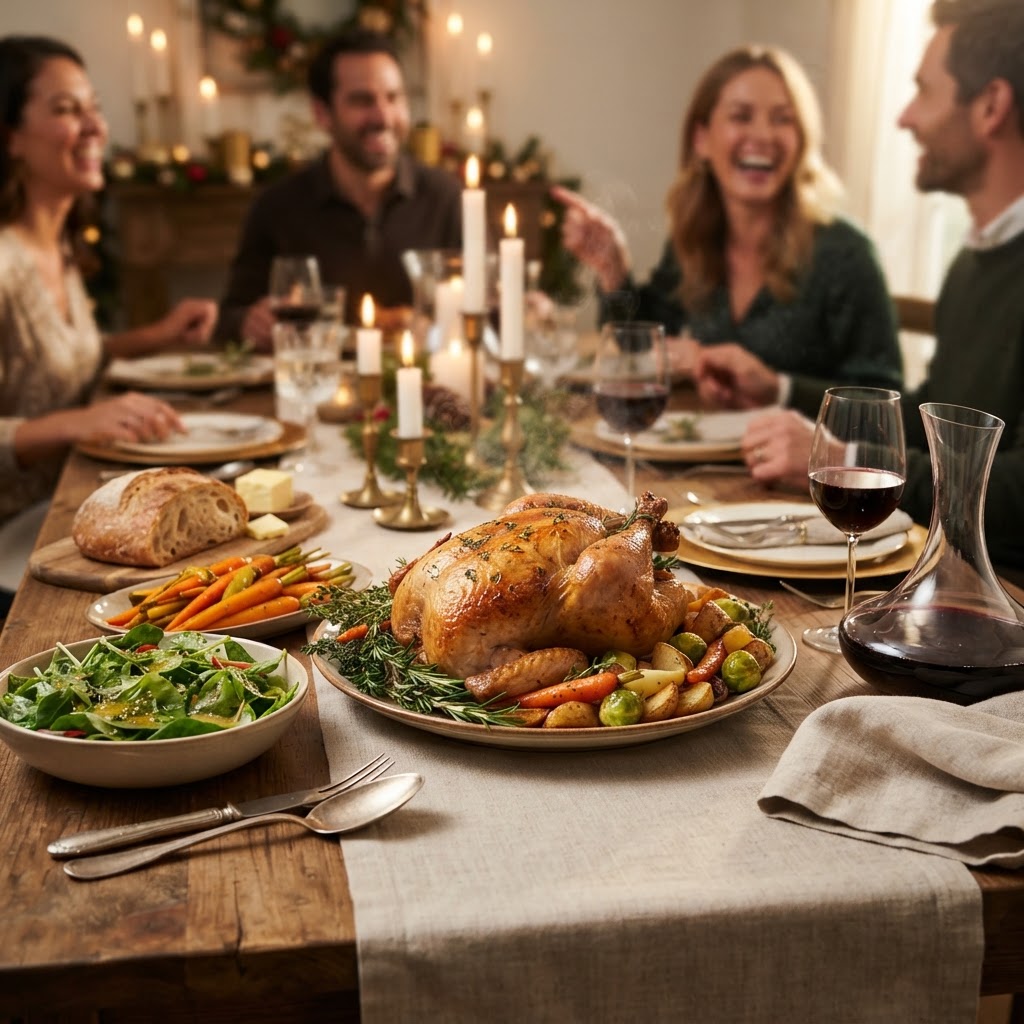
The Host’s Timeline: A Stress-Free Countdown to a Flawless Dinner Party
There is a persistent myth in the culinary world that hosting a dinner party requires the host to spend the entire evening tethered to the stove, sweating over pans while guests mingle in the living room without them. As someone who has spent years navigating high-pressure kitchen environments, I am here to tell you that this frantic energy is entirely optional and, quite frankly, avoidable. The secret to a successful evening isn't just the quality of your ingredients or the complexity of your menu; it is the meticulous orchestration of your preparation. When you approach a dinner party like a professional service, you transform from a stressed home cook into an elegant conductor of a well-rehearsed symphony.
The foundation of a stress-free event lies in the art of the countdown. By breaking down tasks into logical, manageable intervals, you create a buffer for the inevitable mishaps that occur when you are entertaining. Whether it is a last-minute spill or a guest arriving earlier than anticipated, a well-planned timeline serves as your safety net, allowing you to pivot without losing your composure. Hosting should be a pleasure, not a penance, and when you are organized, you are free to actually enjoy the wine you have chosen to serve.
Throughout this guide, we will explore the professional strategies—often referred to as mise-en-place—that ensure every element of your meal comes together with precision. We will discuss menu selection, grocery logistics, equipment staging, and the critical pacing of your cooking. By the end of this post, you will understand that the most impressive meals are often those that require the least amount of "active" cooking once the front door opens. Let us peel back the curtain on how to host a flawless dinner party, ensuring that if something goes wrong, you can simply blame the chef—or better yet, prevent the need to blame anyone at all.
Phase One: Strategic Menu Selection and Timing
The most common mistake amateur hosts make is choosing a menu that requires three different high-heat techniques at the exact moment guests are arriving. To host like a pro, you must prioritize menu synergy. Your menu should be a mix of dishes that can be prepared well in advance and those that require only a quick, final flourish. Aim for a balance of textures and temperatures, ensuring that your oven, stovetop, and refrigerator space are utilized efficiently rather than competing for dominance.
Designing the "Prep-Forward" Menu
When selecting your dishes, analyze each component to see if it can be prepared 24 or 48 hours in advance. Braises, stews, and roasted root vegetables often taste superior after a day in the refrigerator because the flavors have had time to meld. If you are serving a steak or a delicate fish, reserve those for the last 15 minutes of cooking. Your goal is to have 80 percent of the labor completed before the first doorbell rings.
"A menu is a puzzle. If all the pieces require heat at the same time, the puzzle becomes impossible to solve. Always build a menu with at least two cold components that can sit comfortably on a platter."
Managing Oven Real Estate
Before you finalize your menu, assess your equipment. If you have one oven, you cannot roast a chicken, bake a gratin, and finish a cake simultaneously. Consider using a slow-cooker or sous-vide for your protein, or utilize your stovetop for side dishes. Mapping out where every dish will be heated is a professional move that saves countless hours of frustration on the day of the party.
Phase Two: The Grocery Logistics and Mise-en-Place
There is nothing more chaotic than realizing you are out of kosher salt or that your fresh herbs have wilted five minutes before you need to start prepping. A professional kitchen runs on checklists and inventory management. Your shopping trip should occur at least two days before the event, allowing you the buffer to visit a secondary market if a key ingredient is unavailable at your primary shop.
The Professional Grocery Routine
The Pantry Sweep*: Check your staples (oils, vinegars, spices, seasonings) a week in advance.
The Two-Day Shop*: Buy your produce, proteins, and dairy two days before to ensure freshness.
The Herb Check*: Treat fresh herbs like flowers—trim the stems and place them in a glass of water in the fridge.
Dry Goods/Beverages*: These can be sourced a week ahead, ensuring you have enough ice and glassware for the evening.
Mise-en-Place Mastery
The term mise-en-place literally means "everything in its place." Before you begin any cooking, chop your onions, mince your garlic, measure your spices into small ramekins, and assemble your tools. If a recipe calls for high-heat searing, have your oil, tongs, and salt within arm’s reach before the pan hits the burner. This eliminates the frantic search for ingredients during the cooking process.
Phase Three: The 48-Hour Countdown Schedule
Preparation is a marathon, not a sprint. By starting your preparations 48 hours out, you reduce the physical labor required on the day of the party by nearly half. This schedule allows for the slow development of flavors in sauces and marinades, which adds depth to your dishes that simply cannot be achieved in a two-hour window.
48 Hours Before: Prep and Marinate
Focus on the long-lead tasks. This is the time to make stocks, prepare cold dressings, marinate your proteins, and wash and store your greens. If you are baking dessert, make the dough or the base now. By doing this work early, you ensure your workspace stays clean and your kitchen remains a place of calm.
24 Hours Before: Braising and Blanching
If your menu includes a braised protein, cook it today. Braising involves searing meat and simmering it in liquid, and it is a technique that benefits immensely from sitting overnight. You can also blanch your vegetables—quickly boiling them in salted water then cooling them in an ice bath—to lock in their vibrant color. On the day of the party, you only need to sauté them for three minutes to serve.
"If you are cooking a braise, do not serve it the day you make it. The gelatin in the meat needs time to settle and the sauce will thicken into a glossy, beautiful glaze overnight. Your guests will thank you for your patience."
Phase Four: The Morning-Of Workflow
The morning of your party is for light touches and final touches. Avoid attempting any major recipe testing or complex preparation on the actual day of the event. If you have followed the previous sections, your kitchen should be clean, your pantry stocked, and your major components either pre-cooked or prepped.
Final Touches and Table Setting
Spend the morning setting the table. Use the time to fold napkins, polish glassware, and arrange your floral centerpieces. When your table is set early, it creates a sense of arrival. A properly set table acts as a visual guide for guests and removes a major hurdle from your list of things to do before the appetizers are served.
Temperature Management
Ensure your refrigerator is organized. Clear out old containers to make room for platters and wine. If you have chilled desserts, make sure they have enough time to set properly. If you are serving a salad, wait to dress it until the very last second; a soggy salad is the hallmark of an inexperienced host.
Phase Five: The "Golden Hour" of Entertaining
The "Golden Hour" is the final 60 minutes before your guests arrive. This is when your heart rate should be slowing down, not speeding up. If you find yourself chopping vegetables at this stage, you have missed a step in the earlier phases. Use this hour to light candles, put on music, and pour yourself a glass of whatever you are serving.
The Greeting Strategy
When the doorbell rings, you should be fully dressed and ready to entertain. Have a "go-to" drink ready for guests as they walk through the door. This keeps them occupied while you put the final touches on your appetizer. Keep your kitchen accessible, but keep your primary prep area clean. Guests love to hover in the kitchen, so keep your workspace compact and efficient.
Final Cooking Tasks
Since you have already done the heavy lifting, your final cooking tasks should be simple. Searing a protein or reheating a soup should be the extent of your work. Use a meat thermometer to ensure your proteins reach the ideal temperature—125°F for medium-rare beef, or 165°F for poultry. Consistency is the hallmark of a professional chef, and you achieve consistency through the use of tools, not guesswork.
Phase Six: Service and Pacing
The service is where the host transition is complete. Do not serve courses one after another in a rush. A dinner party should breathe. Allow at least 20 to 30 minutes between courses so that the conversation can flow and your guests can actually enjoy the flavors of the dish.
Controlling the Flow
Appetizer*: Keep it light and finger-friendly. Something that requires a fork and knife can be awkward while people are still standing and socializing.
The Main Course*: This should be the star. If you’ve followed the timeline, the main should be ready to pull from the oven or finish on the burner with minimal effort.
Dessert*: If you are exhausted, there is no shame in a simple fruit tart or a high-quality store-bought chocolate served with berries.
Troubleshooting the Unexpected
If a dish is taking too long to cook, do not panic. This is the time to pivot. Serve an extra round of appetizers or open another bottle of wine. Your guests are there for your company, not to critique the timing of your service. If you are relaxed, they will be relaxed.
Phase Seven: The Clean-Up and Conclusion
A professional kitchen environment emphasizes "cleaning as you go." Even at home, try to minimize the pile-up of pots and pans. By the time you reach the main course, your sink should be relatively clear, save for the final plates.
The Post-Dinner Reset
Never attempt a deep clean of your kitchen after a party. It is a recipe for resentment. Load the dishwasher, stack your plates, and wipe down your counters, then call it a night. The deep scrubbing can wait until the morning when you have had a chance to reflect on the evening's successes.
Celebrating Success
Take pride in your achievement. You have successfully navigated the complexities of hosting, from the menu selection to the final course. You have provided an experience, not just a meal. Remember that the goal is to be a participant in your own life, not just the one providing the service.
Final Thoughts
Hosting is an act of generosity, but it is also an act of self-care when managed correctly. By embracing the professional culinary workflow, you strip away the stress and leave behind the joy of sharing food with those you care about. When you prepare with intention, you are not just cooking; you are curating an atmosphere where memories are made.
The next time you decide to host, remember: it isn't about perfection; it is about the preparation that allows you to be present. You have the tools, the techniques, and the timing down to a science now. If the soufflé falls, blame the oven. If the guests stay late, enjoy the conversation. The most important ingredient in any dinner party is a host who is actually enjoying the night.
So, go forth and set your table with confidence. Follow these steps, respect the prep, and keep your cool when the stove heats up. You have moved beyond the basic home cook and into the realm of the seasoned host. The kitchen is your domain, and with a well-planned timeline, you will always be the master of your own service.
(Addendum on Equipment and Pantry Standards)
To maintain this level of performance, ensure your knives are sharpened regularly. A dull knife is a safety hazard and a massive time-waster. Your spice cabinet should be audited every six months, as old spices lose their potency and can ruin a dish. Keep your pans in good condition—season your cast iron, ensure your non-stick pans aren't scratched, and always keep a supply of clean, lint-free towels. These small details aggregate into a level of professional efficiency that will make every dinner party you host feel effortless.
(Deep dive into Temperature Management)
Temperature control is the difference between a dry piece of meat and a succulent, restaurant-quality masterpiece. Investing in a high-quality digital instant-read thermometer is the single best upgrade you can make to your kitchen. Learn the "carry-over cooking" effect—meat will continue to rise in temperature by 5 to 10 degrees after you pull it off the heat. If you want a medium-rare steak at 135°F, pull it from the heat at 125°F. This specific knowledge is what separates the average cook from the host who consistently produces "flawless" meals.
(The Psychology of Hosting)
Lastly, remember the psychology of the evening. Your energy dictates the tone of the party. If you are frantic, your guests will subconsciously feel the pressure to leave or help. If you are calm, they will feel invited to linger and relax. By managing your timeline, you are effectively managing the mood of the room. A host who is relaxed at the table is a gift to their guests.
(Maintaining Consistency)
Consistency is a function of repetition. Even if you start with one dinner party every few months, use the same checklist every time. Keep a small notebook in your kitchen where you record how the timing felt, what dish was a crowd-pleaser, and what took too much effort. Over time, you will develop a "greatest hits" list of recipes that you can execute with your eyes closed. This is the path to culinary mastery, and it starts with your first stress-free dinner party.
(Final Checklist for Your Next Event)
By adhering to these principles, you will find that the chaos of the kitchen is a thing of the past. Hosting becomes a series of small, manageable tasks rather than a singular, overwhelming event. You have the tools, you have the knowledge, and now you have the plan. The next time you find yourself standing in a quiet kitchen, finished with your prep, glass of wine in hand, you will understand exactly why the host's timeline is the most valuable tool in the kitchen.
We often forget that dinner parties are social experiments. We bring together different groups, different tastes, and different energies. Your role is to provide the stability and the nourishment that binds those elements together. A perfectly roasted chicken, a well-seasoned salad, and a host who isn't stressed? That is a formula that never fails.
Keep experimenting with new flavors and techniques, but always anchor them in the same disciplined prep strategy. If you keep the foundation strong, the creativity you bring to your menu can flourish without the looming threat of a ruined evening. Blame the chef if you must, but after following this timeline, you will find that there is very little left to blame.
The art of the dinner party is an evolving skill. Every time you host, you will learn something new about your kitchen, your guests, and your own capacity for grace under pressure. Enjoy the journey, savor the food, and cherish the connections you build around your table. After all, the best stories are almost always told over a meal that was planned with care and executed with precision.
As you move forward in your culinary journey, remember to keep it simple. Complexity does not always equal quality. Sometimes, the best meal is the simplest, cooked perfectly and served in the company of good friends. Let your timeline serve you, not the other way around. Enjoy the process of creating a space where people feel welcomed, fed, and, most importantly, relaxed.
The final element of a successful party is the exit. Don't worry about being the perfect host until the very last guest leaves. Once the conversation dies down and you've shared a final laugh, let your guests go home. Your work is done, your timeline was followed, and you have provided an evening that will be remembered long after the dishes are put away.
Thank you for choosing this path to stress-free hosting. We hope this guide serves as your roadmap for many successful gatherings to come. Whether it is a small Tuesday night dinner or a large weekend affair, these principles remain the same. Stay calm, stay organized, and most importantly, stay in the moment. You have earned your seat at the head of the table.
Now, take this knowledge, apply it to your next gathering, and watch how the entire dynamic of your home shifts. You are no longer just making food; you are building a culture of hospitality that is rooted in confidence and expertise. The "Blame The Chef" philosophy is all about empowerment, and there is no greater empowerment than knowing you can host a flawless dinner party without breaking a sweat.
We look forward to hearing about your successes. Keep testing your timings, keep refining your menus, and keep the kitchen fires burning. You have everything you need to be the host you've always wanted to be. The countdown starts with your next grocery trip. Go make it a night to remember.
Remember, the goal isn't to be a professional caterer; it's to be a professional host. There is a distinct difference. A caterer provides a service; a host provides a soul for the evening. When you combine the efficiency of a caterer with the warmth of a host, you achieve the perfect balance. That is the essence of a flawless dinner party.
Final note: If you ever feel the stress rising, step outside, take a deep breath, and remember the timeline. Everything is calculated, everything is prepared, and everything is under control. You are the conductor, and the music is playing exactly as you intended. Enjoy the performance.
Your kitchen is your stage. The oven, the stove, the prep table—they are all your instruments. With a steady hand and a clear plan, you will produce a masterpiece every time. And if, on the rare occasion, the soufflé happens to sink? Well, that's just a reminder that you're human, and that a truly great meal is one that includes laughter even when things go slightly off-script. Keep the wine pouring, keep the music playing, and keep hosting. It is the best way to live.
The beauty of a dinner party lies in its impermanence. It is a fleeting moment in time, created for the sole purpose of connection and joy. By mastering the logistics, you ensure that this moment is as perfect as possible. You have all the tools you need. Now, it is up to you to put them into practice and create your own perfect evening.
Stay hungry, stay curious, and always keep your prep game strong. The table is set, the ingredients are ready, and your guests are on their way. You are ready to shine. Happy hosting!


Get the Next Recipe
Weekly recipes, techniques, and gear picks — straight to your inbox.
