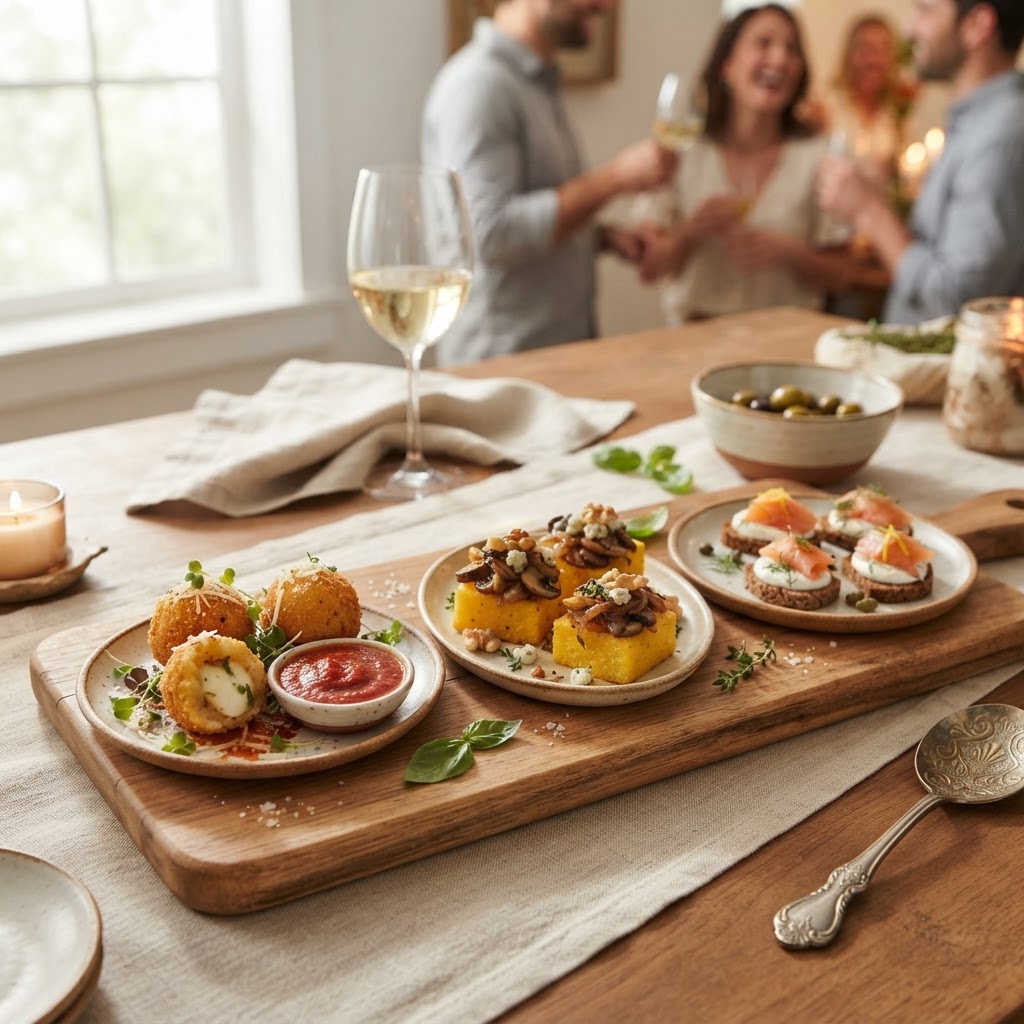
The Low-Waste Host: Creative Ways to Upcycle Leftovers into Gourmet Appetizers for Your Next Party
There is a lingering myth in the world of home entertaining that true hospitality requires a pristine, from-scratch feast where every element is born from fresh ingredients pulled directly from the market. We often find ourselves buried under mountains of discarded scraps, half-used bunches of herbs, and perfectly good proteins that get relegated to the back of the refrigerator, eventually meeting a sad end in the compost bin. As chefs, we are trained to view every ingredient as an asset, a building block that holds potential well beyond its initial intended use. By shifting our perspective, we can transform these humble leftovers into sophisticated, gourmet appetizers that leave our guests guessing the origin of the ingredients.
The art of the low-waste kitchen is not just about environmental responsibility; it is about cultivating a creative mindset that thrives on constraints. When you approach your refrigerator with the intention of upcycling, you stop seeing a collection of disparate leftovers and start seeing flavor profiles waiting to be recombined. Whether it is a bit of roasted chicken, a heel of artisanal bread, or the stems from a bunch of kale, there is always a way to elevate these items through precision seasoning, textural contrast, and careful plating. This philosophy allows the host to spend less time panic-shopping and more time focusing on the nuances of flavor development.
Becoming a conscious entertainer means moving away from the rigid structure of traditional recipes and embracing the fluid nature of improvisation. Professional kitchens operate on the principle of "mise en place," but they also rely heavily on "family meal" culture, where the goal is to make something delicious out of whatever is available. In your own home, you can adopt this same spirit by keeping a stocked pantry and treating your leftovers as your primary culinary resource. When you master the techniques of curing, frying, pureeing, and pickling, you gain the tools necessary to turn any scrap into a centerpiece-worthy bite that honors your budget and the planet.
The Foundation of Flavor: Mastering the Art of Stock and Puree
At the heart of every great chef’s repertoire is the ability to extract maximum flavor from what others might consider waste. Vegetables that have lost their crunch, stems from hearty greens, and the bones of a roasted bird are not trash—they are the literal building blocks of depth. By keeping a stocks bag in your freezer, you can accumulate the mirepoix of life—onion skins, carrot peels, and herb stalks—to create rich, golden liquids that serve as the base for delicate soups or savory reductions.
Extracting Essence from Scraps
When your freezer bag is full, simmer these scraps with a bouquet garni of fresh bay leaves, peppercorns, and garlic cloves for at least 45 minutes. The key is a gentle simmer rather than a rolling boil, as this prevents the stock from becoming cloudy or bitter. Once strained, this liquid can be reduced by half to create a demi-glace or a concentrated infusion used to glaze roasted vegetables. Using this liquid as a binder for appetizers ensures that every bite has a savory depth that processed store-bought stocks simply cannot match.
Pureeing for Texture
Vegetables that have seen better days, like wilted spinach or slightly soft bell peppers, are perfect candidates for silk-smooth purees. By blanching these items briefly, shocking them in ice water, and then blending them with high-quality olive oil and toasted nuts, you create a vibrant pistou or spread. These purees can be piped onto crackers, spread under seared scallops, or used as a dip for crudités. The secret is to incorporate an acid, such as lemon juice or sherry vinegar, to brighten the profile and mask any signs of aging in the original produce.
"True culinary innovation is found not in the acquisition of rare ingredients, but in the intelligent manipulation of those already within our reach; waste is merely a lack of imagination."
The Bread Renaissance: Upcycling Stale Loaves into Gourmet Bites
Stale bread is the most common casualty of the kitchen, yet it is arguably the most versatile ingredient in the culinary arsenal. Rather than tossing a rock-hard baguette, consider its potential as the structural foundation for your appetizers. Crostini, panzanella-style bites, and savory bread puddings are all excellent ways to honor the effort that went into the bread's original creation.
The Perfect Crostini Technique
To revive a stale baguette, thinly slice it at a 45-degree angle to maximize the surface area. Brush each slice lightly with garlic-infused extra virgin olive oil and toast in an oven preheated to 375 degrees Fahrenheit for exactly 8 to 10 minutes, or until the edges are golden brown. The goal is a shatter-crisp texture that provides a sturdy vessel for toppings like whipped ricotta, tapenade, or leftover roasted vegetables. If the bread is exceptionally stale, a light spritz of water before toasting can help rehydrate the crumb just enough to avoid a tooth-shattering crunch.
Savory Bread Puddings as Bite-Sized Gems
Alternatively, cube the bread and soak it in a custard made of eggs, heavy cream, parmesan, and fresh herbs. Pour this mixture into a mini-muffin tin and bake at 350 degrees Fahrenheit for 15 minutes. These "savory muffins" serve as excellent, warm appetizers that are easy to pick up and eat with one hand. They are the perfect way to use up bits of cheese, cooked sausage, or caramelized onions that are left over from previous meals.
Protein Transformation: Giving Leftovers a New Life
Leftover proteins, whether they are grilled chicken, braised beef, or poached salmon, are often overlooked because they lack the sizzle of a fresh sear. The trick to repurposing these is to reintroduce moisture and texture. A cold, dry chicken breast can be transformed into a delicate mousse, while shredded beef can be crisped in a pan to create a savory garnish for tiny potato bites.
The Art of the Mousse and Rillette
For cooked fish or chicken, consider turning the protein into a rillette. Shred the meat finely and fold it into a mixture of softened butter, crème fraîche, and fresh chives. When served atop a crisp cucumber slice or a warm cracker, the richness of the fat masks the dryness of the protein. Keep the temperature of your ingredients room-temperature before blending to ensure a smooth, cohesive consistency that spreads easily.
Crispy Shreds and Fritters
If your leftover protein is fibrous, such as pot roast or pulled pork, try frying it briefly in a cast-iron skillet with a touch of smoked paprika or cumin. This browning process (the Maillard reaction) revives the depth of flavor. You can then fold these crispy bits into a batter made of cornmeal and eggs to create bite-sized fritters. Serve these with a dollop of spicy aioli to provide contrast and lift.
The Garden in Your Scraps: Herb Stems and Vegetable Peels
Many home cooks discard the very parts of the vegetable that carry the most intense flavor. Herb stems—parsley, cilantro, and basil—are packed with aromatic oils that are often more concentrated than the leaves themselves. Similarly, vegetable peels can be turned into crispy garnishes that add a sophisticated, restaurant-quality finish to any dish.
Herb-Infused Oils and Pestos
Collect those tough herb stems and blend them with neutral oil or high-quality grapeseed oil, then strain them through a fine-mesh sieve or cheesecloth. The result is a vibrant, neon-green herb oil that can be drizzled over any appetizer for an immediate visual and olfactory pop. Alternatively, pulse stems with nuts, hard cheese, and garlic to create a rustic pesto that serves as a base for flatbreads.
Crispy Vegetable Chips
Potato, carrot, or parsnip peels should never see the trash. Toss them in a light coating of oil and sea salt, then bake at 400 degrees Fahrenheit until they are dark and crispy. These act as the perfect garnish for appetizers, adding a sophisticated, earthy crunch that signals to your guests that every element on the plate has been thoughtfully curated. It is a simple, low-cost technique that demonstrates a high level of technical awareness.
"When the guest realizes that the delicious garnish on their plate was once a humble carrot peel, the entire perception of the meal shifts from mere consumption to an appreciation of the chef's craft."
Cheese and Dairy: Maximizing the Final Bits
The remnants of a cheese board—the rinds of parmesan, the tiny ends of brie, or the last bits of gorgonzola—are treasures in a chef’s kitchen. Rinds can be simmered in sauces to add a nutty, umami depth, while soft cheese ends can be whipped into dips or incorporated into savory pastries.
Infusing with Rinds
Never throw away your parmesan rinds. Keep them in a container in your freezer and toss them into any simmering pot of soup or sauce. As they cook, the cheese softens, releasing concentrated flavors that act as a natural thickener and flavor enhancer. For a quick appetizer, infuse a bit of heavy cream with a parmesan rind before whipping it into a stable, savory foam for your canapés.
Whipped Dips and Spreads
Those "end of the board" pieces of soft cheese, like brie or goat cheese, can be combined with yogurt or mascarpone and whipped in a food processor until light and airy. Add a touch of honey, cracked black pepper, or citrus zest to balance the saltiness. Serve these in a small, elegant dish surrounded by fresh crudités or toasted baguette slices. The texture is luxurious, and it’s a brilliant way to salvage cheese that has become slightly too dry to serve on its own.
The Final Polish: Plating and Presentation
Even the most humble upcycled ingredient can look like a gourmet masterpiece with the right approach to plating. The goal is to hide the "leftover" nature of the component by presenting it in a way that feels intentional and elegant. Use negative space on your serving platters, incorporate fresh garnishes, and focus on height and color contrast.
Creating Height and Visual Interest
When assembling appetizers, avoid placing everything flat on a plate. Use small wooden boards, slate tiles, or vintage spoons to elevate the ingredients. If you are serving a savory bread pudding, place a small sprig of fresh micro-greens or a single, perfectly placed edible flower on top. The eye eats first, and a clean, sharp presentation will convince your guests that the bite was a planned culinary journey rather than a scrap-clearing exercise.
Temperature Contrast
A successful appetizer often relies on a play of temperatures. If your base is a warm crostini, ensure your topping has a cool, creamy element. If your fritter is hot and crispy, pair it with a cool, vibrant sauce. This sensory contrast keeps the palate engaged and makes the experience of eating more dynamic. By carefully managing the heat of your components, you elevate the humble leftover to something that feels intentional, considered, and genuinely gourmet.
Balance:* Aim for a combination of fat, acid, salt, and crunch in every bite.
Color:* Use vibrant herb oils or bright vegetable purees to offset neutral-toned proteins.
Portion:* Keep appetizers to two bites maximum to encourage mingling and conversation.
Consistency:* Ensure your garnishes are uniform in size to maintain a professional look across the entire tray.
Final Thoughts
The path to being a truly proficient and sustainable host lies in the willingness to look beyond the surface of your ingredients. By embracing the principles of culinary upcycling, you not only reduce your environmental footprint but also sharpen your skills, forcing yourself to become a more creative and resourceful cook. Every scrap, every heel of bread, and every bit of leftover protein carries within it the possibility of a new, delightful creation that can impress your guests and bring a deeper meaning to your table.
Remember that the mark of a great host is not necessarily how much money was spent at the market, but how much care and intention went into the preparation of the food. When you serve an appetizer that was once destined for the bin, you are telling a story of respect for your ingredients and confidence in your own ability to transform the ordinary into the exceptional. Keep your pantry stocked, your freezer organized, and your mind open to the potential hidden within your kitchen.
As you move forward with your next gathering, challenge yourself to create at least one dish entirely from items that were already in your home. Use the techniques we discussed—the purees, the crisping of shreds, the infusion of stocks—and watch how your guests respond to the depth of flavor you have managed to coax from the overlooked. Hospitality is a craft, and by mastering the low-waste kitchen, you become not just a host, but a true steward of your culinary environment. The best meals are often those that surprise us, and there is no greater surprise than realizing the feast before us was born from the wisdom of not letting anything go to waste.
When you master the art of the low-waste host, you create a kitchen culture that values ingenuity over convenience. This isn't just about saving money, though that is a natural benefit; it is about reclaiming the lost art of the thrifty, creative home cook. Your guests will notice the difference, not just in the taste, but in the atmosphere you create—one that is thoughtful, grounded, and deeply satisfying. So, clear out that refrigerator, trust your palate, and start transforming those leftovers into something truly unforgettable. Your kitchen is a laboratory of potential, and your next great party is just a few scraps away from perfection.
Furthermore, consider the longevity of these practices. Once you begin incorporating stock-making, herb-oil crafting, and bread-salvaging into your weekly rhythm, you will find that your grocery bill decreases while the quality of your home-cooked meals significantly improves. This is the hallmark of the professional chef’s mindset, applied to the domestic sphere. It requires patience and a bit of discipline, but the reward is a culinary style that feels authentic and deeply rewarding. Every piece of vegetable you peel or bone you save is a small step toward a more sustainable and sophisticated kitchen.
Finally, do not be afraid of failure. Not every attempt at a new appetizer will result in a Michelin-starred experience, and that is perfectly acceptable. Part of the culinary journey is learning the limitations of your ingredients and adjusting your techniques accordingly. If a puree is too thin, add more cheese; if a crostini is too dry, drizzle it with a bit more of your infused oil. The more you practice, the more intuitive these adjustments will become. Hospitality is meant to be a joyful, evolving process, so enjoy the experimentation as much as you enjoy the finished results.
Ultimately, the goal is to create a space where food is honored, where waste is minimized, and where guests feel the warmth of a home that is truly alive with culinary spirit. By adopting these methods, you are doing more than just feeding people—you are participating in a long tradition of resourceful cooking that values the earth, the farmer, and the time and energy that went into every single ingredient you bring into your home. May your kitchen be a place of endless invention, and may your next party be a celebration of the delicious potential that exists in every corner of your larder.
In the end, it really does come down to the chef. If you believe in the ingredient, your guests will believe in the dish. It is a simple truth that separates the adequate from the exceptional. You have the skills, you have the resources, and now you have the strategy to make it happen. Go forth, open that refrigerator, and start creating your masterpiece. The "Blame The Chef" philosophy is here to remind you that the only thing holding you back from a gourmet experience is your own willingness to see the beauty in the scraps.
Consistency is key, and as you build your repertoire, you will find that these "leftover" appetizers eventually become your "signature" dishes. There is something profoundly impressive about a host who can effortlessly whip up a tray of sophisticated hors d'oeuvres while the rest of the world is busy stressing over complex, high-pressure recipes. You will be the host who remains calm, collected, and ready to enjoy the evening alongside your guests. That is the ultimate goal of the Low-Waste Host: to marry elegance with efficiency in a way that nourishes both the soul and the plate.
As you refine your approach, continue to share your experiences and experiments. The culinary community grows stronger when we share our successes and our lessons learned. Whether it is a perfectly crisped vegetable peel or a reinvented protein mousse, your creations will inspire others to rethink their own relationship with food waste. Keep experimenting, keep tasting, and most importantly, keep cooking with the passion that defines a true home chef. The journey of the low-waste kitchen is an ongoing one, and it is a journey well worth taking.
Thank you for allowing me to share these techniques with you. May your pantry always be a source of inspiration, may your knives always be sharp, and may your gatherings be filled with the laughter and good food that define the best parts of life. Cheers to your next successful, sustainable, and utterly gourmet hosting experience! Remember, when in doubt, just blame the chef—but as you’ve learned today, the chef has it all under control.
The transition from a standard home cook to a culinary strategist is a shift that happens one scrap at a time. It is a rewarding shift that respects the ingredients, your wallet, and your guests. By maintaining this focus, you ensure that every meal you serve has a narrative of quality and intentionality behind it. Never underestimate the impact of a small, well-crafted bite; it can often be more memorable than the most elaborate entrée. Stay creative, stay curious, and continue to find the joy in the resourcefulness that makes cooking such a fulfilling endeavor.
As you look toward your next party, keep these guidelines in mind, but do not feel confined by them. Allow your own tastes, the seasonal availability of your produce, and the specific leftovers you have on hand to dictate the direction of your menu. The best recipes are the ones that are born out of the necessity and creativity of the moment. You have the tools, you have the knowledge, and now you have the green light to innovate. Host with confidence, serve with pride, and always remember: waste is just an opportunity waiting for a chef to claim it.
The philosophy of the low-waste host is not about restriction; it is about freedom—the freedom to create without the constant need for new ingredients, the freedom to trust your instincts, and the freedom to enjoy your hosting duties with the calm assurance of a pro. Your table is your canvas, and every leftover is a color you can use to paint a beautiful, delicious picture. Enjoy every moment of the process, and may your next event be a reflection of all the care you have put into mastering this art. You are now equipped to turn any kitchen into a bastion of sustainable, gourmet excellence. Congratulations on your commitment to the craft.


Get the Next Recipe
Weekly recipes, techniques, and gear picks — straight to your inbox.
