The Luxury of Truffles: Cultivating and Using Gourmet Fungi
Truffles, often revered as the jewels of the culinary world, have enchanted gourmets and chefs alike for centuries. These subterranean fungi, with their unique aroma and exquisite flavor, evoke a sense of luxury and indulgence that few ingredients can match. Found primarily in the roots of certain trees such as oak, hazel, and beech, truffles are particularly elusive, which only heightens their allure. Their cultivation is steeped in tradition and requires specific conditions, including the right soil pH, climate, and tree partnerships, making them one of the most sought-after ingredients globally. With varying types ranging from the highly prized black winter truffle to the fragrant white truffle, each variant brings its own set of characteristics to the plate.
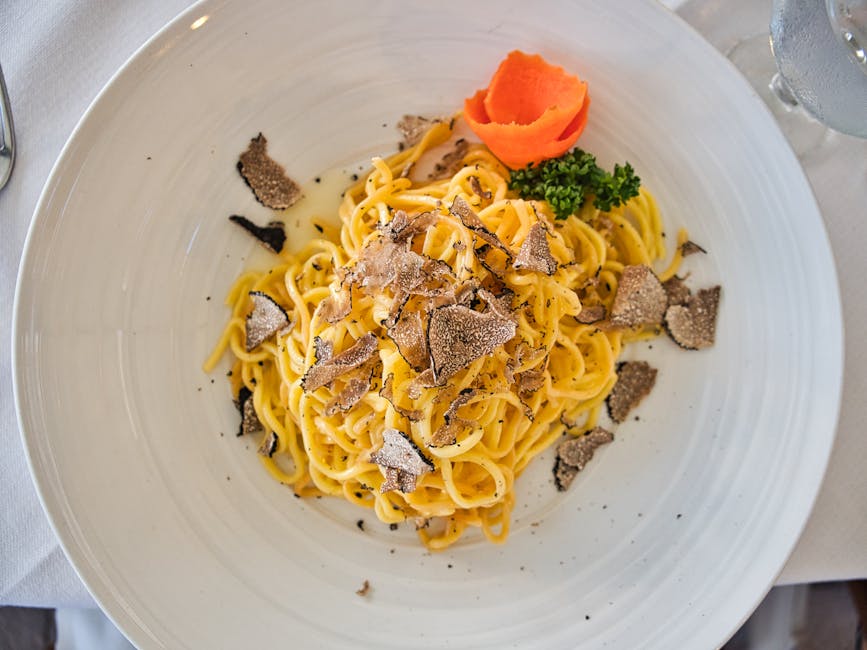
Cooking with truffles demands not only respect for the ingredient itself but also an understanding of how to harness its full potential in a dish. Shaving truffles over pasta and risotto, finishing a creamy sauce, or infusing oils and butters are just a few ways to incorporate their complex flavor profile into everyday cooking. However, it is essential to recognize that truffles are not merely garnishes; they are an integral part of a dish when used correctly. The aroma of fresh truffles interacts beautifully with various ingredients, elevating even the simplest dishes to gourmet status.
Chef’s secrets often lie in the proper preparation and timing when it comes to using truffles. Many home cooks are hesitant to experiment with such a luxurious ingredient, fearing they may not do it justice. However, embracing truffles can open a treasure chest of culinary possibilities. With the right techniques, paired ingredients, and a willingness to experiment, you can bring the decadence of truffles into your home kitchen and dazzle your guests or simply indulge yourself in a bit of luxury.
Understanding Truffles: Types and Characteristics
The Varieties of Truffles
Truffles can be broadly categorized into two major types: black truffles and white truffles, each offering distinct flavors and culinary applications.
Often referred to as the "black diamond," the black truffle comes from regions like France and Italy. These truffles have a robust, earthy flavor with hints of chocolate and a musky aroma. They are best used in warm dishes, where their flavor can meld pleasantly with other ingredients. Commonly paired with pasta, risottos, and meats, they also shine when infused into oils or butters.
With its unmistakable pungent aroma, the white truffle is one of the most prized and expensive mushrooms in the culinary realm. Found predominantly in the Piedmont region of Italy, these truffles have a more delicate, garlicky flavor and are best used raw. Simply shaved over a dish just before serving brings out their full flavor, making them an exquisite finishing touch on simple preparations like risotto, salads, and scrambled eggs.
Additionally, there are other varieties, like the summer truffle (Tuber aestivum) and Burgundy truffle (Tuber uncinatum), each possessing unique flavors and seasonal availabilities. Familiarizing yourself with these varieties will enhance both your culinary confidence and your ability to choose the right truffle for your dish.
The Flavor Profile and Aroma
The flavor of truffles is often described as earthy, nutty, and complex, with undertones varying between the different types. This unique taste is largely attributed to the presence of aromatic compounds, including androstenone, which contributes to the earthy smell, while others stimulate a sensory experience often compared to that of chocolate or ripe cheese. The aroma is especially potent, and it has been suggested that truffle scents can enhance our overall dining experience, stimulating appetite and satisfaction.
When working with truffles in your cooking, it is essential to recognize that their flavor is quite strong. Even small amounts can dramatically change a dish, making it imperative to balance the flavors meticulously.
"A little goes a long way; truffles are not just condiments, they are statements."
Cultivating Truffles: The Art and Science
The process of cultivating truffles is both an art and a science, requiring not only the right conditions but also a considerable amount of patience. The first step in truffle cultivation is the selection of the appropriate host trees. Truffles form a symbiotic relationship with tree roots, improving the tree's absorption of water and nutrients while receiving carbohydrates in return.
Ideal Conditions for Growth
Truffles thrive in alkaline soil with a pH level between 7.5 to 8.5. Therefore, soil testing is essential before planting. Soil condition can be improved by adding lime if it's too acidic, and good drainage is a must, as truffles do not tolerate waterlogged conditions.
Truffles require a temperate climate, with cold winters and warm summers. Regions like southern France and Italy provide just the right climatic conditions for growing truffles. The optimal growing temperature generally ranges between 50°F to 75°F (10°C to 24°C).
While truffles prefer well-drained soil, they need consistent moisture to develop properly. Irrigating young truffle trees during dry spells can help maintain ideal growing conditions.
The Process of Inoculation
Once the trees have established a healthy root system, the next step involves inoculating the seedlings with truffle spores. This process typically occurs in controlled environments. Truffles are usually inoculated onto the roots of oak, hazelnut, or other compatible trees. It can take anywhere from 5 to 10 years after planting before the trees begin to produce truffles, and there is no guarantee of success.
Harvesting Truffles
Harvesting truffles is a significant event and is often conducted in the late autumn and winter months, which is when they mature. Traditionally, specially trained dogs or pigs are used to detect the aroma that the mature truffles emit. Dogs are preferred due to their trainability and lower tendency to eat the truffles.
The process of harvesting involves gently digging around the base of the tree and carefully extracting the truffles. This should be done with care to avoid damaging the delicate fungi and the surrounding ecosystem. Properly harvested, washed, and cleaned truffles can be stored in a cool, dry place until they are ready to be used.
Preparing Fresh Truffles for Cooking
Essential Tools and Techniques
To get started with using fresh truffles, you’ll need a few essential tools to ensure you handle them properly:
A truffle slicer or mandoline allows you to shave truffles thinly, maximizing their flavor exposure without overpowering a dish.
A microplane grater is excellent for finely grating truffles over dishes, releasing their fragrant oils more fully.
Fresh truffles must be stored in an airtight container in the refrigerator with a layer of rice or paper towels to absorb excess moisture.
Cleaning Fresh Truffles
Before using your truffles, they must be cleaned properly to remove any dirt or debris. Here’s how to do it:
Quickly rinse the truffles under cold, running water to remove surface dirt. Avoid soaking them, as excess water can compromise their aroma.
Use a soft-bristled brush or a cloth to scrub the exterior gently, taking care not to damage the skin.
After cleaning, pat dry gently with a dry cloth to remove any leftover moisture.
Ideal Ways to Use Fresh Truffles
The key to incorporating fresh truffles into your dishes is to allow their flavor to shine without overpowering the other elements. Popular and effective methods include:
An excellent way to showcase fresh truffles is by shaving them thinly over dishes like pasta, risotto, or a creamy soup just before serving.
Truffle oil can elevate many dishes. Infuse a neutral oil (like grapeseed or canola) with freshly shaved truffles for a subtle flavor enhancement.
Combine softened unsalted butter with finely grated truffles and a pinch of salt. This truffle butter can elevate vegetables, meats, or be spread on toasted bread.
"Using truffles is all about balance; let their natural flavors guide your culinary journey."
Using Truffles in Cooking
Classic Truffle Dishes
When you want to impress your guests or elevate your meals at home, classic truffle dishes reign supreme. Here are a few recipes to get you started:
#### Truffle Risotto
Ingredients:
Instructions:
In a saucepan, heat the broth over low heat; keep it warm but do not boil.
In a separate large pan, heat the olive oil over medium heat. Add the chopped shallots and sauté until they are translucent and fragrant, about 2-3 minutes.
Stir in the Arborio rice, allowing it to toast slightly for about 2 minutes. The rice should become slightly translucent at the edges.
Pour in the white wine, stirring continuously until it is mostly absorbed.
Add one ladle of warm broth to the rice, stirring frequently until it's absorbed. Repeat this process, adding broth gradually until the rice is al dente, approximately 18-20 minutes.
Once the risotto reaches the desired consistency, remove it from the heat and stir in the grated Parmesan. Season with salt and pepper to taste.
Spoon the risotto onto plates and shave fresh truffles over the top just before serving.
Truffle Egg Dish
For breakfast or brunch, nothing compares to truffle-infused eggs. This simple yet decadent dish gives you the perfect canvas for truffle flavor.
Ingredients:
Instructions:
In a bowl, whisk together the eggs, heavy cream, salt, and pepper.
Melt the butter in a non-stick skillet over low heat. Pour in the egg mixture and let it sit without stirring for about 1-2 minutes.
Gently stir the eggs until they begin to set, cooking until they are just soft and creamy.
Transfer the eggs to a plate and shave fresh truffles over the top for a luxurious touch.
Truffle Pasta
There's little that can enhance a simple pasta dish quite like truffles. This recipe is for a classic pasta dish that comes together quickly for a weeknight indulgence.
Ingredients:
Instructions:
In a large pot of salted boiling water, cook pasta according to the package instructions until al dente. Reserve 1/2 cup of pasta water, then drain and set aside.
In a pan, heat the heavy cream over medium heat. Once warm, stir in the Parmesan cheese until it melts and forms a creamy sauce. If needed, use the reserved pasta water to thin out the sauce to the desired consistency.
Add the drained pasta to the sauce, tossing to coat evenly. Season with salt and pepper. If using, drizzle in the truffle oil and toss again.
Serve immediately, shaving fresh truffles over the top of each dish right before serving.
Storing and Preserving Truffles
How to Store Fresh Truffles
Fresh truffles have a short shelf life, generally lasting up to two weeks in the refrigerator. To optimize their longevity, use the following techniques:
Wrap each truffle in a dry paper towel to absorb moisture.
Place wrapped truffles in an airtight container to avoid their strong aroma permeating other foods.
Store the container in the refrigerator, ideally in the vegetable drawer, which provides an environment with slightly higher humidity.
Preserving Truffles
If you're looking to preserve truffles for longer use, consider these preservation methods:
Infuse neutral oil with fresh truffles for a preserved flavor. Simply slice truffles and add them to a bottle of oil. Seal and let it infuse for a week in the fridge before using.
Combine sea salt with finely grated truffles. Spread the mixture on a baking sheet to dry in the sun or a warm, dry area. Once dried, store it in an airtight jar—perfect for seasoning dishes with a hint of truffle.
As mentioned earlier, blending truffles into softened butter creates a delightful spread with a lasting shelf life in the freezer. Truffle butter can be used to elevate many dishes, whether on steak, vegetables, or pasta.
Conclusion
The allure of truffles lies in their unparalleled depth of flavor and aroma. With their earthy richness, they are a culinary treasure that can turn an ordinary meal into an extraordinary experience. By understanding the different varieties, proper storage techniques, and preparation methods, you can elevate your cooking and impress guests or simply indulge in the luxurious flavors that truffles offer.
As we delve deeper into the world of gourmet cooking, let truffles serve as a reminder of the beauty of nature combined with culinary artistry. With just a little effort, anyone can explore the fascinating world of truffles and integrate these luxurious mushrooms into their kitchen repertoire. Enjoy this exquisite journey into elevated dining, whether through classic recipes or modern innovations, and remember to celebrate the artistry of this magnificent ingredient!
Get the Next Recipe
Weekly recipes, techniques, and gear picks — straight to your inbox.