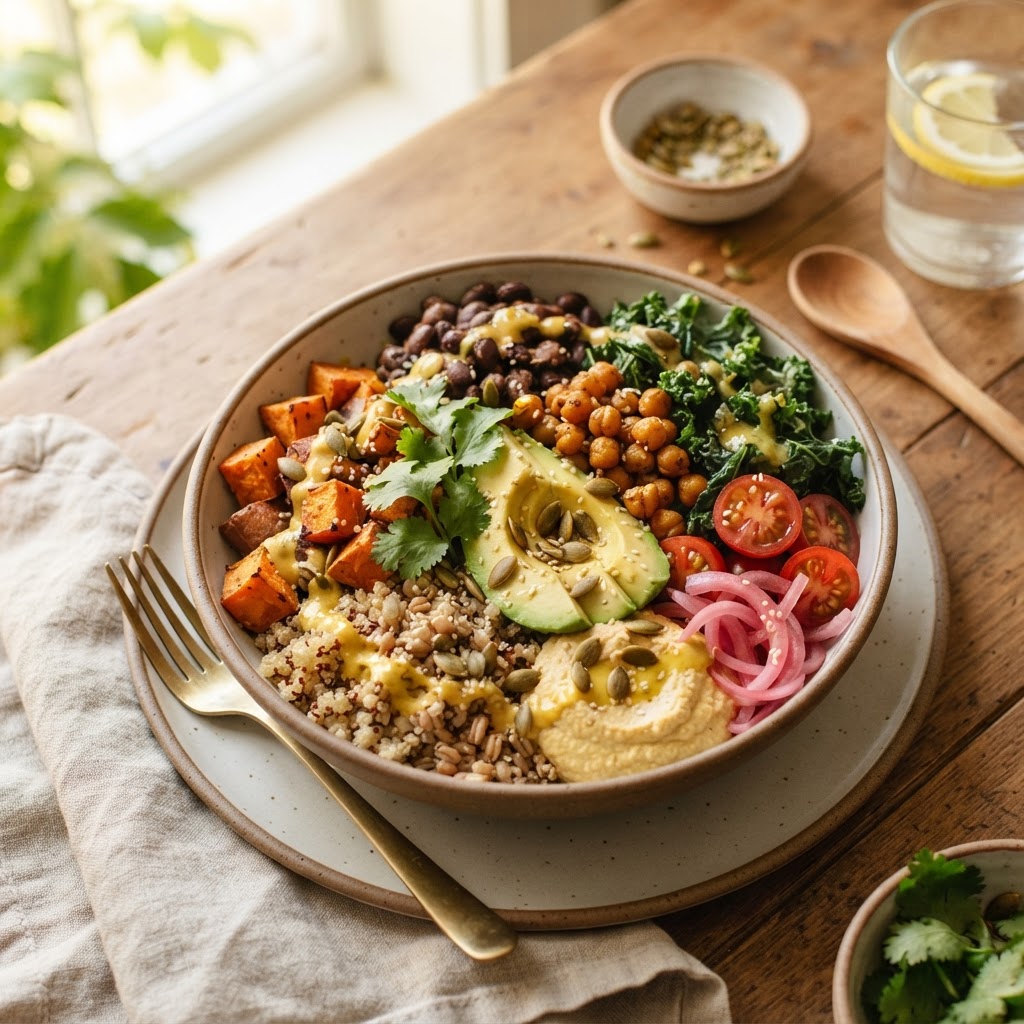
The Macro-Balanced Plate: A Guide to Building Nutrient-Dense Bowls That Keep You Full for Hours
The art of cooking at home is often reduced to the simple act of following a recipe, but true culinary mastery begins with understanding the architecture of a meal. When we look at a restaurant-quality plate, we see more than just food; we see a deliberate assembly of textures, flavors, and nutritional components that satisfy the body and the mind simultaneously. Building a bowl that is both delicious and sustaining is a skill that shifts your relationship with food from a passive task to an intentional act of self-care. By mastering the balance of macronutrients—proteins, carbohydrates, and healthy fats—you can eliminate that mid-afternoon energy slump and create meals that leave you feeling genuinely nourished rather than just full.
At "Blame The Chef," we believe that health should never be synonymous with deprivation. The goal of a nutrient-dense bowl is to maximize satiety through high-fiber ingredients, lean protein sources, and complex fats that regulate your blood sugar. When you understand the ratios required to create this equilibrium, you no longer have to rely on complicated diet plans or calorie counting. Instead, you develop a culinary intuition that allows you to open your refrigerator, see what is available, and assemble a world-class meal in under twenty minutes. It is about precision, preparation, and the audacity to treat your home kitchen like a professional prep station.
As we dive into the specific components of these bowls, remember that quality is the foundation of flavor. We will explore everything from the proper sear on a piece of protein to the emulsification of a vibrant vinaigrette that ties your ingredients together. Whether you are meal prepping for a busy work week or hosting a casual dinner for friends, the techniques outlined here will ensure your bowls are not only aesthetically stunning but also perfectly calibrated for sustained energy. It is time to stop guessing and start building, so sharpen your chef’s knife and prepare to elevate your everyday cooking routine to a professional standard.
The Foundation: Selecting Your Macronutrients
The success of any bowl depends on the quality of its building blocks. A well-constructed meal should contain a balance of lean protein, high-fiber carbohydrates, and a healthy dose of fats. Think of this as your culinary toolkit; when each element is prepared with intention, the final result is far greater than the sum of its parts. Protein provides the structure for satiety, carbohydrates offer the necessary glucose for brain function and muscle energy, and fats ensure that you feel satisfied long after the final bite.
Prioritizing High-Quality Proteins
Protein is the anchor of your plate. For a standard serving, aim for 4 to 6 ounces of lean protein, which is roughly the size of your palm. I highly recommend rotating between plant-based proteins, such as tempeh or chickpeas, and high-quality animal proteins, like wild-caught salmon or organic chicken breast. The key is in the Maillard reaction, which occurs when you sear your protein at a high heat, creating a complex, savory crust that adds depth to the bowl. If you are pan-searing chicken, ensure the surface is dry before it touches the hot oil to guarantee a perfect golden-brown finish.
Choosing Complex Carbohydrates
Not all carbohydrates are created equal, and for a balanced bowl, we look toward low-glycemic, fiber-rich sources. Quinoa, farro, brown rice, and roasted sweet potatoes are excellent choices because they provide a slow, steady release of energy. Avoid quick-burning refined grains that spike your blood sugar and lead to an inevitable crash. When preparing grains, always toast them in a dry pan for two minutes before adding your liquid—this simple technique adds a nutty, toasted complexity that makes the grain the star of the show rather than an afterthought.
"True culinary mastery begins with understanding the architecture of a meal. When we look at a restaurant-quality plate, we see more than just food; we see a deliberate assembly of textures, flavors, and nutritional components that satisfy the body and the mind simultaneously."
Essential Techniques for Prep and Texture
Texture is the unsung hero of a great meal. A bowl consisting of soft, mushy ingredients becomes monotonous after the third bite. To maintain interest, you must contrast soft elements—like steamed grains or braised greens—with crunchy, vibrant components. Raw radishes, toasted nuts, seeds, or thinly sliced cucumbers offer a refreshing snap that resets the palate between bites. Learning to balance these textures is what separates a amateur lunch from a professionally curated bowl.
The Art of the Roast
Roasting is the most effective way to coax natural sweetness and complexity out of vegetables. For dense vegetables like carrots, cauliflower, or brussels sprouts, set your oven to 400 degrees Fahrenheit. The key is to avoid overcrowding the sheet pan; if you pile vegetables too high, they will steam instead of roast. You want enough space for air to circulate so the surfaces caramelize and become deeply flavored. Toss your vegetables in high-quality extra virgin olive oil, kosher salt, and cracked black pepper before sending them into the heat.
Batch Prep Strategies
To ensure you have nutrient-dense options ready, employ the "chef’s mise-en-place" approach at home. Spend two hours on a Sunday preparing base ingredients: roast two trays of seasonal vegetables, cook a large batch of grains, and prep a versatile protein. Storing these in clear, airtight containers in your refrigerator creates a "pick and choose" system for the rest of the week. This minimizes the friction between wanting to eat healthy and actually doing it, allowing you to assemble a bowl in the time it would take to order delivery.
The Secret Sauce: Emulsification and Flavor Profiles
A bowl is only as good as the dressing that binds it together. Many home cooks make the mistake of using store-bought dressings, which are often loaded with refined sugars and inflammatory seed oils. Making your own vinaigrette is a basic skill that instantly upgrades your culinary repertoire. An emulsion is simply the process of blending two liquids that usually do not mix, like oil and acid, into a thick, creamy consistency.
Mastering the Vinaigrette
For a basic, fail-proof vinaigrette, follow the standard ratio of three parts fat to one part acid. Start with a high-quality base like cold-pressed olive oil, avocado oil, or tahini. For the acid, use fresh lemon juice, apple cider vinegar, or sherry vinegar. To achieve a stable emulsion, whisk in a teaspoon of Dijon mustard; the stabilizers in the mustard act as an emulsifier, preventing your dressing from breaking apart. Add fresh herbs, minced shallots, or a hint of honey to tailor the profile to your specific protein choice.
Beyond the Basic Vinaigrette
If you want a richer experience, experiment with creamy, plant-based bases. Tahini, blended with water and garlic, creates a velvety, nutrient-dense dressing that pairs beautifully with earthy grains and roasted roots. Alternatively, a miso-ginger dressing offers a savory, umami-rich punch that pairs exceptionally well with fatty fish or tofu. When you control the ingredients, you control the nutritional density, ensuring your meal remains supportive of your wellness goals while satisfying your cravings for deep, complex flavors.
"When you understand the ratios required to create this equilibrium, you no longer have to rely on complicated diet plans or calorie counting. Instead, you develop a culinary intuition that allows you to open your refrigerator, see what is available, and assemble a world-class meal in under twenty minutes."
Building the Bowl: Assembly and Presentation
Presentation is not just about vanity; it is about the psychology of eating. When a meal looks beautiful, we slow down and savor it, which aids in digestion and increases satisfaction. Start with a base layer of greens or grains, then arrange your prepared proteins and vegetables in distinct groupings. This method, often called the "Buddha Bowl" style, allows the eater to appreciate each component individually before mixing them together with the dressing.
The Rule of Thirds
A visually balanced bowl often follows the rule of thirds: one-third base, one-third vegetables/fruits, and one-third protein, with a final "garnish" of fats and herbs. By keeping ingredients separate, you maintain the structural integrity of each element. If you have soft roasted squash, place it away from the crunchier raw components to ensure that the textures remain distinct until the moment you decide to mix them. Use a wide-rimmed, shallow bowl to show off the colors of your ingredients; the more vibrant the colors, the wider the spectrum of phytonutrients you are consuming.
Temperature Contrast
Professional chefs are obsessed with temperature control, and you should be too. A bowl that is entirely cold can feel uninspiring, while a bowl that is entirely hot can feel heavy. Mix and match: place hot quinoa at the bottom, top with room-temperature roasted vegetables, and finish with cold, fresh greens and a chilled, crisp dressing. This contrast in temperature provides a dynamic eating experience that keeps the palate excited from the first bite to the last.
Advanced Flavor Enhancements
To take your bowls to a restaurant level, focus on the "finishing touch." This is where you add a punch of acidity, salt, or crunch that makes a meal pop. Fresh herbs are the most underutilized tool in the home kitchen. A handful of freshly chopped cilantro, parsley, basil, or dill can completely transform a bowl of lentils or brown rice. Herbs offer a burst of freshness that cuts through the richness of fats and the density of grains.
Acid and Umami
If your bowl feels a bit "flat," reach for acid or umami. A squeeze of fresh lime juice right before serving acts as a bright top note that wakes up the entire dish. If you are missing a savory depth, add a sprinkle of toasted seaweed flakes, a dash of tamari, or even a few pickled onions. These additions don't just add flavor; they contribute to the complex nutritional profile of the meal. Pickling vegetables at home—specifically red onions or carrots—takes ten minutes and provides a bright, tangy element that keeps your meals from feeling repetitive.
The Crunch Factor
Never underestimate the power of a crunch. Toasted seeds (sunflower, pumpkin, hemp hearts), crushed nuts (walnuts, almonds, cashews), or even crispy chickpeas provide a textural shift that makes the meal feel complete. These additions are also calorie-dense and packed with healthy monounsaturated fats, which are essential for brain health and keeping you full for hours. Roast your seeds with a pinch of smoked paprika or cumin to add an extra layer of flavor that echoes the seasoning in your main components.
Nutritional Harmony: The "Satiety Quotient"
The goal of these bowls is not just to provide fuel, but to ensure that your blood glucose remains stable throughout the day. When your blood sugar is balanced, you avoid the spikes and crashes that lead to cravings for processed sugar. By prioritizing fiber—found in abundance in vegetables, whole grains, and legumes—you slow the absorption of nutrients into your bloodstream. This is the physiological secret to feeling full for hours.
Fiber as Your Best Friend
Fiber is the most important component for sustained satiety. Every bowl you build should have at least three different sources of fiber: a base of leafy greens (like kale or arugula), a high-fiber grain (like farro or barley), and a variety of colorful vegetables. When these ingredients are combined with a healthy fat, they create a slow-release energy source. If you feel hungry shortly after eating, it is usually because your meal was lacking enough fiber or fat, or perhaps the protein portion was insufficient.
Hydration and Mineral Content
Do not forget the water content in your vegetables. Cucumber, celery, and tomatoes provide excellent hydration, which is essential for nutrient absorption. Pair your bowl with a glass of water, perhaps infused with a bit of lemon or cucumber, to facilitate digestion. When you treat your body like an athlete’s, feeding it with intention and respect, you will find that your energy levels stabilize and your mental clarity sharpens. These are the subtle, powerful results of building a nutrient-dense plate, and they stem directly from the choices you make in your own kitchen.
"The art of cooking at home is often reduced to the simple act of following a recipe, but true culinary mastery begins with understanding the architecture of a meal. When we look at a restaurant-quality plate, we see more than just food; we see a deliberate assembly of textures, flavors, and nutritional components that satisfy the body and the mind simultaneously."
Final Thoughts
Building the perfect, macro-balanced bowl is a journey rather than a destination. It is about learning to listen to what your body needs and developing the confidence to create meals that serve those needs without compromising on flavor or joy. As you continue to experiment with different proteins, grains, and dressings, you will find that your culinary intuition grows sharper, and your ability to construct nutrient-dense meals becomes second nature. There is immense power in knowing exactly what is in your food and how it interacts with your system to keep you performing at your best.
Remember that the kitchen is your playground. Do not feel bound by these ratios if you find a combination that speaks to your specific tastes. The beauty of this approach lies in its versatility. Whether you are using up leftovers, experimenting with seasonal produce, or trying a new protein for the first time, the core principles of balance, texture, and quality ingredients will always guide you home. Stop blaming the chef, and start becoming the chef yourself. With a sharp knife, a bit of preparation, and a commitment to quality, you have everything you need to transform your daily meals into a source of long-lasting vitality.
Cooking is an act of love—for yourself and for those you feed. When you take the time to assemble a bowl with intention, you are sending a message to your body that you value its health and happiness. Continue to explore, continue to season boldly, and always keep an eye on the texture. As you master these components, you will find that the mid-afternoon fatigue becomes a thing of the past, replaced by the steady, focused energy that only comes from true, nutrient-dense nourishment. Welcome to the lifestyle of the intentional cook, where the plate is your canvas and your health is the masterpiece.
As you look forward to your next kitchen session, challenge yourself to try one new ingredient or one new technique we discussed today. Maybe you will try pickling your own onions or finally mastering that miso-ginger dressing. Maybe you will dedicate a Sunday to batch-roasting vegetables to see how much time it saves you throughout the week. Whatever step you take, celebrate the process. The kitchen should be a place of exploration and creativity. Every time you prepare a bowl with these principles in mind, you are building a stronger, more energized version of yourself. Keep the hearth warm, keep your knives sharp, and always keep your bowl full of color and life. This is the "Blame The Chef" way—simple, sophisticated, and entirely yours.
Finally, remember that perfection is not the goal; consistency is. If your bowl isn't "gram-perfect" in its macro ratios every single time, that is perfectly acceptable. The beauty of the nutrient-dense bowl is its forgiving nature and its adaptability. If you are low on one vegetable, swap it for another. If you are out of one grain, try a new seed or legume. The principles of fiber, protein, and healthy fats remain the anchor, but the variations are endless. Stay curious, stay hungry, and enjoy the profound satisfaction that comes from eating well and knowing exactly how you achieved it. Your body will thank you, and your palate will certainly appreciate the effort. Happy cooking!
Get the Next Recipe
Weekly recipes, techniques, and gear picks — straight to your inbox.
