The Magic of Compound Butter: Elevating Steaks, Vegetables, and Bread with Flavored Butter
There is a fundamental truth in the culinary world that separates the casual home cook from the true kitchen enthusiast: the mastery of finishing touches. We often focus so intently on the searing of a protein or the roasting of a root vegetable that we neglect the element that bridges the gap between good and restaurant-quality perfection. Enter the world of compound butter, an elegant, deceptively simple preparation that serves as the ultimate flavor vehicle for virtually anything leaving your stove or oven. By emulsifying high-quality herbs, spices, aromatics, or even sweet components into softened butter, you create a dynamic condiment that melts into a luxurious sauce the moment it hits heat. It is a technique that demands little more than five minutes of your time, yet it yields a depth of complexity that suggests hours of preparation.
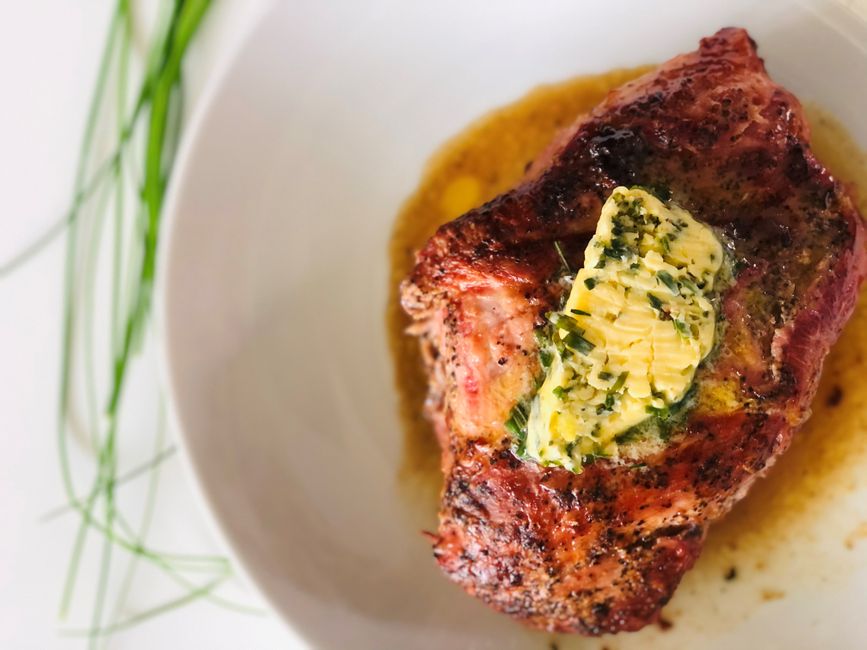
Many home cooks view butter strictly as a medium for cooking, a fat used to prevent sticking or to facilitate the Maillard reaction. However, when you treat butter as the primary flavor carrier rather than just a lubricant, you unlock an entirely new dimension of ingredient interplay. Think of a compound butter as a concentrated flavor bomb, designed to be applied at the precise moment of service. Whether it is a puck of garlic-chive butter melting over a medium-rare ribeye or a smudge of honey-thyme butter coating roasted carrots, the result is a glossy, savory glaze that ties disparate elements of a dish together. This is the secret weapon used in professional kitchens to rescue a dish that feels slightly flat or to add that unmistakable "chef’s touch" to a simple protein.
The beauty of this method lies in its versatility and its ability to act as a preservation tool for your fresh herbs and aromatics. We have all experienced the tragedy of buying a bunch of fresh tarragon or sage, using a fraction of it, and watching the rest wither away in the vegetable crisper. By folding these excess ingredients into a log of high-fat butter, you are effectively preserving their volatile oils and vibrant colors for weeks, if not months. In this guide, we will break down the chemistry of emulsion, the art of flavor balancing, and the various techniques for rolling and storing these buttery masterpieces. Prepare to transform your pantry staples into the most requested items at your dinner table, as we demystify the magic behind the butter log.
The Foundation: Choosing Your Fat and Aromatics
The most important decision you will make in your compound butter journey starts at the dairy aisle. To achieve the velvety mouthfeel and rich flavor profile expected of a restaurant-quality butter, you must start with European-style butter. These varieties typically contain a higher butterfat content, usually around 82% to 85%, compared to standard American supermarket brands. This extra fat is crucial because it holds onto the moisture and aromatic compounds of your additives much more effectively. Furthermore, always opt for unsalted butter if you are just starting out. This allows you to control the exact salt content of your compound, which is critical when you are adding ingredients like miso, soy sauce, or brined capers that already carry a significant saline load.
Once you have secured your base, the preparation begins with temperature control. Your butter must be perfectly softened, not melted. You are looking for that "room temperature" state where the butter is pliable and can be easily worked with a spatula, but it still maintains its structural integrity. If you melt the butter, the milk solids and fats will separate, and you will lose the ability to create a smooth, homogenous mixture. A good rule of thumb is to take your butter out of the refrigerator 45 to 60 minutes before you intend to mix it. If you are in a rush, you can cut the butter into half-inch cubes to accelerate the process, but keep a close eye on it to prevent it from becoming overly oily.
The secret to a perfect compound butter is the ratio of aromatics to fat; you want enough flavor to make an impact, but not so much that the texture becomes gritty or difficult to slice once it has been chilled.
When selecting your aromatics, think about the flavor intensity and texture. For herbs, always ensure they are completely dry after washing. Any excess water introduced to your butter can lead to spoilage or separation during storage. Finely mincing your herbs is the key to an even distribution of flavor. You want every bite of your steak or bread to carry the same notes of parsley, shallots, or garlic. For hard ingredients like garlic or shallots, consider a quick blanching or sautéing if you want a mellow, sweet flavor. If you prefer a sharp, pungent bite, using them raw is perfectly acceptable, provided they are minced fine enough to meld into the fat.
Technique and Ratios: The Science of the Roll
Achieving a uniform, cylindrical log is the hallmark of a professional-looking compound butter. Once your butter is softened and your ingredients are incorporated, you must move quickly to the rolling stage. Lay out a generous sheet of parchment paper or plastic wrap on your counter. Place the butter mixture along the edge in a line, then use the edge of the paper to fold the butter over itself. Roll it into a tight cylinder, twisting the ends of the paper like a candy wrapper. This tension is vital; by twisting the ends tightly, you compress the butter, ensuring there are no air pockets and creating a dense, professional-looking log that is easy to slice into consistent "coins."
Achieving the Perfect Consistency
To ensure your butter holds its shape, you need to manage your chilling process correctly. Once rolled, the butter should be placed in the refrigerator for at least two hours to firm up. If you are preparing it for a party or a long-term supply, you can store these logs in the freezer for up to three months. When you are ready to use them, the freezer-stored butter will slice perfectly with a hot knife, allowing you to create beautiful, neat rounds that look stunning melting atop a hot-off-the-grill piece of meat.
Remember to consider the viscosity of your liquid ingredients. If you are adding something like balsamic glaze, lemon juice, or soy sauce, you must incorporate them slowly. If you add too much liquid, the butter will refuse to emulsify and you will end up with a weeping, separated mess. A safe ratio for liquids is usually one teaspoon per half-pound of butter. If you find your mixture is becoming too loose, add a teaspoon of finely grated parmesan or a pinch of dry spices like smoked paprika to help absorb the excess moisture and bind the mixture together.
Flavor Profiles for Beef and Red Meat
When pairing compound butter with a hearty protein like a ribeye or a New York strip, you want flavors that can stand up to the charred crust and the richness of the beef. Garlic and herb is the classic standard for a reason, but you can elevate this by incorporating roasted garlic instead of raw. The roasting process caramelizes the sugars in the garlic, creating a nutty, mellow sweetness that complements the smokiness of a wood-fired grill. Add a handful of chopped fresh rosemary and thyme, and you have a steakhouse-worthy topping that will impress even the most cynical dinner guests.
The Power of Umami
If you want to take your red meat to the next level, experiment with umami-rich ingredients. A miso-butter compound is a revelation. By mixing a tablespoon of white miso paste into your softened butter, you add a salty, fermented complexity that acts as a natural flavor enhancer for the beef. Other fantastic options for red meat include:
Anchovy and Parsley:* Use two finely minced anchovy fillets. They won't make the butter taste like fish; they provide a deep, savory saltiness that makes the beef taste "meatier."
Blue Cheese and Walnut:* Crumbled Gorgonzola or Roquefort provides a sharp, tangy bite that cuts through the fat of a fatty cut like a ribeye.
Truffle Oil or Zest:* A small amount of black truffle essence brings an earthy, musky aroma that defines luxury dining.
The magic of compound butter is that it transforms a home-cooked meal into a sensory experience; the aroma of melting herbs and fats is just as important as the taste itself.
Always remember that the temperature of the protein is your partner here. The butter should be applied to the steak immediately after it has finished its resting period. Resting is the most important part of cooking any steak, as it allows the juices to redistribute throughout the muscle fibers. By applying the compound butter while the meat is still warm but not scorching hot, the butter will melt slowly into a beautiful, glossy sauce that coats the steak without sliding off onto the plate. If the meat is too hot, the butter will break and turn into an oily puddle, so timing is everything.
Enhancing Vegetables and Starchy Sides
Vegetables often suffer from a reputation of being bland or uninspired, but a well-conceived compound butter can turn a simple side dish into the star of the table. Think of roasted carrots, asparagus, or steamed broccoli. These items are often cooked with very little fat, leaving them in need of a flavorful finish. A lemon-zest and cracked pepper butter is the perfect foil for charred asparagus, providing an acidity that brightens the earthy notes of the vegetable. For starchy sides like baked potatoes or sweet corn, a chili-lime butter can add a vibrant, zesty punch that makes the vegetable feel vibrant and fresh.
Mastering the Glaze
When working with hot vegetables, you aren't just looking for flavor; you are looking for a glaze. To achieve this, toss your cooked vegetables in a bowl with a slice of compound butter while they are still steaming hot. The residual heat will melt the butter, creating a thin, flavorful coating that clings to the surface of the vegetable. This is particularly effective with root vegetables like parsnips or sweet potatoes. The butter’s fat acts as a delivery system for the seasoning, ensuring that every bite is perfectly balanced.
Consider these combinations for your next vegetable course:
Honey-Sage Butter:* Perfect for roasted butternut squash or acorn squash.
Cilantro-Lime-Jalapeño Butter:* An excellent finishing touch for grilled corn on the cob or roasted cauliflower.
Brown Butter and Toasted Hazelnut:* A sophisticated topping for sautéed green beans or asparagus that adds a wonderful crunch and depth.
When seasoning your vegetable-focused butters, don't be afraid to add a touch of acidity. A squeeze of fresh lemon juice or a drop of high-quality vinegar can prevent the butter from feeling too heavy on the palate. The goal is to provide a counterpoint to the sweetness or the earthiness of the vegetable, creating a balanced bite that keeps the diner coming back for more.
Bread and Beyond: The Role of the Finishing Fat
If the steak is the show, the bread is the opening act. Compound butter on a warm crusty baguette or a fresh sourdough boule is perhaps the most immediate way to appreciate the effort you put into your flavoring. When prepping for a dinner party, skip the plain butter dish and offer a small plate of compound butter instead. A honey-lavender butter is absolutely breathtaking alongside warm biscuits or warm crusty rolls. The floral notes of the lavender pair beautifully with the sweetness of the honey, and the salt in the butter bridges the gap between sweet and savory.
Elevating Your Bread Basket
You can also get creative with savory additions for your bread service. Think about a sun-dried tomato and basil butter, which mimics the flavors of a Caprese salad and tastes incredible on toasted ciabatta. Or, try a roasted red pepper and smoked paprika butter for a Spanish-inspired tapas night. The key here is to keep the flavor profile focused. Don't throw everything in the kitchen into the bowl; choose two or three flavors that complement each other and let them shine.
Sun-dried Tomato & Basil:* Finely chopped sun-dried tomatoes (oil-packed), fresh basil chiffonade, and a touch of garlic.
Honey & Sea Salt:* Use a high-quality flaky sea salt (like Maldon) to finish the butter, providing a nice texture and a burst of salinity.
Cinnamon & Maple:* A decadent option for sourdough toast or morning muffins.
Remember that when you are serving butter on bread, the texture of the butter matters more than ever. It must be spreadable. While it is tempting to pull the butter straight from the fridge, your guests will appreciate the effort if you take it out 20 minutes before serving. If you are serving a formal dinner, consider using a small butter mold or a melon baller to create uniform spheres of butter that can be plated individually. It is a small gesture that signals to your guests that you have put thought into every single aspect of the meal.
Storing and Managing Your Butter Inventory
A well-stocked freezer is the mark of a prepared chef. Compound butters are an ideal "emergency" ingredient. When you find yourself with extra fresh herbs, simply mince them up, mix them with butter, and freeze them in a log. You are effectively saving your money and your flavor. When storing your butter, always double-wrap it. Use a layer of parchment paper for the initial wrap to prevent the butter from picking up "freezer burn" odors, and then wrap that in a layer of heavy-duty aluminum foil or place it inside a sealed freezer-safe bag.
The Lifespan of Flavored Butter
While compound butter can stay in the freezer for months, it is best to use it within a few weeks if stored only in the refrigerator. In the fridge, the butter is susceptible to picking up the aromas of other foods. To avoid this, keep it in an airtight container or a dedicated drawer. If you notice the butter taking on a yellow or brownish hue on the outer edges, simply trim that thin layer off; the butter underneath will still be perfectly fine to consume.
By building a library of flavors, you can pivot your dinner plans on a whim. Having a stash of lemon-chive butter means you can turn a boring piece of frozen salmon into a zesty meal in under fifteen minutes. Having garlic-parsley butter means your weeknight steak can rival the one at the local bistro. This isn't just about cooking; it’s about having the tools at your disposal to make everyday meals feel like a deliberate, thoughtful choice. The convenience of pre-made, flavored fats will change the way you look at your kitchen, making you more efficient and far more creative in your day-to-day cooking.
The Professional Chef’s Secret Weapon
Ultimately, compound butter is about confidence. It is about taking the reins of your own cooking and refusing to rely on bottled sauces or generic seasonings. When you make your own, you understand the nuances of the ingredients. You learn that fresh tarragon is more aggressive than fresh parsley, or that salt content varies wildly between brands of butter. This knowledge is the foundation of culinary intuition. It allows you to taste a dish and realize that it isn't missing more salt, but rather a hint of brightness or a touch of earthy richness that a compound butter could provide.
Never underestimate the impact of a compound butter; it is the final bridge between a chef's intention and a diner's satisfaction.
In the fast-paced environment of a professional kitchen, we rely on these preparations to keep our line service consistent. If we are running a grilled swordfish special, the kitchen lead knows that the herb-butter mise en place is already done and waiting in the walk-in. It allows us to focus our energy on the precision of the cook, knowing that the flavor finish is already guaranteed. You should treat your home kitchen with the same level of respect. By spending an hour on a Sunday afternoon prepping a few different types of butter, you set yourself up for a week of meals that feel like they have been labored over for hours.
Final Thoughts
The magic of compound butter lies in its simplicity. It is an honest, straightforward technique that rewards the home cook with immense flavor for very little investment. It teaches you about the power of fat as a carrier for flavor, the importance of ingredient quality, and the art of the perfect finish. Whether you are melting a dollop over a pan-seared steak, stirring it into a bowl of steaming pasta, or spreading it over a slice of warm, toasted sourdough, you are participating in a timeless culinary tradition. You are learning to layer flavors, to balance acidity and richness, and to elevate the ordinary into something extraordinary.
As you begin your own experiments with these mixtures, remember that there are no hard-and-fast rules beyond basic food safety and proper emulsification. If you find a combination that speaks to you, lean into it. If you have an abundance of rosemary, turn it into butter. If you have a favorite spice blend, fold it into fat. The kitchen is your laboratory, and compound butter is your most versatile tool. So, the next time you feel like your dinner is missing that "wow" factor, don't blame the chef—simply reach for your butter log and watch the magic happen. Your journey toward culinary excellence starts with this simple, buttery, and incredibly flavorful step. Enjoy the process, and more importantly, enjoy the delicious results that await you at the table. Your guests will never suspect how little time you actually spent creating such complex, professional-level flavors. Keep practicing, keep tasting, and keep buttering.
Get the Next Recipe
Weekly recipes, techniques, and gear picks — straight to your inbox.
