The Magic of Mise en Place: How Preparation Transforms Your Cooking
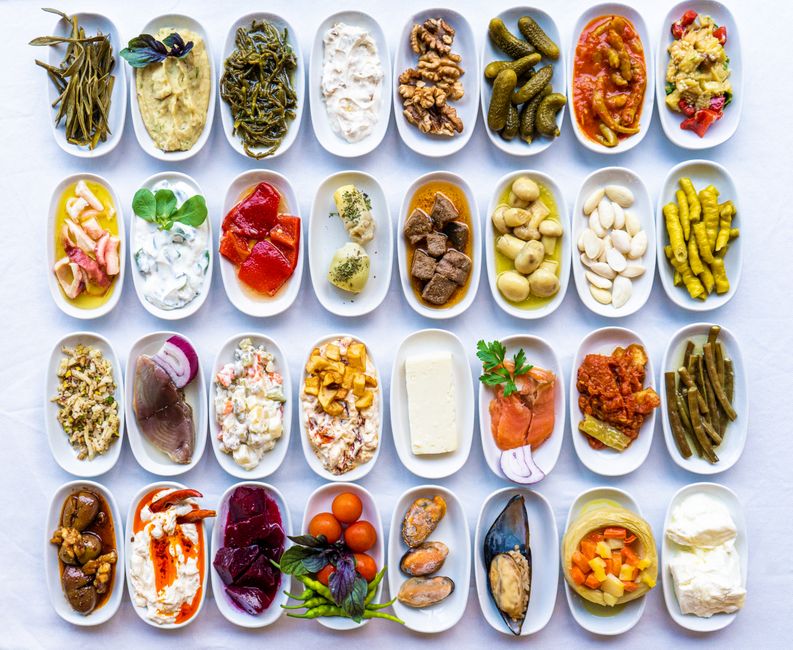
Cooking is often portrayed in media as a high-stakes performance art, a frantic ballet of sizzling pans, shouting line cooks, and clock-beating desperation. While that might make for compelling television, it is the antithesis of how successful, restaurant-grade food is actually produced in a professional kitchen. The secret that every chef guards closely is not a hidden stash of saffron or a secret technique for tempering chocolate, but a disciplined philosophy known as mise en place. This French term, which literally translates to "everything in its place," is the bedrock upon which all culinary excellence is built. By mastering this foundational practice, you can transform your kitchen from a site of chaotic stress into a sanctuary of efficient, joyful creation.
When you fail to organize your ingredients before the flame is lit, you are essentially guaranteeing a frantic, disorganized experience. You have likely experienced the panic of searching for the salt while your garlic begins to burn, or realized you forgot to zest the lemon while the reduction is already beginning to break. Mise en place removes the frantic guesswork from cooking by forcing you to confront the recipe in its entirety before the heat ever touches the pan. It is a psychological buffer that grants you the mental bandwidth to focus on the nuance of flavor and the precision of technique, rather than scrambling to locate missing components. Once you adopt this habit, your cooking will evolve from a task you rush through to a craft you savor.
Ultimately, the goal of this blog is to change the way you interact with your stove and your ingredients. We are going to deconstruct the anatomy of a professional kitchen setup and apply those rigorous standards to your home environment. We will look at how the physical layout of your workspace affects your output, the science behind temperature control during prep, and the logistical advantages of grouping tasks by category. Whether you are prepping a simple weeknight pasta or a multi-course dinner party, the principles remain identical. If you are ready to stop blaming the chef when things go wrong and start cooking with the confidence of a professional, then read on as we explore the transformative power of preparation.
The Philosophy of the Station
At its heart, mise en place is a commitment to the environment in which you work. In a professional kitchen, a chef’s station is their domain, organized with surgical precision to minimize movement and maximize throughput. Everything you need should be within an arm’s reach, arranged in a way that creates a logical flow. When your station is clean and organized, your mind is clearer, allowing you to react to the variables of cooking—like the sudden thickening of a sauce or the searing of a protein—with composure and intent.
Creating Your Flow
To build an effective station, you must evaluate your workspace from the perspective of ergonomics. Your cutting board should be the focal point, positioned centrally so that you have ample room to work without debris falling onto the floor. Place your trash bowl or compost bin directly adjacent to the board; a clean board is an efficient board. Tools such as your chef's knife, offset spatula, and tongs should be arranged in a consistent pattern every single time you cook. Muscle memory is your greatest asset; when your hands know exactly where an implement is located, you reclaim seconds that eventually manifest as hours of saved time throughout the year.
The professional kitchen is not just about the recipe on the page; it is about the architecture of the cook's environment. If you fail to build a foundation of order, the house of flavor will inevitably crumble under the heat of the stove.
Managing Waste and Workflow
A cluttered station leads to a cluttered mind. Developing a habit of "clearing as you go" is essential for maintaining your mise en place. If you have finished peeling carrots, the peels go immediately into the bin, and the peeler is returned to its designated spot. This is not about being a perfectionist; it is about eliminating friction. Friction is the enemy of quality. Every time you have to stop, search for a tool, or clear off a pile of onion scraps, you lose focus, and your dish suffers the consequences of a fragmented approach.
The Art of Ingredient Preparation
Preparation is not just about chopping; it is about understanding the chemical and physical properties of the ingredients you are handling. When you prepare ingredients in advance, you are performing a form of "pre-digestion" for the cooking process. You are ensuring that every piece of garlic, every julienned pepper, and every weighed gram of seasoning is ready to be deployed at the exact second the recipe demands. This allows for precise thermal control—a vital skill when dealing with delicate items that might burn or overcook in a matter of seconds.
The Importance of Uniformity
Uniformity is the hidden variable that separates home cooking from restaurant quality. If your mirepoix—the classic mix of onions, carrots, and celery—is cut into mismatched, jagged pieces, they will cook at different rates. Some bits will remain raw while others turn to mush, resulting in a texture that lacks elegance. Practice your knife skills to ensure consistent cuts. Whether you are dicing a white onion to a precise 1/4-inch cube or slicing mushrooms to a uniform thickness, uniformity ensures that the flavor release is even and the aesthetic is professional.
Seasoning and Staging
One of the most common pitfalls home cooks face is scrambling for salt, pepper, or herbs while a protein is in the pan. Professional chefs utilize small containers—known as ramekins or deli cups—to hold pre-measured spices and liquids. If a recipe calls for a specific blend of kosher salt, cracked black pepper, and dried oregano to season a chicken breast, have that mixture ready in a small bowl before the heat is applied. This prevents the "salt-shaker juggle" where you contaminate your spice jars with raw-meat-covered fingers.
Mastering Heat and Timing
Cooking is essentially the manipulation of energy. To master your dish, you must master the heat source. When your mise en place is complete, you are free to monitor the color of a sear, the viscosity of a reduction, or the texture of a vegetable without the distraction of finding the butter. Temperature management is not just about turning a knob; it is about understanding the transition of ingredients from raw to cooked.
The Science of Carry-Over Cooking
One critical aspect of timing that many cooks ignore is carry-over cooking. Even after you remove a pan from the stove, the residual heat within the food and the vessel will continue to raise the internal temperature. When preparing your ingredients, always account for this. If you are searing a steak to a perfect medium-rare (an internal temperature of 125°F or 52°C), you must pull it from the heat when it hits approximately 115°F to 120°F. If you are disorganized and fumbling to find your serving platter, that steak will blow past the ideal window, leading to a dry, overcooked product.
Managing Multiple Elements
When preparing a multi-component meal, you must work in reverse. Start by determining what takes the longest to cook, such as a braise or a roasted root vegetable, and work backward to the items that require minimal heat, like a quick-sautéed spinach or a delicate pan sauce. By staging your ingredients so that they are ready to hit the pan at the right interval, you avoid the common trap of serving lukewarm entrees because the side dish took ten minutes longer than anticipated.
Mastery is found not in the complexity of the recipe, but in the rhythm of the execution. When you prepare with purpose, you don't just follow a recipe; you dictate the pace of the meal.
The Professional Tool Kit
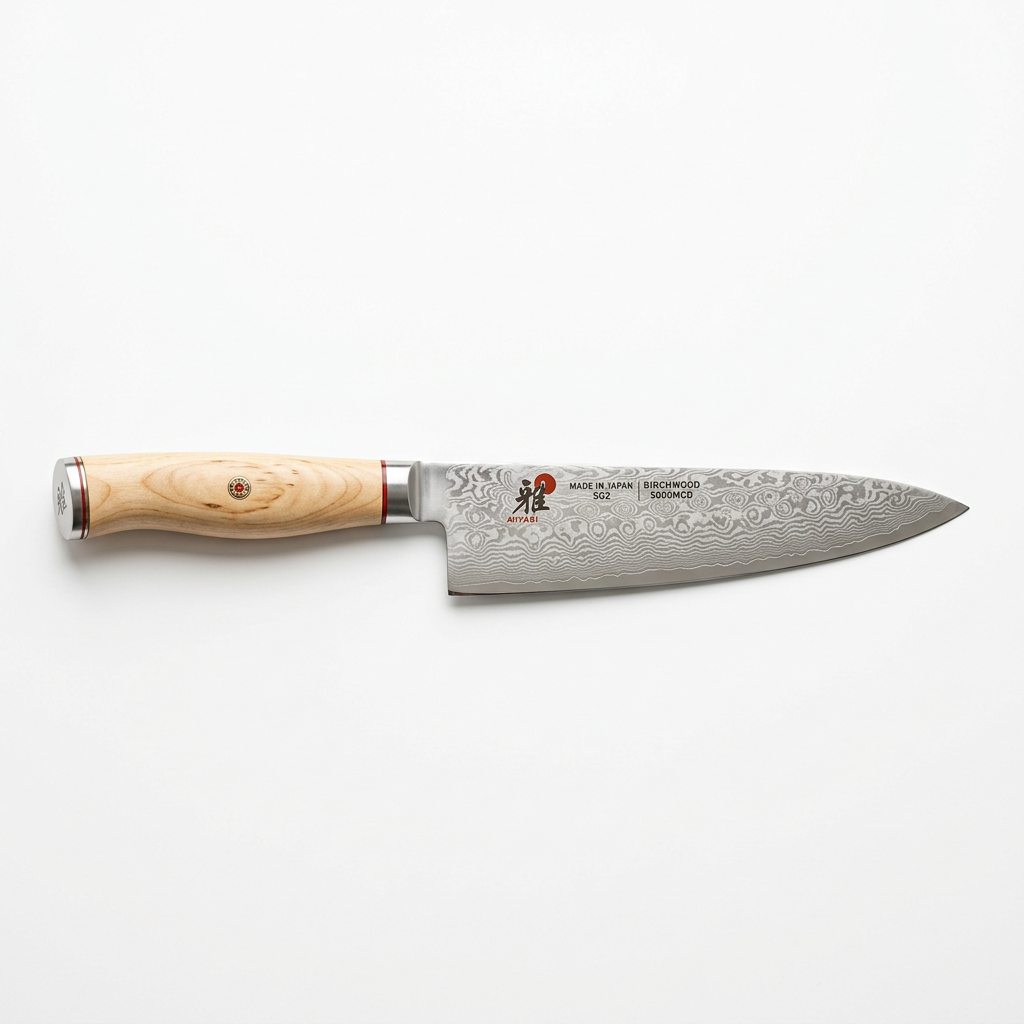
You do not need a commercial kitchen to achieve commercial results, but you do need to respect your tools. A sharp chef’s knife is the most important item in your kitchen. A dull blade is not only frustrating; it is dangerous, as it requires more force to cut, leading to slips and erratic handling. Investing in a high-quality whetstone and learning to maintain your blade will do more for your cooking than any expensive gadget or high-end appliance ever could.
Essential Gear for Efficiency
To maintain a high level of mise en place, equip your kitchen with items that serve multiple purposes and are easy to clean:
A heavy-duty wood or composite cutting board*: Size matters; if you can’t fit your piles of prepped ingredients on your board, you will find yourself running out of space quickly.
A collection of stainless steel or glass prep bowls*: Having a range of sizes allows you to organize your prep efficiently without crowding the workspace.
An accurate digital scale*: Cooking is chemistry. Measuring by weight is far more precise than measuring by volume, especially when dealing with flour for baking or ratios for curing.
A bench scraper*: This is perhaps the most underrated tool in the kitchen. It is perfect for scooping up chopped vegetables, cleaning your board instantly, and portioning dough.
Sanitation as Technique
Part of your setup should always include a sanitation station. Keep a clean, damp towel tucked neatly under the corner of your cutting board. This prevents the board from sliding, ensuring safety, and provides a quick way to wipe your hands or your surface. Remember to switch out your towels frequently. Bacteria control is a fundamental part of professional cooking, and a clean station is a safer station for you and your guests.
Ingredient Ratios and Flavor Building
The difference between "good" and "great" is often found in the ratios. Understanding how to balance salt, acid, fat, and heat is the mark of an experienced cook. When you prepare your ingredients in advance, you have the opportunity to taste components individually. Are your carrots sweet enough? Does your onion have the necessary bite? By testing your mise en place, you can adjust your seasoning strategy before the cooking process reaches a point of no return.
The Balance of Aromatics
Aromatics—garlic, shallots, ginger, and herbs—are the backbone of flavor. A common mistake is to add them all at once. Aromatics have different burn points; garlic, for instance, burns much faster than chopped onion. By prepping them into separate bowls or piles, you can control the order of addition. This allows you to bloom the garlic for just the right amount of time to release its oils without letting it become acrid and bitter. This is the aromatic sequence, and it is one of the easiest ways to elevate the depth of your flavor profiles.
Fat as a Flavor Carrier
Understanding your fats is equally crucial. Whether you are using high-smoke-point oils like grapeseed oil or refined coconut oil for searing, or delicate fats like high-quality butter or extra virgin olive oil for finishing, your prep phase should include selecting the right fat for the right temperature. If you have your fats pre-measured and set out, you will never be caught reaching for olive oil when you need the high-heat capabilities of a neutral oil.
The Psychological Advantage
There is a meditative quality to mise en place. When you slow down to organize your ingredients, you are engaging in a process of mindfulness. You are mentally rehearsing the recipe, anticipating potential problems, and setting yourself up for success. This creates a state of "flow" where your actions become automatic, and you can focus your attention on the sensory feedback of the cooking process—the smell of the browning proteins, the color of the caramelizing sugar, and the sound of the simmer.
Handling Failure with Grace
Even the most organized chefs encounter issues. Perhaps the produce was not as fresh as expected, or the heat was slightly higher than anticipated. When you have done your mise en place, you have the mental space to troubleshoot. You are not panicked by the search for an ingredient, so you can calmly adjust your heat, add a splash of stock to deglaze a pan that got too hot, or adjust the acid to balance an over-salted sauce. Organization provides the grace to save a dish that might otherwise be destined for the trash.
Teaching the Habit
If you cook for family or friends, encourage them to help with the mise en place. Preparing an elaborate meal is a beautiful communal experience when everyone has a task. Show your partners how to wash herbs, peel vegetables, or measure spices. By standardizing the process, you create a shared language of preparation. This not only makes the cooking easier but also builds a sense of pride and ownership in the meal that will ultimately taste better simply because it was made with joy rather than stress.
Mise en place is not just for the kitchen; it is a life philosophy. When you apply the discipline of order and preparation to your daily tasks, you unlock a level of efficiency and clarity that permeates every aspect of your life.
Final Thoughts
The magic of mise en place is not found in the tools or the time saved, but in the liberation it offers the cook. By removing the obstacles of disorganization, you are free to explore, experiment, and create. You become a participant in the process rather than a victim of the clock. Whether you are a beginner looking to master your first omelet or a seasoned home cook aiming to perfect a complex coq au vin, the path is the same. Start with the habit of order. Respect the ingredients by preparing them with intention. Focus on the temperature and the timing, and always keep your station clean.
As you move forward in your culinary journey, remember that every dish you prepare is an opportunity to practice these skills. Do not be discouraged if your first attempt at a professional station feels awkward or slow. Like any technique, it requires repetition to become second nature. Over time, you will find that you no longer have to consciously think about organizing your station—it will happen instinctively. You will move with a grace and efficiency that reflects your commitment to the craft.
Ultimately, "Blame The Chef" is a reminder that we are the architects of our own kitchen failures and successes. By embracing the rigor of mise en place, you take full responsibility for your results. You trade the excuse of "things got too crazy" for the reality of "I planned this perfectly." That shift in mindset is the single most important step you can take toward becoming a truly great cook. So, sharpen your knife, clear your board, organize your ramekins, and let the magic of preparation transform your next meal into something truly extraordinary. Your kitchen is waiting for you; approach it with the focus and discipline of a professional, and you will never look back.
The culinary arts are a lifelong pursuit of refinement. Every time you step into the kitchen, you are adding to your knowledge base, learning the nuances of heat transfer, the chemistry of seasoning, and the art of presentation. Mise en place is the essential vessel that carries this knowledge forward. It ensures that you aren't just getting food on the table, but that you are crafting a sensory experience that respects the ingredients and the people you are feeding. When you treat your kitchen with the respect it deserves, it will return the favor in the form of delicious, consistent, and inspired meals.
Never underestimate the power of a simple, clean workspace. The most elaborate recipes often require the most basic of preparations. If you master the art of having everything in its place, you will find that your confidence grows with every meal. You will start to anticipate the needs of your dish before the heat even rises. You will begin to taste the layers of flavor as they develop. And most importantly, you will find a deep sense of satisfaction in the work itself. Cooking, when done with care and preparation, is one of the most rewarding expressions of human creativity.
Finally, keep learning and stay curious. Explore different cuisines, try new techniques, and never stop refining your mise en place. Whether you are working with humble root vegetables or expensive cuts of meat, the rules of organization remain the same. The beauty of the kitchen is that there is always more to learn and more to improve upon. By maintaining this discipline, you keep the doors of culinary discovery open. Keep your knives sharp, your ingredients prepped, and your focus centered. Your journey toward culinary mastery is well underway, and with mise en place as your constant companion, the possibilities for what you can create are truly infinite. Enjoy the process, and let the food speak for itself.
Get the Next Recipe
Weekly recipes, techniques, and gear picks — straight to your inbox.