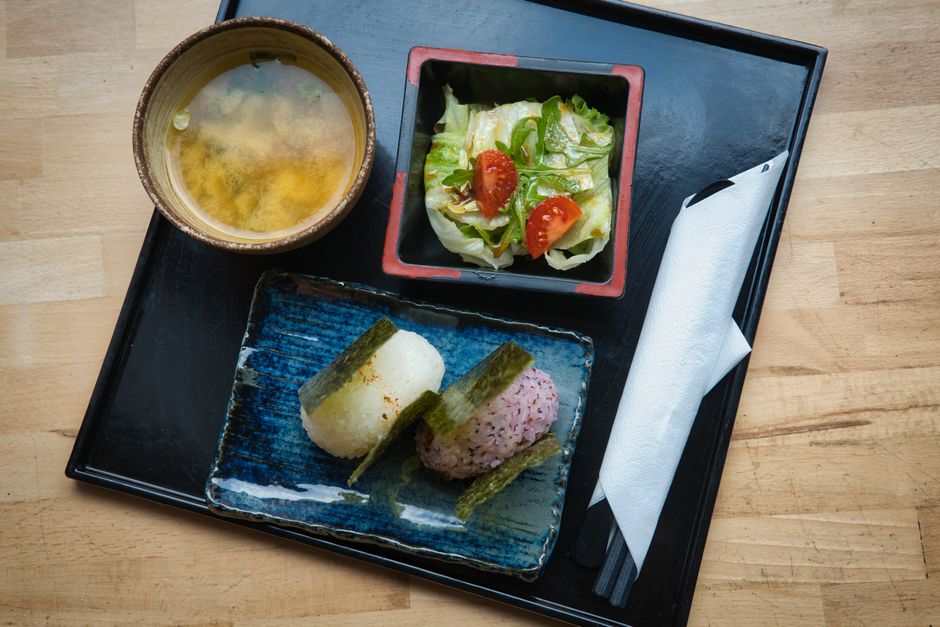
The Magic of Miso: Japan's Fermented Superstar Beyond Soup
When you first encounter miso in a professional kitchen, it is often treated with a reverence usually reserved for expensive truffles or aged balsamic vinegar. It is a humble, pungent, and deeply complex ingredient that serves as the backbone of Japanese cuisine, yet it remains misunderstood by many home cooks who confine its potential to a lukewarm bowl of breakfast soup. To understand miso is to understand the alchemy of time, salt, and grain. It is a fermented paste made from soybeans, salt, and a koji starter, which allows enzymes to break down proteins into potent amino acids. This breakdown is exactly what gives miso its profound umami quality—that elusive "fifth taste" that provides savory depth to everything it touches.
Beyond the stovetop, miso is a masterclass in controlled decay. The process begins with steaming soybeans, which are then inoculated with Aspergillus oryzae, the magical mold that transforms raw starches into complex sugars and proteins. Depending on the length of fermentation and the ratio of grains like rice or barley to the soybeans, the flavor profile can shift from a delicate, sweet whisper to a bold, barnyard funk that can stand up to the richest cuts of meat. As a chef, I have seen home cooks shy away from its intensity, but the secret lies in balance. By mastering the application of miso, you transition from merely following a recipe to intuitively building layers of flavor that resonate on the palate long after the meal has ended.
In this deep dive, we will peel back the layers of this fermented superstar, moving far beyond the instant soup packets that have unfairly tarnished its reputation. Whether you are using a pale shiro miso to brighten a vinaigrette or a dark, mahogany hatcho miso to glaze a winter root vegetable, the principles remain the same. We will look at how to temper its strength, how to preserve its delicate probiotic properties, and why it is the missing link in your culinary repertoire. Grab your wooden spoon and prepare to rethink your pantry—once you start incorporating miso into your daily cooking, you will wonder how your kitchen ever functioned without its savory, salty, and soul-satisfying magic.
The Spectrum of Miso: Understanding Color and Fermentation
The color of miso is not merely an aesthetic choice; it is a direct roadmap to its age and intensity. Generally speaking, the darker the miso, the longer it has fermented, and the more aggressive its flavor profile will be. This spectrum—ranging from white to yellow, red, and finally brown or black—dictates how you should treat the ingredient. Shiro miso, or white miso, is fermented for a shorter time, usually with a higher percentage of rice, resulting in a sweet, mellow paste that is perfect for delicate emulsions or light glazes. As you move toward aka miso (red miso), the fermentation time increases, allowing the sugars to caramelize and the proteins to deepen, creating a punchy, salty paste that demands a strong counterpart, like a fatty pork belly or a hearty stew.
Selecting the Right Paste for Your Dish
When browsing the aisles of an Asian grocer, the variety can be overwhelming. As a rule of thumb, use lighter-colored miso for dressings, glazes on fish, and lighter soups. Reserve your darker, earthier miso for braises, glazes for root vegetables, and dishes that require a significant amount of "backbone" to compete with heavy seasonings. Always check the label for the koji-to-soybean ratio; a higher koji content typically signals a sweeter profile, while a higher soybean count points toward that iconic, savory funk.
"Miso is not just a seasoning; it is a catalyst. It changes the molecular structure of the ingredients it touches, bridging the gap between salt and sweetness in a way that no other condiment can."
Temperature Control and Probiotic Integrity
One of the most important professional tips I can give you is to avoid boiling your miso. While the fermentation process is robust, the high temperatures of a rolling boil will destroy the delicate volatile compounds and the beneficial probiotics that make miso so healthy. If you are adding it to soup or a sauce, whisk the miso into a small amount of warm broth in a separate bowl until smooth, then stir it into the final dish off the heat. This technique, known as tempering, ensures that the flavor remains vibrant and your sauce maintains a silky, emulsified texture without becoming grainy or muted.
Essential Techniques: Glazing and Marinating with Miso
When you apply miso to a protein, you are essentially introducing a natural flavor-enhancer that acts as a meat tenderizer. The acidity and enzymes present in the paste break down tough collagen fibers over time. For a classic misozuke (miso-marinated) fish, such as black cod or salmon, you are looking for a balance of miso, mirin, and sake. The mirin provides a subtle sweetness that balances the salinity of the miso, while the sake helps to distribute the flavors evenly. A standard ratio for a high-quality marinade is 4 parts miso, 1 part mirin, and 1 part sake, whisked until completely lump-free.
The Art of the Glaze
Glazing with miso requires a vigilant eye. Because miso is rich in natural sugars, it caramelizes and burns much faster than traditional marinades. If you are roasting vegetables or broiling fish coated in miso, keep your temperature moderate—around 375°F (190°C)—to allow the interior of the food to cook through before the exterior burns. If you notice the surface browning too quickly, loosely cover the tray with aluminum foil or reduce the heat immediately. The goal is a deep, burnished bronze finish, not a scorched, bitter char.
Timing Your Marination
For delicate proteins like white fish, a marination time of 4 to 6 hours is usually sufficient to impart flavor without turning the texture into mush. For firmer proteins, such as tofu or pork shoulder, you can safely extend this to 24 or even 48 hours. When you are ready to cook, do not rinse the miso off. Simply wipe off the excess with a paper towel or the back of a knife; leaving a thin coating will ensure that beautiful caramelized crust develops during the cooking process.
Miso Beyond Japanese Cuisine: Global Applications
The versatility of miso extends far beyond the traditional borders of Japanese cooking. Its high level of glutamates makes it an incredible substitute for salt or parmesan cheese in a variety of contexts. Consider using a spoonful of shiromiso in your next batch of homemade aioli or mayonnaise. The resulting sauce takes on a creamy, savory complexity that pairs perfectly with roasted potatoes or grilled asparagus. This is the secret weapon of many modern bistros looking to add an "x-factor" to their vegetable-forward dishes.
Miso in Pastry and Baking
It might sound unconventional to add a fermented soybean paste to a dessert, but the marriage of miso and butter is legendary. Think of it as a savory cousin to salted caramel. When you whisk a small amount of miso into softened butter, you create a compound butter that is sublime on toasted sourdough. In baking, miso can be added to chocolate chip cookies, where it enhances the bitterness of the dark chocolate and rounds out the sweetness of the sugar. Start with a ratio of 1 tablespoon of shiro miso per 2 cups of flour and observe how the dough reacts; you will be surprised at how the umami depth makes the chocolate taste "more like chocolate."
"When you embrace the funk, you open a new dimension of flavor. Miso is the bridge between the savory, the sweet, and the intensely complex, acting as a secret agent for your culinary creations."
The Umami Bomb: Soups and Stews
If you are a fan of slow-cooked stews, try incorporating a tablespoon of red miso into your next batch of beef bourguignon or mushroom ragu. Instead of relying purely on salt or soy sauce, miso provides a nuanced, layered savoriness that feels organic rather than manufactured. The key here is to add the miso toward the end of the cooking process to ensure its bright, fermented character isn't lost to the long, slow heat of the braise.
Building the Perfect Miso Soup: A Professional Approach
A truly great miso soup is about the quality of the dashi. If you are using a store-bought, MSG-laden powder, you are doing yourself a disservice. A homemade dashi made from kombu (dried kelp) and katsuobushi (bonito flakes) provides a clean, oceanic foundation that allows the specific flavor of your miso to shine. To make the base, soak a 4-inch piece of kombu in 4 cups of water for at least 30 minutes, then heat gently until just before boiling. Remove the kombu, add a handful of katsuobushi, let it steep for 3 minutes, and strain.
The Ratio and The Whisk
Once you have your dashi, the ratio of miso to liquid is generally 1 tablespoon of paste per cup of liquid, but this should be adjusted based on the potency of your specific miso. The secret to a perfect bowl is the whisking technique. Never dump the miso directly into the pot. Use a fine-mesh strainer partially submerged in the broth and work the miso through it with a ladle or a small whisk. This prevents clumping and ensures that the texture of the broth is consistent, velvety, and entirely free of those annoying, undissolved streaks of paste.
Customization and Garnish
The beauty of miso soup is its seasonal nature. In the spring, add fresh snap peas or young leeks. In the winter, heartier ingredients like cubes of silken tofu, earthy wakame seaweed, and thinly sliced scallions provide textural contrast. Always remember to garnish with something crisp or pungent to wake up the palate. A drop of toasted sesame oil or a sprinkle of shichimi togarashi (Japanese seven-spice) just before serving can transform a simple breakfast soup into a sophisticated starter.
Troubleshooting Common Miso Missteps
One of the most frequent complaints I hear from home cooks is that their miso dishes taste "too salty" or "too funky." Usually, this is a matter of volume. Miso is a concentrated ingredient, not a bulk filler. If you find yourself in a situation where you have over-miso-ed a dish, do not reach for more salt or water. Instead, try to balance the intensity with a touch of sweetness—maple syrup, honey, or a splash of mirin—or a bright acidity, such as rice vinegar or a squeeze of fresh lemon juice. These additions work to "lift" the heaviness of the fermentation.
Dealing with Graininess
If your miso paste seems gritty, check the age of your product or the quality of the brand. Some rustic, country-style miso pastes intentionally include larger pieces of soybean or rice grain for texture. If you prefer a smooth, refined finish, simply pass your portion of miso through a fine-mesh strainer before adding it to your sauce or marinade. This small extra step can make the difference between a rough, homemade-looking sauce and a professional-grade emulsion.
Storage and Shelf Life
Miso is a living product. Even when refrigerated, it continues to age, albeit very slowly. To maintain its quality, always keep your miso in an airtight container. If you buy it in a tub, press a piece of plastic wrap directly onto the surface of the miso before closing the lid to prevent oxidation and drying. When stored correctly, a high-quality miso can easily last in the refrigerator for a year or more. If you notice a dark, liquid separation on the surface (called tamari), simply stir it back in—it is completely safe and packed with flavor.
Beyond The Bowl: The Future of Fermented Flavors
As the culinary world moves toward a more sustainable and flavor-conscious future, miso is taking center stage. We are seeing chefs experiment with "non-traditional" miso—made from chickpeas, lentils, or even toasted nuts. The science of koji is being applied to local ingredients, allowing us to capture the essence of our own regions through the lens of Japanese fermentation techniques. As a home cook, you can participate in this by keeping an open mind and testing how miso reacts with your local produce.
Experimenting with Koji
If you are feeling adventurous, consider purchasing a small amount of koji-kin (the mold spores) to start your own fermentation projects. While making a traditional miso takes months of patient waiting, the process itself is remarkably straightforward. It requires only a clean environment, a controlled temperature, and the willingness to let nature take its course. Even if you never make your own miso, the knowledge of how it is crafted will change the way you view the product on the shelf. You will stop seeing it as just a tub of paste and start seeing it as a living, breathing component of your cooking.
The Importance of Umami Literacy
Ultimately, the goal of learning to cook with miso is to improve your umami literacy. Once you recognize that deep, savory pull of miso, you will be able to identify its presence in other fermented foods like soy sauce, fish sauce, and aged cheeses. You will start to realize that flavor isn't just about what you add to a dish—it is about the time, the microbes, and the biochemical processes you manipulate. This is the hallmark of a truly great chef, and it is a skill that will pay dividends in every single meal you prepare.
"The magic of miso is in the patience. It reminds us that good food, like a good life, cannot be rushed. It requires the right foundation, a little bit of time, and the courage to trust the process."
Integrating Miso into Your Weekly Routine
To truly master this ingredient, you must make it a part of your muscle memory. Start small. The next time you make a vinaigrette, replace your usual salt with a half-teaspoon of white miso. The next time you roast a chicken, rub the bird with a mixture of miso, softened butter, and chopped garlic under the skin. These small, low-stakes experiments will help you understand the flavor profile of the miso you have in your fridge without the pressure of a full-course dinner.
Building Your Miso Pantry
I recommend keeping two types of miso on hand at all times: a shiro miso (white) for its versatility and delicate nature, and an aka miso (red) or a blended awase miso for those moments when you need a deep, punchy punch of savory flavor. With these two products, you have the equivalent of a "salt and pepper" shaker for the world of fermented cooking. You will find that you reach for them whenever a dish feels "flat" or "missing something."
Taking the Leap
Don't be afraid to fail. A sauce might be too salty, or a glaze might be too dark. That is exactly how you learn the boundaries of your ingredients. The beauty of miso is its forgiveness; because it is so dense, a little goes a long way, and you can usually correct a dish by adding a bit of neutral broth or a touch of acid. Take these lessons, head into your kitchen, and start experimenting. The world of miso is vast, and you have only just scratched the surface of its incredible, transformative potential.
Final Thoughts
We have traveled from the science of Aspergillus oryzae to the practical applications of glazing, marinating, and whisking. We have explored the nuance of color, the importance of temperature, and the global potential of this fermented marvel. Hopefully, the next time you see a tub of miso at the store, you won't walk past it. Instead, you will see a world of possibilities—a secret weapon that can turn a simple weeknight dinner into a complex, satisfying experience.
Cooking is a journey, and miso is one of those ingredients that accompanies you through every stage. It rewards the patient, the curious, and the brave. It turns the ordinary into the extraordinary, proving that the most profound flavors often come from the simplest origins. So, go forth and blame the chef—but make sure the blame is for creating something truly memorable, deep, and deeply delicious. Your kitchen is now an extension of that ancient Japanese tradition, and your guests, your family, and your own palate will thank you for the extra dimension of flavor you have brought to the table. Keep whisking, keep fermenting, and keep finding the magic in the details. The real secret to great cooking was always there, hidden in a tub of humble, fermented soy. Now, it is yours to master.


Get the Next Recipe
Weekly recipes, techniques, and gear picks — straight to your inbox.
