The Maillard Reaction: Why Browning Makes Everything Better
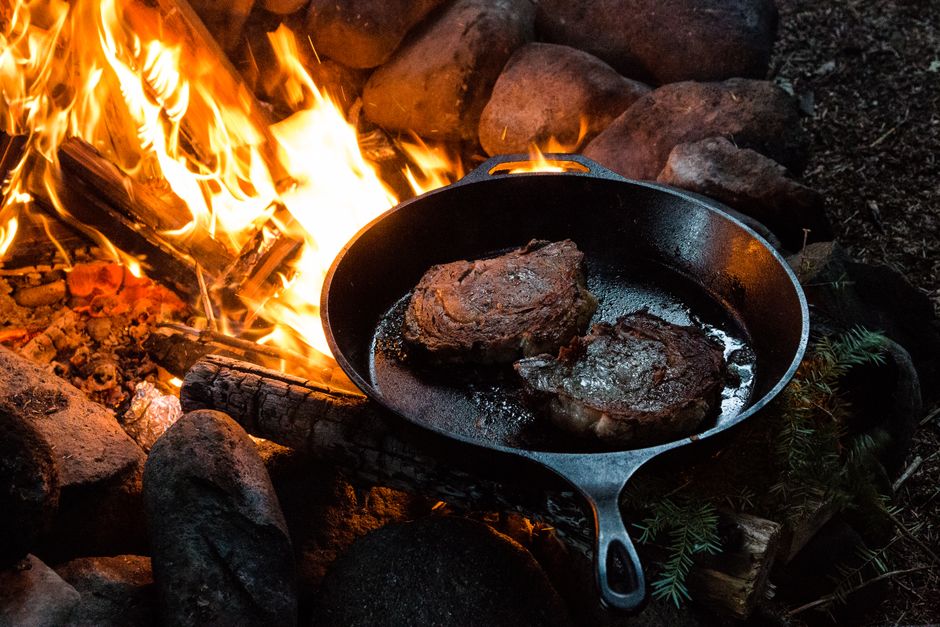
If you have ever stood over a searing cast-iron skillet, mesmerized by the transformation of a pale piece of steak into a deeply bronzed, crusty masterpiece, you have witnessed culinary alchemy at its finest. Many home cooks view browning merely as a way to cook meat through or add a bit of color, but those who truly understand the kitchen view it as the singular most important chemical reaction in gastronomy. This process, known as the Maillard reaction, is the invisible hand that turns simple ingredients into complex, craveable meals. It is the bridge between raw sustenance and the sophisticated, multi-layered flavors that define professional-grade cooking. Without this reaction, our favorite foods—toasted bread, roasted coffee, seared scallops, and caramelized onions—would be flat, one-dimensional, and entirely forgettable.
Mastering the Maillard reaction is not about following rigid recipes; it is about learning to control the variables of heat, moisture, and time. When we expose food to high temperatures, we are essentially encouraging a sophisticated dance of amino acids and reducing sugars. This dance is what creates the hundreds of distinct flavor compounds that hit your palate and signal to your brain that something truly delicious is happening. It is why a slow-cooked stew is improved by browning the meat first, and why a crusty baguette is infinitely more satisfying than a soft, white loaf of supermarket bread. Learning to identify the conditions necessary for this reaction allows you to stop merely "following instructions" and start intuitively building layers of flavor in everything you prepare.
Welcome to "Blame The Chef," where we pull back the curtain on the science that drives the world’s most successful kitchens. In this guide, we are going to deconstruct the physics of searing, the impact of pH levels on browning, and the common pitfalls that keep home cooks from achieving that golden-brown perfection. We will discuss the specific equipment that aids in heat retention, the importance of surface moisture management, and why patience is the most valuable tool in your pantry. By the time you finish this deep dive, you will possess the technical knowledge to turn even the most humble vegetables and proteins into restaurant-quality dishes that demand second helpings. Prepare to look at your stove with an entirely new perspective, because once you understand the science of the crust, you will never go back.
The Chemistry of Cravings
At its core, the Maillard reaction is a form of non-enzymatic browning that occurs when proteins and sugars are subjected to heat. Unlike caramelization, which involves only the pyrolysis of sugars, the Maillard reaction requires both amino acids (from proteins) and reducing sugars. This reaction generally begins to occur rapidly at temperatures above 285°F (140°C) and accelerates as the temperature climbs toward 330°F to 350°F (165°C to 175°C). As these compounds rearrange, they form new molecules that provide aromas and flavors ranging from nutty and earthy to savory and roasted.
Why Heat is Non-Negotiable
You cannot achieve a proper sear if your pan is cold, or worse, if it is overcrowded. When you drop a protein into a pan that hasn't reached the Leidenfrost effect—the point where water droplets dance and evaporate instantly—you aren't searing; you are steaming. Steaming prevents the food from reaching the temperature threshold necessary for the Maillard reaction. The water released by the food must evaporate first, and if the pan isn't hot enough, that moisture lingers, resulting in grey, rubbery meat that lacks the deep, complex flavor profile we are aiming for.
The Influence of Moisture
Moisture is the enemy of the sear. Before a protein touches the heat, it must be dry. This is why professional chefs use paper towels to pat dry every piece of meat, poultry, or fish before it hits the skillet. Even a thin layer of surface moisture acts as a thermal barrier, keeping the temperature at the surface of the food pinned at 212°F (100°C), the boiling point of water. By drying the surface, you allow the heat of the pan to immediately begin breaking down the sugars and amino acids, initiating the browning process without the delay of evaporation.
"The difference between a home-cooked meal and a restaurant dish is often just the difference in the depth of the sear. We are not just cooking to reach an internal temperature; we are cooking to create a crust that defines the dish's identity."
The Role of Equipment and Surface Science
Choosing the right pan is just as important as choosing the right protein. You need a vessel that has high thermal mass, meaning it can hold onto heat even when a cold piece of food is added to it. Thin, aluminum non-stick pans often fail here because they drop in temperature the moment you add a steak, leading to a sluggish sear. A heavy cast-iron skillet, carbon steel pan, or a tri-ply stainless steel pan is far superior because they maintain that intense heat, ensuring the surface temperature of the pan doesn't plummet.
The Thermal Conductivity of Metals
Cast iron is famous for its heat retention, but it has relatively low heat conductivity, meaning it takes a while to heat up but stays hot for a long time. Stainless steel, specifically clad stainless steel with an aluminum or copper core, offers the best of both worlds: rapid heating and excellent retention. Regardless of the material, the key is preheating. Give your pan at least five to ten minutes of low-to-medium heat before cranking it up to your target searing temperature. This ensures the entire pan is at a uniform temperature, preventing cold spots that lead to uneven browning.
The Power of Overcrowding
Overcrowding is the silent killer of the perfect crust. When you pack a pan with too many items, you are drastically increasing the amount of water vapor released in a concentrated space. This vapor cools the pan and creates a humid environment that effectively steams your food. If you are cooking a large amount of vegetables or a batch of chicken thighs, work in smaller batches. Give each piece enough space to breathe, and you will notice that the browning happens significantly faster and with more intensity.
Mastering Searing Techniques
The technique of searing is about precision. It is not enough to just throw food in a hot pan; you must manage the contact points. When searing a steak, for example, ensure the meat is room temperature before cooking. If you throw a cold, refrigerator-temperature steak into a hot pan, the interior will take too long to heat through, and the exterior may overcook or burn before the desired crust is achieved. A room-temperature protein allows for a more controlled, even transition from surface to center.
Oil Selection and Smoke Points
You must use the right fat for the job. Do not attempt to sear with extra virgin olive oil, which has a low smoke point and will turn bitter at the temperatures required for the Maillard reaction. Instead, opt for oils with a high smoke point like grapeseed oil, avocado oil, or clarified butter (ghee). These fats can withstand the intense heat without breaking down, ensuring that the flavor of your food remains clean and the crust remains crisp rather than scorched or tasting of burnt oil.
The Flip Frequency Debate
There is a common misconception that you should only flip your protein once. In reality, modern culinary science suggests that flipping your meat every minute or so can actually help create a more uniform crust and a more evenly cooked interior. Frequent flipping minimizes the risk of one side becoming overcooked while the other is still pale. It allows the heat to be distributed more effectively across the surface, ensuring that the Maillard reaction is occurring at a consistent rate on all sides of the cut.
Controlling pH Levels to Enhance Browning
Did you know that you can actually manipulate the chemistry of your food to speed up the Maillard reaction? The reaction is highly sensitive to pH levels. It occurs significantly faster in an alkaline environment. This is the secret behind the dark, glossy crust of a soft pretzel—they are dipped in a lye solution, which is highly alkaline, to trigger rapid, intense browning. While you don't need to break out the lye in your home kitchen, you can apply this principle to many everyday tasks.
Baking Soda: The Secret Weapon
For certain dishes, a tiny pinch of baking soda can be a game-changer. For example, when caramelizing onions, adding a quarter-teaspoon of baking soda to a large batch will cause them to break down and brown much faster than they would on their own. The alkalinity breaks down the pectin in the onion cell walls, releasing the sugars more quickly and facilitating the Maillard reaction. Use this technique sparingly, however; too much baking soda can impart a metallic or soapy flavor to your food.
The Brine Advantage
Brining also plays a role in the browning process. While a wet brine can introduce surface moisture that hinders searing, a dry brine (applying salt to the surface of a protein and letting it sit in the fridge uncovered) is a powerhouse for crust development. The salt draws moisture out of the surface of the meat and then is reabsorbed, seasoning the protein deeply while simultaneously leaving the surface remarkably dry. This provides the ideal canvas for the Maillard reaction to occur, leading to a crust that is deeper, crunchier, and more flavorful than a non-brined counterpart.
"The chemistry of cooking isn't about being a scientist in a lab coat; it's about understanding how your ingredients react to the environment you create. When you control the pH and the moisture, you control the final quality of the meal."
Vegetables and the Maillard Effect
We often associate the Maillard reaction with meat, but vegetables are some of the most dramatic beneficiaries of this process. Think of the difference between a boiled carrot and a roasted one. The roasted carrot, with its dark, blistered edges, is sweet, nutty, and savory, whereas the boiled version is purely vegetal and one-note. Vegetables are packed with natural sugars, making them perfect candidates for intense, high-heat browning.
Roasting vs. Sautéing
Roasting is one of the most effective ways to encourage the Maillard reaction in vegetables. By using a high oven temperature (425°F or 220°C), you encourage the sugars to brown while the water evaporates from the vegetable. To maximize this, avoid lining your baking sheet with parchment paper if you want the absolute best results—putting the vegetables directly onto the metal surface of the pan encourages better heat transfer, though parchment is a fine compromise for easier cleanup.
The Sugar-Protein Balance
Root vegetables like parsnips, carrots, and sweet potatoes have high sugar content, but they lack the proteins required for a complex Maillard reaction. To bridge this gap, you can coat them in a small amount of fat or even a protein-rich glaze, such as a balsamic reduction or a miso-butter mixture. This introduces the amino acids necessary to trigger that complex, roasted flavor profile that transforms a humble root vegetable into a sophisticated side dish.
Beyond the Sear: Deglazing and Fond
The culmination of your browning efforts is often found at the bottom of the pan. That brown, stuck-on residue is called fond. It is essentially pure, concentrated Maillard reaction flavor. Many home cooks make the mistake of washing their pan immediately after searing, essentially throwing away the most flavorful part of the meal. Instead, learn to leverage the fond to build sauces that will define your cooking.
The Art of Deglazing
Deglazing is the process of adding a liquid—such as wine, stock, vinegar, or even water—to a hot pan to lift the fond from the surface. As the liquid hits the hot metal, it dissolves the browned bits, incorporating them into a rich, flavorful sauce. This sauce is essentially a distillation of everything you just browned. It takes only a few minutes but elevates a simple pan-seared chicken breast into a bistro-style meal that tastes as if it took hours to develop.
Building Complexity with Deglazing
Once you have deglazed, you can mount the sauce with cold butter, add fresh herbs, or incorporate aromatics like shallots and garlic. The fond provides the savory, nutty backbone of the sauce, which the added liquid and fat soften and carry to the palate. If you master the cycle of searing, removing the protein, and deglazing the pan, you will find that you are consistently producing restaurant-quality dinners with minimal extra effort.
Advanced Tips for the Home Chef
As you become more comfortable with browning, you can begin to experiment with more subtle techniques. The Maillard reaction doesn't only happen in a skillet; it happens in the toaster, on the grill, and inside your oven. Learning to recognize the smell of the Maillard reaction—a warm, toasted, savory aroma—is key to knowing when your food is done. When you start to smell that unmistakable scent of "toasted goodness," you know you are on the right track.
Managing Heat Gradients
Advanced chefs often use a two-zone cooking method to manage the Maillard reaction. For thicker cuts of meat, you might sear them first to create a beautiful crust, then finish them in a lower-temperature oven to bring the center to the desired doneness. This prevents the exterior from burning before the middle is cooked through. This approach requires timing and a good meat thermometer, but it provides a level of precision that separates the hobbyist from the pro.
The Importance of Rest
Never forget the importance of resting your meat. When you pull a protein from the intense heat of a sear, the temperature is still rising. Letting it rest allows the juices to redistribute and the proteins to relax, ensuring that every bite is tender and moist. The crust you worked so hard to create will also set slightly as the meat rests, making it more resilient to the blade when you go to carve it.
Conclusion
The Maillard reaction is not just a scientific curiosity; it is the fundamental vocabulary of flavor. Every time you brown a piece of garlic, sear a scallop, or toast a slice of sourdough, you are participating in a chemical tradition that has defined human culinary history. By understanding the interaction between heat, moisture, proteins, and sugars, you stop cooking out of fear and start cooking with intent. You learn that a dark-brown crust is not "burnt," but rather a concentrated burst of savory energy that makes food come alive.
As you move forward in your culinary journey, treat every meal as an opportunity to practice these skills. Focus on the basics: the temperature of your pan, the dryness of your ingredients, and the necessity of space. Do not be afraid of the sound of a hard sear, and do not fear the fond left on the bottom of the skillet. These are the markers of a cook who understands the power of the pan. With these techniques in your arsenal, you will find that the simplest ingredients—a potato, a carrot, a thin slice of beef—are all you need to create something truly extraordinary.
Blame the chef, indeed. But when your guests ask how you managed to make a simple pan-seared pork chop taste like it came from a Michelin-starred kitchen, you can simply smile and point to the science. Browning isn't just a step in a recipe; it is the soul of the dish. Now, head back to your kitchen, get that pan good and hot, and watch the magic happen. The flavors you create are the result of precision, patience, and a deep respect for the chemistry that makes cooking the most rewarding art form of them all. Keep experimenting, keep searing, and never stop looking for that perfect, golden-brown crust. Your table is waiting.


Get the Next Recipe
Weekly recipes, techniques, and gear picks — straight to your inbox.
