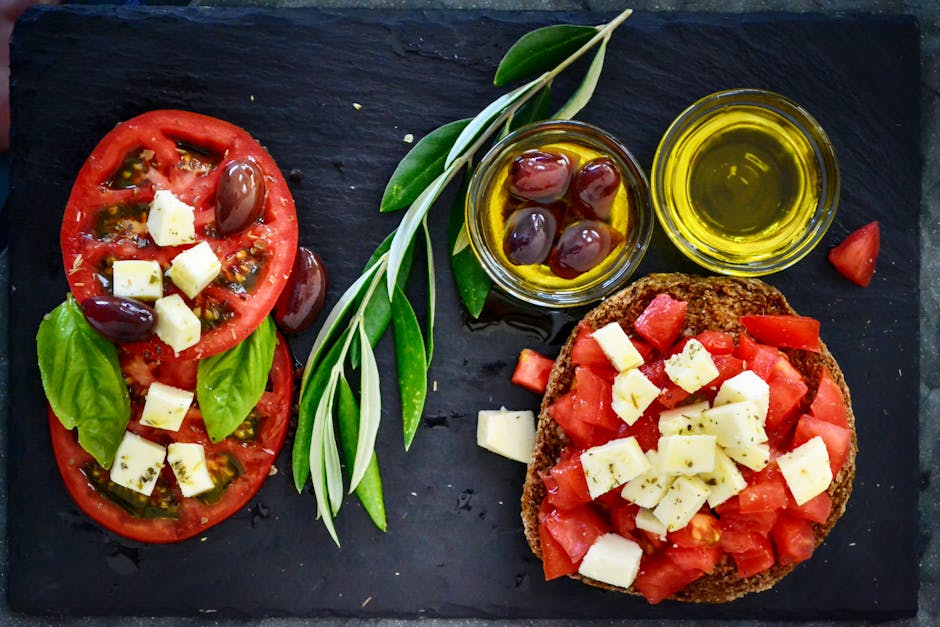
The Mediterranean Diet: Ancient Wisdom for Modern Cooking
The Mediterranean diet is more than just a set of recipes or a fleeting food trend; it's a holistic approach to eating that reflects centuries of cultural wisdom. Originating in countries bordering the Mediterranean Sea, such as Greece, Italy, and Spain, this diet emphasizes fresh, seasonal ingredients and traditional cooking techniques. Renowned for its health benefits, the Mediterranean diet promotes heart health, enhances longevity, and contributes to overall well-being, making it a vibrant lifestyle choice for many.
At its core, the Mediterranean diet prioritizes whole foods like whole grains, legumes, fruits, vegetables, nuts, and healthy fats, particularly olive oil. Unlike many contemporary diets that restrict food groups, this approach embraces a balanced intake, often making the act of cooking and sharing meals a celebratory experience. The foundation of each dish is built on the principle of avor and accessibility, encouraging home cooks to discover local, seasonal ingredients. This way, meals become not just a necessity but a ritual to be savored.
In a time marked by fast food and convenience eating, returning to Mediterranean principles can be revitalizing. Home cooks seeking to bring both health and joy back into the kitchen will find that the recipes and techniques of this ancient cuisine provide a unique blend of flavors and textures. With a focus on quality rather than quantity, the Mediterranean diet encourages individuals to take pride in their meals, fostering a love for culinary creativity and family traditions.
The Foundations of the Mediterranean Diet
Emphasizing Fresh, Whole Ingredients
One of the key tenets of the Mediterranean diet is its steadfast commitment to fresh, whole ingredients. This approach not only enhances the overall flavor of meals but also imbues dishes with nutritional value. When you step into a Mediterranean kitchen, you will often find a plethora of fresh fruits and vegetables, legumes, whole grains, and a variety of herbs and spices. The goal is to keep the food simple yet vibrant.
For example, if you're making a classic Greek salad, the ingredients list is straightforward but fresh: juicy tomatoes, crisp cucumbers, red onions, kalamata olives, and feta cheese, typically dressed with high-quality extra virgin olive oil and freshly squeezed lemon juice. Each component plays a vital role; the acidity of the tomatoes balances the creaminess of the feta, while the olives add that briny depth.
Key Ingredients for the Mediterranean diet often include:
The beauty of incorporating fresh ingredients is that it encourages home cooks to focus on quality over quantity. When using fewer, carefully selected ingredients, their natural flavors can shine through, creating a symphony of tastes that require minimal seasoning beyond a sprinkle of salt or dash of pepper.
The Role of Healthy Fats
Healthy fats are a cornerstone of the Mediterranean diet, with olive oil leading the way. Unlike many modern diets that vilify fats, this ancient culinary tradition embraces them, celebrating the health benefits of monounsaturated fats found in olive oil.
When selecting olive oil, it’s important to choose high-quality, extra virgin varieties, which are less processed and retain the most flavor and nutrients. Here’s a quick guide to understanding the grades of olive oil:
Incorporating olive oil into your cooking goes beyond mere seasoning; it can enhance the flavors of dishes. Whether drizzling it on roasted vegetables, using it in marinades, or as a base for salad dressings, quality olive oil should be a staple in every Mediterranean kitchen.
Incorporating Plant-Based Proteins
While lean meats and fish have their place in the Mediterranean diet, plant-based proteins take center stage in many meals. Legumes such as beans, lentils, and chickpeas are excellent sources of protein and fiber, helping to keep you satisfied while also providing essential nutrients.
When preparing legumes, soaking dried beans overnight can significantly reduce cooking time and enhance digestibility. Here’s a simple guide to cooking lentils:
Not only do legumes contribute to heart health by lowering cholesterol levels, but they are also incredibly versatile. Consider making a Mediterranean Lentil Salad with diced tomatoes, cucumber, red onion, parsley, and an olive oil-lemon dressing — a dish that’s both nutritious and visually appealing.
Exploring Mediterranean Herbs and Spices
The Flavor Dictionary
Herbs and spices form the backbone of Mediterranean cuisine, infusing dishes with layered flavors. They are essential not only for seasoning but also for enhancing the health benefits of meals. Here’s a closer look at some of the quintessential herbs and spices used in Mediterranean cooking:
“Cooking with herbs and spices is akin to painting a masterpiece; the right combination can transform a simple dish into remarkable art.”
Practical Uses of Herbs in Cooking
Incorporating fresh herbs into your culinary repertoire can elevate your dishes while promoting health benefits. Here are some professional tips for using herbs effectively:
The Significance of Seasonality
Seasonality is another integral part of the Mediterranean cooking philosophy. Eating seasonal produce not only enhances the flavor but also ensures that you're consuming ingredients at their peak nutrient density. Seasonal eating is about more than just dining; it's a commitment to sustainability and supporting local farmers.
Here’s how to get started with seasonal cooking:
Cooking Techniques to Master
Roasting and Grilling
Roasting and grilling are two foundational techniques in Mediterranean cuisine that yield robust flavors and healthy meals. Both methods allow the natural sweetness of vegetables and meats to emerge while using minimal added fats.
Roasting requires preheating your oven to around 400°F (200°C). The key steps include:
Grilling, on the other hand, gives a smoky flavor and char to foods. Preheat your grill to a medium-high temperature of about 450°F (232°C). Pro tips include:
Sautéing and Braising
Sautéing is a versatile technique perfect for quick Mediterranean meals. Using a high heat with a small amount of fat, sautéing locks in flavors while achieving greater tenderness.
On the other hand, braising involves cooking food slowly in liquid, imparting deep flavors and tenderizing tougher cuts. Here’s how you do it:
“Mastering cooking techniques is like acquiring the tools of an artist. The more skilled you become with them, the better your culinary canvases will be.”
Traditional Mediterranean Dishes Everyone Should Try
Classic Dishes to Create at Home
Bringing the Mediterranean diet into your kitchen doesn’t have to be complicated. Here are some classic dishes that capture the essence of this beloved culinary tradition:
Perfecting Your Focaccia
No Mediterranean meal is complete without wonderful bread. Focaccia, a flat oven-baked Italian bread, is renowned for its rich texture and flavor. Here's a straightforward method to make your own:
- 4 cups all-purpose flour
- 1 packet (2 1/4 tsp) yeast
- 1 ½ cups warm water
- 1/4 cup olive oil
- 1 tablespoon salt
- Herbs like rosemary for flavor
Healthy Mediterranean Desserts
Satisfy Your Sweet Tooth the Healthy Way
While the Mediterranean diet may prioritize healthy eating, it doesn’t stint on dessert. Traditional Mediterranean sweets often utilize fresh fruits, nuts, and honey, making them both satisfying and health-conscious. Here are some delightful options:
Infusing Desserts with Olive Oil
Using olive oil in dessert preparation may seem unconventional, but it's a trend gaining ground in Mediterranean regions. Olive oil can add depth and richness to cakes and pastries, replacing butter in some recipes. Here’s how:
Embracing the Mediterranean Lifestyle Beyond Food
The Importance of Community and Sharing
Central to the Mediterranean diet is not just what you eat, but how you eat. Meals are often communal affairs, celebrated with family and friends. Embracing this aspect of Mediterranean life can greatly enhance your culinary experience.
Mindful Eating Practices
The Mediterranean way also emphasizes the importance of mindful eating. This practices encourages you to slow down, savor every bite, and appreciate the effort that goes into creating each dish.
Conclusion
The Mediterranean diet represents a timeless approach to healthy eating, rich in earthy flavors, fresh ingredients, and nutritious foods. As home cooks discover the joy of preparation, the beauty of sharing meals, and the communal aspects associated with this diet, they find an enhanced connection not just with their food but with those around them.
Incorporating Mediterranean principles into your kitchen will not only elevate your cooking skills but also align your lifestyle with wellness practices that have been embraced for generations. It’s time to celebrate the enchanting flavors of the Mediterranean and bring a piece of this rich culinary tradition into your home. As you explore various techniques, seasonal ingredients, and authentic dishes, remember: cooking isn’t just about sustenance—it’s about joy, connection, and experience. Embrace this journey, and let the Mediterranean zest fill your kitchen and your soul.
(Word count: 2,127)


Get the Next Recipe
Weekly recipes, techniques, and gear picks — straight to your inbox.
