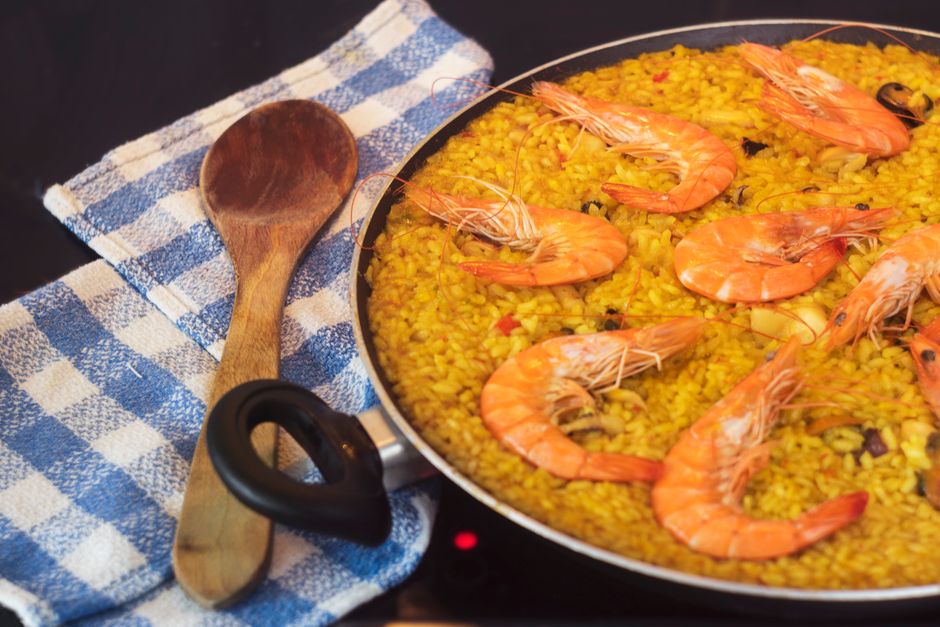
The Mediterranean Kitchen: Essential Ingredients and Their Secrets
The Mediterranean kitchen is a vibrant tapestry of flavors, colors, and aromas, weaving together the distinct culinary traditions of countries that border the Mediterranean Sea. This region, encompassing parts of Europe, Asia, and Africa, boasts an incredible range of ingredients and cooking techniques that have evolved over centuries. The Mediterranean diet is celebrated not only for its deliciousness but also for its health benefits, emphasizing fresh produce, whole grains, lean proteins, and healthy fats. As you step into this world of culinary wonder, you'll discover that every meal tells a story, and every ingredient has a purpose.
Understanding the essentials of the Mediterranean kitchen means appreciating its core ingredients and the unique methods of preparation that elevate everyday cooking into an art form. From the robust flavors of olives and the sweetness of ripe tomatoes to the aromatic spices that can transform a simple dish into a feast, each element plays a crucial role in the overall experience. The Mediterranean diet encourages a communal approach to food, where family and friends gather around the table, sharing both nourishment and companionship.
In this culinary journey, you’ll learn not only about the ingredients that define the Mediterranean kitchen, but also the secrets that seasoned chefs use to maximize flavor and nutrition. Whether you’re an advanced cook or just starting, embracing these essential elements will help you create dishes that are not only satisfying but also delightful to the senses. So, grab your apron, gather your spices, and let's explore the essential ingredients of the Mediterranean kitchen and their secrets.
Olive Oil: The Liquid Gold
Olive oil is the cornerstone of Mediterranean cooking, often referred to as "liquid gold." Its rich flavor and health benefits set it apart from other cooking oils, making it an indispensable ingredient in Mediterranean kitchens across the globe. But not all olive oils are created equal. There are various types, each with its distinct character and best applications in cooking.
Types of Olive Oil
Health Benefits
Olive oil is not just about flavor; it’s packed with health benefits. Rich in monounsaturated fats, it aids in heart health and lowers bad cholesterol levels. Packed with antioxidants, EVOO provides anti-inflammatory properties, aiding in overall health. Here are some noted benefits:
"When it comes to olive oil, select the highest quality you can find; the flavor will elevate your dish far beyond your expectations."
Cooking Tips with Olive Oil
To make the most out of olive oil, consider these tips:
Fresh Herbs: The Heart of Flavor
Herbs are another key component of Mediterranean cooking. Their freshness and vibrant flavors breathe life into any dish, making them essential for a truly authentic Mediterranean experience. From basil and parsley to oregano and rosemary, fresh herbs can elevate the simplest of ingredients.
Common Mediterranean Herbs
Using Fresh Herbs in Cooking
Fresh herbs should be treated with care to maximize their flavors. Here are some tips:
"Fresh herbs are the secret weapon of Mediterranean cuisine—don’t underestimate their power to elevate your dish from ordinary to extraordinary."
Garlic & Onions: The Aromatic Foundation
Garlic and onions are the aromatic foundations of Mediterranean cuisine, providing depth and complexity to dishes. Both ingredients are often used as a base for sauces, marinades, and stews, building layers of flavor and tantalizing aromas.
The Role of Garlic
Garlic can be used in various forms—fresh, roasted, or powdered. Fresh garlic is strong and pungent, while roasted garlic becomes sweet and mellow. Here are some tips for using garlic:
The Power of Onions
Onions add sweetness and depth to your cooking. They can be used in various forms: raw, caramelized, or sautéed. The key to unleashing their full potential lies in understanding how to cook them:
Tomatoes: The Juicy Marvel
Tomatoes are the stars of Mediterranean cuisine, filling plates with their vibrant color and bursting with flavor. They can be used in countless ways, but understanding their types and preparation methods is crucial in getting the most out of this magnificent fruit.
Types of Tomatoes
Cooking with Tomatoes
Here are some key components of working with tomatoes in the Mediterranean kitchen:
- For sauces, use a mix of fresh and canned tomatoes, simmered slowly to develop a rich flavor.
- Consider roasting tomatoes to enhance their sweetness: slice them in half, drizzle with olive oil, and roast at 400°F (200°C) for about 25 minutes.
"The best way to enjoy tomatoes? Simplicity—allow their flavors to shine through with minimal seasoning."
Spices: The Flavor Enhancers
Mediterranean cuisine isn't just about fresh ingredients; spices play a significant role in enhancing flavors and creating harmony in dishes. The interplay of various spices can transport you to the warm coasts of Greece, the bustling markets of Morocco, or the fields of Provence.
Key Spices in Mediterranean Cooking
Blending Flavors
Creating your own spice blends can enhance your Mediterranean cooking. Here are a few staples to try:
"Embrace the spices of the Mediterranean—they're not just seasonings; they're the key to unlocking a world of flavor."
Grains & Legumes: Sustenance and Fiber
A staple of the Mediterranean diet, grains and legumes provide essential nutrients, fiber, and protein. They are the backbone of many dishes, serving as hearty bases for vibrant vegetable and protein-rich toppings.
Key Grains
Legumes: Protein Prowess
Legumes are not just nutritious; they are also incredibly versatile. Commonly used in dishes like hummus and stews, a variety of legumes are cherished in Mediterranean cooking.
Conclusion
The Mediterranean kitchen is a celebration of flavor, health, and community. By understanding the essentials of this culinary tradition—from olive oil and fresh herbs to the vibrant colors of tomatoes and the warmth of spices—you can elevate your home cooking and bring the Mediterranean spirit to your table.
Experiment with these ingredients and techniques, and don’t hesitate to embrace the communal aspect of Mediterranean dining. Cooking should be a joyous endeavor, bringing people together, sharing not just food but also stories, experiences, and affection. As you explore your culinary journey, remember that the secret to great cooking lies not just in the ingredients, but in the love and care you put into each dish.
When you blame the chef for a dish not meeting your expectations, remember that you, too, can be a chef, armed with knowledge and creativity. Embrace the Mediterranean way and transform your culinary skills as you savor each moment spent in the kitchen. Happy cooking!
Get the Next Recipe
Weekly recipes, techniques, and gear picks — straight to your inbox.
