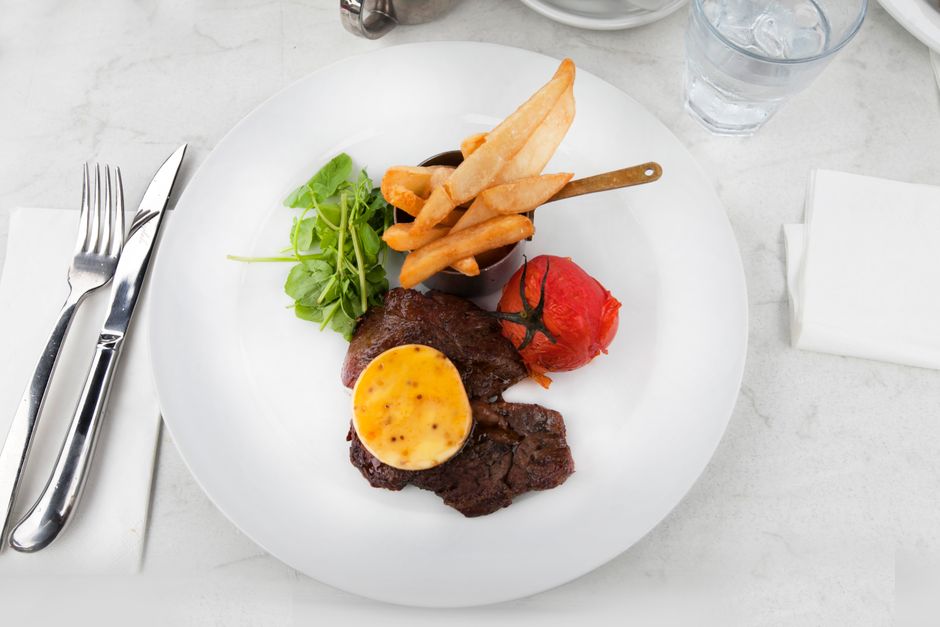
The Perfect Beurre Blanc: A Classic French Mother Sauce Demystified
When it comes to the world of culinary arts, sauces often serve as the unsung heroes, enhancing dishes and adding layers of flavor that can elevate even the simplest of meals. Among these sauces, beurre blanc stands out as a hallmark of French cuisine, revered for its rich, buttery flavor and silky texture. Born from humble ingredients—primarily butter, white wine, and shallots—this sauce embodies both sophistication and simplicity, making it an essential technique in any aspiring chef's repertoire. Whether paired with poached fish, drizzled over vegetables, or served alongside poultry, beurre blanc promises to transform ordinary dishes into extraordinary experiences.
Despite its refined nature, the creation of beurre blanc is often met with apprehension, as the fear of breaking the sauce—or separating the fats—can deter many home cooks from even attempting it. However, mastering this classic French mother sauce is not as complex as it may seem. With a little bit of patience, mindfulness, and the understanding of a few key techniques, you can create a luscious beurre blanc that will impress even the most discerning palates. In this blog post, we will demystify this elegant sauce, breaking it down into manageable components so that you can incorporate it into your cooking repertoire with newfound confidence.
As we dive into the details of beurre blanc, we'll explore its history, the essential ingredients, and step-by-step instructions that will guide you to perfecting this sauce. Additionally, we will provide troubleshooting tips and variations, ensuring that you have the knowledge to adapt and create your own signature versions. So, grab your apron and let’s embark on this flavorful journey into the realm of beurre blanc, where the art of sauce-making comes alive in your kitchen.
Understanding the Origins of Beurre Blanc
To appreciate beurre blanc fully, we must first delve into its roots. The name "beurre blanc" translates literally to "white butter," a reference to the sauce’s main component. This sauce hails from the Nantes region of France, where it was first crafted in the early 20th century. It was created by chef Clémence Lefeuvre, who worked at the restaurant "La Pomme de Pain." This simple yet innovative sauce quickly gained popularity and became an essential part of French culinary tradition.
Historically, beurre blanc is celebrated not only for its flavor but also for its ability to showcase seasonal ingredients. Chefs began incorporating beurre blanc into their repertoire, pairing it with a variety of dishes, especially those featuring fresh seafood. The sauce's creamy texture and rich taste complemented the natural flavors of fish elegantly, elevating the overall dining experience. This adaptability is a key characteristic of beurre blanc; it can be used with a diverse array of proteins and vegetables, making it a versatile addition to any chef's toolkit.
Through the decades, beurre blanc has been adapted and interpreted by countless chefs, each adding their twist to this classic sauce. While the traditional recipe remains a staple, modern culinary creativity has led to exciting variations that incorporate additional ingredients like herbs, spices, or even citrus, allowing chefs to tailor the sauce to specific dishes. Understanding its background not only deepens your appreciation for beurre blanc but also inspires you to experiment within this classic framework.
Essential Ingredients for an Authentic Beurre Blanc
The beauty of beurre blanc lies in its simplicity. The classic ingredients are few and straightforward, but the quality of each component significantly affects the final outcome. Here’s what you’ll need:
Let’s break this down further:
The Role of Each Ingredient
Each ingredient in beurre blanc plays a pivotal role:
Sourcing Quality Ingredients
For home cooks seeking to produce a truly authentic beurre blanc, sourcing quality ingredients is paramount. Here are a few tips for selecting the best components:
By using just a few high-quality ingredients, you set the stage for a beurre blanc that exceeds expectations and enhances your culinary creations.
Step-by-Step Guide to Making Beurre Blanc
Now that we’ve covered the fundamentals, let’s walk through the steps for making beurre blanc. This process, while seemingly intricate, can be tackled with finesse and focus. With practice, you will find that creating this sauce becomes second nature.
Step 1: Prepare Your Workstation
Before beginning, ensure your workspace is organized. Gather all your ingredients, measuring tools, and utensils, as well as:
Step 2: Cook the Aromatics
Step 3: Emulsify the Sauce
- Tip: To maintain the emulsion, it’s crucial to work off the heat or at a very low temperature. If the sauce gets too hot, the butter can separate.
Step 4: Strain and Serve
“Patience in the butter emulsification process is key. Rushing can lead to a broken sauce, but with practice, it becomes a fluid dance of flavors.”
Common Mistakes and How to Avoid Them
Making beurre blanc can be straightforward, but common pitfalls can lead to disappointing results. Here are the most frequent mistakes and tips on how to evade them:
Mistake 1: Overheating the Sauce
Mistake 2: Adding All Butter at Once
Mistake 3: Improper Seasoning
Mistake 4: Not Reducing the Wine Enough
“In cooking, as in life, attention to detail opens the door to greatness.”
Creative Variations of Beurre Blanc
Now that you have mastered the classic beurre blanc, here’s an opportunity to explore some delightful variations that can suit different dishes and personal tastes. These adaptations not only make the sauce more diverse but also showcase your creativity as a cook.
Citrus Beurre Blanc
This citrusy version pairs beautifully with seafood dishes, especially grilled fish or scallops.
Herb-Infused Beurre Blanc
This version is fantastic with poached salmon or roasted chicken.
Spicy Beurre Blanc
This spicy twist complements dishes like shrimp tacos or grilled meats.
Mushroom Beurre Blanc
Adding variations to your beurre blanc not only lets you experiment in the kitchen but also helps create unique dining experiences that reflect your personal cooking style.
Pairing Beurre Blanc with Dishes
Understanding how to pair beurre blanc with various dishes can take your culinary creations to the next level. Here are some classic and innovative proteins and vegetables that beautifully match this rich sauce.
Seafood
Poultry
Vegetables
Pasta
By pairing beurre blanc wisely, you can create a well-rounded meal that excites the palate and showcases the sauce's versatility.
Final Thoughts
In mastering beurre blanc, home cooks gain the confidence to create a sophisticated sauce that can elevate any dish. With its simple ingredients and straightforward technique, beurre blanc serves as an excellent entry point into the broader world of sauce-making. Whether you stick to the classic recipe or experiment with variations, the skills you develop will translate to countless other culinary applications.
The elegance of beurre blanc is not just in its flavor profile but also in how it transforms simple dishes into gourmet experiences. It’s an investment in your culinary journey, allowing you to showcase your skills and creativity while bringing joy to those you cook for.
So, the next time you're in the kitchen, don't hesitate. Gather your ingredients, don your apron, and whip up a batch of beurre blanc. Explore its variations, experiment with pairings, and most importantly, enjoy the process. After all, cooking is as much about the journey as it is about the destination.
With practice, patience, and a touch of passion, you will find that the art of making beurre blanc—and sauces in general—is a rewarding endeavor that will leave a lasting imprint on your culinary skills. Bon appétit!
Word count: 2155

Get the Next Recipe
Weekly recipes, techniques, and gear picks — straight to your inbox.
