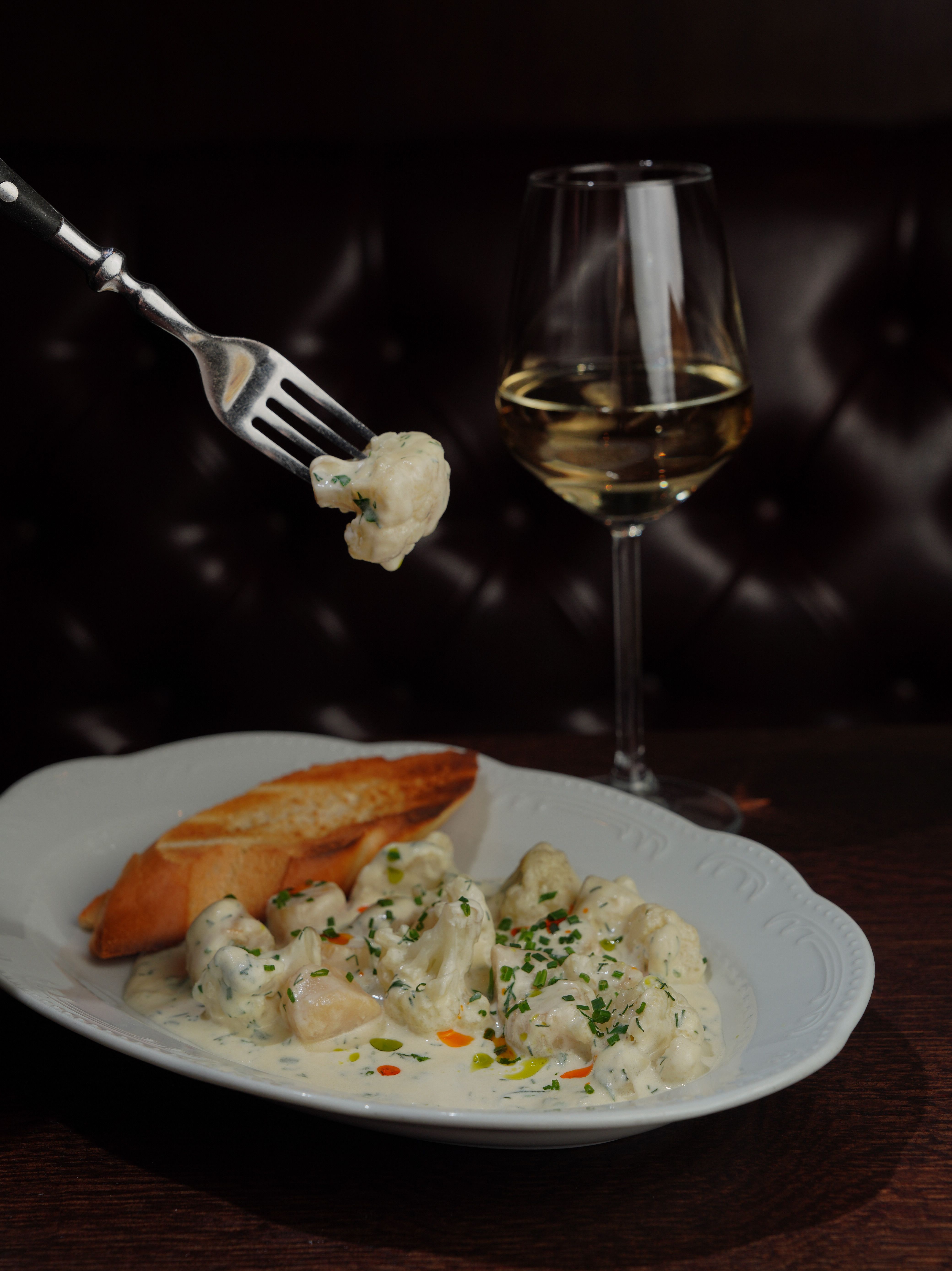
The Perfect Beurre Blanc: Emulsion Science and Classic French Technique
In the world of culinary arts, few sauces hold as much reverence as beurre blanc, a classic French butter sauce renowned for its decadently rich flavor and silky texture. Originating from the Loire Valley, beurre blanc translates to "white butter" and is distinguished by its beautiful, creamy consistency and subtle acidity, making it the perfect complement for a variety of dishes, particularly fish and vegetables. However, the true art of this sauce lies not only in its exquisite taste but also in the chemistry behind its creation—an intricate emulsion process that blends fat with liquid to achieve a harmonious balance.
Understanding the science of emulsions is key to mastering beurre blanc. At its core, an emulsion is a mixture of two immiscible liquids—oil and water-based liquids—achieved through vigorous mixing. In the case of beurre blanc, melted butter acts as the oil phase, while the reduction of wine and vinegar provides the water phase. The challenge lies in maintaining stability in the emulsion to prevent separation, a common hurdle for many home cooks. Fear not! With the right techniques, equipment, and a touch of patience, you too can create a velvety beurre blanc that would make any chef proud.
This post aims to transform your culinary repertoire by guiding you through the process of making the perfect beurre blanc. From selecting quality ingredients to mastering the delicate emulsification process, we will explore every aspect of this sauce, providing tips and tricks to help you achieve the results you desire. Whether you’re a novice eager to expand your culinary skills or an experienced cook looking to refine your technique, you’ll find valuable insights that will elevate your cooking game and impress your dinner guests.
Understanding Emulsions
To appreciate the art of making beurre blanc, it's essential to begin with a thorough understanding of the emulsion itself and why it can sometimes be a challenging technique. When creating an emulsion, you're essentially blending two liquids that naturally resist combining. This is typically achieved through mechanical means—shaking, whisking, or blending—allowing small droplets of one liquid to be suspended in another.
The Science Behind Emulsions
Emulsions fall broadly into two categories: oil-in-water and water-in-oil. Beurre blanc is an example of an oil-in-water emulsion where tiny droplets of melted butter (the oil phase) are dispersed in a water-based liquid composed mainly of white wine and vinegar. The process relies on the presence of emulsifiers, which are compounds that help stabilize the mixture by reducing the surface tension between the two liquids.
One of the keys to achieving a stable emulsion is temperature. The butter should be melted but not overly hot when it’s introduced into the wine reduction; too high a temperature can cause the emulsion to break. Likewise, the liquid phase needs to be warm too, which is why making this sauce immediately after preparing your wine reduction is essential.
Types of Emulsifiers
In the context of beurre blanc, the primary emulsifier comes from the butter itself, which contains both fat and water. Furthermore, the presence of proteins from the butter can help stabilize the emulsion. However, for a smoother finish, some chefs like to add an additional emulsifier, such as an egg yolk or a small amount of heavy cream, which can improve stability and texture as well.
Understanding these principles will not only improve your beurre blanc but also enhance your general cooking skills, allowing you to tackle more complex sauces and dishes with confidence.
Ingredients for the Perfect Beurre Blanc
Creating a perfect beurre blanc starts with using high-quality ingredients. Here’s a breakdown of what you'll need and why each component is crucial for achieving the ideal flavor profile.
Essential Ingredients
Optional Ingredients
When assembling your ingredients, remember that the quality of each component matters. Since beurre blanc relies heavily on the butter's flavor, don’t hesitate to splurge on a genuinely good brand.
Preparing the Wine Reduction
The first step to achieving a restaurant-quality beurre blanc is making the wine reduction. This step is critical and will lay the foundation for achieving the saucy consistency you desire.
Ingredients and Equipment Needed
- ½ cup of dry white wine
- 2 tablespoons of white wine vinegar
- 1 shallot, finely chopped
- Salt and pepper to taste
- A medium saucepan
- A whisk or wooden spoon
- A fine mesh strainer (optional)
Step-by-Step Instructions
By focusing on achieving the right level of reduction, you set yourself up for success in the next phase of your beurre blanc. Patience here is essential, as rushing can lead to underwhelming results.
Emulsifying the Butter
Once your wine reduction is complete, it’s time to emulsify the butter. This is the moment you’ve been waiting for, and it is crucial for achieving that velvety texture that is characteristic of a perfect beurre blanc.
Directions for Emulsifying
Monitoring Temperature
Throughout the emulsification process, it’s crucial to monitor your heat. The sauce should be warm but not boiling—overheating can cause the butter to separate and ruin your hard work. Ideally, keep the temperature around 130°F to 150°F. Use an instant-read thermometer if you have one.
Enhancing Your Beurre Blanc
Now that you have mastered the basic version of beurre blanc, consider ways to enhance and customize this sauce according to your preferences and the flavors of your main dish.
Flavor Variations
Pairing Suggestions
The beauty of beurre blanc lies in its versatility, allowing it to pair wonderfully with a variety of dishes:
Troubleshooting Your Beurre Blanc
Even with the best instructions, issues can arise in the kitchen. Here are some common challenges when making beurre blanc and quick fixes.
Issues and Solutions
"Even the best chefs encounter challenges. The importance of patience and adaptability in the kitchen cannot be overstated."
Serving Your Beurre Blanc
The way you serve your beurre blanc can elevate your dish even further. Here are some classic and creative serving suggestions to make your meal special.
Presentation Tips
Pairing with Wines
A perfect meal experience isn’t just about the food; the right wine choice can enhance your dish tremendously. For a classic pairing with beurre blanc sauce:
Conclusion
Mastering the art of beurre blanc transcends the simple act of cooking; it invites you into the world of culinary science and classic French technique. As you create this rich, buttery sauce, you are participating in a time-honored tradition that has delighted palates for centuries. The beauty of beurre blanc lies not only in its taste but also in the skills and understanding it fosters—skills that will undoubtedly elevate your culinary arsenal for years to come.
With practice, patience, and the right techniques, you’ll be able to replicate this exquisite sauce in your home kitchen effortlessly. Whether draping it over a perfectly seared fish fillet or spooning it onto vibrant seasonal vegetables, beurre blanc offers limitless opportunities to explore flavors and textures, impressing both yourself and anyone fortunate enough to dine alongside you.
So roll up your sleeves, gather your ingredients, and embark on your beurre blanc journey. The perfect homemade beurre blanc awaits, and it's time for you to shine!

Get the Next Recipe
Weekly recipes, techniques, and gear picks — straight to your inbox.
