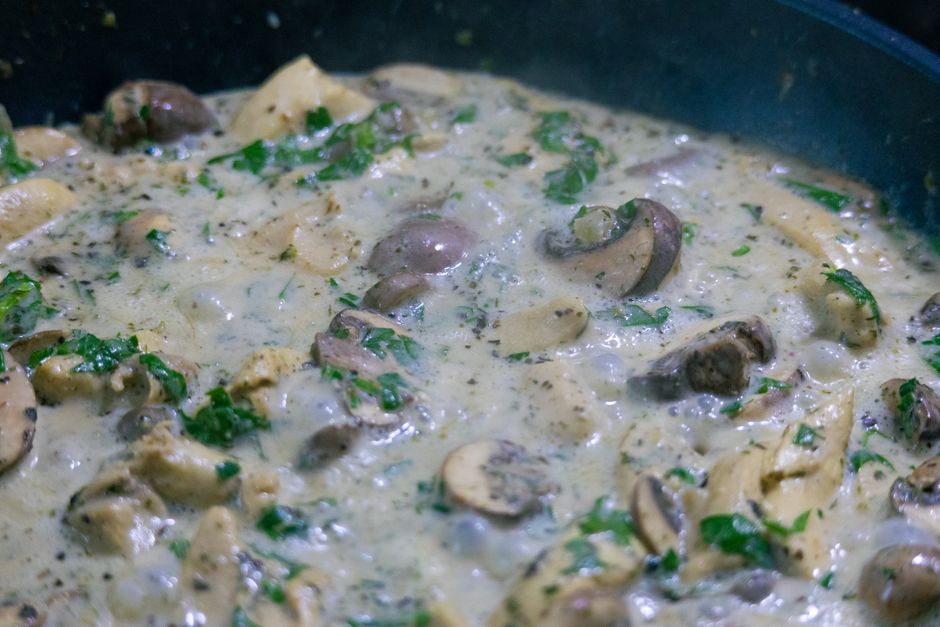
The Perfect Pan Sauce Every Time: A Technique Worth Mastering
There is a profound moment in every home cook’s journey when the realization strikes that the flavor gap between their kitchen and a high-end bistro isn't found in expensive equipment or exotic ingredients. Instead, that gap is bridged by the humble, transformative art of the pan sauce. Many beginners view the pan as a dirty vessel that needs immediate scrubbing, but for the professional, that scorched landscape of fond is a goldmine waiting to be liberated. A pan sauce is the ultimate culmination of a meal, taking the essence of your protein and turning it into a silky, complex emulsion that ties your entire plate together with elegant simplicity.
Mastering this technique requires a shift in perspective, moving away from rigid recipes toward an intuitive understanding of chemistry and heat control. When you sear a piece of meat, those brown bits clinging to the bottom of the pan represent the Maillard reaction, which is the fundamental building block of savory flavor. By learning to dissolve these solids and incorporate them into a liquid medium, you are essentially distilling the soul of your protein. This skill is arguably the most valuable tool in a home cook’s arsenal because it works across every season, every budget, and every dietary preference imaginable.
As we dive into this comprehensive guide, we will peel back the layers of complexity that often intimidate home cooks. We will discuss the precise chemistry behind the emulsion, the crucial role of reduction, and why the "finish" is the difference between a mediocre meal and a restaurant-quality dining experience. You will find that with just five minutes of extra effort after your protein is pulled from the heat, you can elevate a simple dinner into a masterclass of culinary technique. Put away your bottled sauces and heavy gravies; it is time to embrace the liquid gold that has been hiding in your cookware all along.
The Anatomy of the Fond
The foundation of any great pan sauce begins long before you reach for a bottle of wine or a stick of butter. It starts with the sear. To build the necessary base, you need a pan that provides consistent heat distribution, preferably stainless steel or cast iron, as these surfaces encourage the development of the crust. When you lay a piece of protein—whether it’s a dry-aged ribeye, a thick pork chop, or even a meaty portobello mushroom—into the hot fat, you are initiating a series of chemical changes.
Understanding the Maillard Reaction
The Maillard reaction is a chemical process between amino acids and reducing sugars that gives browned food its distinctive flavor. When you sear your protein, you want that deep, mahogany color. If the pan is overcrowded, the meat will steam in its own juices, and you will never achieve that vital layer of browned bits. Aim for high heat and ensure your protein is patted dry with paper towels; moisture is the enemy of a proper sear and will prevent the formation of the fond that we need for our sauce.
The fond is not a mistake or a sign of an unclean pan; it is the concentrated history of your cooking process. Treat it with the respect it deserves, because that is where the magic lives.
Managing Heat and Fat
Once the protein is removed from the pan to rest, you must assess the remaining fat. If there is an excessive amount of rendered fat—such as from a fatty bacon or a high-marbling steak—spoon out all but a tablespoon. If the pan is dry, you may need to add a touch of butter or oil. This remaining fat is the vehicle that will carry your aromatics and eventually emulsify your sauce. Keep the flame at a medium-low heat; you want to wake up the flavor, not burn the delicate components you are about to introduce.
The Art of Deglazing
Deglazing is the act of adding a cold or room-temperature liquid to a hot pan to lift the browned bits from the surface. This is a dramatic moment in the kitchen, often accompanied by a loud hiss and a plume of aromatic steam. The liquid you choose acts as the primary flavor profile for your sauce, so it is important to be deliberate in your selection. Whether you choose a dry white wine, a robust red, or a splash of quality stock, your goal is to marry the liquid with the fond to create a flavorful base.
Choosing Your Deglazing Liquid
For poultry and delicate white fish, a dry white wine like Sauvignon Blanc or a Pinot Grigio works wonders by providing a bright, acidic counterpoint to the fat. For red meats like lamb or beef, a full-bodied red wine—Cabernet or Merlot—adds depth and a tannic structure that cuts through the richness of the meat. If you prefer to avoid alcohol, high-quality chicken or beef bone broth serves as an excellent alternative, providing plenty of gelatin to help the sauce thicken naturally as it reduces.
The Technique of Scraping
Use a wooden spoon or a high-heat-resistant silicone spatula to gently scrape the bottom of the pan while the liquid bubbles. You are looking to dissolve every last speck of browned flavor into the liquid. If the liquid evaporates too quickly, add a tiny bit more until the bottom of the pan is pristine. You will see the sauce begin to thicken slightly as the liquid absorbs the roasted flavor of the pan solids, turning into a deep, glossy syrup that forms the skeleton of your finished dish.
Building Complexity with Aromatics
While the fond and the liquid provide the base, the aromatics give your sauce its personality. This is the stage where you introduce layers of flavor that make the sauce taste like it took hours to develop rather than mere minutes. The key here is to keep the aromatics finely diced or minced so they can cook through quickly without scorching. Shallots, garlic, and fresh herbs are the classic triumvirate, but do not be afraid to experiment with peppercorns, capers, or even a dash of mustard.
The Power of Shallots and Garlic
Shallots are the secret weapon of the professional chef because they offer a more subtle, delicate sweetness than yellow onions. When sweated in the residual fat of the pan, they provide a mellow sweetness that balances the acidity of your wine or vinegar. Garlic should be added last, as it burns quickly and can turn bitter. A good rule of thumb is to sweat your shallots for about one minute before adding your minced garlic for another thirty seconds of gentle heat.
Integrating Fresh Herbs
Adding woody herbs like thyme or rosemary during the reduction phase allows their essential oils to infuse the sauce, creating an earthy undertone. Save delicate, leafy herbs like parsley, tarragon, or chives for the very end, tossing them in just before serving to maintain their vibrant color and fresh, peppery aroma. By following this sequence, you ensure that every ingredient is working at its peak potential rather than being muted by prolonged exposure to high heat.
"A well-made pan sauce should never be heavy or gloopy; it should be a thin, intense nectar that coats the back of a spoon and highlights the main protein rather than drowning it."
The Reduction Process
Reduction is a scientific necessity. By allowing your sauce to bubble gently, you are evaporating the water content, which concentrates the flavors and creates a more intense profile. If you have ever felt that your pan sauce lacked "punch," it is usually because you didn't reduce it enough. Patience is vital here; if you turn the heat up too high, the sauce may break or the edges may scorch, ruining the balance you have worked so hard to achieve.
Finding the Right Consistency
You want your sauce to reach a point where it is thick enough to coat a spoon—what chefs call nappe. When you dip a spoon into the sauce and run your finger through the coating on the back of the spoon, the trail should remain clean and distinct. If the sauce is too thin, keep simmering; if it becomes too thick or salty, whisk in a tablespoon of cold stock or water to bring it back to the proper viscosity.
Balancing Acid and Salt
Always taste your sauce before the final step. Does it need a tiny squeeze of lemon juice to cut the fat? Perhaps a touch of honey or maple syrup to round out the acidity of the wine? Seasoning is an iterative process. Keep a small bowl of kosher salt nearby, but remember that the saltiness will intensify as the liquid evaporates, so always wait until the final reduction stage to make your final adjustments.
Mounting with Butter (Monter au Beurre)
The final, most critical technique for a restaurant-quality finish is known in professional kitchens as monter au beurre, or mounting with butter. This adds a luxurious sheen, a velvety mouthfeel, and a richness that makes the sauce feel complete. This step must be performed off the heat. If your sauce is boiling when you add the cold butter, the emulsion will break, resulting in a greasy, separated mess rather than a beautiful, glossy sauce.
The Technique of Emulsification
Start with one or two tablespoons of unsalted, cold butter, cut into small cubes. Remove your pan from the burner entirely. Whisk in the butter cubes one at a time, allowing each to melt completely before adding the next. The goal is to emulsify the fat into the liquid base. This process creates a stable suspension that gives the sauce its signature glossy appearance and luxurious texture. You will see the sauce transform from a dark, thin liquid into a creamy, opaque, and highly reflective glaze.
Why Cold Butter Matters
The temperature difference between the hot, reduced pan sauce and the cold butter is what forces the fat to emulsify properly. If the butter is softened or warm, it will melt too quickly and fail to bind with the liquid components. Always keep your butter in the refrigerator until the very last second. This technique is essentially creating a beurre blanc hybrid, and it is the single most important step in elevating a home-cooked meal to a professional standard.
Troubleshooting Common Issues
Even the best chefs run into issues, but with a pan sauce, the fixes are usually straightforward if you know what to look for. The most common problems involve the sauce breaking, becoming too salty, or failing to thicken properly. Remember that the pan sauce is a forgiving medium. If something goes wrong, you can almost always rescue the situation with a little bit of liquid or a little more butter.
When the Sauce Breaks
If your sauce looks oily or separated after adding the butter, it has "broken." This happens when the emulsion fails. To fix it, remove the pan from the heat and whisk in a teaspoon of cold liquid—stock, water, or even a drop of cream—while whisking vigorously. The agitation often brings the emulsion back together, making it creamy once again. Do not panic; the flavor is still there, and the texture can be retrieved.
The Problem of Excess Salt
Because you are reducing your liquid, the salt concentration increases dramatically. If you have salted your protein heavily, your sauce might end up being too aggressive. Avoid adding salt until the very last moment of the process. If it is already too salty, you can attempt to dilute it with a splash of unsalted stock or, in some cases, a small amount of heavy cream to neutralize the saltiness with fat.
Texture and Thickness
If your sauce is not thickening, it may be because you didn't have enough gelatin in your stock or you didn't reduce it enough. A simple trick is to keep a small amount of cornstarch slurry (one part cornstarch to two parts cold water) on hand, but use it sparingly. A professional pan sauce should be thickened by reduction and fat, not by starch. Only use a thickening agent if you are in a desperate rush and need to reach the desired consistency immediately.
Expanding Your Sauce Horizons
Once you have mastered the basic technique, you can branch out into endless flavor combinations. The beauty of the pan sauce is that it adapts to whatever you are cooking. Whether you are using a pan-seared duck breast, a simple fillet of salmon, or roasted root vegetables, the chemistry remains the same. You are essentially building a bespoke flavor profile that perfectly complements the specific dish you are serving at that moment.
Creative Ingredient Pairings
Consider using fruit-based liquids like balsamic vinegar or cider to pair with pork, or using soy sauce, ginger, and garlic to create a beautiful pan sauce for glazed salmon. The addition of fresh herbs like tarragon or chives can completely change the character of the sauce. Think about the profile of your side dishes, too. If you are serving a steak with mashed potatoes, a heavy, rich red wine reduction is perfect. If you are serving a salad or light vegetable, a citrus-heavy, light white wine reduction is the better choice.
"A great chef is defined not by how they cook the protein, but by how they handle the leftovers in the pan."
Practice and Consistency
The only way to truly master this technique is to practice it until it becomes second nature. Don't worry about being perfect the first time. The journey of the pan sauce is one of trial and error, of discovering which aromatics pair best with which proteins, and of learning how to manage heat in your specific kitchen setup. Start by making a simple butter-thyme pan sauce for chicken breast, and then expand from there. Soon enough, you will find yourself reaching for the wine bottle as soon as the chicken comes out of the pan, almost without thinking about it.
Final Thoughts
The pan sauce is the ultimate indicator of a cook who understands the rhythm of the kitchen. It signifies that you aren't just following a list of instructions, but that you are actively engaging with the ingredients to build flavor from the bottom up. By embracing the fond, respecting the reduction, and mastering the emulsion, you are performing a fundamental act of culinary alchemy. You are taking the byproducts of heat and transforming them into the most flavorful part of your meal.
When you present a plate with a perfectly drizzled, glossy, and deeply flavored sauce, you aren't just feeding your family or guests; you are telling a story about your process. It is a signal of care, a testament to your attention to detail, and a hallmark of your growth as a home cook. Never again should the pan be treated as a chore to be cleaned; it is the most valuable tool you own. The next time you sear a piece of meat, leave the bits, keep your wine ready, and take that extra minute to finish your work of art.
As you continue to cook, I hope you find joy in the process. Cooking should be an exploratory endeavor, not a stressful obligation. The pan sauce is, in many ways, the perfect metaphor for this philosophy. It is fast, it is rewarding, and it allows for endless creativity. If you take the time to practice these steps, I promise that your dinner guests—and your own palate—will notice the difference immediately. Keep your pans hot, your butter cold, and your intuition sharp. Happy cooking, and remember: if the sauce turns out perfect, it's definitely the chef's skill; if it doesn't, well, that's just a reason to keep cooking and practicing until the next meal. The kitchen is yours to conquer, one pan sauce at a time.
Remember the cardinal rules: dry your protein for the best sear, scrape every bit of that flavorful fond, watch your heat during the reduction to avoid bitterness, and always mount with cold butter off the flame to achieve that professional, velvety shine. These steps, while simple, provide the backbone for thousands of variations. You have the tools, you have the knowledge, and now you have the technique. Go forth and elevate your cooking. You will quickly find that the "Perfect Pan Sauce" isn't a single recipe, but a versatile language that you are now fluent in. The table is set, the sauce is ready, and your culinary journey has reached a new and exciting height. There is no limit to what you can create when you start thinking like a chef, looking past the main course and toward the magic lingering at the bottom of the pan. Enjoy every single bite of your hard-earned success.
The mastery of this technique truly separates the casual cook from the dedicated one. It requires patience, a bit of foresight, and the willingness to let your senses guide you. Listen for the sound of the liquid hitting the hot pan, smell the caramelizing aromatics, and observe the way the sauce clings to the spoon. These are the sensory cues that will turn you into an expert in your own kitchen. Over time, you will find that you don't even need a recipe for a pan sauce—you will simply look at the pan, assess the flavors, and know exactly what it needs to become extraordinary. That level of confidence is the ultimate goal, and it is entirely within your reach. Keep pushing, keep tasting, and above all, keep blaming the chef when things are simply too delicious to handle. Your kitchen is a space for evolution, and today, you have evolved into a sauce master. Welcome to the club.
Finally, remember that the ingredients you start with matter. Use the same quality of wine you would drink, use high-quality butter, and always choose fresh aromatics when available. Your pan sauce can only be as good as the components you put into it. When you combine those quality ingredients with the techniques we have discussed—searing, deglazing, reducing, and mounting—you create a result that is greater than the sum of its parts. It is a beautiful thing to witness, and even better to eat. Continue to experiment with different liquids, different fats, and different herb combinations. Perhaps a splash of balsamic with beef, or a dash of heavy cream with mustard for chicken. The variations are endless, and they are all waiting for you to discover them. You are the architect of your own flavor profile, and every pan sauce is a new blueprint for excellence.
As you move forward, let your curiosity be your guide. If you find a combination that you particularly enjoy, make it your own. Tweak the ratios until they match your preference. That is how signature dishes are born. And when you serve that perfect plate to someone you care about, take a moment to appreciate the effort that went into it. You have transformed a simple piece of protein into a centerpiece of a meal, all thanks to a few minutes of focused work at the stove. It is a quiet, powerful transformation, and it is the heart of what we do here at Blame The Chef. Never stop learning, never stop tasting, and always keep that butter cold. Your kitchen journey is just beginning, and I am honored to have been part of this step in your growth. Here’s to many more perfect pan sauces in your future.
To wrap up this extensive guide, let us revisit the core tenets one last time: high-heat searing for the fond, deliberate deglazing to capture flavor, slow and steady reduction for concentration, and the final touch of cold butter for that impeccable finish. If you adhere to these steps, you will never find yourself serving a dry or lackluster protein again. The sauce provides the moisture, the flavor, and the elegance that every dish deserves. It is the bridge between the raw potential of ingredients and the polished perfection of a final, plated dish. Thank you for reading, for learning, and for bringing these techniques into your home. The world of culinary excellence is broad and deep, and you are now equipped with one of its most essential tools. Keep practicing, keep refining, and keep sharing your creations with those you love. After all, the best part of cooking isn't just the technique—it's the joy of sharing the results. Stay hungry, stay creative, and keep that pan hot. Until next time, keep blaming the chef for every delicious bite you create.
As a final note, keep in mind that the best pan sauces often happen when you are improvising. Don't be afraid to veer off the path if your palate suggests a different direction. Maybe a dash of hot sauce, a pinch of smoked paprika, or a squeeze of lime juice is exactly what your sauce needs to sing. Trust your instincts. Cooking is an art form, and you are the artist. The pan is your canvas, and the sauce is your paint. There is no right or wrong, only delicious and not-quite-yet-delicious. With every attempt, you get better, faster, and more intuitive. I look forward to hearing about your successes in the kitchen. Keep exploring, keep tasting, and never underestimate the power of a simple pan sauce to change the way you cook and eat forever. The journey is the destination, and every pan sauce you make is a milestone on that path. Congratulations on mastering this essential technique. Your kitchen will never be the same again. Happy cooking to all.
Get the Next Recipe
Weekly recipes, techniques, and gear picks — straight to your inbox.
