
The Perfect Risotto: Patience, Stock, and Stirring
There's something deeply comforting about a well-made risotto. It hails from the kitchens of Northern Italy and is a dish that embodies the essence of patience, technique, and respect for ingredients. At its core, risotto is a creamy rice dish made by slowly cooking the grains in a flavorful broth, often finished with cheese and butter to enhance its rich texture. What sets risotto apart is not just its ability to transform basic ingredients into something extraordinary, but also the tangible bond it creates between the cook and the dish.
For many home chefs, risotto is both a challenge and an opportunity to showcase culinary skills. The process requires focus and a gentle touch, guiding you through each step as the rice absorbs the liquid and transforms into a velvety sensation. This dish symbolizes a shift from the quick processes of modern cooking to a celebration of the art of patience. It invites you into the kitchen, encouraging you to take a moment with each stirring and tasting, making it more than just a meal—it becomes an experience.
In this blog post, we will dive into the art of making the perfect risotto. It requires a few fundamental ingredients, some essential techniques, and, most importantly, your undivided attention. We’ll explore the varieties of rice ideal for risotto, the importance of using high-quality stock, and the various flavor profiles you can develop. With the right guidance, you too can master this classic dish and elevate your culinary repertoire, impressing friends and family with your newfound skills.
Understanding Risotto and Its Ingredients
Risotto's foundation lies in its basic ingredients: rice, stock, fat, aromatics, and finishing touches. While it may seem simple, the choice of ingredients can dramatically affect the final result. The key to a successful risotto starts with the proper rice variety—Arborio, Carnaroli, or Vialone Nano are the most commonly used types, prized for their ability to absorb liquid while releasing starch, which gives risotto its famous creaminess.
The Right Rice
Each rice variety will impact the dish’s texture and flavor profile. Thus, understanding the characteristics of each type allows you to tailor your risotto to your personal preference.
“The right rice is the backbone of a great risotto. Choose wisely, and your dish will speak for itself.”
Selecting the Stock
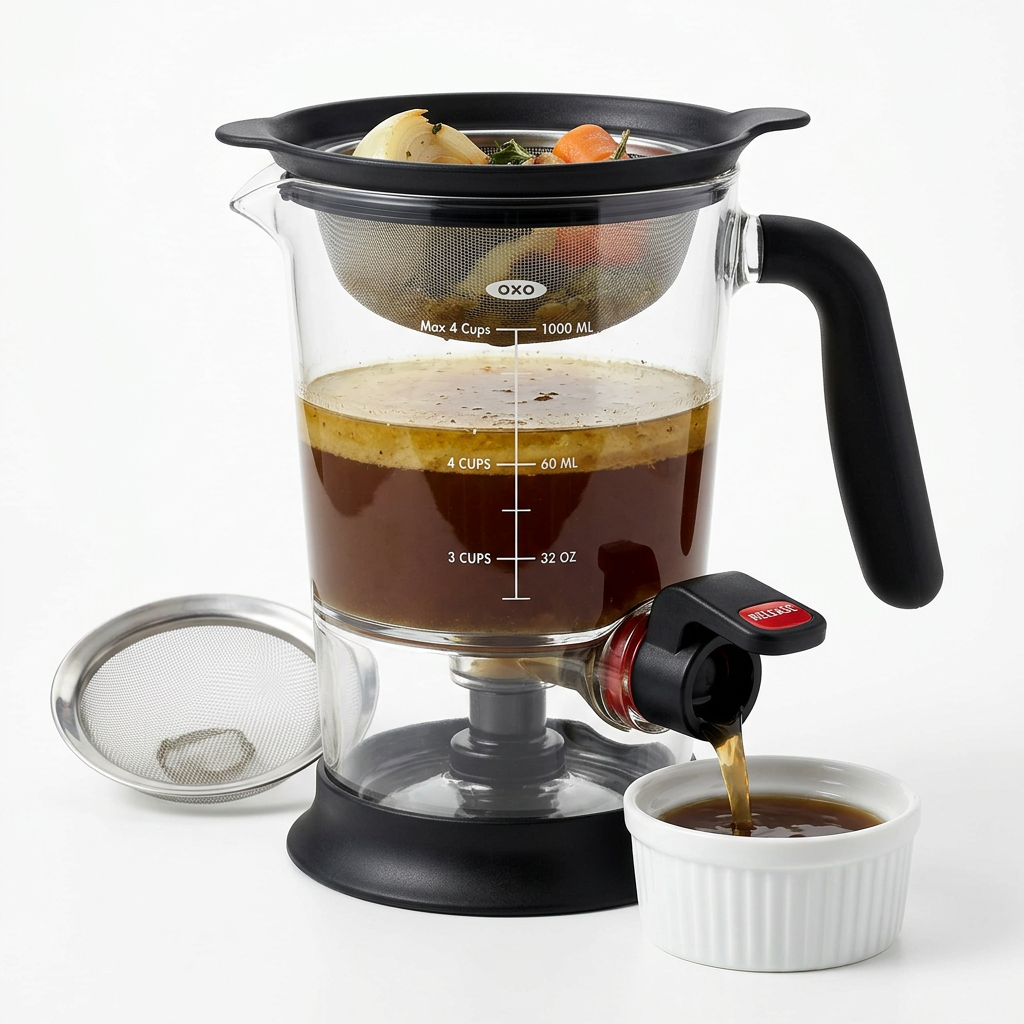
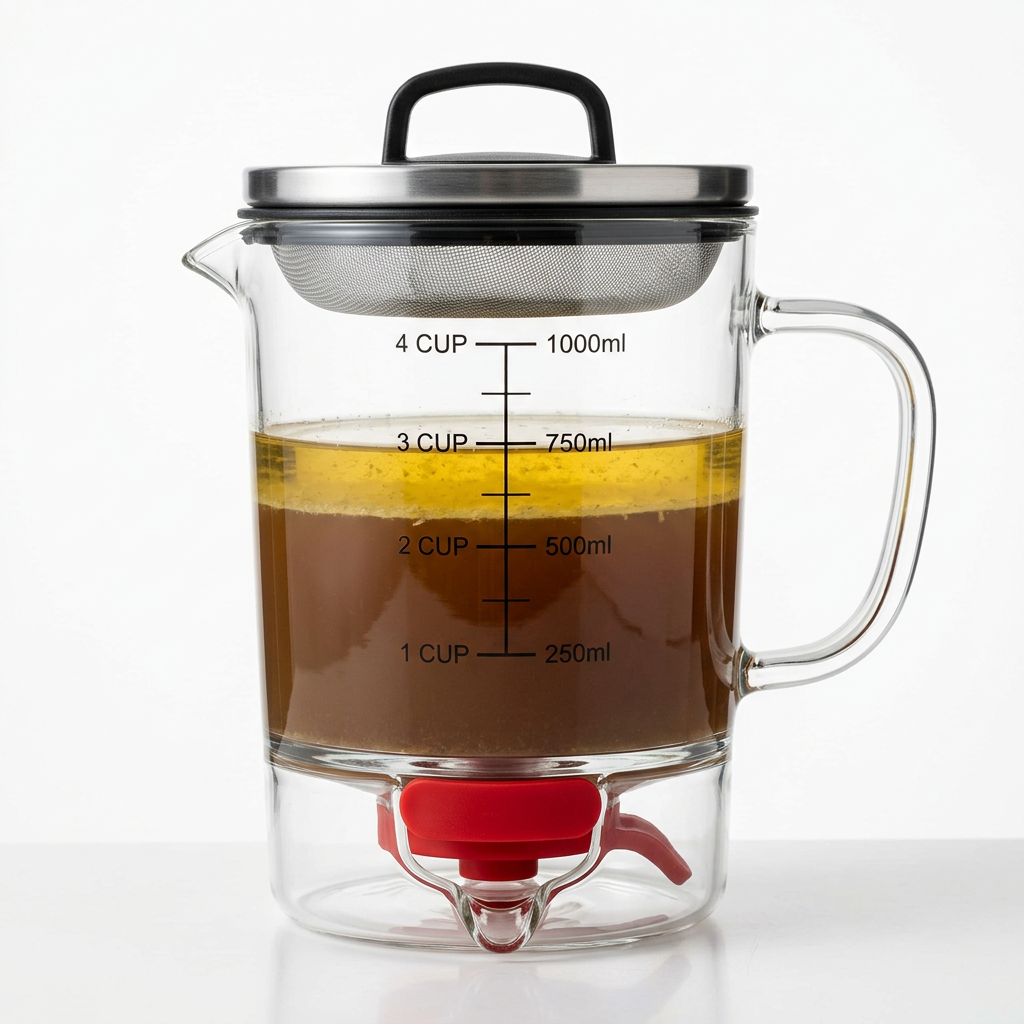
The type of stock you use is just as important as the rice. Homemade stock, ideally made from chicken, beef, or vegetables, delivers a depth of flavor that enhances the dish. When unable to make stock from scratch, opt for the best quality store-bought option.
No matter which stock you choose, ensure it is warm when added to the rice. Cold stock can shock the grains, disrupting the cooking process and preventing the desired creaminess.
Flavoring Elements
A good risotto is more than just rice and stock—it celebrates aromatics and additional flavor components. Onions or shallots, garlic, wine, and cheeses are staple ingredients that deepen the flavor of the risotto.
The Risotto Cooking Process
Risotto is all about technique and careful attention. The process may require about 30 to 40 minutes, but the result is absolutely worthwhile.
Sautéing the Base
Begin by heating a large saucepan over medium heat. Add a mix of olive oil and butter for flavor. Once hot, add your chopped aromatics—onions or shallots, perhaps a pinch of salt to help them sweat.
Toasting the Rice
Once your onions are soft, add the rice and toast it for about 2-3 minutes. Stir constantly to ensure the grains are well-coated with the fat. The rice will become slightly translucent, indicating it is ready for liquid. This toasting step adds a nutty flavor to the final dish.
Adding the Wine
When the rice is toasted, deglaze the pan by pouring in the white wine. Increase the heat slightly and let the wine simmer until reduced, stirring to ensure the rice absorbs all the flavorful liquid. This not only creates depth but also a vibrant aroma.
Incorporating the Stock
After the wine has evaporated, it’s time to gradually introduce the warm stock. Use a ladle to add a single serving of stock to the rice mixture.
Continue this process, one ladle at a time, for about 20-25 minutes. You can adjust the heat as needed, ensuring a gentle simmer throughout cooking. Taste the rice regularly—you want it al dente, with a slight chew.
“Patience and attentiveness are crucial. Risotto is not a dish to rush; it develops its flavor and texture over time.”
The Perfect Finish: Creamy and Flavorful
After the rice reaches the desired doneness, it's time for the finishing touches. This is where you can take your risotto to the next level, creating a rich, luxurious texture along with impressive flavors.
Adding the Cheese
When the rice is cooked al dente, remove the pan from the heat. Stir in a generous amount of grated Parmigiano-Reggiano and another knob of butter. This step not only enhances creaminess but also rounds out the flavors, leaving you with a dish that feels indulgent yet refined.
Seasoning for Flavor
Before serving, taste the risotto one last time and adjust the seasoning. A pinch of salt and a grind of fresh black pepper can elevate the overall flavor. Consider finishing with a drizzle of high-quality extra virgin olive oil or truffle oil for an added layer of aroma and taste.
Garnishing
Garnishes can transform your dish visually while adding texture and additional flavors. Try some of the following:
Pairing Your Risotto
A well-executed risotto can stand alone or shine as a side dish. When pairing it with other elements, consider the dish's flavor profile to create a harmonious meal.
Serving as a Main Dish
When risotto is the star, it can be served simply on its own or with complementary proteins. Grilled chicken or a piece of fish, such as sea bass or salmon, can elevate it into a main course.
- Seared scallops pair wonderfully with a citrus-based risotto.
- Braised short ribs can complement a mushroom risotto beautifully, creating a rich, meaty combination.
Serving as a Side Dish
Risotto can also gracefully accompany a variety of other dishes.
Wine Pairings
Selecting the right wine can enhance your dining experience. A few pairing suggestions include:
Variations on the Classic Risotto
Once you've mastered the basic risotto technique, the possibilities are endless. Below, we explore some popular variations that highlight seasonal ingredients and different flavor profiles.
Mushroom Risotto
Mushrooms add an earthy depth to the dish. Use a variety of fresh mushrooms such as shiitake, cremini, or porcini.
Seafood Risotto
Seafood risotto is exquisite, balancing the saltiness of seafood with creamy rice.
Vegetable Risotto
A vegetarian risotto can be vibrant and filled with seasonal produce—think asparagus, peas, or zucchini.
Saffron Risotto
The luxurious aroma and flavor of saffron create a stunning dish that’s perfect for special occasions.
Chef's Tips for Success
While the process of making risotto may seem straightforward, little details can make a significant difference in the final product. Here are some expert tips to keep in mind as you embark on your risotto journey.
“Risotto isn’t just about cooking; it’s about connecting with the ingredients, your method, and ultimately, your food.”
Conclusion
Making the perfect risotto is a rewarding challenge for any home cook, combining basic techniques with a dash of creativity and a dose of love. By understanding the core components—rice, stock, aromatics, and the gradual incorporation of liquid—you’ll develop a strong foundation for creating a multitude of risotto variations.
As you practice and experiment with different flavors, you'll find that patience truly pays off, and each batch will become a personal expression of your culinary journey. Whether served as a cherished weeknight dinner or a show-stopping dish for a special occasion, risotto is a meal that reflects not only your cooking skills but also your passion for food. The next time you step into the kitchen, remember that every stir counts, and embrace the beauty of crafting this timeless dish. Happy cooking!
Word Count: 2,090 words.
Get the Next Recipe
Weekly recipes, techniques, and gear picks — straight to your inbox.
