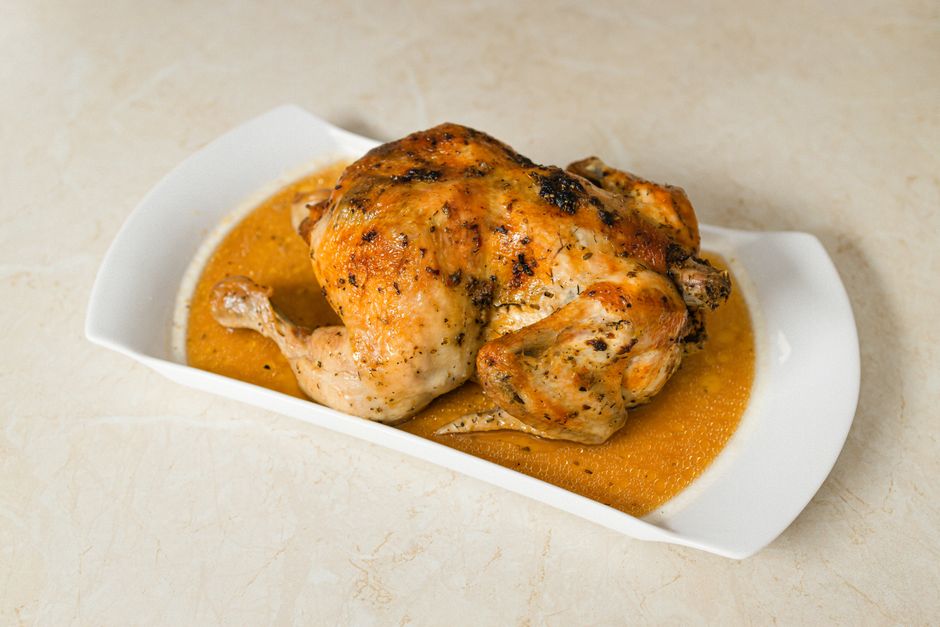
The Perfect Roast Chicken Every Time
Roasting a chicken is a skill that transcends culinary boundaries. This simple yet exquisite technique can elevate a meal from ordinary to extraordinary, providing a comforting centerpiece for gatherings or a cozy dinner at home. The aroma of a perfectly roasted chicken fills the kitchen, creating an atmosphere of warmth and anticipation, and the first bite reveals the harmony of tender meat and crispy skin that is simply irresistible. For many, the secret to mastering this art lies in understanding the fundamentals—the choices of ingredients, proper seasoning, and the techniques that ensure optimal flavor and texture.
In this guide, we’ll explore what makes a roast chicken truly “perfect.” From selecting the right bird to understanding the science behind cooking times and temperatures, every detail matters. Whether you are a novice in the kitchen or a seasoned home cook looking to refine your skills, you can achieve delicious results without needing special equipment or ingredients. The aim here is to empower you with the knowledge and confidence necessary to create a roast chicken that not only satisfies the taste buds but also leaves your guests raving.
Remember, the essence of roasting a chicken lies not just in the final product but in the process itself. It’s about embracing the steps, enjoying the scents wafting through your kitchen, and giving yourself permission to experiment and make this dish your own. By the end of this post, you'll be equipped with insights, recipes, and a deeper appreciation for this timeless culinary tradition.
Choosing the Right Chicken
Types of Chickens
When it comes to roasting a chicken, your first decision is selecting the right type of chicken. Understanding the different varieties available can greatly affect the flavor and texture of your dish.
Each of these types of chickens has its merits, and the choice largely depends on your preference, occasion, and budget.
Sourcing Quality Chicken
The quality of your chicken significantly impacts the final result. When possible, look for organic, free-range, or pastured birds. These chickens are typically fed a better diet and are allowed to roam, leading to better flavor and texture. Local farms or farmers’ markets are excellent places to find high-quality options, although many grocery stores also carry better-grade chickens.
When purchasing, check for:
Purchasing a whole chicken is not only more economical but also allows for a more flavorful roast. The bones and skin play essential roles in creating the delectable drippings that can be transformed into a rich gravy or sauce, bringing everything full circle in terms of flavor.
Preparing Your Chicken
Thawing and Cleaning
If you’ve purchased a frozen chicken, proper thawing is essential. Always thaw chicken in the refrigerator or in cold water to prevent bacterial growth. Here’s how to do it safely:
Once thawed, you’ll want to prepare your chicken by cleaning it. Remove the giblets and any leftover feathers, then rinse the chicken under cold water, patting it dry with paper towels. Removing excess moisture is key to achieving crispy skin, as moisture can lead to steaming rather than roasting.
Seasoning
Seasoning is where your roast chicken can truly shine. A simple blend of salt, pepper, and herbs can elevate the dish, but feel free to experiment. Here are some essential tips:
Trussing Your Chicken
Trussing is the technique of tying the chicken's legs and wings to its body. This is particularly important for even cooking and an attractive presentation. To truss a chicken:
Roasting Techniques and Temperatures
Oven Preparation
Creating the right roasting environment can make a significant difference in the quality of your chicken. Preheat your oven to 425°F (220°C) for a high-heat roast that yields a crispy skin. For a more gentle approach, consider roasting at 375°F (190°C), which allows for even cooking throughout while still achieving a beautiful skin.
Timing Your Roast
Cooking times can vary based on the size of the chicken. As a general rule of thumb, roast your chicken for about 20 minutes per pound. Here’s a breakdown based on typical weights:
To ensure your chicken is properly cooked, use a meat thermometer. Insert it into the thickest part of the thigh without touching the bone; it should register at least 165°F (74°C) for safe consumption.
Basting vs. Not Basting
The debate on whether to baste a chicken during roasting often divides home cooks. Some believe basting enhances flavor, while others argue it interrupts cooking and increases the cooking time.
Resting and Carving Your Chicken
Resting the Chicken
Once your chicken reaches the desired internal temperature, remove it from the oven and let it rest for about 15–20 minutes before carving. Resting allows the juices to redistribute, leading to a more tender and flavorful chicken when sliced.
Here’s a pro tip: Tent the chicken with aluminum foil during the resting period to keep it warm without steaming the skin.
Carving Techniques
Carving a chicken can be intimidating, but with the right techniques, it can be a straightforward process. Here’s how to do it efficiently:
Enhancing the Experience
Making a Pan Sauce
One of the benefits of roasting a chicken is the delicious drippings left in the roasting pan. You can transform these into a rich, savory pan sauce. Here’s a simple method:
Serve it warm over the carved chicken for an added layer of moisture and satisfaction.
Pairing with Side Dishes
A roast chicken pairs beautifully with various side dishes that complement its rich flavors. Some classic sides include:
Wine Pairing
Selecting the right wine can elevate your roasted chicken experience. A light white wine such as Chardonnay or Sauvignon Blanc pairs beautifully with chicken, while a light-bodied red like Pinot Noir can also complement it well.
Troubleshooting Common Issues
Dry Chicken
If you find that your roast chicken has turned out dry, it’s likely due to overcooking or not adequately brining. To avoid this, ensure you monitor your cooking time carefully and check for doneness with a thermometer. Also, consider brining the chicken the night before to infuse moisture and flavor.
Rubber Chicken Skin
Rubbery skin can occur if the chicken has been cooked at too low a temperature. Ensure your oven temperature is high enough to achieve a crispy skin without cooking the meat too long. A preheated oven is key to achieving that perfect roast.
Uneven Cooking
Uneven cooking often stems from not trussing the chicken correctly or overcrowding the roasting pan. Ensure there's adequate space around the chicken for air circulation. If using vegetables, ensure those are cut to a similar size to cook evenly alongside the chicken.
Conclusion
The perfect roast chicken may seem like an elusive goal, but it is attainable with practice and patience. By understanding the nuances of chicken selection, preparation, roasting techniques, and proper resting, you can create a mouthwatering centerpiece that brings joy to any table. Remember, the beauty of cooking lies in experimentation—feel free to adjust seasonings, try different sides, and personalize the dish based on your family's preferences.
With the insights gained from this guide and understanding the fundamental techniques involved, you’re now ready to tackle the roast chicken challenge with confidence. Utilize quality ingredients, practice your skills, and enjoy the process; the rewards will be deliciously worth it. So, gather your loved ones, roll up your sleeves, and embark on your roast chicken journey. After all, the kitchen is where memories are made, and a perfectly roasted chicken will surely be a part of many joyful moments to come.
You can do this—you’ve got this! After all, as every chef knows, the heart of good cooking is grounded in both technique and love for the craft. Happy roasting!
(Word count: 2,028)
Get the Next Recipe
Weekly recipes, techniques, and gear picks — straight to your inbox.
