
The Perfect Roast Chicken: Techniques and Secrets
There’s something undeniably satisfying about a perfectly roasted chicken. It evokes feelings of home, warmth, and comfort, often conjuring childhood memories of family gatherings around the dining table. The enticing aroma that fills the kitchen as the chicken cooks seems to weave itself into the fabric of our lives, making it one of the most beloved dishes across cultures. However, while roasting a chicken may seem simple, elevating it to perfection involves mastering several crucial techniques and understanding the nuances that separate a basic roast from a truly outstanding one.
When it comes to roasting chicken, every detail from preparation to cooking method contributes to the final result. The type of chicken chosen, the seasoning applied, and even the roasting pan used can drastically influence the flavor and texture. Home cooks often rely on basic guidelines, but diving deeper into the science and art of roasting chicken reveals countless small adjustments that can have an enormous impact. With the right preparation and techniques, you can create crispy skin, succulent meat, and a dish that leaves your dinner guests raving long after the plates have been cleared.
This blog post aims to demystify the process of roasting chicken, providing valuable tips and insights to help you achieve that perfect roast every time. Whether you’re an inexperienced home cook or a seasoned kitchen veteran, you’ll find something to inspire and inform in this guide. Together, we will explore essential techniques, the importance of seasoning, ideal cooking temperatures, and even how to deal with common pitfalls, ensuring your roast chicken is always a triumph.
Selecting the Right Chicken
When embarking on your roast chicken journey, the first step is selecting the right bird. Quality matters, and the type of chicken you choose will significantly influence the final outcome. In many grocery stores, you’ll encounter a variety of chickens, including conventional broilers, organic, and free-range options. Here are some key points to consider when selecting your chicken.
Types of Chicken
Size Matters
Choosing the right size chicken is equally important. A standard roasting chicken weighs between 3.5 to 5 pounds. Consider your guests and how much meat they will consume. As a general rule of thumb:
Check for Freshness
When selecting your bird, you want to ensure you are purchasing a fresh chicken. Fresh chickens should have a pinkish skin, and there should be no noticeable odors. If you can, purchase from a local butcher for the best quality.
“The choices made before the cooking even begins lay the groundwork for your roast chicken triumph.”
Preparing the Chicken
Once you have selected your chicken, the preparation process is crucial to ensure the best results. This phase involves more than just rinsing the bird and placing it in the oven. Proper preparation can help achieve that coveted golden-brown skin and juicy interior.
Brining for Flavor and Moisture
One of the simplest yet most effective preparation techniques is brining. Brining involves soaking the chicken in a saltwater solution that enhances flavor and moisture. Here’s how to do it:
Seasoning Your Chicken
Seasoning is another crucial component of preparing roast chicken. While salt is essential, it’s the additional herbs and spices that transform the chicken. Here are some popular options:
#### Applying Seasoning
“A well-prepared chicken is the difference between a standard roast and a show-stopper.”
The Roasting Technique
Roasting chicken is an art form that can be perfected with practice and attention to detail. Understanding how to manipulate your oven temperatures and using the right equipment can drastically improve your results.
Oven Temperature
Determining the right roasting temperature is key to achieving the perfect chicken. While many recipes recommend roasting at 375°F, you can experiment with different ranges:
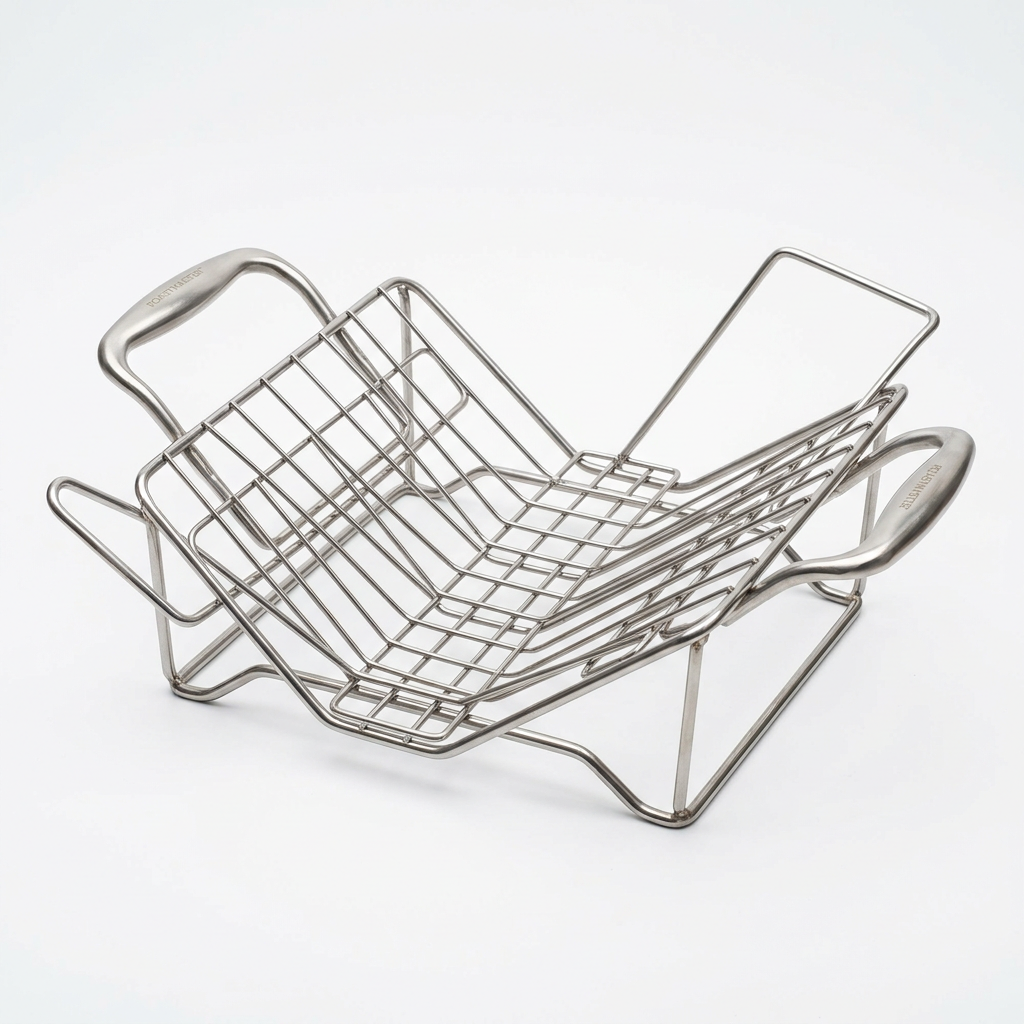
Using the Right Roast Pan
The choice of roasting pan can affect the cooking process significantly. Here are some options:
Roasting Process
Resting the Chicken
Once your chicken reaches the proper temperature, remove it from the oven and let it rest for about 15 to 20 minutes. This resting phase is critical. It allows the juices to redistribute throughout the meat, ensuring that each slice is moist and flavorful when it's time to carve.
Flavor Enhancements
While technique is crucial, flavor enhancement can make all the difference in the world. There are numerous ways to complement and elevate your roast chicken that go beyond basic seasoning.
Stuffing the Cavity
Stuffing the cavity can introduce additional flavors that permeate the meat as it cooks. Common ingredients include:
Marinades and Rubs
If brining isn’t your style, consider marinating the chicken or applying a dry rub before roasting:
Pan Sauces
Utilizing the drippings left in the roasting pan can help create a mouth-watering sauce. Here’s how:
“True culinary magic happens not just in cooking but in the layers of flavors developed during the process.”
Common Pitfalls
Even the most experienced cooks can run into issues when roasting chicken. Being aware of these common mistakes can save you from disaster and help you learn what to avoid.
Undercooking or Overcooking
One of the biggest fears when roasting chicken is cooking it improperly. Investing in a reliable meat thermometer can prevent this concern. Always check the internal temperature, ensuring it reaches 165°F in the thickest part of the thigh.
Soggy Skin
Achieving crispy skin often eludes even seasoned chefs. Key solutions include:
Uneven Cooking
If your chicken isn’t cooked evenly, here are troubleshooting tips:
Serving Suggestions
After perfecting your roast chicken, the next step is how to serve and pair it. A beautifully prepared roast chicken can be a centerpiece on your table.
Side Dish Recommendations
Accompany your roast chicken with sides that complement its flavors:
Cuts and Presentation
When serving, consider how you want to present the chicken. A classic carving approach involves:
“Serving a roast chicken isn’t just about the dish itself but also the experience you create around the meal.”
Final Thoughts
Roasting the perfect chicken may require practice and patience, but the rewards are beyond rewarding. With the techniques explored in this post, you have the tools to elevate your skills and transform your kitchen into a haven of culinary delight. Whether it’s the warmth of family gatherings or the satisfaction of cooking for friends, mastering roast chicken is a milestone worth achieving.
Embrace the beauty of this dish and experiment with flavors, techniques, and presentation styles. Roasted chicken is a flexible canvas upon which you can add your unique brushstrokes, turning a simple meal into a spectacular culinary experience.
Now it's time to roll up your sleeves, gather your ingredients, and get roasting! Enjoy the process, savor the delicious aromas, and share your beautiful creation with those you love. Your journey to perfect roast chicken begins today!

Get the Next Recipe
Weekly recipes, techniques, and gear picks — straight to your inbox.
