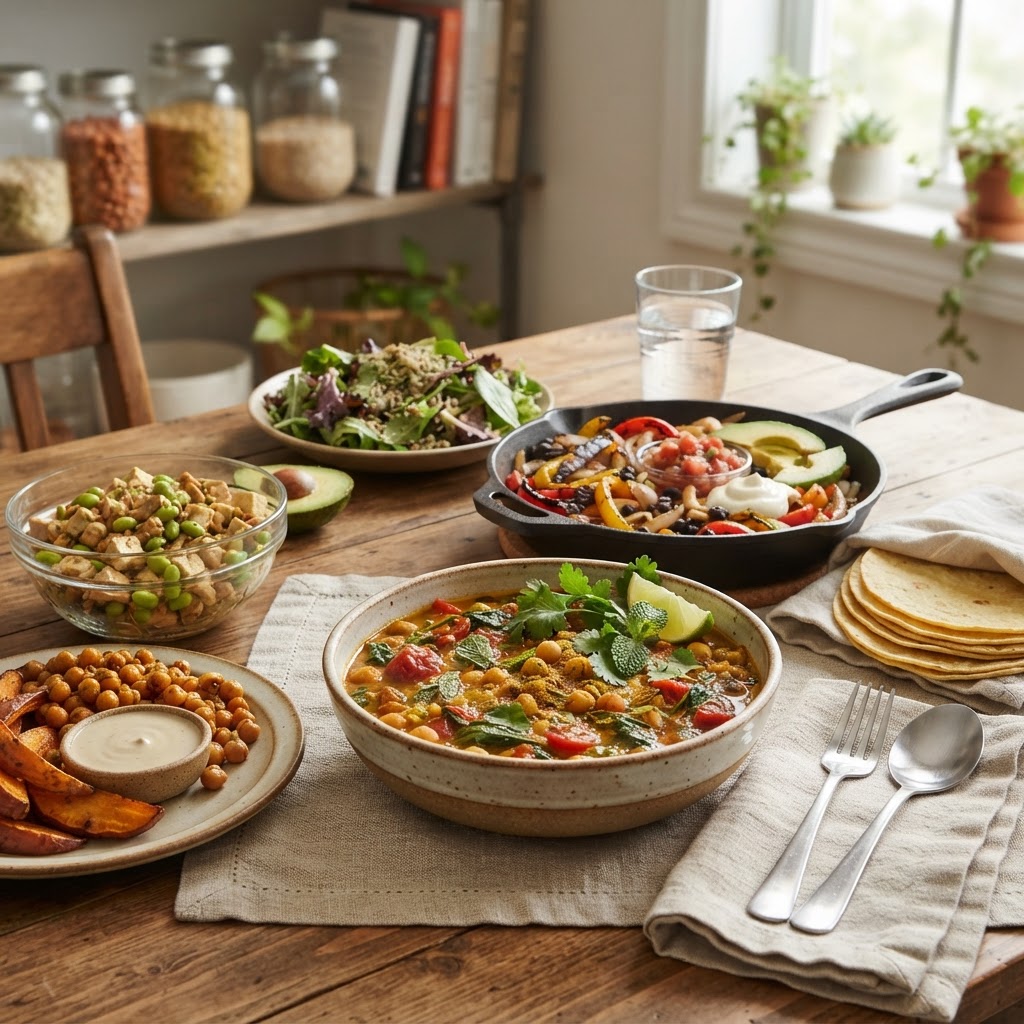
The Plant-Based Pantry: 5 High-Protein Meatless Dinners Ready in 30 Minutes
There's a persistent myth lingering in home kitchens everywhere, and it's time we address it directly: plant-based cooking is inherently complicated, requires hard-to-find ingredients, and leaves you hungry an hour after dinner. As a chef who has spent years developing meatless menus for restaurants and home cooks alike, I can tell you that this misconception keeps countless people from exploring one of the most rewarding corners of modern cookery. The truth is, a well-stocked plant-based pantry is a secret weapon, and once you understand how to wield it, you'll be turning out dinners that are every bit as satisfying, protein-packed, and weeknight-friendly as anything you'd make with chicken or ground beef.
The key lies in umami architecture—the deliberate layering of savory, salty, and deeply flavored ingredients that give meatless dishes their backbone. Think soy sauce, tomato paste, miso, smoked paprika, nutritional yeast, and toasted nuts. When you build flavor with these workhorses, you don't miss the meat because your palate is fully occupied. Combine that with high-protein plant staples like tofu, tempeh, lentils, chickpeas, edamame, and quinoa, and you have everything you need to construct dinners that deliver 20 grams of protein or more per serving, often in less time than it takes to decide what to order for takeout.
What follows are five dinners I return to again and again when the clock is ticking and the hunger is real. Each one is designed to land on the table in 30 minutes or less, uses pantry-forward ingredients, and delivers the kind of robust, "I can't believe this is plant-based" satisfaction that converts skeptics. I'll walk you through the techniques, the ratios, and the small chef tricks that make each dish sing—because at "Blame The Chef," we believe a great recipe should teach you something you'll carry into every other meal you cook.
---
1. Crispy Tofu & Broccoli Stir-Fry with Garlic-Sesame Glaze
Stir-fries are the undisputed champions of fast weeknight cooking, but most home versions suffer from two fatal flaws: soggy tofu and a sauce that pools at the bottom of the bowl instead of clinging to every bite. Let's fix both. This recipe uses extra-firm tofu that's been pressed and torn into rustic pieces, then pan-fried until genuinely crispy before the sauce even enters the picture. Tearing rather than cutting creates jagged edges that hold more glaze and crisp up better in the pan.
The Tofu Technique
Start with one 14-ounce block of extra-firm tofu. Wrap it in a clean kitchen towel and press it under a heavy skillet for 10 minutes—yes, you have time, because while it presses you'll be prepping everything else. Once pressed, tear the tofu into 1-inch pieces with your hands. This isn't just for texture; the irregular surfaces absorb marinade and sauce far more effectively than clean cuts. Toss the pieces with 1 tablespoon cornstarch, ½ teaspoon kosher salt, and 1 tablespoon neutral oil. The cornstarch is the secret to that restaurant-style crust.
The Sauce Ratio
A great stir-fry sauce is about balance. Whisk together:
This gives you roughly ⅓ cup of sauce, enough to glaze without drowning. The cornstarch slurry is what transforms it from a thin liquid into that glossy, clinging coating.
**Chef's Note:** The biggest mistake home cooks make with stir-fry sauce is adding it to a cold pan. Always pour it into the hot wok along the edges so it caramelizes instantly, then toss everything together.
Cooking and Assembly
Heat a large wok or skillet over high heat until it's smoking lightly. Add 1 tablespoon oil, then the tofu in a single layer. Don't touch it for 3 minutes—let it develop a real crust. Flip and cook another 2 minutes. Remove tofu, add 4 cups of broccoli florets (cut small for faster cooking) with a splash of water, cover, and steam 2 minutes. Uncover, add the tofu back, pour in the sauce, and toss constantly for 60 seconds until everything is lacquered. Serve over rice or noodles. Total active time: 25 minutes. Protein per serving: 28 grams.
---
2. Smoky Lentil-Walnut Tacos with Quick Pickled Red Onions
Tacos are a format, not a filling, and they're one of the most forgiving vehicles for plant-based protein. This version uses cooked brown lentils combined with toasted walnuts for a texture that's surprisingly reminiscent of ground meat—but with far more fiber and a fraction of the fat. The smokiness comes from a trio of chipotle powder, smoked paprika, and cumin, and the whole thing comes together while your tortillas warm.
Building the "Meat"
You'll need 1 cup of cooked brown lentils. Use canned (rinsed well) or cook them from dry while you prep—they take only 20 minutes at a gentle simmer in a 3:1 ratio of water to lentils. In a dry skillet over medium heat, toast ½ cup chopped walnuts for 3 minutes until fragrant. Add 1 tablespoon olive oil, the lentils, and your spice blend:
Cook, mashing roughly with a potato masher or the back of a fork, for 4-5 minutes. The tomato paste caramelizes and binds everything together, while the mashing creates that irregular, crumbly texture we associate with taco filling.
The Pickle That Changes Everything
Quick-pickled onions take 5 minutes and elevate everything they touch. Combine ½ cup thinly sliced red onion with ¼ cup red wine vinegar, 1 teaspoon sugar, and ½ teaspoon salt in a small bowl. Let it sit at room temperature for at least 10 minutes while you finish the rest. The onions turn jewel-toned pink and develop a bright acidity that cuts through the smoky richness of the lentils.
Assembly and Upgrades
Warm 8 small corn tortillas directly over a gas flame for 20 seconds each, or in a dry skillet until pliable. Fill with the lentil mixture, top with pickled onions, shredded cabbage, fresh cilantro, and a squeeze of lime. For extra protein, add a spoonful of cashew crema (soak ½ cup cashews in hot water for 15 minutes, then blend with ¼ cup water, 1 tablespoon lime juice, and a pinch of salt). Serves 4. Protein per serving: 22 grams.
---
3. 15-Minute Chickpea Shakshuka-Style Skillet
Shakshuka is traditionally a eggs-in-tomato-sauce dish, but the technique works beautifully with chickpeas standing in for the eggs. The result is a North African-inspired skillet that's warming, deeply flavored, and absurdly fast. The trick is building the tomato base with enough depth and spice that you don't miss the richness of the yolks.
The Spice Bloom
In a 10-inch skillet, heat 2 tablespoons olive oil over medium heat. Add 1 small diced onion and cook 3 minutes until translucent. Now add your spices and let them bloom in the oil for 30 seconds before adding any liquid:
Blooming spices in hot fat releases their fat-soluble flavor compounds and creates a foundation that water-based cooking simply can't match. You'll smell the difference immediately.
**Chef's Note:** If your spices aren't fragrant when you open the jar, they're not going to deliver in the pan. Replace ground spices every 6 months, and store them away from heat and light.
The Tomato Base
Add 2 cloves minced garlic and cook 30 seconds. Pour in one 28-ounce can of crushed tomatoes (San Marzano if you can find them—they're less acidic and naturally sweeter). Add 1 teaspoon sugar, ½ teaspoon salt, and simmer for 8 minutes until slightly thickened. Stir in two 15-ounce cans of chickpeas (drained and rinsed), and cook 2 more minutes. The chickpeas absorb the sauce and become silky.
Finishing Touches
Make 4 small wells in the mixture and crack an egg into each if you're not cooking fully plant-based—or skip the eggs entirely for a vegan version that's equally good. Cover and cook 4-5 minutes until the whites are set. Garnish with crumbled feta (or vegan feta), chopped parsley, and serve with crusty bread for scooping. Serves 4. Protein per serving: 19 grams (24 grams with egg).
---
4. Black Bean & Quinoa Power Bowl with Avocado-Lime Dressing
Grain bowls are where plant-based cooking shines, but they can feel like a pile of ingredients rather than a composed dish. The difference is texture contrast and a dressing that ties everything together. This bowl uses black beans, quinoa, roasted sweet potato (quick-roasted at high heat), and a creamy avocado-lime dressing that you'll want to put on everything.
Cooking the Quinoa Right
Quinoa has a bitter natural coating called saponin, and while most commercial quinoa is pre-rinsed, I always rinse it again under cold water in a fine mesh strainer. Cook 1 cup quinoa in 1¾ cups water or vegetable broth with ½ teaspoon salt for 15 minutes, then let it rest off the heat for 5 minutes before fluffing. This rest period lets the grains fully hydrate and separate, giving you that light, fluffy texture instead of a gummy mass.
The Fast Roast
Preheat your oven to 425°F—this is non-negotiable for fast roasting. Peel and dice 1 large sweet potato into ½-inch cubes. Toss with 1 tablespoon olive oil, 1 teaspoon cumin, ½ teaspoon salt, and spread on a sheet pan in a single layer. Roast for 18 minutes, flipping once halfway. The high heat caramelizes the sugars and creates crisp edges while the interior stays creamy.
The Dressing
While everything cooks, make the dressing in a blender or food processor:
This makes about ¾ cup of bright green, tangy dressing that's rich from the avocado but light enough to drizzle.
Assembly
Divide the quinoa between 4 bowls. Top with ½ cup black beans (canned, rinsed), roasted sweet potato, baby spinach, cherry tomatoes, and sliced radishes. Drizzle generously with the dressing and finish with toasted pumpkin seeds for crunch. Serves 4. Protein per serving: 21 grams.
---
5. Tempeh Peanut Satay Noodles
Tempeh is the unsung hero of plant-based protein—fermented, nutty, and packed with 31 grams of protein per cup. The challenge is that it can taste bitter if not treated properly. The solution is a quick steam to soften it and mellow the flavor, followed by a marinade that soaks right in. Paired with a rich peanut sauce and quick-cooking noodles, this is a dinner that feels indulgent while being genuinely good for you.
Prepping the Tempeh
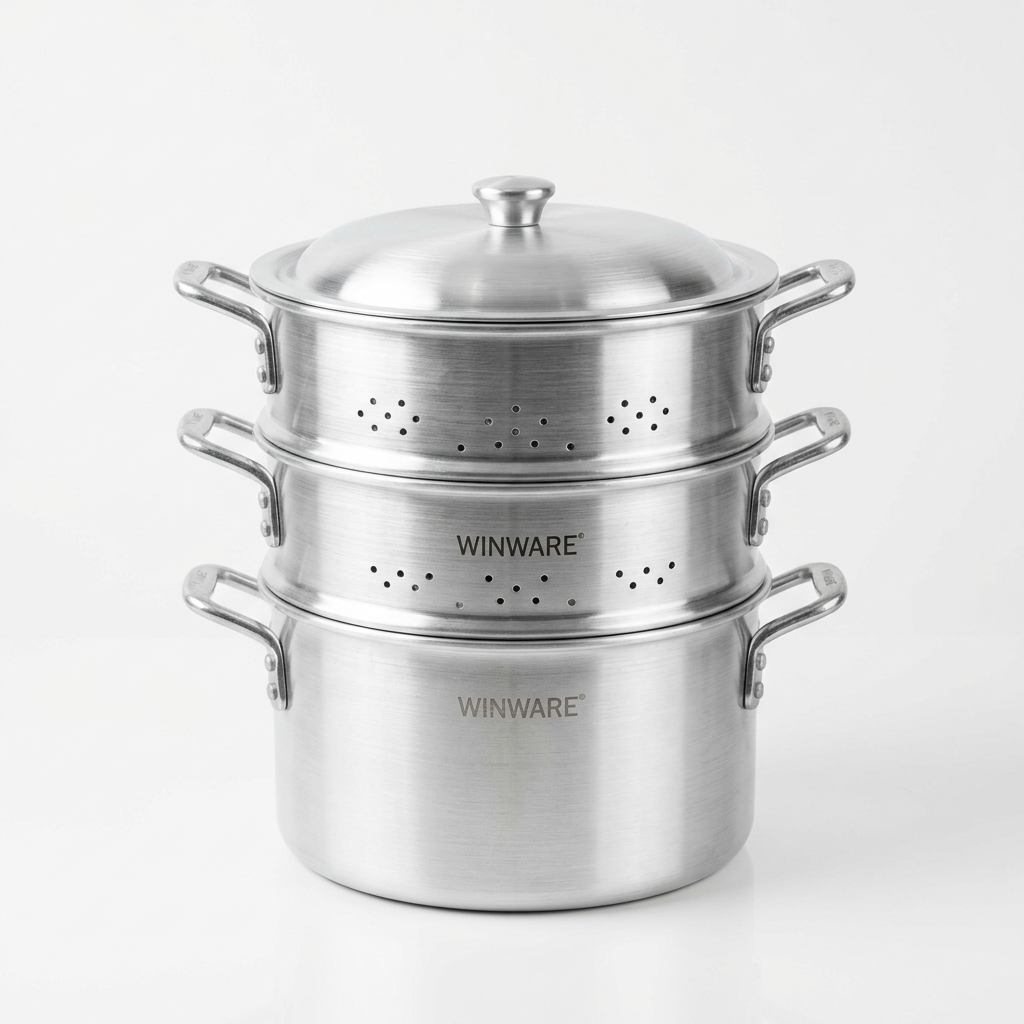
Cut one 8-ounce package of tempeh into thin strips or triangles. Steam it for 5 minutes in a covered pot with a steamer basket. This step is worth the extra few minutes because it opens up the tempeh's pores, removes bitterness, and makes it a sponge for flavor. After steaming, pat dry and toss with 2 tablespoons soy sauce and 1 tablespoon rice vinegar. Let it sit while you make the sauce.
The Peanut Sauce
This is a keeper—a balanced peanut sauce you'll use on everything from noodles to grain bowls to roasted vegetables. Whisk together:
The hot water is key—cold water makes peanut butter seize into unworkable clumps. Add it gradually until you have a pourable sauce.
**Chef's Note:** Natural peanut butter (just peanuts and salt) gives a cleaner flavor, but conventional peanut butter works fine. Avoid the sweetened varieties—they'll throw off the balance of your sauce.
Cooking the Noodles
Cook 8 ounces of rice noodles or linguine according to package directions, usually 4-6 minutes. Drain and rinse briefly with warm water. In a large skillet, heat 1 tablespoon oil over medium-high heat and cook the marinated tempeh for 3 minutes per side until golden and crisp. Add the noodles to the pan, pour in the peanut sauce, and toss with tongs until everything is coated. Off the heat, add 2 cups of shredded napa cabbage or bok choy—the residual heat wilts it perfectly. Top with chopped peanuts, scallions, and cilantro. Serves 4. Protein per serving: 26 grams.
---
Stocking Your Plant-Based Pantry
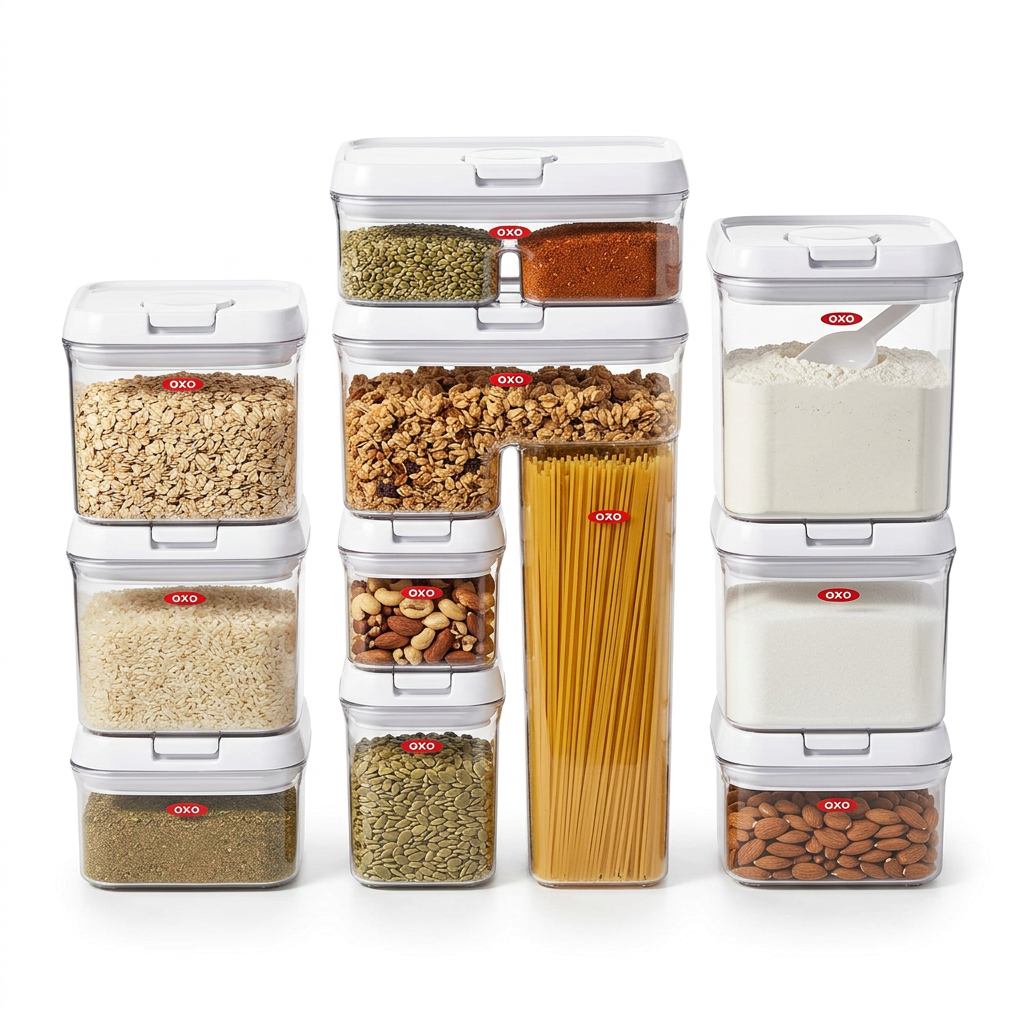
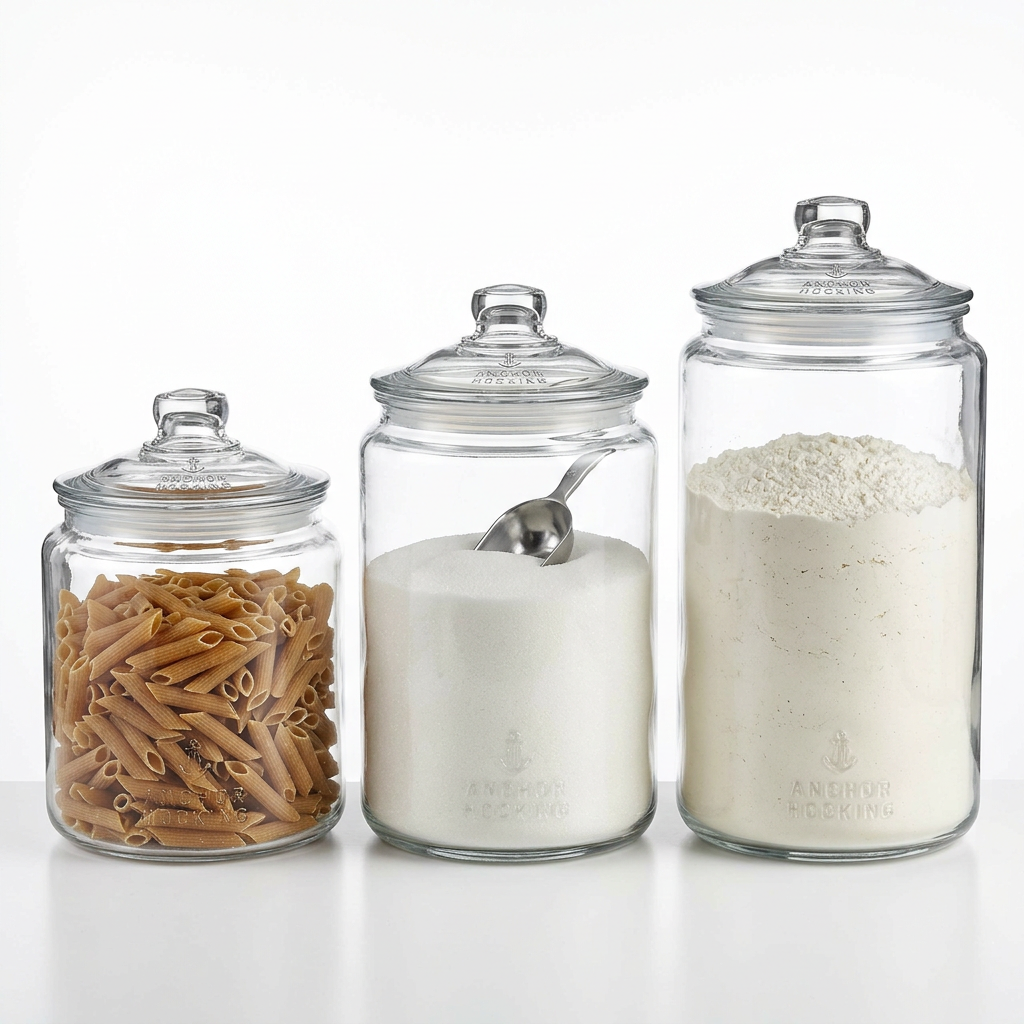
The reason these dinners come together in 30 minutes isn't just clever recipes—it's a pantry built for speed. Here's what you should always have on hand:
The Protein Shelf
The Flavor Arsenal
**Chef's Note:** Keep your pantry organized by frequency of use. The ingredients you reach for weekly should be at eye level; the specialty items can live higher or lower. You cook faster when you're not hunting for things.
The Fresh Essentials
These keep for a week or more and form the base of countless quick meals:
---
Final Thoughts
Plant-based cooking isn't about subtraction—it's about expansion. When you stop leaning on meat as the default center of the plate, you discover a world of ingredients and techniques that are, frankly, more interesting to cook with. Tofu that crisps up like the best chicken nugget. Lentils that become smoky taco filling in 10 minutes. Tempeh that soaks up peanut sauce like a flavor sponge. These aren't compromises; they're discoveries.
The five dinners here are meant to be starting points. Once you understand the principles—the cornstarch crust on tofu, the spice bloom in hot oil, the quick pickle, the balanced sauce ratio—you can improvise endlessly. Swap the broccoli for snap peas in the stir-fry. Use white beans instead of chickpeas in the shakshuka. Replace the sweet potato with roasted cauliflower in the grain bowl. The recipes are scaffolding; your pantry and palate are the architecture.
The next time someone tells you plant-based cooking is complicated or unsatisfying, you have my permission to blame the chef—specifically, the ones who never bothered to learn how to do it properly. Because done right, these are the dinners that make everyone at the table forget to ask where the meat went. They're too busy going back for seconds.

Get the Next Recipe
Weekly recipes, techniques, and gear picks — straight to your inbox.
