The Science Behind Caramelization and Flavor Development
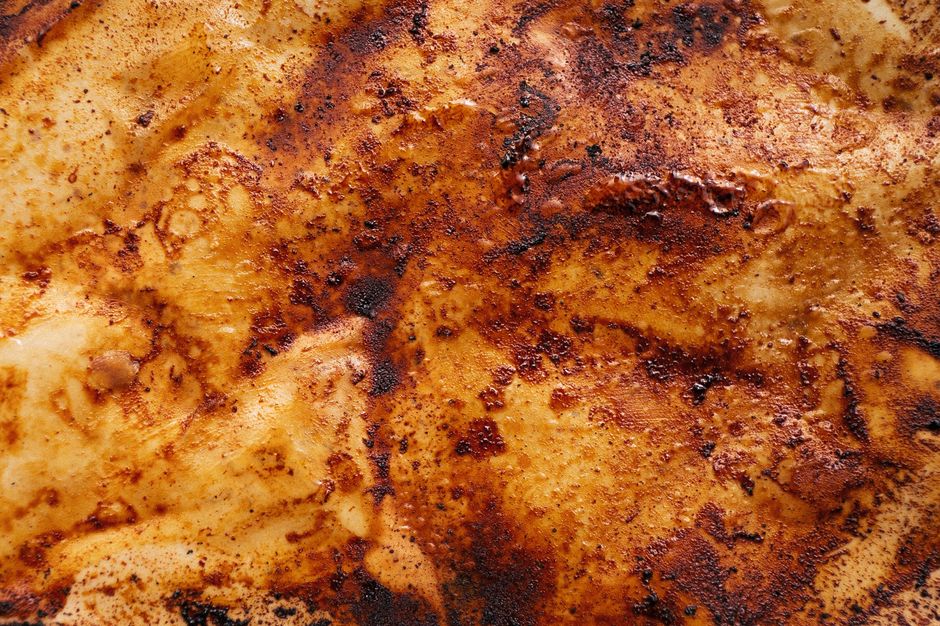
Caramelization is one of the most magical processes in cooking, transforming humble sugars into complex flavor compounds that inspire a depth of taste in various dishes, from desserts to savory meals. Understanding the science behind caramelization not only elevates your culinary skills but also enhances your dish’s overall flavor profile. When you see that lovely golden color develop in a piece of meat, a vegetable sauté, or even a batch of cookies, you’re witnessing a chemical transformation that’s crucial in gastronomy.
The process of caramelization perhaps seems deceptively simple—just heat some sugar and watch it melt. However, several factors come into play, including temperature, time, and the presence of additional ingredients. The fascination lies in exploring how temperature affects the flavor, aroma, and color of food, engaging all your senses as you cook. Ultimately, it’s about creating layers of flavor that contribute to the overall experience of a meal. With a bit of knowledge and practice, you can master this technique and incorporate its benefits into your everyday cooking.
This exploration into caramelization and flavor development will reveal how this process works at a molecular level, useful techniques you can incorporate into your cooking repertoire, and tips on how to achieve perfect caramelization every time. Whether you're caramelizing onions for a savory dish or making a rich caramel sauce for desserts, understanding this cooking method will have a profound impact on your culinary creations.
The Basics of Caramelization
Caramelization, in simple terms, is the oxidation of sugar, a process that occurs when sugars are heated to a certain temperature, typically between 320°F and 350°F (160°C - 180°C). As the sugars heat up, they melt and undergo a series of reactions that result in the formation of hundreds of flavorful compounds. This process is not only crucial for sweet dishes; it also plays a key role in developing savory flavors, such as those found in roasted meats and caramelized vegetables.
The Maillard Reaction vs. Caramelization
While both caramelization and the Maillard reaction contribute to the browning and flavor enhancement of foods, they are not the same. The Maillard reaction occurs at lower temperatures, beginning around 250°F (120°C), and involves the reaction of amino acids and reducing sugars. It creates a wealth of complex flavors and aromas, which significantly differ from those developed through caramelization alone.
Key Differences:
Understanding these differences will help you use each technique effectively and create dishes with balanced and nuanced flavors.
The Stages of Caramelization
Caramelization does not happen instantly; it undergoes several stages, which can be broken down as follows:
Chef's Tip: Always use a heavy-bottomed pan to ensure even heat distribution during the caramelization process. Stirring can help in the early stages but should be minimized as the sugar reaches higher temperatures.
The Importance of Sugar Types
Different types of sugar will caramelize at different rates and yield different flavors, so knowing which sugars to use can be an essential factor in your cooking.
Common Sugars and Their Caramelization Properties
Understanding how these sugars work allows you to hand-pick the right type based on the flavor outcome you desire.
“The right sugar can make all the difference. Don’t underestimate the complexity that different sugars bring to your dish.”
How to Select the Right Sugar for Your Recipe
By selecting the right sugar, you can tailor your dishes to meet the desired flavor profile and culinary experience.
Essential Techniques for Perfect Caramelization
Achieving perfect caramelization takes practice and attention to detail. Here are several techniques that will help you master the process.
Temperature Control
Managing heat is fundamental for proper caramelization. Too low a temperature will lead to prolonged cooking and may not develop the complete flavor desired. Too high a temperature can result in burnt sugar. Consistent heat around 320°F is ideal for starting this process.
Techniques for Different Ingredients
Each ingredient will respond differently to caramelization:
Troubleshooting Common Issues
Utilizing these techniques will help you develop confident skills in caramelization, giving your dishes a beautiful depth of flavor that pleases the palate.
Incorporating Caramelization into your Dishes
Now that you have a firm grasp on the science and techniques behind caramelization, let’s explore how to apply this knowledge to elevate everyday dishes.
Caramelized Onions: Sweet and Savory Base
Caramelized onions serve as a powerful flavor base for various recipes. Here's how to create them:
- 2 large onions, sliced
- 2 tablespoons olive oil
- Salt
- Heat the oil over medium heat in a heavy-bottomed skillet.
- Add the sliced onions and a generous pinch of salt.
- Cook on medium-low for 30-45 minutes, stirring occasionally, until they are deep brown and sweet.
“Caramelized onions can transform any dish. Enhance your soups, burgers, or even pizzas with their sweet, umami goodness.”
Caramel Sauce for Desserts
A versatile caramel sauce can elevate desserts like ice cream, cakes, or drizzled atop brownies. Here’s a simple recipe:
- 1 cup granulated sugar
- 6 tablespoons unsalted butter (cut into pieces)
- ½ cup heavy cream
- 1 teaspoon vanilla extract
- Pinch of salt
- Heat the sugar in a saucepan over medium heat, stirring until it melts into a deep amber color.
- Remove from heat and carefully add in the butter, stirring until melted.
- Gradually add the cream while continuing to stir, it will bubble vigorously, so caution is advised.
- Stir in the vanilla extract and salt, let cool before using.
Caramelized Vegetables
Whether for a side dish or as part of a main course, caramelizing vegetables concentrates their natural sweetness, creating a savory complexity.
Vegetable Suggestions:
- Preheat an oven to 400°F (200°C).
- Halve the Brussels sprouts and toss with olive oil, salt, and pepper.
- Spread them on a baking sheet and roast for 20-25 minutes, turning halfway until golden brown and caramelized.
Flavor Pairings for Caramelized Dishes
Understanding what flavor profiles complement caramelized dishes can take your cooking to the next level. Here are some excellent pairings.
Sweet and Savory Combinations
Expanding Your Pairings
Understanding these pairings will help you create harmonious dishes that highlight the natural beauty of caramelization.
The Role of Acidity
While sweetness plays a major role in caramelization, it’s essential to balance flavors with acidity. Acids can brighten a dish, counteracting the richness of caramelized ingredients.
Acidic Ingredients to Consider
Applications of Acidity
Incorporating acidity can be straightforward:
Balancing sweetness with acidity is key to achieving flavor harmony in your culinary creations.
Conclusion
Caramelization opens a world of opportunity for both novice and experienced cooks. By understanding the science behind this technique, mastering various applications, and pairing flavors astutely, you can elevate everyday meals into extraordinary dishes. Whether you’re caramelizing onions for a rustic stew or making a luxurious caramel sauce for dessert, remember that patience and attention to detail are your best allies in the kitchen.
As you practice, you’ll find that caramelization is not just a technique; it’s a way of enhancing flavors and bringing out the natural sweetness in food. So, the next time you cook, embrace the power of caramelization and let it transform your meals into delightful culinary experiences that ignite the senses and satisfy the palate. Happy cooking!


Get the Next Recipe
Weekly recipes, techniques, and gear picks — straight to your inbox.
