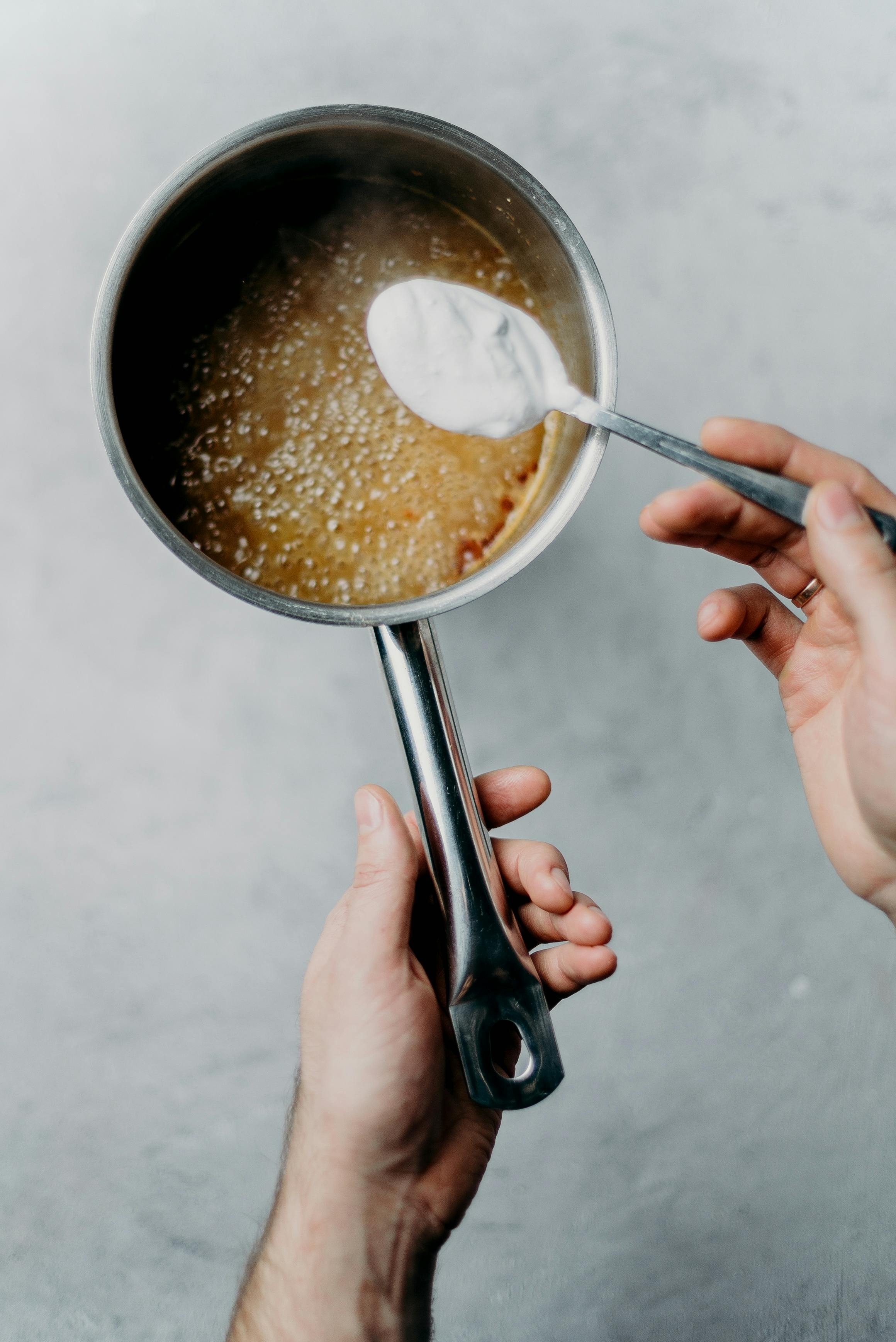
The Science Behind Perfect Caramelization: Building Flavor Through Chemistry
Caramelization is a culinary technique that evokes the rich, warm flavors beloved in both sweet and savory cuisines. It is a fundamental process that transforms simple ingredients into complex flavor profiles, achieving that desired depth we frequently seek in our dishes. When you hear the word "caramelization," you might think only of sweets—think luscious desserts or sticky sauces. However, this transformative process is crucial in a variety of meals, from the golden crust on roasted vegetables to the enticing sear on a steak. To truly appreciate the art of caramelization, one must dive deeper into the science behind it, understanding how it effectively elevates our cooking.
At its core, caramelization describes a series of chemical reactions where sugars break down and reform under heat, creating a spectrum of new flavors, colors, and aromas. It starts with the Maillard reaction, which enhances the color and taste of many foods. Most home cooks, however, often overlook the nuances of this transformation, mistakenly assuming that all sugars caramelize similarly or that it can be achieved without conscious effort. Understanding the factors that enhance caramelization can unlock a treasure trove of flavors, making your dishes not only more delicious but also more memorable.
The purpose of this exploration is not to turn you into a scientist in the kitchen, but rather to equip you with the knowledge that will empower your cooking. Beyond simply following a recipe, grasping the principles of caramelization provides a framework for experimentation and creativity. Armed with this knowledge, you can confidently apply these techniques to a breadth of ingredients, transforming ordinary meals into extraordinary cuisine bursting with flavor and appeal.
The Chemistry of Caramelization
To begin demystifying caramelization, we must first understand the chemistry at play. Caramelization, while often used interchangeably with the Maillard reaction, is a specific process that predominantly involves sugar molecules (saccharides) undergoing thermal decomposition. When you expose sugars to high temperatures, typically above 320°F (160°C), a series of reactions occur as the sugar breaks down into smaller compounds and then reformulates itself into various byproducts, leading to the caramel coloration and flavor notes we recognize as “caramel.”
Sugar Types and Their Roles
Not all sugars behave the same when subjected to high heat—a key consideration for a successful outcome. Here are some common sugars and their caramelization characteristics:
Understanding these differences allows cooks to choose the appropriate sugars based on the desired flavor outcome. For example, using honey or maple syrup—both of which contain fructose and glucose—will yield a different flavor profile than using plain granulated sugar.
Stages of Caramelization
The caramelization process can be divided into five distinct stages, each marked by significant changes in flavor and color. Familiarity with these stages informs the chef when to adjust heat and add other ingredients:
Importance of Temperature Control
Understanding temperature control is vital for perfect caramelization. Precision ensures you take full advantage of the sugar’s transformation while avoiding that point of burning. Use a reliable candy thermometer placed in the mixture to monitor the temperature closely. It is not merely a suggestion; rather, it’s an essential step in the caramelization process.
A simple method to use when first starting is to apply medium heat and allow the sugars to transform without haste. Patience is key here—don’t rush it. Avoid stirring too vigorously at the beginning but occasionally swirl your pan, which helps distribute the heat and prevents hotspots.
“The principles of caramelization aren't just for making sweets; they can turn your vegetables and proteins into a beautifully developed dish.”
Techniques for Effective Caramelization
Now that we have a firm grasp of the science, let's delve into some practical techniques to enhance your caramelization skills. Understanding how to manipulate various factors such as heat, time, and moisture contributes greatly to achieving that beautifully rich and appealing flavor.
Preparing Your Ingredients
The texture and moisture content of the ingredients can significantly impact the caramelization process. Here’s how to prepare your ingredients for optimal results:
Heat Management Techniques
Successful caramelization requires managing heat effectively. Employ these techniques to optimize your results:
Stirring and Agitation
While direct stirring can invite crystallization or burning, light agitation or swirling can be beneficial during the initial melting phase. Here are some key pointers:
Flavor Enhancements During Caramelization
You can also add layers of flavor while caramelizing your ingredients. Here’s how to do it:
"Patience and history are two of a cook's most prized possessions when seeking the luxe of caramelized goodness."
Exploring Caramelization in Different Ingredients
Caramelization transcends simple sugars and extends its magic into a variety of ingredients, including fruits, vegetables, and proteins. Each category has unique characteristics and requires slightly different techniques to achieve the perfect caramelized texture and flavor.
Caramelizing Vegetables
Vegetables such as onions, carrots, and brussels sprouts are exquisite when caramelized, bringing out their natural sugars in a way few other cooking methods can. Here’s our approach:
#### Onions
#### Root Vegetables
Root vegetables like carrots, sweet potatoes, and parsnips benefit greatly from caramelization. Here's how to do it:
Fruit Caramelization
Fruits can further enhance dessert flavors or even serve as a unique addition to savory dishes. Here are some popular ones:
#### Bananas
#### Apples
Protein Caramelization
Meats such as pork, chicken, and beef gain depth and complexity through caramelization.
#### Chicken and Duck
#### Steak
"Unlocking the depths of flavor through caramelization isn’t just for chefs; it can be your secret weapon in creating everyday culinary masterpieces."
Applications of Caramelization in Cooking
With a firm understanding of how to achieve caramelization, it’s essential to explore its plethora of applications in various dishes. The versatility of this technique allows it to be integrated into salads, entrees, and desserts alike.
Salads and Sides
Caramelized elements can elevate salads from mundane to magnificent:
Entrees
Infuse main dishes with caramelized flavors to add character:
Desserts and Sweet Treats
Caramelization is integral to many desserts:
Conclusion
Caramelization is much more than a cooking technique—it’s a science, an art, and a craft that can profoundly enhance the flavors and textures of meals. By understanding the various aspects of caramelization—its chemistry, methods, and applications—cooks can elevate their everyday meals with a few strategic approaches.
From the sweet and complex tones enhanced in caramel sauces to the rich savory profiles obtained from caramelized vegetables and proteins, the potential for flavor enhancement is immense. As you develop your skills with this technique, you will find that the simple act of caramelization will transform the ordinary into the extraordinary, bringing joy to your cooking and delight to your dining table.
So the next time you’re in the kitchen, take a moment to appreciate the magic of caramelization and let the chemistry of flavor work its wonders in your dishes. Embrace the art, hone the craft, and watch as your culinary creations blossom beyond mere sustenance into delectable experiences.

Get the Next Recipe
Weekly recipes, techniques, and gear picks — straight to your inbox.
