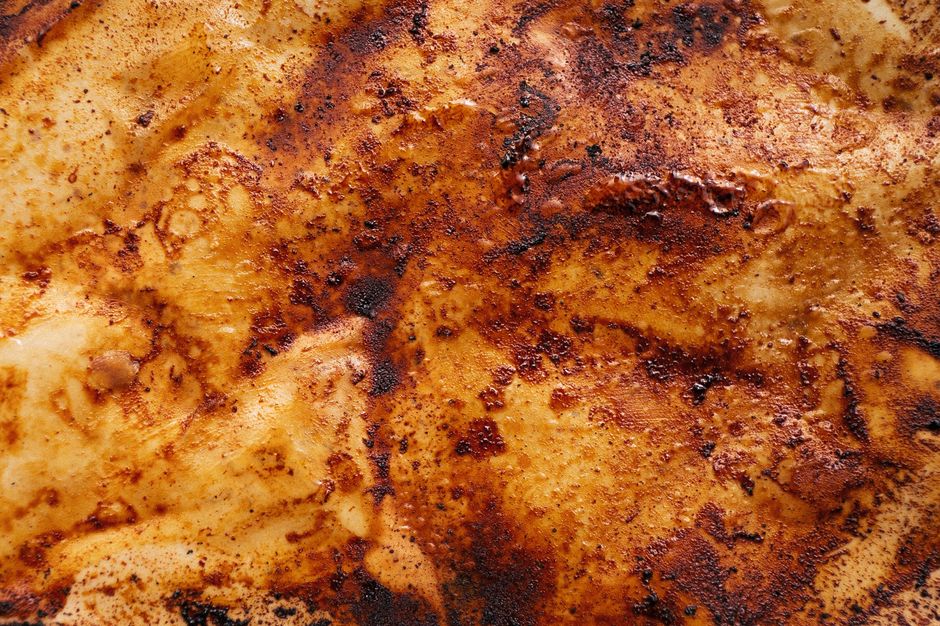
The Science Behind Perfect Caramelization: Chemistry in the Kitchen
The art of cooking is often seen as both a science and a craft, where intuition meets understanding. Among the many culinary techniques that home cooks strive to master, caramelization holds a special place. Caramelization is not just a way to enhance the flavor profile of ingredients; it’s a transformative process that creates complex flavors and appealing colors. This magical reaction is equally applicable to vegetables, meats, and even fruits, allowing home chefs to elevate their dishes into gourmet experiences. As you delve into the world of caramelization, you’ll discover that it is a beautiful interplay of heat, time, and the intricate chemistry that occurs when sugars break down and reconfigure.
Understanding the science behind caramelization can be particularly empowering for home cooks. By grasping the principles that govern this process, you can not only replicate it consistently but also improvise and adapt it to suit your culinary style. Imagine perfectly golden-brown onions, their scent wafting through your kitchen, or a beautifully seared steak with a crust that boasts deep umami notes. These results aren’t merely the outcomes of chance; they stem from applying specific techniques rooted in thermodynamics and organic chemistry. With the right knowledge, you can harness the power of caramelization in your cooking.
As you embark on this culinary journey, prepare to uncover the various factors that influence caramelization, from ingredient selection to the tools you use. Whether you're a novice eager to learn or an experienced home cook looking to refine your skills, embracing the science behind caramelization will not only enhance your dishes but also provide a sense of accomplishment in the kitchen. Grab your apron and let’s dive into the wonderful world of caramelization, where the heat is your ally and sugar is the star.
Understanding Caramelization: The Basics
To fully appreciate the art of caramelization, it's essential to first understand what it truly entails. Caramelization is a complex series of chemical reactions that occur when sugars are heated. This process involves the breakdown of sugar molecules, resulting in the formation of new compounds that contribute to flavors, aromas, and colors. While it often takes place at temperatures above 320°F (160°C), the process varies depending on the type of sugar used, the moisture content of the food, and the cooking method.
The Chemistry of Sugars
When you think about caramelization, it’s important to recognize that not all sugars behave the same way. There are two main types of sugars used in cooking: monosaccharides (like glucose and fructose) and disaccharides (like sucrose). During caramelization, the disaccharide sucrose is especially noteworthy; it breaks down into its constituent monosaccharides.
When heated, these sugars undergo dehydration and recombination to form various carbon compounds, contributing to the rich flavors associated with caramelized foods. This multifaceted chemistry results in a complex interplay of flavors that can range from sweet to nutty, with profound depth.
The Role of Temperature and Time
Temperature and time are arguably the two most critical factors in achieving successful caramelization. Understanding the temperature thresholds for different types of sugars can significantly impact your results. The ideal temperature range for caramelization typically falls between 320°F to 350°F (160°C to 175°C).
However, time is equally vital. If you don’t allow sufficient time for caramelization, the sugars won’t reach their full potential. Conversely, if you let them cook too long, they can burn, leading to a bitter flavor.
When caramelizing, aim for a balance:
The Influence of Ingredients
The specific ingredients you choose can also affect caramelization. The moisture content, sugar type, and even the acidity of your ingredients can greatly influence the outcome. For example, onions contain naturally occurring sugars that can caramelize excellently.
Essential Ingredients for Caramelization:
To optimize the caramelization process, ensure that your ingredients are clean and dry. Excess moisture can hinder the reaction, delaying the process and resulting in uneven caramelization.
The Techniques of Caramelization
Caramelization is not merely a passive process; it involves specific techniques that can dramatically enhance your results. Whether you're working with meats, vegetables, or desserts, knowing the correct approach will save time and elevate your dishes.
Searing Meats: The Maillard Effect
While caramelization primarily refers to sugars, it’s worth noting that the Maillard effect, which involves the protein and sugar interaction, can create a similar complexity in flavor. This is particularly relevant when searing meats, where the goal is to achieve that perfect crust.
For instance, consider searing a steak:
The right cook time on each side will depend on the thickness of your meat and your desired doneness, but a general rule of thumb is to cook a 1-inch steak for about 4-5 minutes per side for medium-rare.
Caramelizing Onions: Low and Slow
Caramelized onions are a staple in many kitchens, adding depth and sweetness to countless dishes. Here’s how to achieve the perfectly caramelized onion:
"Patience is key when caramelizing onions. The slower you go, the better the flavor!"
Caramelizing Sugar: The Classic Method
Caramelizing sugar can seem intimidating, but with practice, it’s a straightforward process. Here’s how to create the perfect caramel sauce from scratch:
You can take this caramelized sugar further by incorporating cream for a creamy caramel sauce if desired.
Flavor Profiles: What to Expect
The flavors developed through caramelization can vary greatly based on the ingredients involved. Mastering these flavors can significantly improve your culinary creations.
Sweetness vs. Bitterness
While sugar generally tastes sweet, as it caramelizes, the flavor profile becomes more complex.
The Importance of Balance
Understanding the balance between sweetness and bitterness is key to perfecting your dishes. If you’re caramelizing larger quantities, such as onions for French onion soup, consider pairing with ingredients that temper the sweetness and add layers of flavor.
Building Complexity with Layering
Layering flavors through various stages of caramelization is another technique worth considering.
Common Mistakes in Caramelization
Even experienced cooks can encounter issues when attempting to caramelize ingredients. Being aware of common pitfalls can help you avoid disappointing results.
Sugar Crystallization
One of the most significant issues that can occur during sugar caramelization is crystallization. This happens when sugar recrystallizes instead of caramelizing. To prevent this, consider these tips:
Overcrowding the Pan
Whether caramelizing vegetables or proteins, overcrowding can lead to steaming rather than caramelizing. Always:
Temperature Control
Burnt caramel or overly crispy vegetables can ruin a dish. Here’s how to maintain proper temperature control:
Chef Tips: Elevating Your Caramelization Game
To truly master caramelization and showcase your skills, consider these chef-approved tips that elevate the experience from good to extraordinary.
Essential Equipment
Using the right tools can make a world of difference:
Experiment with Different Sugars and Fats
Don’t limit yourself to granulated sugar and butter; explore other types:
Pairing with Acids
The addition of an acid can offer a delightful contrast to the sweetness, enhancing the overall taste.
Application Ideas
Once perfected, think about how you can incorporate caramelization into your dishes:
Conclusion
Caramelization is a foundational technique in cooking that not only enhances flavors but also elevates the dining experience. By understanding the science behind this transformative process and implementing the techniques discussed, you can significantly improve your culinary repertoire. Remember to balance your ingredients and maintain careful control over your cooking variables—temperature, time, and moisture content are your greatest allies in the pursuit of perfect caramelization.
As you continue to experiment and refine your skills, take note of how each adjustment influences flavor and texture. Whether it’s deliciously caramelized onions making their way into a comforting dish or the sweet allure of a homemade caramel sauce drizzled over dessert, mastering the art of caramelization opens doors to a world of unprecedented deliciousness. Remember, the beautiful reactions in the kitchen are just waiting to be harnessed; embrace the science, and let your taste buds celebrate!


Get the Next Recipe
Weekly recipes, techniques, and gear picks — straight to your inbox.
