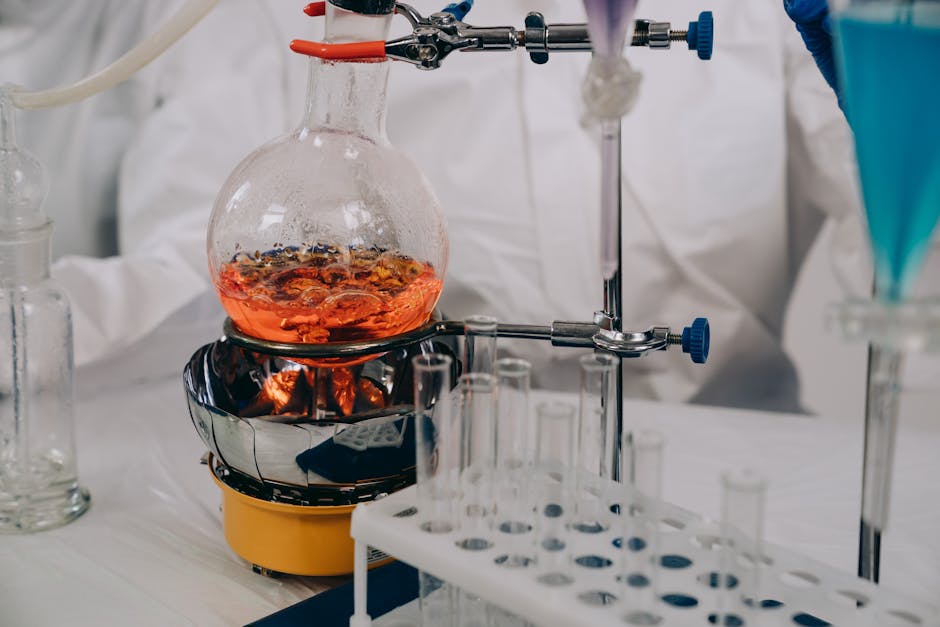
The Science Behind Perfect Caramelization: Maillard Reaction Explained
The first time you savor the deep, rich flavor of caramelized onions or the crusty brown coating on a perfectly seared steak, you may be experiencing the Maillard reaction without even knowing it. This intricate, thrilling process is not merely a kitchen magic trick; it’s a complex reaction that happens at the molecular level, resulting in food that is not just visually appealing, but also a delight for your taste buds. Often hailed as one of the most significant contributions to cooking, the Maillard reaction transforms raw ingredients, imbuing them with depth and dimension that elevate the mundane into an extraordinary culinary experience.
As home cooks navigate their culinary journeys, understanding the Maillard reaction can be a game-changer. This phenomenon occurs when amino acids and reducing sugars react under heat, creating hundreds of aroma compounds and flavors through a series of non-enzymatic browning reactions. It’s not just about achieving that perfect brown color on the surface of your food—it’s about unlocking flavor profiles that can turn an everyday meal into something remarkable. Therefore, mastering this culinary science is essential for anyone wishing to elevate their cooking skills and impress their family and friends.
In this guide, we’ll delve deep into the world of caramelization, dissecting the Maillard reaction and everything that comes with it. From the science behind this fascinating chemical process to practical tips on how to achieve the perfect caramelization at home, this post aims to equip you with the knowledge needed to elevate your culinary prowess. So, let’s embark on this flavorful journey into the science of cooking and discover how to transform your dishes through the magic of caramelization!
Understanding the Maillard Reaction
The Maillard reaction was first discovered by French chemist Louis-Camille Maillard in 1912 when he observed the chemical processes that occur when amino acids and reducing sugars are heated together. This reaction begins to take place at temperatures typically above 285°F (140°C), where the sugars and proteins begin their delightful dance, leading to the browning effect commonly seen in grilled meats, baked bread, roasted coffee, and much more. It's this reaction that’s responsible for the savory depth in foods, giving them complex flavors and enticing aromas that are difficult to resist.
Chemical Basis of the Reaction
At the core of the Maillard reaction is the interaction between amino acids (the building blocks of proteins) and reducing sugars. The process begins when the heat causes the sugars to break down, which then react with free amine groups in the amino acids. Through a series of complex, multi-step reactions, this leads to the formation of what are known as Maillard products, which are responsible for the characteristic flavors and aromas associated with cooked foods.
During this transformative journey, various intermediate compounds are produced. These include dicarbonyl compounds, which are crucial in furthering the reaction and leading to the creation of melanoidins, the pigments that give browned food its appetizing color. It's not just the initial reaction that counts; the subsequent reactions lead to the deepening of flavors, which means the longer you allow your food to undergo this transformation—within reason—the more intense and complex the flavors become.
Importance of Temperature and Time
Temperature and time are critical components for achieving that perfect caramelization. Different types of food have various optimal temperatures for the Maillard reaction to occur, and understanding these nuances can help you achieve better results in the kitchen. For meats, you typically want to sear at high heat, often around 375°F (190°C) or higher, to develop that deep brown crust. In contrast, when caramelizing onions, a lower and slower approach at around 250°F (120°C) allows natural sugars to slowly break down and develop sweetness without burning.
- 285°F to 350°F (140°C to 175°C) for most foods.
- 350°F to 450°F (175°C to 230°C) for meats and other items that benefit from a quick, high-heat sear.
- pH levels: A more alkaline environment can enhance browning.
- Moisture levels: Too much moisture can hinder the reaction, while the right amount can enhance flavors.
Understanding these factors allows you to modulate your cooking techniques for optimal results, providing a solid foundation for creating beautifully caramelized dishes.
The Role of Ingredients
The ingredients you select play a pivotal role in the Maillard reaction. Not all sugars or amino acids behave the same way, and the quality and type of the ingredients can significantly affect the outcomes.
Amino Acids and Their Impact
Different proteins contain varying types and amounts of amino acids. For instance, meat is rich in amino acids like lysine, while vegetables might contain different profiles that affect their browning potential. This variance can influence both the flavor and aroma of your final dish.
- Glutamate: Adds umami flavors, enhancing savory dishes.
- Proline and Glycine: Contribute to flavor development, particularly in proteins.
By choosing high-quality meats with rich amino acid profiles, you can yield more flavorful outcomes. Similarly, when caramelizing vegetables, varieties like onions, garlic, and shallots are particularly well-suited for enhanced Maillard reactions due to their higher sugar content.
Sugars and Their Types
Sugars vary widely in their ability to participate in Maillard reactions. Simple sugars like glucose and fructose caramelize more quickly than complex carbohydrates like starch, which first need to be broken down into simpler sugars before they can contribute to browning.
- Sucrose: Common table sugar, good for caramelization.
- Glucose and Fructose: Found in fruits, these sugars caramelize easily.
When creating dishes where caramelization is key, consider incorporating sugars that will enhance the Maillard process. For instance, a drizzle of honey or a sprinkle of brown sugar can bring a wonderful glaze and flavor to your roasted vegetables or meats.
Choosing the Right Fats
Fats serve a dual purpose in the cooking process by not only enhancing flavor but also impacting the Maillard reaction. Different fats have different smoke points, which influence how they support browning.
- Butter: Adds flavor, suitable for lower temperatures.
- Olive Oil: Good for sautéing; has a moderate smoke point.
- Canola Oil: High smoke point, perfect for searing.
Choosing the right fat can help achieve the optimal temperature for the Maillard reaction while adding layers of flavors to your dish. For instance, a combination of olive oil and butter can provide a rich flavor profile while enhancing the browning effect on vegetables.
Techniques for Achieving Perfect Caramelization
While understanding the science behind the Maillard reaction lays the groundwork for achieving perfect caramelization, mastering specific techniques is equally essential. With various methods available, knowing when and how to apply them can make all the difference.
Searing: The Art of High Heat
Searing is one of the most popular methods for achieving a beautifully caramelized exterior on meats.
- Pat the meat dry to remove any moisture.
- Season generously with salt and pepper.
- Use a heavy-bottomed pan and heat it to high heat. Let it preheat until it’s smoking slightly.
- Add a high-smoke-point fat like canola oil or clarified butter for an extra hit of flavor.
- Place the meat in the pan. Do not overcrowd; this will drop the pan temperature.
- Let the meat cook without moving it for 2-3 minutes, allowing for a proper sear.
- Flip the meat and sear the other side for another 2-3 minutes until a deep brown crust forms.
Roasting: Low and Slow
Roasting is another fantastic method for achieving caramelization, especially with vegetables.
- Set your oven to 400°F (200°C), ensuring it reaches a consistently hot environment.
- Cut vegetables into uniform pieces to ensure even cooking.
- Toss with olive oil, salt, and any desired herbs or seasonings.
- Spread vegetables in a single layer on a parchment-lined baking sheet.
- Roast in the oven for 20-30 minutes, checking occasionally. Give them a toss halfway through to promote even caramelization.
- Keep an eye out for that beautiful browning. The sugars within the vegetables will start to caramelize, transforming their flavors.
Caramelization on the Stovetop
For recipes like caramelized onions, you must follow a slightly different approach to harness the Maillard reaction.
- Use yellow or sweet onions for best results. Slice them thinly to promote even cooking.
- Use a large skillet on medium-low heat.
- Melt butter or oil in the pan, then add the sliced onions.
- Stir occasionally to prevent burning, ensuring even cooking and achieving that rich caramel color.
- Cook for about 30-40 minutes, depending on how caramelized you like them.
- For added depth, deglaze the pan with a splash of wine or broth, scraping up any flavorful bits stuck to the bottom.
Common Mistakes to Avoid
While understanding the Maillard reaction and employing various techniques will help achieve great caramelization, avoiding common pitfalls is just as crucial.
Mistake 1: Overcrowding the Pan
One of the most frequent mistakes people make is overcrowding the pan, which leads to steaming rather than browning. When too many items are in the pan at once, moisture is released, creating an environment too wet for the Maillard reaction to occur.
Mistake 2: Skipping the Drying Step
Moisture is the enemy of caramelization. Ensure your ingredients, especially proteins, are thoroughly dried before applying heat. This not only allows for better browning but also means you’ll achieve that desired crust rather than a sad, soggy surface.
Mistake 3: Ignoring the Temperature
Cooking at the wrong temperature can lead to burnt food. High heat is essential for achieving a proper sear and facilitating the Maillard reaction without burning your food.
Mistake 4: Not Allowing for Time
Caramelization takes patience. Rushing through the process can lead to pale and underwhelming results. Allow your meats to sear properly and give vegetables time to caramelize beautifully.
Flavor Combination Ideas
To take your caramelization skills to the next level, consider pairing specific ingredients that complement the Maillard reaction for heightened flavor experiences.
Savory Combinations
Combining proteins with herbs and spices enhances caramelization and adds layers of flavor:
Sweet Pairings
For desserts, knowing how to use caramelization effectively can yield stunning results:
Diverse Combinations
Variety in cooking generates unique flavor profiles.
Conclusion
The Maillard reaction is more than just a cooking technique; it is the heart of flavor development in the kitchen. By understanding the science and applying various cooking techniques, you can unlock a world of complexity in your cooking. Remember the foundational principles of temperature, time, and ingredient selection when crafting your dishes.
Implement the tips and techniques we've discussed, and practice patience as you cook. The magic of caramelization will elevate every meal and turn simple ingredients into tantalizing delights. Whether you are searing, roasting, or caramelizing, each step taken in this culinary journey will enrich your cooking skills and transform your dining experiences. Embrace the science, experiment, and watch your meals flourish in flavor and visual appeal. Happy cooking!

Get the Next Recipe
Weekly recipes, techniques, and gear picks — straight to your inbox.
