The Science Behind Perfect Emulsification in Sauces
Understanding the science of emulsification reveals why certain sauces and dressings maintain that sought-after smoothness and stability. Emulsification is at the core of many classic sauces that chefs and home cooks rely on to elevate their dishes, imparting both flavor and texture. At its most basic level, emulsification is the process of combining two immiscible liquids, such as oil and water, where one of the liquids is dispersed into tiny droplets within the other. This transformation, while seemingly magical, is rooted in the behavior of molecules and the physical forces at play.
One of the most fascinating aspects of emulsification is the role of emulsifiers—substances that help stabilize emulsions by reducing surface tension. These can be natural, such as egg yolks in mayonnaise, or synthetic, like certain commercial stabilizers. By understanding how these emulsifiers work, cooks can create more resilient sauces that won’t separate over time. Moreover, using precise techniques will not only improve the stability of your sauces but can also enhance the overall dining experience.
The profound relationship between technique and the properties of the ingredients we use is underscored by the various factors that influence emulsification. Temperature, the order of ingredient incorporation, and the speed of mixing can all drastically affect the outcome. By mastering these elements, you can ensure that every emulsified sauce you create is smooth, rich, and full of flavor, turning even the simplest ingredients into culinary masterpieces.
The Basics of Emulsification
Understanding the foundational principles of emulsification is essential for any aspiring chef or enthusiastic home cook. At its core, emulsification involves the mixing of two substances that do not naturally mix, typically oil and water-based components. This process requires an emulsifier that stabilizes the mixture, preventing separation.
What is an Emulsion?
An emulsion is defined as a mixture of two immiscible liquids stabilized by an emulsifying agent. There are two primary types of emulsions: oil-in-water (O/W) and water-in-oil (W/O). In oil-in-water emulsions, such as mayonnaise and vinaigrettes, oil droplets are dispersed in a water-based solution. Conversely, in water-in-oil emulsions, such as butter, water droplets are dispersed in a fat phase.
Emulsions can be temporary or permanent, depending on the technique and ingredients used. For example, vinaigrettes are temporary emulsions because they separate quickly unless continuously whisked or shaken. On the other hand, mayonnaise is a permanent emulsion due to the presence of lecithin in egg yolks, which binds the oil and water components together effectively.
The Role of Emulsifiers
Emulsifiers are critical in creating a stable emulsion. These molecules have both hydrophilic (water-attracting) and hydrophobic (water-repellent) components, allowing them to interact with both oil and water. Some common emulsifiers include:
Types of Emulsions in Cooking
Different types of emulsions serve various culinary purposes. Understanding these distinctions can help you choose the right technique and ingredients for your sauces.
Chef Tip: To enhance the stability of your emulsion, always use room-temperature ingredients. Cold ingredients can shock the emulsion and lead to separation.
The Science of Mixing Techniques
The technique used when mixing your emulsions can greatly influence the final product, and mastering these methods can be the key to success in the kitchen. Whether you're whipping up a homemade mayonnaise or a classic hollandaise, understanding when and how to add ingredients can help you achieve perfect results every time.
Methods of Incorporation
There are several popular techniques for incorporating ingredients into emulsions, each with its own applications and levels of complexity.
Chef Tip: For thinner emulsion dressings, such as lemon vinaigrette, adjust the ratio of oil to acid to suit your taste. A classic ratio is 3:1 oil to acid, but you can adjust based on personal preference.
Temperature Matters
Emulsification is highly sensitive to temperature. When oil and water are mixed at different thermal levels, this can significantly affect the stability of the emulsion. Here are key points to consider:
The Importance of Timing
Timing is critical in the emulsification process. The speed at which you add the oil relative to your mixing method matters significantly.
Chef Tip: For best results, position your bowl on a damp kitchen towel to stabilize it while you whisk—this allows for better control and focus on your emulsion.
The Role of Acidity in Emulsification
Acidity plays a significant role in determining how well emulsions come together. Ingredients such as vinegar, citrus juices, and other acidic components not only add flavor but also impact the stability of your emulsifications.
Impact of Acid on Emulsification
Acidic ingredients do more than enhance flavor; they also change the surface properties of both oil and water molecules. The presence of acidity can help emulsifiers work more effectively by altering their charge and improving their ability to bridge the two fluids.
Balancing Acidity and Oil
Finding the right balance between oil and acidity is key to successful emulsification. Here’s a guide to help you determine the ideal ratio for various needs:
Acid-Infused Variations
Different acidic elements can impart unique flavor profiles to your emulsified sauces. Consider these variations to elevate your emulsions:
Chef Tip: When experimenting with vinegars, start with small quantities to test for flavor; you can always add more, but you can't take it back once added.
Troubleshooting Common Emulsion Problems
Even the most seasoned cooks can run into issues with emulsification. Understanding common problems and their solutions can help you save your sauces and level up your cooking.
Problems You Might Encounter
Solutions to Common Problems
Prevention Tips
Chef Tip: Always taste your emulsion along the way. Adjust salt, acidity, and flavors as you go to ensure a balanced and satisfying sauce.
Exploring Classic Emulsified Sauces
Emulsified sauces form the backbone of culinary excellence. Understanding how to create a range of sauces can greatly expand your repertoire, bringing depth and sophistication to your dishes.
Classic Mayonnaise
Mayonnaise is perhaps the most universally recognized emulsion. This creamy, rich sauce is a staple in kitchens worldwide, serving as a base for many other sauces and dressings.
Ingredients:
Steps:
Hollandaise Sauce
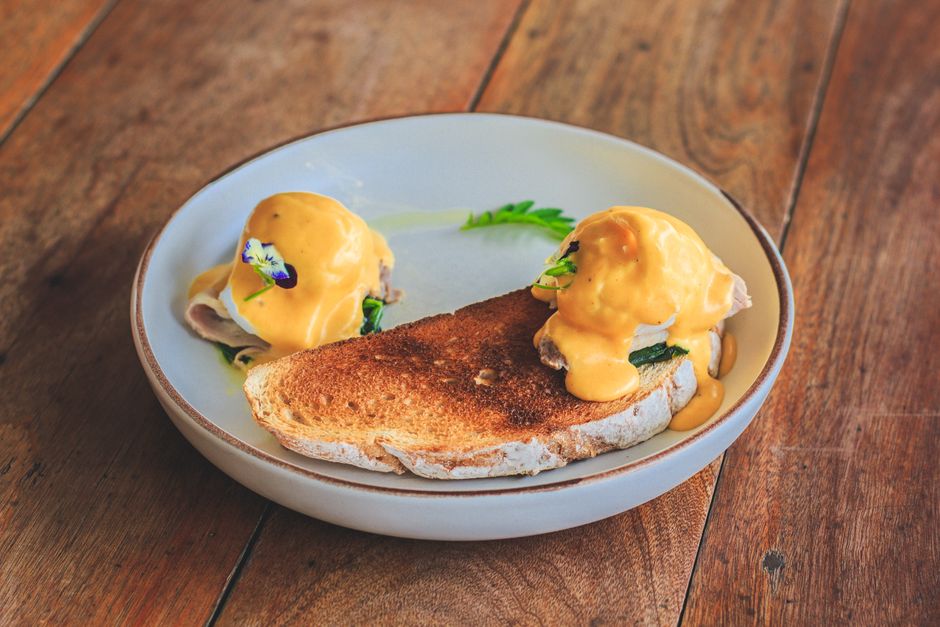
Hollandaise is a classic French sauce made with egg yolks, melted butter, and lemon juice. Often served with eggs Benedict, this rich sauce is a true test of emulsification skills.
Ingredients:
Steps:
Vinaigrettes
Vinaigrettes are versatile dressings that can be adjusted to suit any salad or grilled vegetable. Here’s a basic recipe to get started.
Ingredients:
Steps:
Chef Tip: Experiment with different oils and acid combinations to find your favorite flavor profiles!
Conclusion
Emulsification is a fundamental technique that elevates the everyday skills of a home cook into the realm of culinary artistry. Understanding the dynamic interactions between oil, water, and emulsifiers enriches your cooking experience and significantly enhances your ability to create delicious, stable sauces.
By grasping the vital roles that temperature, timing, techniques, and acidity play in emulsification, you’ll be able to tackle a plethora of emulsified sauces with confidence. Practice makes perfect! Whether you're preparing classic sauces like mayonnaise and hollandaise or exploring innovative vinaigrettes, let your newfound knowledge guide you through the process of creating remarkable culinary experiences.
As you continue your culinary journey, remember that experimentation is key. Feel free to adjust ingredient ratios, explore different emulsifiers, and incorporate a variety of flavors. Each attempt is a stepping stone to mastering the art of emulsification. Happy cooking!


Get the Next Recipe
Weekly recipes, techniques, and gear picks — straight to your inbox.
