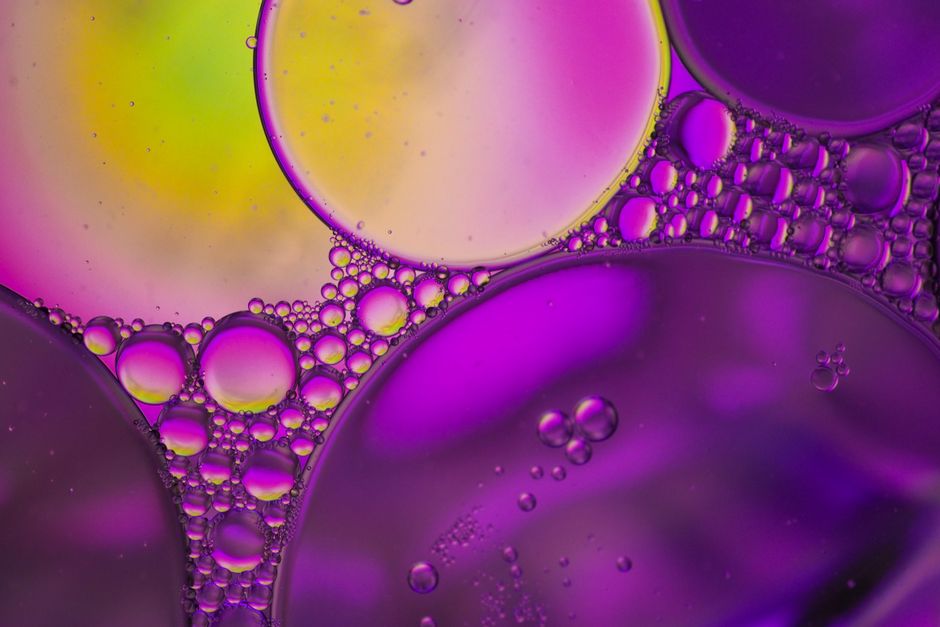
The Science Behind Perfect Emulsions: Mastering Hollandaise and Béarnaise
The art of cooking is an intricate dance of science and technique, where understanding the fundamentals can elevate a dish from mundane to magnificent. One of the cornerstones of this culinary journey is mastering emulsions, the delightful marriage of oil and water-based liquids, which is foundational for sauces such as Hollandaise and Béarnaise. These sauces don't just enhance flavors; they embody the finesse and precision required in classic French cuisine. For the home cook eager to sharpen their culinary skills, grasping the science behind these emulsions can dramatically enhance their repertoire and confidence in the kitchen.
At its core, an emulsion is a mixture that typically does not mix well – like oil and water – but through proper techniques, heat, and an understanding of ingredient proportions, they can be transformed into silky, luscious sauces. Hollandaise, made primarily from egg yolks, butter, and lemon juice, serves as one of the mother sauces in French cuisine and is the star of dishes like Eggs Benedict. Béarnaise, on the other hand, is an offspring of Hollandaise, enriched with a bouquet of herbs and vinegar, adding complexity and depth to any grilled or roasted meats it's served alongside.
In this post, we will delve into both sauces, focusing on the science behind emulsification, ingredient interactions, and the techniques that will turn every home cook into a culinary wizard in the realm of emulsified sauces. From understanding the role of egg yolks to the importance of temperature control, prepare to unlock the secrets of perfect emulsions that will dazzle your family and friends alike.
The Science of Emulsions
When we talk about emulsions, two types are mainly referenced: temporary emulsions, which separate quickly, and permanent emulsions, which are stable and require more technical skill to create. The key to emulsifying any mixture lies in the emulsifying agents, which help to bind the two immiscible liquids together.
What is an Emulsion?
An emulsion is a blend of two phases that do not naturally mix, typically oil and water. The key to a successful emulsion is the incorporation of a third ingredient, known as an emulsifier, which can stabilize the mixture by creating a barrier around the oil droplets. Common emulsifiers in cooking include:
Emulsions can be classified into two categories:
Understanding the Chemistry
The phenomenon of emulsification revolves around the interaction of molecules. Oil molecules are hydrophobic and repel water, while water molecules are hydrophilic and repel oils. When you whisk or blend oil into an aqueous phase (like vinegar or lemon juice), you create tiny droplets of oil suspended within the liquid. This is known as dispersing the oil, and it requires energy, usually applied through mechanical agitation (whisking or blending).
To achieve a stable emulsion, the size of the oil droplets must be reduced significantly. This is often achieved through:
Importance of Ingredients
To create a successful emulsion, the ingredients’ quality and ratios must be meticulously observed. Understanding the role each ingredient plays in the overall structure of your sauce is crucial. For instance, egg yolks not only serve as an emulsifier; they also contribute richness and flavor, while acid (like lemon juice or vinegar) helps stabilize the emulsion by lowering the pH, which can, in turn, affect the protein structure of the egg yolk.
"A true emulsifier isn't just about holding oil and water together; it's about balancing flavor, texture, and stability."
Mastering Hollandaise Sauce
Hollandaise sauce is one of the five mother sauces in French cuisine and is celebrated for its buttery richness and smooth texture. Learning to create this sauce is not just about mixing ingredients; it's about embracing precision and attention to detail.
Ingredients and Ratios
To create a classic Hollandaise, you will require:
The classic ratio is about 1 large egg yolk to 2 tablespoons of butter, but you can adjust the richness to your liking.
Technique: The Double Boiler Method
The most reliable method for preparing Hollandaise is using a double boiler to ensure gentle heating of the egg yolks. Overheating can cause the yolks to curdle, ruining the emulsion.
#### Steps to Create Hollandaise:
- Fill a saucepan with a few inches of water and bring it to a simmer. Ensure that the water does not touch the bottom of the bowl that will sit above.
- In a heat-proof bowl (or the top of the double boiler), whisk the egg yolks with lemon juice until they become pale and frothy.
- Place the bowl over the simmering water, ensuring the water is not boiling vigorously. Whisk continuously to avoid cooking the yolks too quickly. Heat until the mixture is warm to the touch, about 110°F (43°C).
- Slowly drizzle in the melted butter while continuously whisking. This step is crucial; if added too quickly, the emulsion can break. The goal is to create a thick, creamy sauce.
- Once the sauce has thickened, remove it from the heat and season with salt and cayenne pepper. Serve immediately, keeping it warm until you're ready to plate.
Troubleshooting Common Issues
Creating Hollandaise can be challenging due to the delicate nature of egg yolks. Here are some common problems and their solutions:
"Patience and attention are essential when making Hollandaise; the reward is a sauce that transforms dishes like Eggs Benedict into a gourmet experience."
Exploring Béarnaise Sauce
Béarnaise sauce is a classic derivative of Hollandaise, infused with bold flavors from herbs and shallots, making it a perfect accompaniment to steaks, fish, and vegetables. Understanding the method of creating Béarnaise is integral to mastering sauces in French cooking.
Ingredients and Ratios
For the perfect Béarnaise, gather the following:
Similar to Hollandaise, the foundation of Béarnaise is based on the same proportions of egg yolks and butter, but it incorporates aromatics that give it a distinct character.
Technique: Infusing Vinegar
One of the defining characteristics of Béarnaise is its acid base, infused with the essence of shallots and tarragon. The vinegar reduction is crucial for flavor depth.
#### Steps to Create Béarnaise:
- In a small saucepan, combine the white wine vinegar, minced shallots, and half of the tarragon. Simmer over medium heat until reduced by half. Strain the mixture to remove solids and set aside.
- In a heat-proof bowl, whisk together the egg yolks and the strained vinegar reduction until frothy.
- Set the bowl over a double boiler and whisk continuously as you did for Hollandaise, ensuring the temperature is around 110°F (43°C).
- Gradually whisk in the clarified butter in a slow, steady stream until fully incorporated. The sauce should thicken beautifully.
- Finally, stir in the remaining chopped tarragon and season with salt and pepper.
- Béarnaise is best served immediately, but it can be kept warm over a double boiler for a short time.
Managing the Texture and Flavor
Balancing acidity is crucial in Béarnaise. If the sauce tastes overpowering, consider adding a touch more butter to soften the flavor while enhancing mouthfeel. Always taste as you go!
"Béarnaise sauce is not just a topping; it's a flavor enhancer of the highest order, transforming simple meats into spectacular entrees."
Tips for Perfect Emulsions
Mastering emulsions like Hollandaise and Béarnaise requires not just precision but also mindfulness regarding the ingredients and techniques. Here are some pro tips to ensure success every time.
Temperature Control
The temperature of the ingredients can significantly impact the emulsion's success:
Use the Right Equipment
Experiment with Variations
Once you get comfortable with the classic formulas, feel free to experiment:
Maintaining Your Emulsions
Emulsified sauces are best served fresh but can be stored and reheated if necessary. However, maintaining their consistency may require additional techniques.
Storage Tips
Reviving an Emulsion
If your sauce has cooled and stiffened, don't despair! Here’s how you can bring it back to life:
Conclusion
In the realm of cooking, mastering techniques like emulsification opens up a world of culinary possibilities. Hollandaise and Béarnaise are not merely sauces; they are emblematic of the careful balance between science and artistry in cooking. By understanding the underlying principles of emulsions and applying precise techniques, you can elevate your cooking to new heights.
As you hone your skills in making these sauces, remember to embrace the process, experiment with flavors, and, most importantly, enjoy the journey of culinary exploration. Perfecting emulsions is about more than just creating a delightful sauce; it's about developing a deeper connection with the food you prepare and the joy it brings to those you share it with. So, gather your ingredients, turn on your stove, and embark on this flavorful adventure with confidence—because now, you truly have the knowledge to knock it out of the park.
With practice, you will find that engaging with ingredients and techniques like these is what transforms a home cook into a culinary artist. Each whisk and blend brings you closer to achieving seamless, velvety emulsions that will impress not just your family but yourself as you perfect this classic technique. Happy cooking!


Get the Next Recipe
Weekly recipes, techniques, and gear picks — straight to your inbox.
