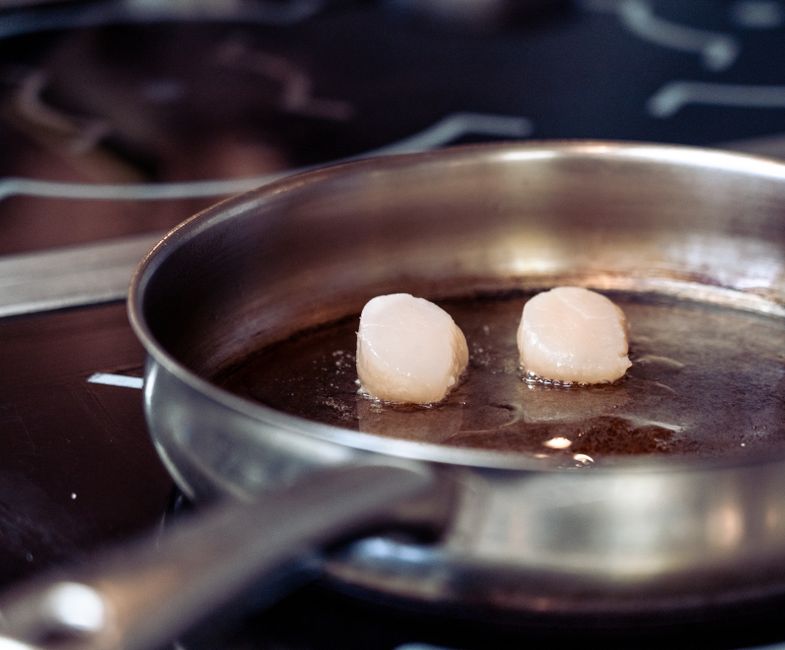
The Science Behind Perfect Pan-Seared Scallops: Temperature, Timing, and Technique
Cooking is often viewed as an art, filled with creativity and expression, but at its core, it is a precise science. This is especially true when it comes to cooking delicate seafood like scallops. For many home cooks, scallops are a luxurious choice, yet they can easily become overcooked or undercooked, leading to frustration. Achieving the perfect pan-seared scallop can elevate any dish, turning a simple meal into a gourmet experience. The secret lies in understanding the science behind temperature, timing, and technique.
Scallops are a type of bivalve mollusk, prized for their sweet, buttery flavor and firm texture. When cooked correctly, they develop a beautiful crust while retaining a tender interior. However, they are notorious for being tricky to cook. The window between perfectly cooked scallops and rubbery ones is remarkably narrow. Therefore, knowledge of how heat affects the proteins in scallops, the appropriate cooking methods, and how to handle them is essential for every home cook looking to impress their family or guests.
In this post, we will delve into the intricacies of cooking scallops, covering essential topics such as selecting the right type of scallops, understanding the ideal cooking temperatures, mastering the timing, and applying proper techniques that will ensure your scallops turn out perfectly every time. Whether you are looking to make a special dinner or simply wanting to enhance your culinary skills, the art of pan-searing scallops is a fantastic place to start.
Types of Scallops: Understanding Your Ingredients
Before delving into the cooking process, it is crucial to understand the different types of scallops available and which are best suited for pan-searing. The two most common varieties are Diver-caught scallops and Farm-raised scallops. Both types have distinct characteristics that can influence the cooking process.
Diver-Caught vs. Farm-Raised Scallops
The Importance of Sourcing
When selecting scallops, freshness is key. Look for scallops that have a subtle ocean scent and a glistening appearance. Avoid scallops that smell overly fishy or have a dull, dry surface. Additionally, check for the size; dry scallops, which are usually labeled as “dry-packed,” are generally considered superior. They have not been treated with water or preservatives, leading to better flavor and a more desirable texture.
- Opt for dry scallops whenever possible.
- Check for a fresh ocean scent.
- Look for firm, plump scallops with a glistening surface.
Understanding the type and quality of scallops you are working with will set the stage for your cooking process, allowing you to tailor your technique to suit the ingredient.
Preparing Scallops for Cooking
Preparation is as crucial as cooking when it comes to achieving the perfect sear on scallops. Proper preparation involves cleaning, drying, and seasoning. Here’s how to set yourself up for success.
Cleaning and Drying Scallops
The goal here is to ensure that the cooking surface is hot, allowing the scallops to sear rather than steam. Proper drying will help achieve that sought-after crust.
Seasoning Your Scallops
Once your scallops are clean and dry, it’s time to season them. Since scallops have a naturally sweet flavor, they require minimal seasoning. Here’s a simple guideline:
"The key to great scallops is simplicity; let their natural sweetness shine."
Through this minimal approach, you’ll find that the scallops can be the star of your dish without overwhelming them with too many spices.
Mastering Temperature: The Key to Success
When cooking scallops, temperature is critical. Not just the cooking temperature, but also the internal temperature of the scallops themselves. Here’s how to approach this vital aspect:
Ideal Cooking Temperature
For perfect pan-seared scallops, it’s essential to reach the right cooking temperature. Here are the temperature guidelines you should follow:
How to Monitor Temperature
One of the best ways to monitor temperature without guesswork is to use an instant-read thermometer. Here’s how to do it correctly:
Tips for Checking Doneness
If you don’t have a thermometer handy, you can also gauge doneness by visual inspection:
"Cooking scallops to the perfect temperature ensures a tender and flavorful bite, essential for a luxurious dish."
Understanding how temperature interacts with scallops will empower you to make informed decisions right in your kitchen.
The Technique of Searing: Timing Matters
Once your scallops are prepped and your pan is at the right temperature, it’s time to perfect your cooking technique. Timing is crucial at this stage, and a well-timed sear can take your scallops from average to outstanding.
Searing Techniques
The Role of Basting
As you flip the scallops, you can elevate the flavor even further by basting them with butter:
Timing is Everything
Perfectly seared scallops require keen attention to timing. Set a timer, or use your smartphone to help you keep track:
By ensuring you keep an eye on both timing and technique, you’ll cook scallops that would make any chef proud.
Serving the Scallops: Presentation and Flavor Pairings
Now that you’ve cooked the perfect scallops, the next step is serving them to highlight their exquisite qualities. Presentation and the choice of side dishes can make a significant impact on the overall dining experience.
Plating Ideas
Flavor Pairings
Pair your scallops with flavors that enhance their natural sweetness:
Wine Pairing
When it comes to drinks, white wines are the classic accompaniment for scallops. A few suggestions include:
"Presenting your scallops thoughtfully not only enhances their appeal but elevates the entire dining experience."
The way scallops are served can truly elevate the perception of the entire meal.
Troubleshooting Common Issues
Even the best cooks face challenges now and then. Here are some troubleshooting tips for common scallop cooking issues:
Problem: Scallops Are Overcooked
Solution: If your scallops turn out rubbery and tough, it’s likely due to overcooking. This usually happens when you leave them on the heat for too long. To avoid this in the future:
Problem: No Searing or Browning
Solution: If your scallops didn’t sear properly, it could be due to too much moisture or an inadequately heated pan. Ensure you:
Problem: Flavor Is Lacking
Solution: If your scallops lack flavor, review your seasoning. Remember to be generous with salt and consider adding complementary elements, such as a rich sauce or flavorful sides.
Taking the time to troubleshoot before, during, or after cooking can help you refine your technique and enjoy stellar results next time.
Conclusion
Cooking perfect pan-seared scallops is both a science and an art. Understanding the nuances of scallop types, mastering preparation techniques, paying attention to temperature and timing, and presenting your dish skillfully will elevate your culinary repertoire to new heights. With practice, intention, and a bit of creativity, you can consistently prepare this impressive dish that never fails to impress your guests.
Take pride in your cooking, enjoy the process, and don't hesitate to experiment. Each time you cook scallops, you will become more attuned to their needs and acquire a deeper appreciation for this luxurious seafood. When you master the technique of pan-searing scallops, you unlock a world of culinary possibilities that will have you serving restaurant-quality dishes in the comfort of your own home.
Remember: at the heart of cooking lies discovery and joy. Embrace it, and let your culinary journey with scallops begin!
Get the Next Recipe
Weekly recipes, techniques, and gear picks — straight to your inbox.
