The Science Behind Perfect Pasta: Water, Salt, and Timing
Pasta has long been the backbone of Italian cuisine, celebrated for its versatility and ability to pair with a myriad of flavors. However, the process of cooking pasta to perfection is often shrouded in myths and misconceptions. Ask any home cook, and they will likely have their own technique, but these personal methods might not always yield the best results. Understanding the science behind cooking pasta can drastically improve the quality of your dishes and elevate your culinary skills. With the right water, the perfect amount of salt, and impeccable timing, you can create pasta that is not only visually stunning but also delivers an unforgettable taste experience.
At its core, cooking pasta is a scientific endeavor. The transformation it undergoes—from a hard, dry noodle into a soft, pliable dish—relies on specific conditions and processes. The relationship between temperature, time, and ingredients establishes the perfect environment for pasta to absorb water and swell. Not all pasta is created equal; different shapes and sizes call for varied approaches, making it essential to understand the nuances in cooking techniques. Simplifying these complexities will help you achieve a consistent result no matter what type of pasta you choose.
Furthermore, it's not just about boiling water and adding noodles. The way you conduct this process can significantly affect the overall quality of your pasta. Factors such as the type of water, the appropriate amount of salt, and the right cooking timing all play a crucial role. As we delve deeper into the science behind perfect pasta, you'll learn how to fine-tune your technique, aiding you in creating the ideal plate of pasta every single time.
The Role of Water in Cooking Pasta
Importance of Water Temperature
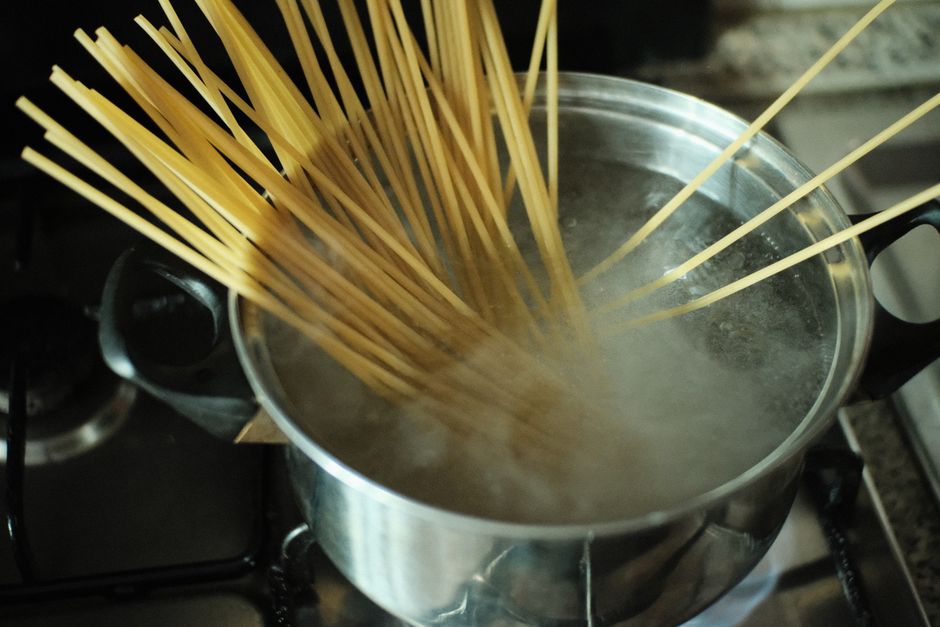
The temperature of the water you use to cook pasta is critical. Most pasta should be cooked in boiling water—this means reaching a rolling boil at 212°F (100°C) at sea level. Boiling water facilitates even cooking by allowing the pasta to hydrate evenly. When the pasta hits the boiling water, it begins to gelatinize, a process that helps achieve the desired texture. Here’s why the starting temperature matters:
To achieve the best results, fill a large pot with water, generally using 4 to 6 quarts per pound of pasta. This quantity should help ensure that the temperature remains consistent once the pasta is added.
The Quality of Water Matters
Not all water is created equal. The type of water you use can influence the flavor of your pasta. For the best results, you should consider:
As a rule of thumb, if your tap water has a noticeable smell or taste, opt for bottled or filtered water. The purity of your water will contribute to the overall flavor profile of your dish.
Volume of Water and Its Impact
The volume of water used is just as important as its quality and temperature. Using too little water can lead to the pasta clumping together, as it will not have room to move freely and cook evenly. Here are some guidelines for the water-to-pasta ratio:
Following these guidelines ensures that your pasta cooks evenly and reaches its full potential.
Salt: The Flavor Enhancer
Importance of Salt in Pasta Water
When it comes to cooking pasta, salt is often underappreciated. It’s not just for flavoring the water; it affects the cooking process in many significant ways. Salt raises the boiling point of water, which can enhance the cooking process even further. Here’s what to keep in mind:
Salting the water not only enhances the flavor of the pasta but can also ensure that the final dish has a well-balanced taste.
Different Types of Salts
Not all salt is created equal, and different types can produce different results:
When salting your water, it's particularly important to adjust based on the salt type, as they vary significantly in intensity.
Rinsing Pasta: Why You Should Avoid It
Many home cooks make the mistake of rinsing their pasta after cooking. However, rinsing removes the starch, which acts as a natural binder for sauces. By leaving the starch on, you ensure a creamy, cohesive sauce that clings beautifully to the pasta's surface.
“Never rinse pasta! The starch helps the sauce adhere better and results in a more flavorful dish.” — Culinary Expert
The Critical Role of Timing
Al Dente: The Perfect Texture
Achieving the perfect texture is one of the most important aspects of cooking pasta. The term al dente is Italian for "to the tooth," referring to pasta that is cooked until it offers a slight resistance when bitten into. Here's how to time it correctly:
Timing is crucial; perfectly timed pasta should be firm enough to hold its shape while still being soft and delicious.
Factors That Affect Cooking Time
Several variables can impact how long it takes your pasta to cook:
It’s essential to stay vigilant and keep an eye on your pasta.
Finishing Touches Before Serving
Before serving your pasta, make sure to reserve a cup of pasta water. This starchy water can be a game-changer when it comes to finishing your sauce. You can use it to adjust the consistency—a little goes a long way in creating emulsion and binding sauces to your pasta.
Using this technique will improve your pasta dishes by creating a beautiful sauce that doesn’t slide off the noodles.
The Art of Pasta Shape Selection
Understanding Pasta Shapes
Not all pasta shapes work with every type of sauce. Choosing the right shape is crucial for achieving a harmonious balance in your dish. Here’s a quick guide to popular pasta shapes and their best pairings:
Understanding these considerations will help you create more thoughtful and delicious dishes.
Pairing Sauces with Pasta Shapes
To further refine your pasta dishes, consider matching sauces with the right pasta shapes:
Cooking Times Per Pasta Shape
Here’s a quick cooking time list for various pasta shapes:
Using this guide will help you serve everything at its perfect state.
Enhancing Your Deep Learning of Pasta
Experimenting with Homemade Pasta
For those who want to take their skills to the next level, making homemade pasta is a rewarding process that deepens your understanding of the dish. Here’s a simple dough recipe:
- 2 cups all-purpose flour
- 3 large eggs
- Pinch of salt
- Form a mound of flour on a clean surface. Create a well in the center and crack the eggs into it.
- Gradually incorporate flour into the eggs using your fingers, ensuring a mixed texture.
- Knead the dough for about 8-10 minutes until smooth, then wrap in plastic and let rest for at least 30 minutes.
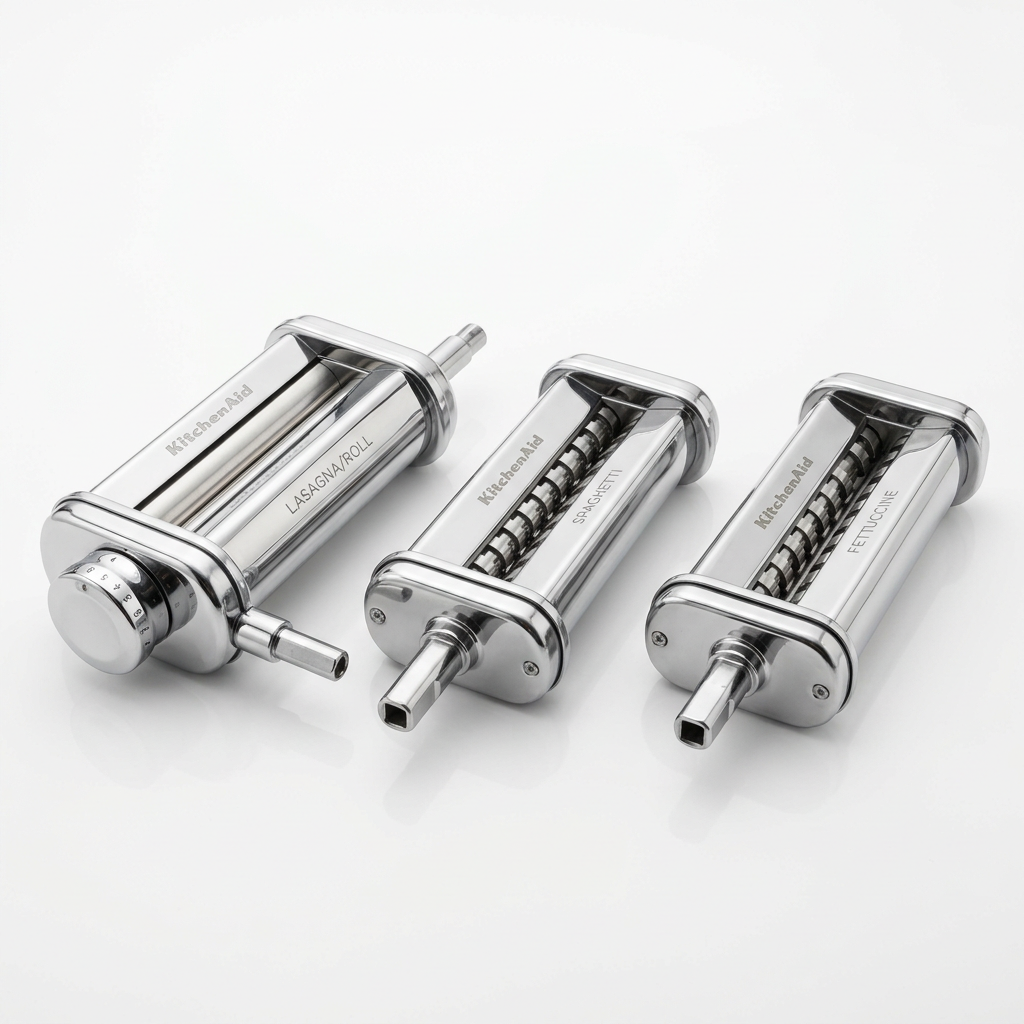
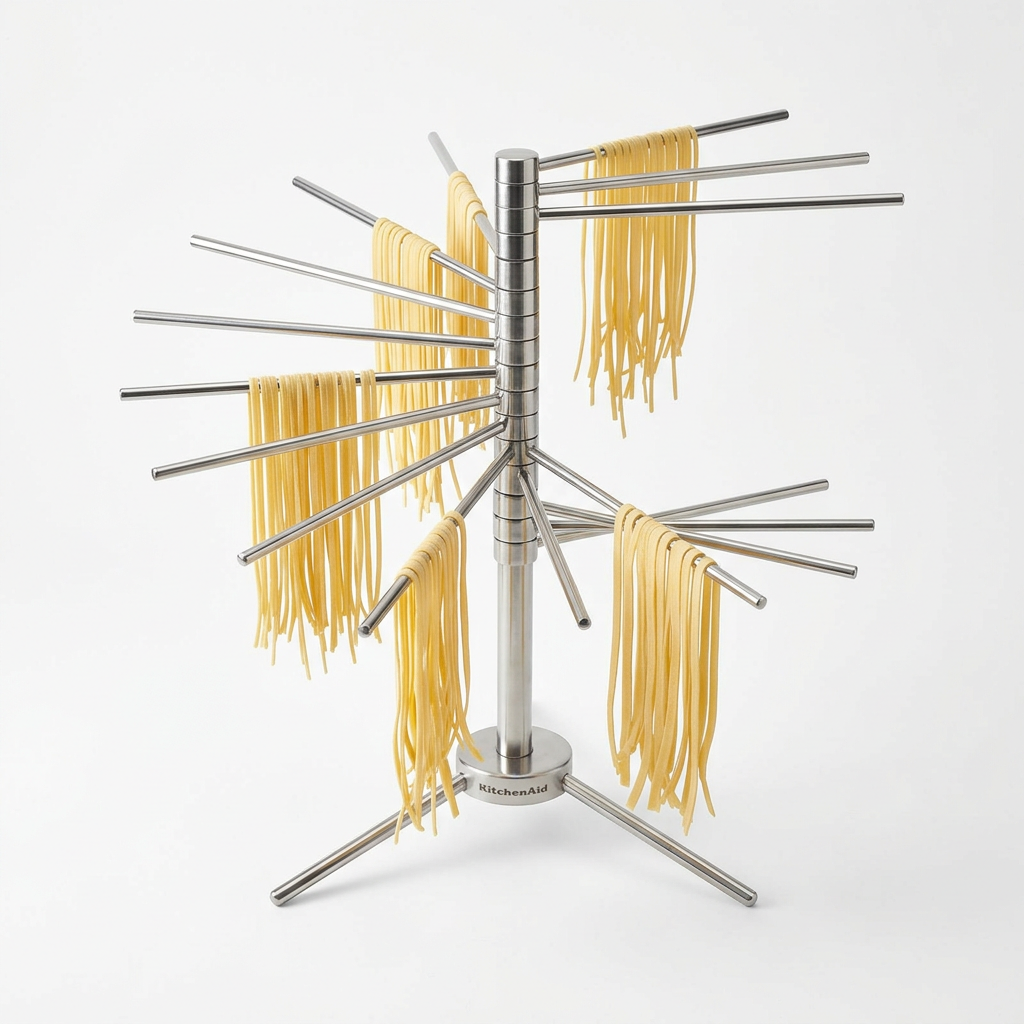
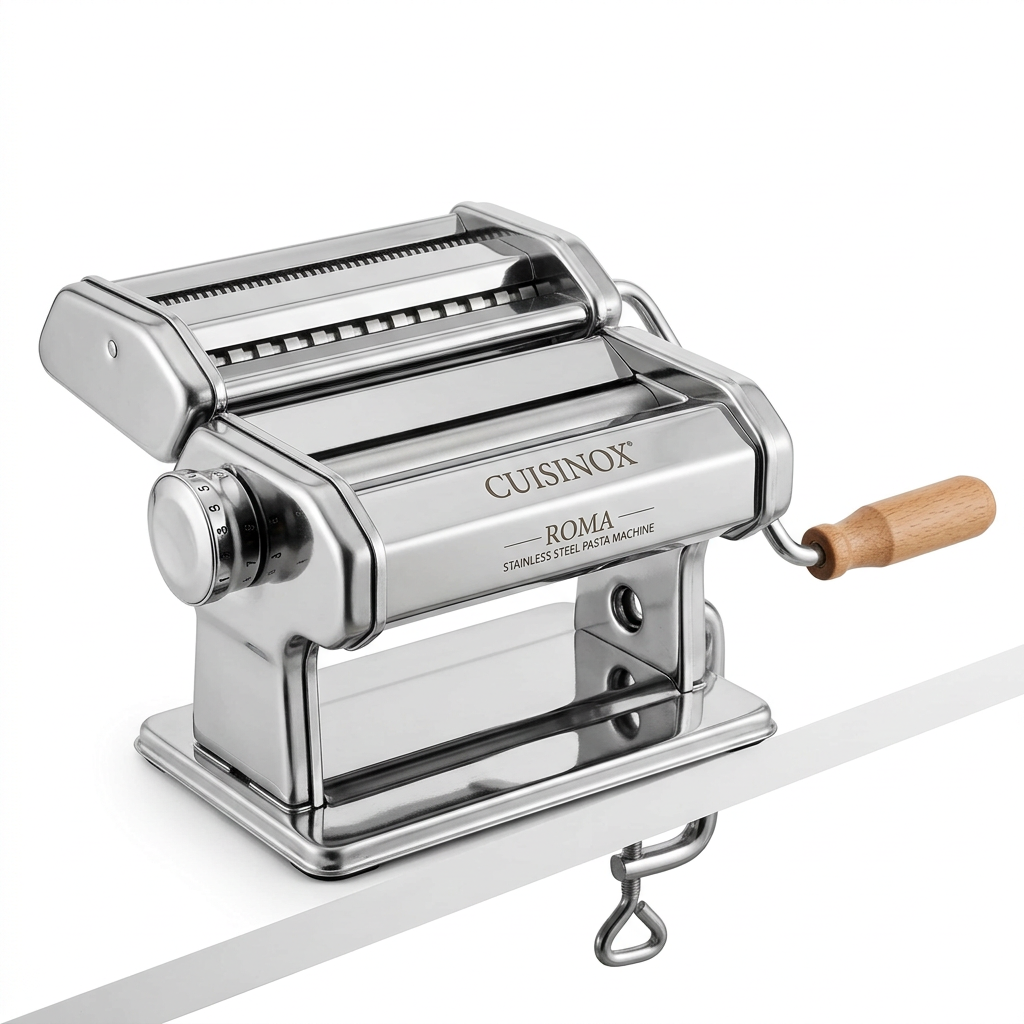
Once you’ve made your dough, you can roll it out and cut it into your preferred shapes. Fresh pasta only needs a minute or two to cook, transforming your dishes into a culinary masterpiece.
Advanced Cooking Techniques
To really step up your pasta game, consider learning the following techniques:
Pairing with the Right Wines
No Italian meal is complete without wine. Here are some pairings for enhancing your pasta experience:
Selecting the right wine enhances the overall dining experience, ensuring that all flavors are accentuated.
Conclusion
Cooking pasta may seem straightforward, but mastering the art involves a deep understanding of science and technique. From the importance of boiling water, the right salting methods, to timing and shape selection, every element collaborates to create dishes that can transport you to Italy with each bite. Experiment with homemade pasta and new sauce pairings to expand your culinary toolkit. Whether you’re cooking for family or friends, understanding these principles will ensure that you consistently deliver perfect pasta every time.
Achieving pasta perfection is no longer just an endeavor, but a joyful exploration of flavor and technique. So next time you boil your water and add that pinch of salt, know that you are part of a long tradition of dedicated cooks. Your pursuit of culinary excellence, armed with knowledge and confidence, will undoubtedly lead you to create unforgettable pasta dishes. Remember, it's all about mastering the science, experimenting with flavors, and enjoying the journey along the way. Bon appétit!
Get the Next Recipe
Weekly recipes, techniques, and gear picks — straight to your inbox.
