
The Science Behind Perfect Pasta: Why Al Dente Matters
When it comes to cooking, few things evoke as much passion and debate as pasta. This humble staple has captured the hearts and stomachs of many cultures, offering an inviting canvas for flavors from around the world. But if there’s one topic that experts and home cooks can agree on, it’s the importance of achieving the perfect al dente texture. Cooking pasta is not a mere ritual—it's a science, and understanding the principles behind it can greatly elevate your culinary experience. The phrase “al dente”, which means “to the tooth” in Italian, describes pasta that retains a slight firmness when bitten into. But why exactly does this texture matter, and how can home cooks achieve it consistently?
Perfectly cooked pasta serves as the backbone of countless dishes, contributing not just to taste but also to the overall mouthfeel. The Maillard reaction that occurs during cooking allows pasta to develop flavor, while the appropriate al dente texture creates a pleasant interplay with sauces, juiciness, and ingredients. Furthermore, the nutritional implications of cooking pasta properly can’t be understated; overcooked pasta becomes mushy and loses vital nutrients, while al dente maintains its structural integrity and bite. This distinction is crucial not only in taste but also in health benefits, making it essential for every home cook to master.
Achieving al dente consistency isn’t just about timing; it requires attention to detail, the right ingredients, and steadfast focus on cooking techniques. Factors such as the type of flour used, water temperature, and even the salt concentration of that water can dramatically influence your results. In this post, we’ll dive into the science behind pasta, explore techniques for cooking it perfectly, and uncover the nuances that elevate this dish from good to extraordinary. By the end of this journey, you’ll not only understand why al dente matters but also acquire the skills to make pasta that will impress guests and satisfy your culinary ambitions.
Understanding Pasta: Types and Components
Pasta comes in a plethora of shapes, sizes, and textures, each designed for specific applications and sauces. Understanding the fundamental components of pasta will help you make informed choices about the type you use for various dishes.
The Basics: Ingredients Used in Pasta
Most pasta consists of two primary ingredients: flour and water. The type of flour used impacts the flavor, texture, and even the cooking method.
When preparing fresh pasta, you may also want to consider the addition of eggs, which enrich the dough and provide a silkier texture.
Moisture Content
The moisture content in your dough directly affects how your pasta cooks. The more water you have, the longer it will generally take to cook. Too much moisture can lead to soggy pasta, while not enough will make it tough and chewy.
Keep in mind that the dough must also be “rested” to ensure gluten formation, generally resting for about 30 minutes after kneading before rolling out.
The Role of Salt
Salt plays a crucial role not only in flavor enhancement but also in the texture of pasta. When added to boiling water, salt raises the boiling point slightly, allowing the pasta to cook at a slightly higher temperature. This can also help to firm up the pasta.
"Salt is not just for flavoring; it affects the cooking process at a molecular level, helping you achieve that al dente bite."
Cooking Techniques for Perfect Pasta
While the ingredients matter greatly, cooking techniques are what bring pasta to life. A well-cooked pasta dish hinges not just on following a recipe but on understanding and employing a variety of cooking methods.
1. Boiling Water: The Foundation of Good Pasta
The first step toward al dente perfection starts with the water. Always begin with a large pot of water, as this helps prevent the pasta from sticking together. Here’s how to achieve the ideal boiling water for pasta:
2. Timing: The Secret to Al Dente
Timing is crucial when it comes to achieving that perfect al dente texture. Most pasta packages provide a cooking time, but it’s essential to check for doneness a minute or so earlier. Here’s how to keep your timing on point:
Tip: Use a timer but rely on your senses more than anything. The texture will ultimately dictate your success.
3. Stirring: Avoiding Stickiness
When cooking pasta, it’s important to stir it frequently, especially during the first minute or two of cooking. This helps to prevent sticking and allows for even cooking.
4. Tasting: The Only True Measure
Ultimately, the best way to gauge whether your pasta is al dente is by tasting it. As you approach the time indicated on the package, take a piece out and check its texture. This process is trial and error and will improve with experience.
Sauce Pairing: Enhancing the Al Dente Experience
Once you have your perfect pasta cooked to an al dente finish, the next step is pairing it with sauces that complement and elevate that texture. Knowing how to choose the right sauce can make a world of difference in your dish.
Types of Sauces
Different pasta shapes call for different types of sauces:
Building Flavor: Cooking Sauces with Pasta
One of the best practices is to combine the pasta and sauce during the last few minutes of cooking:
"The final moments where the pasta meets the sauce are critical; that is where flavor lives."
Finishing Touches
Don’t forget the finishing touches that can make your dish pop:
Common Mistakes to Avoid
Even seasoned cooks can slip up when it comes to pasta. A few common pitfalls can derail your dish, and knowing them can save you from culinary heartbreak.
Overcooking vs. Undercooking
Tip: If you notice your pasta isn’t as tender as you like but is well past the cooking time, consider adding it back into the boiling water for a minute or two—not too long, as it might turn.
The Temperature Trap
Avoid adding cold pasta to a hot sauce or letting it sit too long after cooking. Always serve immediately, or toss the pasta with a tiny bit of oil to prevent sticking if it must sit for a short period.
Lack of Flavor
Some home cooks underestimate seasoning pasta water. Always ensure it’s adequately salted for flavor absorption. A bland pasta is a missed opportunity.
Advanced Techniques: Fresh vs. Dried Pasta
Throughout your culinary journey, you may find yourself deliberating between fresh and dried pasta. Each has its own unique qualities and techniques that can elevate your dishes.
Fresh Pasta Preparation
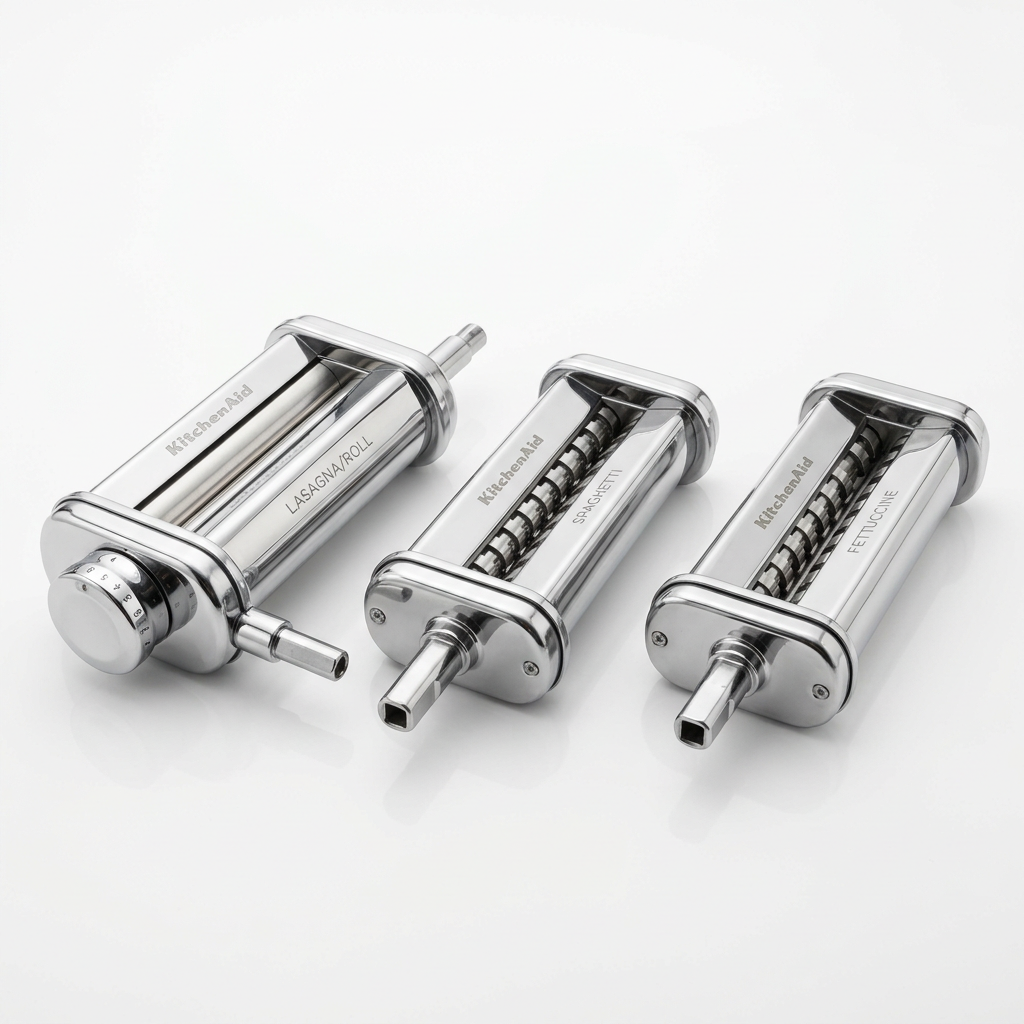
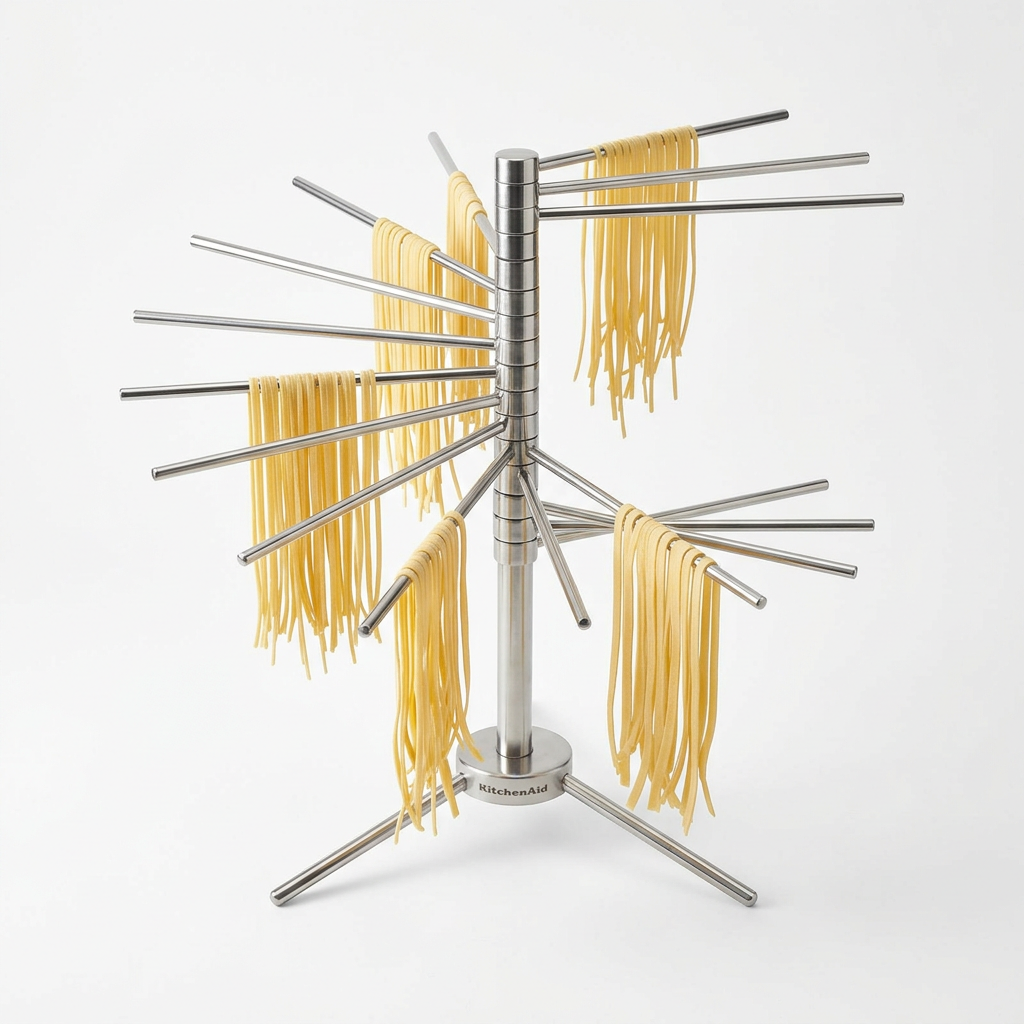
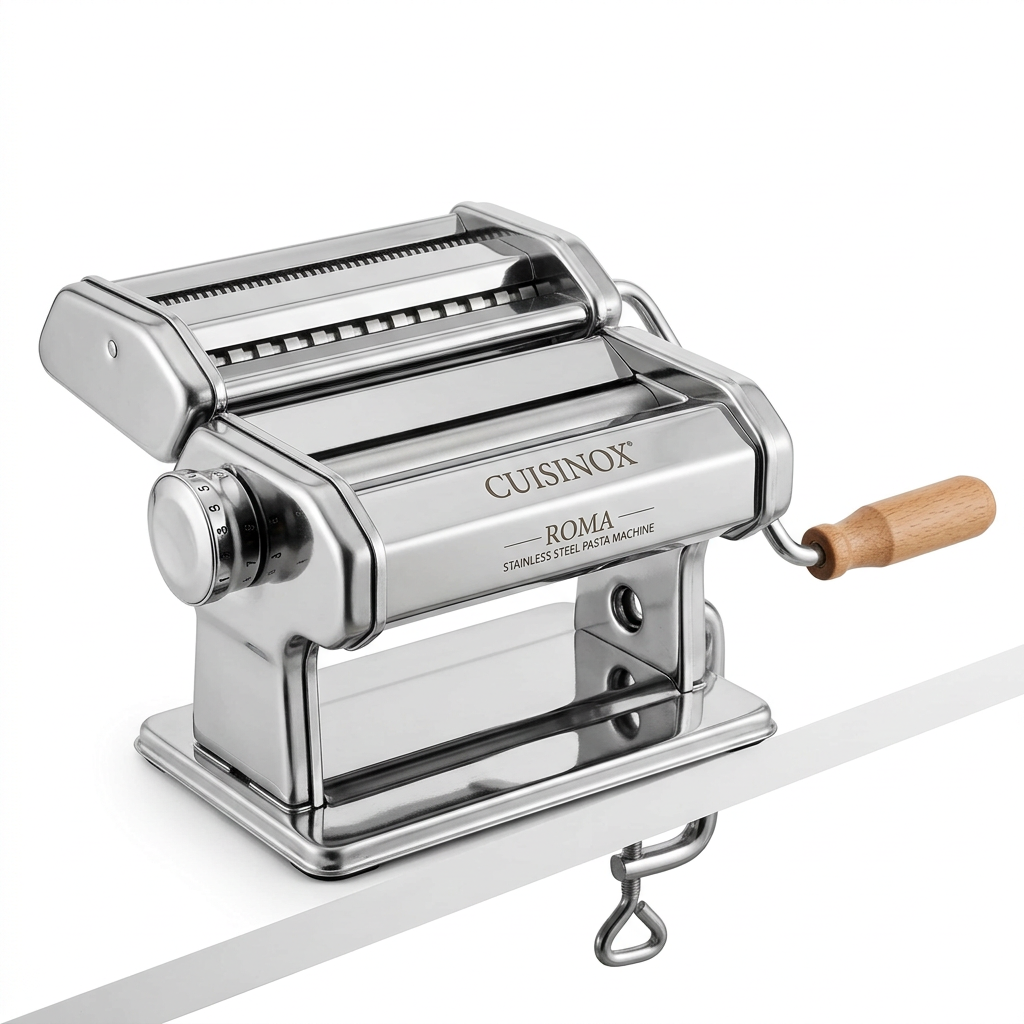
Making fresh pasta from scratch can seem daunting, but the rewards are worth the effort. Here’s how you can do it:
Cooking fresh pasta is dramatically quicker—about 1-3 minutes in boiling water, depending on thickness.
"Fresh pasta cooks rapidly; stay focused so it doesn’t overcook and lose that perfect bite."
Conversion for Dried Pasta
Dried pasta takes longer to cook, usually between 8-12 minutes, and often requires careful timing. Pay close attention to the packaging, especially when trying new brands or shapes.
The process for pairing dried pasta with sauces remains the same, emphasizing that the ultimate goal is to synergize flavor and texture.
Health Benefits of Cooking Al Dente
Beyond taste and texture, cooking pasta al dente has notable health benefits. When pasta is cooked to al dente, it retains more nutrients and has a lower glycemic index compared to overcooked pasta.
Nutrient Retention
Overcooking can lead to nutrient loss, especially B vitamins and minerals having the potential to leach out into the cooking water. By cooking pasta al dente, you maximize the nutrient retention within the pasta.
Weight Management
Al dente pasta also offers a more satisfying bite, which can control hunger pangs better than overcooked versions. This balance can assist in maintaining a healthier diet.
Digestive Benefits
The lower glycemic index of al dente pasta means a slower release of sugars into the bloodstream, which can be more beneficial for metabolic health.
Conclusion
Mastering the art of cooking pasta al dente is not just about technique; it's a journey through the science of food, the balance of flavors, and the joy of indulging in a fantastic meal. From understanding the nuances of different flour types to perfecting cooking timing and exploring the hidden health benefits, every step counts toward enhancing your culinary repertoire.
By incorporating these techniques into your pasta-making routine, you open the door to endless culinary possibilities. Focus on the details, experiment with different types of sauces, and don’t shy away from personalizing your dishes. Remember, the goal is to create a meal that captures not just your taste buds but also those of everyone at your table.
Crafting the perfect plate of pasta takes patience and practice, but the skills you gain will serve you well not just in pasta making but across a myriad of dishes. So grab your pot, prepare your ingredients, and let your culinary journey continue—whether for Sunday dinner or an experimental weeknight meal, the art of perfect pasta awaits!
Get the Next Recipe
Weekly recipes, techniques, and gear picks — straight to your inbox.
