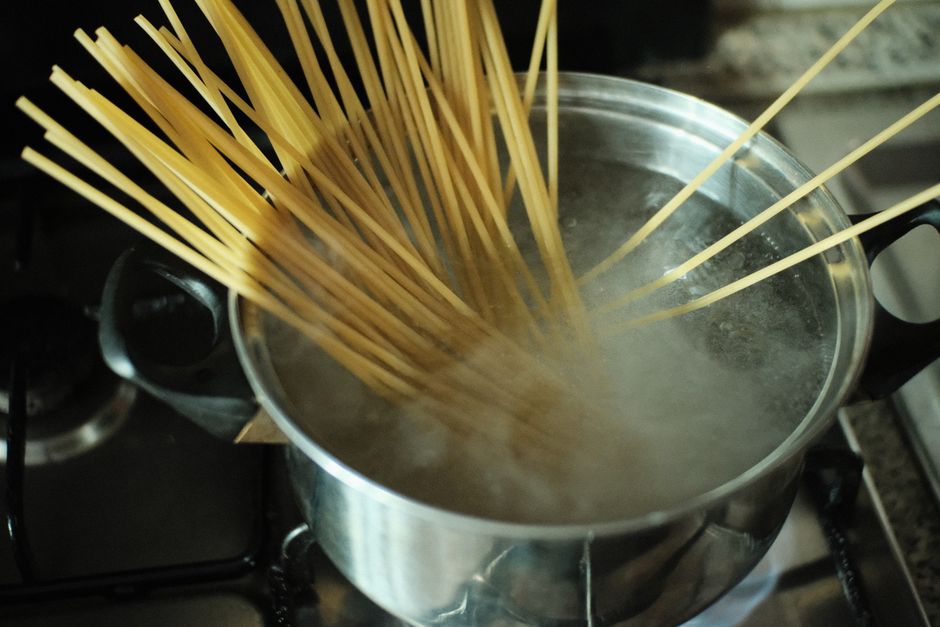
The Science Behind Perfect Pasta: Why Al Dente Really Matters
Pasta is one of the most enduring staples in the culinary world, transcending cultures and uniting people with its comforting allure. Its origins trace back to ancient times, and yet, the fundamental techniques for cooking this beloved dish have remained largely unchanged. However, two words cap off a pasta dish like a crown on a king: al dente. This term encapsulates a texture that is both firm and tender, providing the ideal mouthfeel that elevates your carbohydrates from basic to brilliant. Yet, many home cooks often overlook the science and skill required to achieve this perfect state, leading to a common fate of mushy noodles or, even worse, undercooked pasta.
Getting pasta right isn’t just about following a recipe; it’s a culinary journey grounded in the science of starches, cooking times, and water temperatures. The interplay of heat, moisture, and timing is complex but essential for producing that delightful “to the tooth” bite that Italian chefs have championed for generations. Once you grasp the fundamentals behind cooking pasta al dente, you unlock a whole new dimension of potential in your home cooking—allowing you to enjoy both the art and the science of crafting exquisite dishes.
In this guide, we're not just exploring how to cook pasta; we’re delving deep into the why and how. With careful attention to detail and a passion for perfecting technique, you can ensure that each strand or shape of pasta not only tastes fantastic but also holds its own in a dish. By the end of this post, you will not only understand the concept of al dente but will also be able to execute it flawlessly. So, roll up your sleeves, grab your pot, and let's get started on this essential culinary endeavor!
The Basics of Pasta
To appreciate the nuances of cooking pasta, it’s essential to understand what pasta actually is. Pasta is primarily made from semolina flour and water, though there are variations that include eggs or alternative flours. Each type of flour brings its own characteristics to the final product, impacting everything from flavor to texture.
Types of Pasta
The variety of pasta shapes and sizes is essentially limitless. While you might be familiar with standard varieties like spaghetti, penne, and fettuccine, there are countless regional and artisanal forms waiting to be discovered. Each shape serves a unique purpose in terms of how it holds sauce and complements various ingredients.
When selecting the type of pasta for your dish, consider the sauce and accompaniments; the synergy of each component will heavily influence the dish’s success.
Cooking Essentials
Before diving into the technique of cooking pasta al dente, it’s vital to know the tools and ingredients you need:
The quality of water also matters. Using filtered water for cooking pasta can improve the taste of your noodles significantly, as tap water may contain chemicals that alter the flavor.
The Science of Cooking Pasta
Understanding the science behind pasta can elevate your cooking game significantly. The process of cooking pasta transforms raw starches into desirable textures, and it is essential to follow best practices to achieve that perfect al dente texture.
Gelatinization of Starches
When you cook pasta, it’s the gelatinization of starches that transforms its texture. Starch granules absorb water and swell as the pasta cooks. This transformation is best achieved at temperatures of around 70°C to 85°C (158°F to 185°F). If you cook pasta at temperatures that are too low, the starches will remain hard and uncooked. Conversely, cooking at excessively high temperatures can lead to overly soft pasta.
“The secret to mastering pasta lies not just in cooking but in understanding the science that drives the transformations in your pot.”
Importance of Salt
Many cooks underestimate the importance of salting the water. Adding salt early in the boiling process is essential for flavor enhancement. The general rule of thumb is to add 1 tablespoon of salt for every 4 quarts of water. Effective salting not only enhances flavor but also raises the boiling point of the water, contributing to the cooking process.
Al Dente Defined
So, what exactly does al dente mean? In Italian, it translates literally to "to the tooth," indicating that pasta should offer a slight resistance when bitten. Perfectly cooked pasta should be firm but tender, allowing it to maintain its shape and texture even in saucy dishes. Generally, pasta should be cooked just until it's pleasantly chewy, typically a minute or two less than the package instructions suggest.
The Cooking Process
Cooking pasta might seem straightforward, but there are nuances that will help you elevate your pasta game to a new level.
Step-by-Step Guide to Cooking Pasta
The Role of Pasta Water
One of the most powerful tools in your culinary arsenal is pasta water. This starchy liquid is the golden ticket for binding sauce to pasta and enhancing the overall dish. By incorporating a few tablespoons of pasta water into your sauce, you can achieve a silky coat that clings beautifully to each piece of pasta. Keep in mind that this should only be done if you're making a sauce; for dishes served naked (like a simple pasta with olive oil), directly tossing the finished pasta is adequate.
“Pasta water is liquid gold in the kitchen—never drain without saving a cup!”
Pairing Pasta with Sauces
The relationship between pasta and sauce is one forged in culinary harmony. Knowing which sauce to pair with your pasta type can elevate a simple dish into a transcendent meal.
Common Sauce Varieties
Considerations for Saucing
Pro Tips for Sauce Pairing
The Benefits of Al Dente
When it comes to cooking pasta, the benefits of achieving that ideal al dente texture extend beyond personal preference. There are several reasons why this method of cooking pasta is favored by chefs and food enthusiasts alike.
Nutritional Aspects
Cooking pasta al dente not only enhances its texture but also offers some health benefits. The lower glycemic index associated with al dente pasta means that it does not spike blood sugar levels as much as softer, overcooked pasta does. This is particularly beneficial for those monitoring their carbohydrate intake.
Textural Experience
The sensation of al dente pasta offers a unique mouthfeel. It retains a slight firmness, giving a satisfying bite that enhances the overall enjoyment of the meal. It also provides a contrast when paired with saucy or creamy ingredients, as the texture of the pasta elevates the dish from simple to extraordinary.
Culinary Versatility
Mastering al dente pasta opens up a world of culinary possibilities. This technique allows the pasta to hold its shape in baked dishes, salads, and stir-fries, lending itself to a more versatile range of recipes. Al dente pasta also stands up beautifully to freezing and reheating without losing structure.
Troubleshooting Pasta Cooking Issues
Even with the best intentions, cooking pasta can sometimes go awry. Here are a few common pitfalls and how to avoid them.
Overcooked Pasta
Overcooked pasta is a common mistake that can be easily avoided. Cooking pasta too long results in a mushy texture. To avoid this, always adhere to timing and use a timer. Pay attention to the pasta during the last minutes of cooking, testing it frequently.
Sticky or Clumpy Pasta
If your pasta is sticking together, it is likely due to not adding enough water or salt during cooking. Always make sure to have enough boiling water in the pot and stir the pasta gently but regularly during cooking.
Undercooked Pasta
If you bite into your pasta and it’s too firm, don’t panic! Simply return it to the pot with a splash of water and reheat on low, testing frequently until it reaches the desired texture.
Lack of Flavor
If your pasta seems bland, consider the importance of salting the water properly. Adding salt will enhance the natural flavor of the pasta, leading to a more satisfying dish overall.
Experimenting with Pasta Dishes
Once you feel confident cooking pasta al dente, it’s time to experiment. The beauty of pasta lies in its adaptability; there are no rules set in stone, and you can create based on your tastes and available ingredients.
Fusion Pasta Dishes
Try combining elements from various culinary traditions. For example, create a spicy Szechuan spaghetti by tossing cooked pasta in a sauce made from soy, garlic, and chili oil, garnished with scallions and sesame seeds.
Cold Pasta Salads
Al dente pasta works wonderfully in cold salads, as the firm texture can hold up against robust dressings and ingredients. Create a pasta salad with cherry tomatoes, mozzarella, and fresh basil for a refreshing summer dish, or heat things up with roasted peppers and a ***balsamic reduction.
Baked Pasta Dishes
Mastering al dente pasta equips you to tackle complex baked dishes like lasagna or baked ziti. The pasta will hold its shape amidst layers of sauce and cheese, contributing to the final creamy and crunchy result.
Seasonal Ingredients
Try to incorporate seasonal ingredients in your pasta dishes. Fresh vegetables or herbs can enhance the dish and showcase what’s currently available, making your meal not just delicious but also sustainable.
Final Thoughts
Cooking perfect pasta is an art that relies on understanding both the science behind it and the instincts of a seasoned cook. Al dente pasta embodies the ideal balance between firmness and tenderness, creating a pleasurable dining experience that can elevate a simple dish to gourmet status. From the right timing and temperature to understanding your pasta’s nuances and sauces, each step contributes to that ultimate goal.
As you embark on your culinary adventures with pasta, remember that practice makes perfect. Every time you cook pasta, you gain a deeper understanding of how it behaves and how to best utilize it in your dishes. So gather your tools, pick your favorite shapes, and begin crafting pasta dishes that will delight both you and your loved ones. After all, the world of pasta is vast and exciting, just waiting for you to explore it!

Get the Next Recipe
Weekly recipes, techniques, and gear picks — straight to your inbox.
