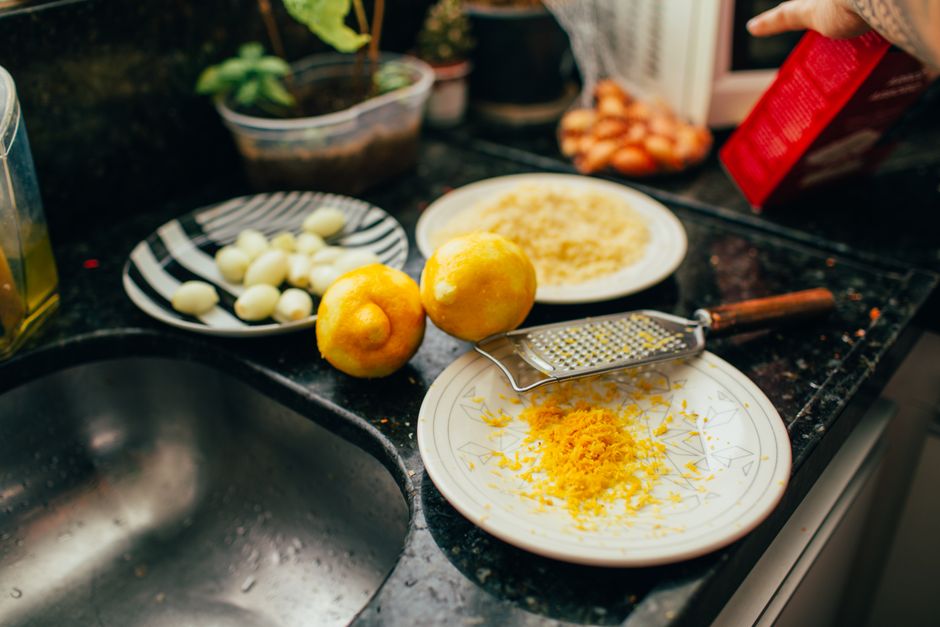
The Science of Acid: How pH Transforms Flavor, Texture, and Color in Every Dish
We have all been in that frustrating culinary moment where a dish feels heavy, flat, or simply incomplete, despite following the recipe to the letter. You reach for the salt shaker, but the addition of sodium doesn't provide that elusive "spark" you are craving. The secret ingredient you are missing is almost certainly acid. Understanding the chemistry of pH levels is not just for food scientists in sterile laboratories; it is the single most important skill for a home cook to master if they want to elevate their food from "decent" to "restaurant quality." When you begin to view your pantry as a collection of chemical compounds waiting to be balanced, your entire approach to the kitchen shifts from rigid following to intuitive creation.
Acid is the ultimate equalizer, acting as a structural anchor that cuts through fat, softens fibers, and brightens dull profiles. Whether it is the subtle tang of a squeeze of lemon juice at the end of a sauté or the slow, transformative power of vinegar in a marinade, acid dictates how our tongues perceive flavor. It operates on a molecular level, changing the very configuration of proteins and the vibrant hues of our favorite vegetables. By mastering the application of acidulation, you gain the power to rescue over-seasoned soups, brighten heavy braises, and create sauces that sing with complexity and balance.
This journey into the science of sour is about more than just adding a splash of vinegar; it is about learning when to wield this tool to achieve specific outcomes. We will explore how different acids—citrus, fermented vinegars, dairy cultures, and even wine—interact with your ingredients to manipulate texture, color, and depth. Put down the salt shaker and pick up a bottle of sherry vinegar or a fresh lime, because we are going to learn how to manipulate the chemistry of your food to unlock flavors you never knew existed. Welcome to the laboratory of the kitchen, where pH is the ruler of your palate.
The Chemistry of Sour: How pH Changes Our Perception
At its simplest, acid is a substance with a pH level below 7.0, characterized by its ability to donate hydrogen ions to other molecules. In the world of flavor, these hydrogen ions interact with specific receptors on our tongue, triggering that sharp, clean signal we identify as "sour." However, the role of acid extends far beyond just adding a sour taste. It acts as a flavor enhancer by suppressing bitterness and highlighting sweetness, creating a more rounded, harmonious experience. When you add a touch of acid to a savory dish, you are essentially "cleaning" the palate between bites, preventing sensory fatigue.
The interaction between fat and acid is particularly important. Fat coats the tongue, creating a luxurious mouthfeel but masking other flavors. Acid acts as a surfactant, cutting through that coating to reveal the underlying notes of herbs, spices, and meats. This is why a rich, fatty ribeye steak is served with a bright chimichurri or why a heavy béarnaise sauce must have a healthy dose of white wine vinegar or tarragon. Without the acid, the richness becomes cloying and oppressive; with it, the dish becomes an exercise in perfect balance.
Balancing the Palate
Achieving the perfect balance requires constant tasting. Think of your dish as a seesaw; on one side is the richness of fat, salt, and deep savory notes, and on the other is the bright, uplifting weight of acid. A professional chef rarely follows a recipe blindly because the acidity of a lemon or a batch of tomatoes can vary wildly depending on the season and the source. By tasting incrementally, you learn to identify the exact moment the "seesaw" levels out, turning a flat, boring dish into a masterpiece.
"Acid is the light in the dark room of your kitchen; it illuminates flavors that were previously hidden by the heavy, oppressive blanket of fat and salt."
The Science of Protein Denaturation
When you use acid in a marinade, you are not just adding flavor; you are performing a controlled chemical reaction. The low pH of substances like vinegar, citrus juice, or yogurt causes the long-chain proteins in meat, fish, and dairy to denature or uncoil. This process effectively begins the cooking process before the ingredients even touch a heat source. If you have ever made a perfect ceviche, you have witnessed this in real-time. The citric acid in the lime juice literally changes the texture of the raw fish, turning it from translucent to opaque as the protein structures reconfigure.
However, there is a delicate line between tenderizing and ruining. Because acid continuously breaks down protein structures, leaving delicate fish in an acidic marinade for too long will result in a mushy, granular texture. For firm proteins like chicken or pork, a slight acidic marinade can provide a wonderful tenderness, but for delicate items like shrimp or scallops, the window of success is very narrow—often as little as 15 to 30 minutes. Always observe the texture change; if the surface of your protein begins to look "cooked" and opaque, it is time to move to the heat.
The Role of Acid in Braising
When slow-cooking tough cuts of meat like brisket or pork shoulder, adding an acidic element such as wine or tomato paste can significantly speed up the softening process. The acid helps to break down the connective tissues (collagen) within the meat, which would otherwise take hours of pure thermal energy to render. By incorporating a base of wine or stock with an acidic component, you create an environment that encourages collagen breakdown at a lower temperature, resulting in more succulent, tender meat without the need to overcook the exterior fibers.
Preserving Color: The Anthocyanin Effect
Have you ever noticed how vibrant red cabbage turns bright purple when you add a splash of vinegar, or how green beans can turn dull and olive-drab if cooked with too much lemon juice? This is the fascinating world of plant pigments and their reaction to pH. Anthocyanins, the pigments responsible for the red, blue, and purple colors in fruits and vegetables, are highly sensitive to acidity. In an acidic environment, they turn a bright, vivid red; in an alkaline environment, they lean toward the blues and greens.
Conversely, chlorophyll, the pigment that gives green vegetables their color, is notoriously fragile. When vegetables are cooked, they release organic acids; if these acids are trapped (by covering the pot, for example), they react with the chlorophyll to create pheophytin, which is responsible for that sad, muddy olive-green color. To keep your green vegetables bright, cook them uncovered in plenty of salted boiling water. This allows the volatile acids to escape into the steam, preserving that vibrant, chlorophyll-driven emerald hue that signifies freshness.
Tips for Maintaining Color
Blanching:* Use a rapid, rolling boil and shock your vegetables in ice water to stop the cooking and acid build-up.
The Vinegar Rule:* Only add acidic dressings to salads or dishes just before serving to prevent the wilting of leaves and the discoloration of vegetables.
Onions and Aromatics:* If you want your red onions to stay vibrant in a pickling liquid, ensure the brine is sufficiently acidic to lock in that brilliant magenta color.
The Art of the Emulsion: Acid as a Structural Component
Emulsions—mixtures of two liquids that normally do not mix, such as oil and water—rely heavily on the presence of an acidic agent. Think of a classic vinaigrette or a creamy hollandaise. The acid provides the water-based phase of the emulsion, while the oil or butter provides the fat. Without an acidic component like lemon juice, balsamic vinegar, or Dijon mustard (which acts as an emulsifier), the two phases would simply separate, leaving you with a greasy, broken mess.
In a Hollandaise sauce, the acid (lemon juice or a white wine reduction) does more than just add flavor; it interacts with the egg yolks to provide structure. The acid helps to disperse the fat molecules of the melted butter into the yolk, creating a stable, creamy suspension. If the sauce breaks, adding a teaspoon of cold water or a splash of lemon juice can often provide the necessary chemical structure to bring the emulsion back together. Understanding this means you never have to throw away a "broken" sauce again.
Mastering the Vinaigrette Ratio
A standard, professional-grade vinaigrette follows a ratio of 3 parts oil to 1 part acid. This ratio can be adjusted based on the acidity of your chosen vinegar. A sharp sherry vinegar might require a slightly higher oil ratio (4:1) to balance, while a mild rice vinegar might hold up better at a 2.5:1 ratio. Always whisk your acid, salt, and seasonings together before slowly drizzling in the oil to ensure the emulsion holds.
"A broken sauce is simply an invitation to understand your ingredients better; the magic is in the recovery, not just the initial execution."
Fermentation: The Long Game of Acidity
We cannot discuss the science of acid without mentioning lacto-fermentation. This is the process where beneficial bacteria, such as Lactobacillus, consume sugars in vegetables and produce lactic acid as a byproduct. This is how we get traditional sauerkraut, kimchi, and pickles. Unlike adding a splash of lemon, fermentation creates a complex, "funky" depth that is impossible to replicate with store-bought vinegar. The lactic acid produced not only preserves the vegetable but creates a unique flavor profile that is deeply satisfying and incredibly healthy for the gut.
When fermenting, the salt concentration is the critical factor. You are aiming for a 2% to 3% salt content by weight relative to the vegetables. This level of salinity inhibits the growth of harmful bacteria while allowing the acid-producing Lactobacillus to thrive. Over the course of a week or two at room temperature (ideally 65°F to 72°F), the vegetables will transform, becoming more acidic, crisp, and intensely flavorful. This is the ultimate example of using chemistry to change the nature of an ingredient.
Steps to a Basic Lacto-Ferment
The Acid Hierarchy: Choosing the Right Tool
Not all acids are created equal. A professional chef knows that the type of acid chosen for a dish changes its character entirely. Citrus provides a bright, floral, and ephemeral acidity that hits the front of the tongue and fades quickly. This is ideal for seafood, fresh salads, and finishing bright soups. Vinegars, on the other hand, are persistent. A red wine vinegar is bold and assertive, holding its own against heavy stews and roasted meats, whereas a delicate champagne vinegar is best suited for lighter applications like light vinaigrettes or pickled shallots.
Dairy-based acids, such as yogurt, buttermilk, or crème fraîche, provide a "rounded" acidity. The presence of milk fats softens the sharp edge of the lactic acid, making them perfect for marinades, dressings, and thickening sauces. If you find a dish is too acidic, you can often "fix" it by adding a small amount of dairy, which uses its fat content to neutralize the immediate sting of the hydrogen ions.
Chef’s Cheat Sheet for Acid Selection
Lemon/Lime:* Best for "lifting" a dish and adding brightness. Use at the very end of cooking.
Balsamic Vinegar:* Offers both acid and sweetness due to its sugar content. Use for glazes or finishing grilled vegetables.
Rice Vinegar:* Milder and slightly sweet. Ideal for Asian-inspired dishes and delicate pickles.
Buttermilk:* Excellent for tenderizing chicken and providing a deep, creamy tang.
Verjus:* The juice of unripened grapes. A sophisticated, gentle acid that provides acidity without the overpowering flavor of vinegar.
Conclusion
The pursuit of culinary excellence is an endless exploration of balance, and once you understand the role of pH in your cooking, you stop relying on luck and start relying on science. Acid is not merely a condiment to be splashed on at the table; it is a foundational component of every great dish. By managing how and when you apply it, you can control the texture of your proteins, the vibrancy of your vegetables, and the overall brightness of your flavor profiles. You now have the knowledge to taste with a purpose, to identify when a dish is "flat" and exactly what tool to use to fix it.
Remember, the goal is not to make everything taste "sour," but to make every other flavor in the dish shine. If you have been struggling to make your food taste like the food you eat at top-tier restaurants, the culprit has likely been a lack of acidity. Start small—try finishing your next roasted chicken with a squeeze of lemon, or adding a tablespoon of sherry vinegar to your next pan sauce. Observe how the flavors snap into focus. Keep tasting, keep adjusting, and don't be afraid to blame the chef—but only when the chemistry is wrong. When it is right, the credit belongs entirely to your newfound understanding of the science of acid. Happy cooking, and may your future dishes be perfectly balanced.
Final Thoughts
As we wrap up this exploration into the chemistry of flavor, consider the kitchen your personal laboratory. The principles of acidulation are universal, but their application is entirely individual. Whether you are a home cook hosting a small dinner party or an aspiring professional refining your mise-en-place, the power of a calibrated palate is your most valuable asset. Do not let fear of experimentation keep you from trying new acids. Explore the world of craft vinegars, experiment with different citrus varieties, and lean into the slow, meditative process of fermentation.
If you find that a dish still feels heavy, even after adding acid, consider whether you have balanced the other elements. Sometimes, the issue is not just a lack of acidity, but an imbalance of sweetness or a lack of textural contrast. Use your acid to bridge these gaps. Always keep a notebook to track your ratios—documenting how much vinegar brought that soup back to life is the difference between a one-time success and a repeatable skill. You are now equipped with the technical understanding to master the science of your own kitchen, one pH-balanced bite at a time. The kitchen is yours to conquer, so get out there and start cooking with intent.
The Importance of Tasting at Every Stage
One of the most common mistakes home cooks make is failing to taste their food throughout the cooking process. Cooking is a dynamic, shifting event. The acidity in a tomato sauce will change as it reduces, concentrating the sugars and altering the pH balance. If you only taste the final product, you miss the opportunity to adjust the flavor profile as it develops. You should be tasting after every major addition, and certainly before serving. This is the only way to internalize the relationship between ingredients and their chemical outcomes.
When you taste, focus on where the flavor hits your palate. Is it hitting the back of your throat with a harsh, vinegary sting? That might be too much acid. Is it hitting the sides of your tongue and leaving your mouth feeling fresh and salivating? That is the hallmark of a perfectly balanced acidity. If the flavor is hitting the front of your tongue but then disappearing immediately, you might need a bit more salt to "lock in" that acid. This sensory feedback loop is what differentiates a home cook from a chef.
Strategic Tasting Checklist
Advanced Techniques: Beyond the Basics
Once you are comfortable with the basics, start experimenting with acid infusion. You can infuse vinegars with herbs, chilies, or even fruit peels to create a multi-dimensional flavoring agent that adds both acid and secondary notes of flavor. For example, a vinegar infused with ginger and lime zest can elevate a simple noodle stir-fry into a complex, restaurant-grade dish. This allows you to introduce acidity alongside aromatic compounds, saving you time and increasing the depth of your cooking.
Another advanced technique is the use of fruit-based acids in savory cooking. Many chefs are now utilizing pomegranate molasses, tamarind paste, and sumac—all of which provide distinct, non-vinegar forms of acidity. Pomegranate molasses, in particular, offers a deep, dark sweetness paired with an intense, tannic acidity that works perfectly with roasted lamb or root vegetables. Sumac, a dried and ground berry, provides a bright, lemony acidity with a slight earthiness that is perfect for finishing hummus or grain salads.
Experimenting with Non-Traditional Acids
Tamarind:* Offers a sour, fruity depth that is essential in many Southeast Asian curries.
Pomegranate Molasses:* A thick, syrupy acid that adds intense color and complexity.
Sumac:* A powdered acid that adds a unique "citrusy" dust to roasted vegetables.
Verjus:* The "champagne of acids," perfect for delicate vinaigrettes where vinegar would be too aggressive.
Maintaining Your Pantry for Chemical Consistency
Your pantry is a chemical store, and how you maintain it directly affects your ability to control the pH of your dishes. Vinegars, for example, are quite stable but can lose their vibrancy if exposed to heat and light over long periods. Store your high-quality vinegars in a cool, dark cabinet. Citrus juices are highly perishable and their flavor profile shifts dramatically as they oxidize; always use freshly squeezed citrus for finishing dishes. Bottled lemon juice contains preservatives that add a metallic, unpleasant note, which will ruin the delicate balance you are trying to achieve.
When it comes to fermentation jars and other tools, cleanliness is paramount. Because you are dealing with living cultures and chemical reactions, a contaminated jar can ruin weeks of work. Use high-quality glass jars and ensure they are thoroughly sanitized before starting any fermentation project. By keeping your tools and ingredients in optimal condition, you ensure that the variables you are working with remain constant, allowing you to focus on the art of the flavor balance rather than troubleshooting spoiled ingredients.
Storage Guidelines for Acidic Ingredients
Vinegars:* Keep in a cool, dark place. They do not expire, but they can lose brightness.
Citrus:* Always store fresh and juice only when needed.
Ferments:* Once fermentation is complete, move to the refrigerator to slow down the process and maintain the desired pH level.
Oils:* Keep away from light and heat to prevent rancidity, which will mask the bright, acidic flavors you are trying to feature.
Understanding the "Sour" Threshold
Every person has a different sour threshold—the point at which acidity becomes unpleasant or overwhelming. As a chef, your job is not to cater to your own personal tolerance, but to find the "sweet spot" that appeals to the broadest palate. A general rule of thumb is that guests prefer acidity that is present but not dominant. If you are cooking for a crowd, start with less acid than you think you need, and serve an extra wedge of lemon or a small carafe of vinegar on the side. This empowers your guests to adjust their own perception of the dish, ensuring everyone finds their own level of balance.
The science of acidity is a lifelong study, and even the most seasoned professional chefs continue to learn new ways to utilize these chemical tools. Whether you are tempering the heat of a chili, brightening the richness of a braise, or simply making a salad sing, you are engaging in the most fundamental and rewarding aspect of cooking. Every dish you make is a chance to practice, a chance to refine, and a chance to prove that you have mastered the most essential tool in the culinary arsenal. Continue to experiment, continue to taste, and remember: if the dish isn't quite right, you are likely just a splash away from perfection.
The Future of Acid in Modern Cuisine
We are currently seeing a renaissance in the use of acidity in modern, progressive kitchens. Chefs are moving away from heavy, butter-based sauces and toward lighter, brighter preparations that rely on acid-based reductions, herb-infused oils, and carefully curated fermented products. This movement is a direct result of the industry's deepening understanding of how we taste food. We are prioritizing the palate's health, opting for dishes that leave the diner feeling energized rather than weighed down. You have the power to bring this level of sophisticated, science-backed cooking into your own home.
As you move forward, challenge yourself to incorporate one "acid-forward" technique into your weekly routine. Make your own pickles, try a fermented hot sauce, or master the art of the pan-deglazing. These steps may seem small, but they are the building blocks of a great culinary education. When you look back at your kitchen evolution a year from now, you will be amazed at how much your food has changed simply because you learned how to control the pH of your meals. The science of acid is the key to unlocking the true potential of your ingredients, and it is a journey that starts with the very next meal you prepare. Enjoy the process of discovery, and let your palate be your guide through the fascinating, transformative world of acidity.

Get the Next Recipe
Weekly recipes, techniques, and gear picks — straight to your inbox.
