
The Science of Baking: Why Precision Matters More Than You Think
Baking is often viewed as a simple culinary task, one that many home cooks dive into without a second thought. However, the art of baking is anchored in science, where precision is not just a preference—it's a necessity. Unlike cooking, where a dash of this or a pinch of that can yield satisfactory results, baking demands accuracy. If you’ve ever substituted ingredients or skipped a step in a recipe, only to find out your cake is dense or your cookies are flat, then you’ve experienced firsthand how crucial precision can be. In baking, there is little room for improvisation, making it essential to understand the underlying principles for achieving success.
Many home bakers are unaware that different ingredients and techniques can significantly affect the final product. Flour types, sugar forms, the temperature of eggs, and even the humidity of your kitchen can drastically change how your baked goods turn out. Understanding these factors can not only improve your baking skills but also empower you to experiment with new recipes confidently. Whether it’s creating a towering cake or crafting the perfect loaf of bread, the secret to becoming a baked goods aficionado lies in mastering the science behind it all.
As we delve deeper into the intricate world of baking, we’ll explore why precision matters more than you think. From measuring techniques to the chemical reactions at play, this guide will equip you with the knowledge to elevate your baking game. By the end of this post, you’ll appreciate the profound impact that accuracy and scientific understanding bring to your kitchen adventures, and perhaps even become a more intuitive and successful baker.
The Importance of Accurate Measurements
One of the core components of baking is measurement. Unlike in other forms of cooking, where intuition and taste often guide decisions, baking requires a meticulous approach. Dry ingredients like flour and sugar need to be measured precisely to maintain the right balance. To that end, having a reliable set of measuring tools is crucial.
Why Spoon-and-Level is the Best Practice
When measuring dry ingredients, many people resort to scooping flour directly from the bag. This antiquated method often leads to an inconsistency in measurements. Instead, the best practice is to use the spoon-and-level technique. To do this:
This method ensures you don’t compress the flour, which would lead to an inaccurately high measurement.
"Precision in measuring ingredients is your first step toward baking success. It is the foundation upon which all great recipes are built."
Liquid Ingredients and Accurate Volume
For liquid ingredients, accuracy is just as vital. Using a liquid measuring cup provides a more reliable result compared to using a standard cup. Here’s how to measure liquids properly:
Importance of Weight Measurements
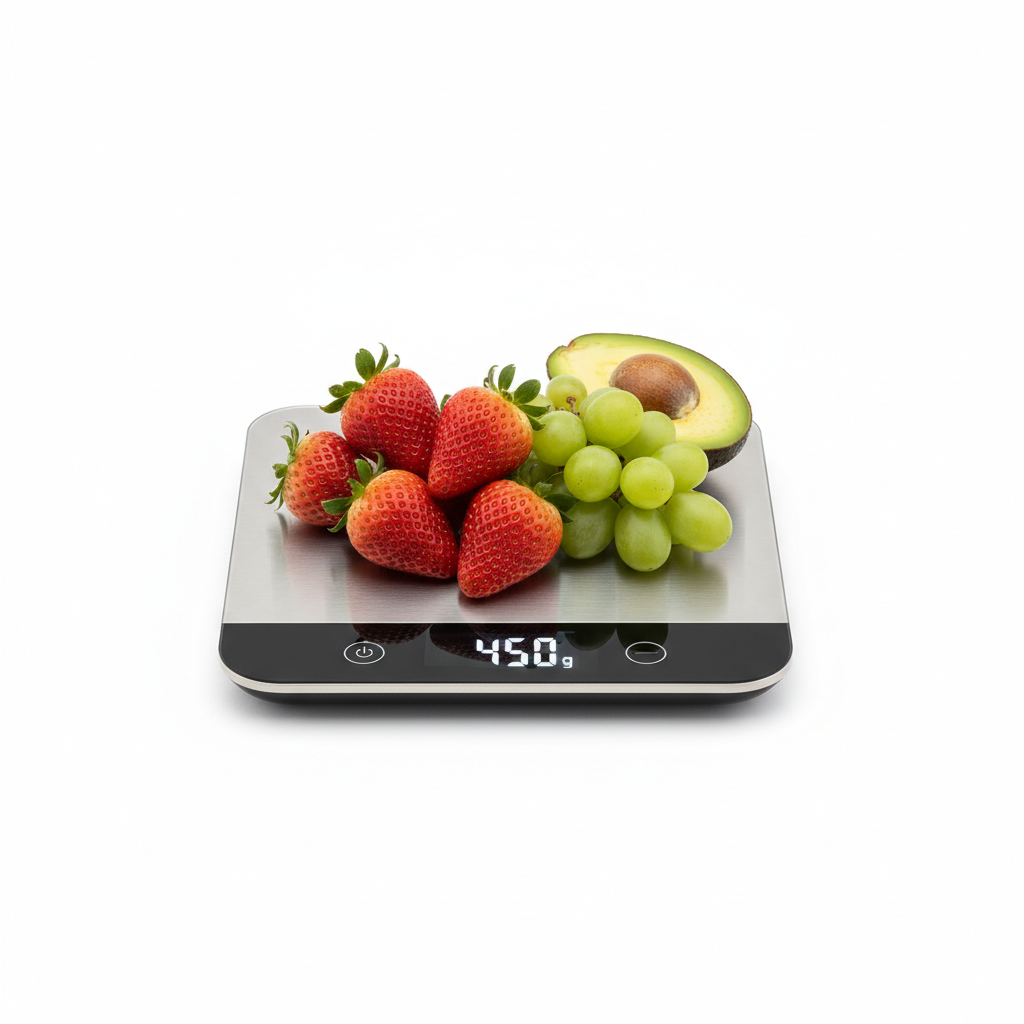
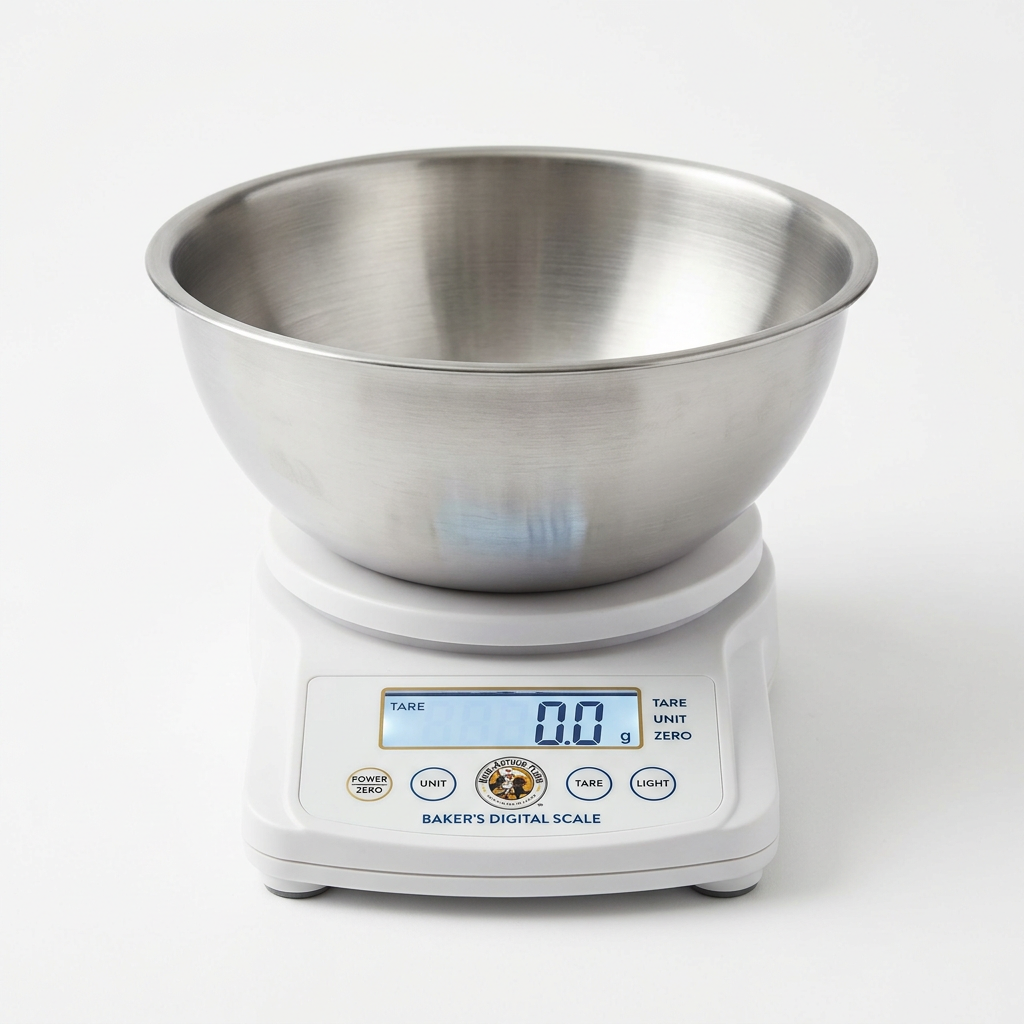
For the most accurate results, consider investing in a digital kitchen scale. Weight measurements are far superior to volume measurements, especially when it comes to dry ingredients. Different types of flour can weigh differently depending on how they were milled and stored. For instance:
Choosing to weigh your ingredients will greatly increase the consistency of your baking.
Understanding Ingredients: The Building Blocks of Baking
Every ingredient in a baking recipe plays a specific role, and understanding these roles can drastically enhance your baking skills.
The Role of Flour
Flour serves as the foundation of many baked goods. It contains gluten, a protein that provides structure. There are several types of flour, each best suited for different purposes:
Sugar’s Multifaceted Role
Sugar is not just for sweetness; it also affects texture, color, and moisture. There are various sugars to consider in baking:
Fats: Butters, Oils, and Shortenings
Fats contribute to flavor, moisture, and texture. Understanding how different fats work can elevate your recipes:
The combination of these ingredients, when measured and mixed correctly, will lead to delightful results. Remember, each ingredient has a unique role and should not be haphazardly swapped without consideration.
The Role of Temperature in Baking
The temperature at which you conduct your baking can significantly influence the outcome. Understanding the ideal temperatures for various processes is vital for achieving optimal results.
Room Temperature Ingredients
Many baking recipes call for ingredients like butter and eggs to be at room temperature. Why? Cold ingredients do not mix properly, affecting your batter’s consistency and structure. Here’s how to ensure they reach the ideal temperature:
Oven Temperature: More Than Just a Number
The temperature of your oven will dictate how quickly and evenly your baked goods cook. Here is a general guideline for various types of baking:
Using an oven thermometer can help you verify the accuracy of your oven's temperature, ensuring that your baked goods receive the heat they need to rise and set correctly.
"Temperature control is a key ingredient in baking success. It can mean the difference between a flat cookie and a fluffy soufflé."
Cooling Times and Techniques
Once your baked goods are out of the oven, cooling is an essential step. Rapid cooling can lead to a rubbery texture or cause them to collapse. Here are some tips for cooling:
How Environment Affects Baking
Did you know that the environment can also affect your baking? Higher humidity can lead to extra moisture in your ingredients, altering the ratios you need. Conversely, dry climates might require the addition of a little extra liquid to your recipes. Here are a few adjustments you might consider:
Baking is a delicate dance with your environment, and adjusting to your location can make all the difference in achieving great results.
Emulsification and Creaming Techniques
Mastering the techniques of emulsification and creaming can dramatically improve your baking outcomes. These methods create the ideal texture and structure for your baked goods.
Creaming Butter and Sugar
Creaming is a method where you mix butter and sugar together until it becomes light and fluffy. This technique incorporates air into the batter, allowing baked goods to rise effectively. Here’s how to do it:
Key Tips:
The Importance of Egg Incorporation
Eggs not only provide moisture but also serve as an emulsifier, helping to combine fat and water. Here are some vital points:
Emulsification Basics
An emulsion is a mixture of two liquids that typically don’t blend well, like oil and water. In baking, a stable emulsion is vital for maintaining moisture. To create a stable emulsion in your recipes:
Successfully mastering these techniques can lead to better textures and flavors, elevating your baked goods from ordinary to extraordinary.
Baking Chemistry: Understanding the Reactions
Every ingredient in baking serves a purpose, and understanding these chemical reactions can help you troubleshoot problems and enhance your skills.
Leavening Agents: The Secret to Rising
Baking relies on leavening agents to create rise and texture. There are three primary types: yeast, baking soda, and baking powder. Here’s how each works:
The Role of Acidic Ingredients
Acid is essential for balancing flavors in your baked goods, and it also activates baking soda. Common acidic ingredients include:
A wrong balance of acidity can lead to issues such as a flat cake or a dense bread. Understanding these balances helps you create more harmonious flavors and textures.
Creating Gluten: Technique Matters
Gluten development is crucial in many baking recipes, particularly bread. It is achieved through both the type of flour used and the mixing methods. Here are some tips for developing gluten:
If you want to shy away from gluten altogether, there are substitute flours available—but use them carefully, as they require different ratios and handling.
"Baking is a science. Understanding the chemistry behind the ingredients will significantly improve your outcomes."
Final Thoughts
In the world of baking, precision is not merely a requirement; it’s the pathway to success. With each measuring cup and spoon, you’re laying the foundation for culinary artistry. You’ve learned about the importance of accuracy in measurement, mastery of ingredient roles, and the effects of temperature and environment. By internalizing these principles, you’re not just following a recipe; you’re engaging in a complex chemistry experiment where flavor, texture, and aroma intersect.
It’s essential to approach baking as both an art and a science. By understanding the ‘why’ behind the ‘how,’ you can troubleshoot problems and adapt recipes to fit your personal style. Engage with your ingredients, learn from your experiences, and don’t shy away from experimenting—after all, every great baker was once an amateur.
Embark on your next baking adventure with this newfound knowledge; precision is the key to unlocking your full potential in the kitchen. From towering cakes to delicate pastries, the world of baking is rich and rewarding, waiting for you to explore with confidence. Happy baking!


Get the Next Recipe
Weekly recipes, techniques, and gear picks — straight to your inbox.
